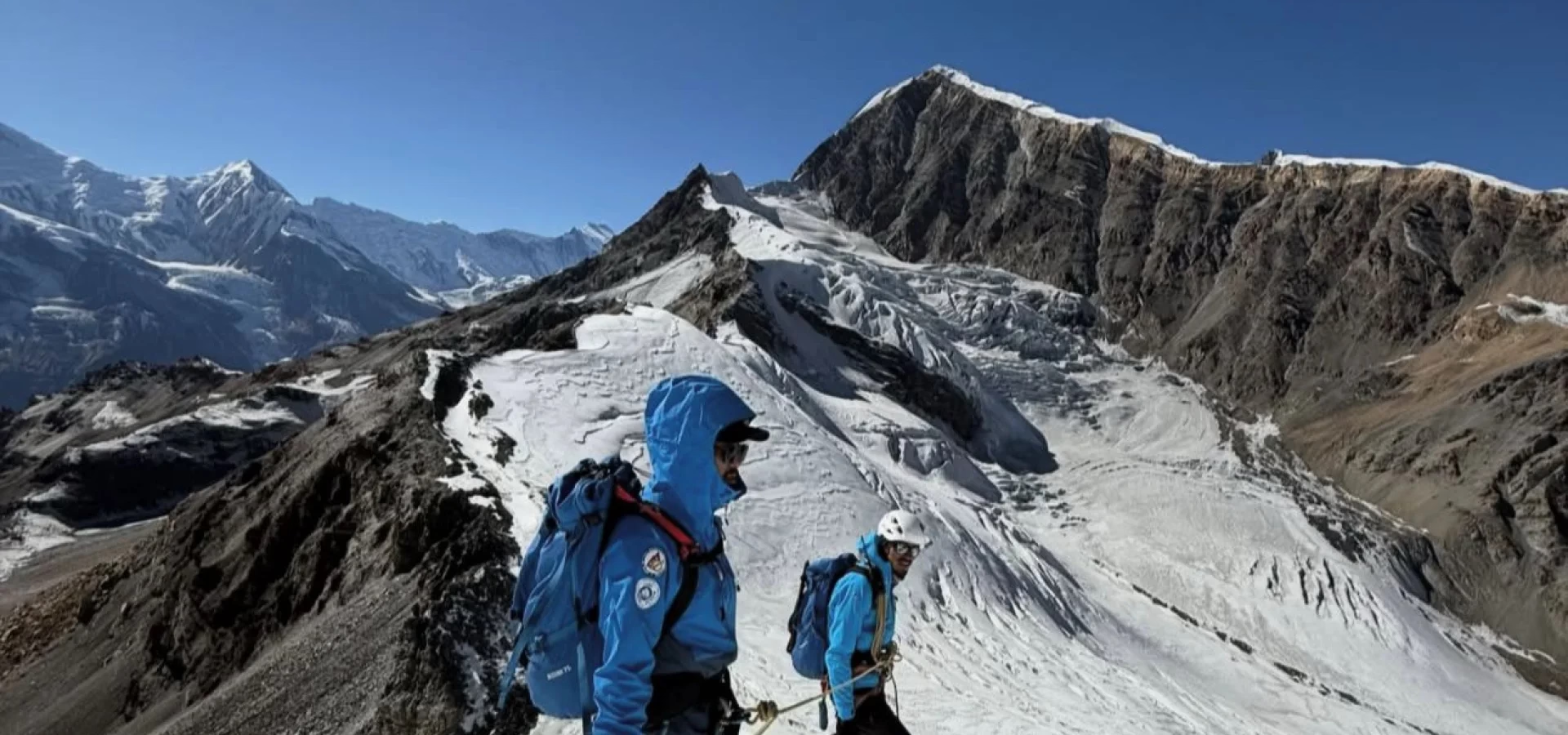
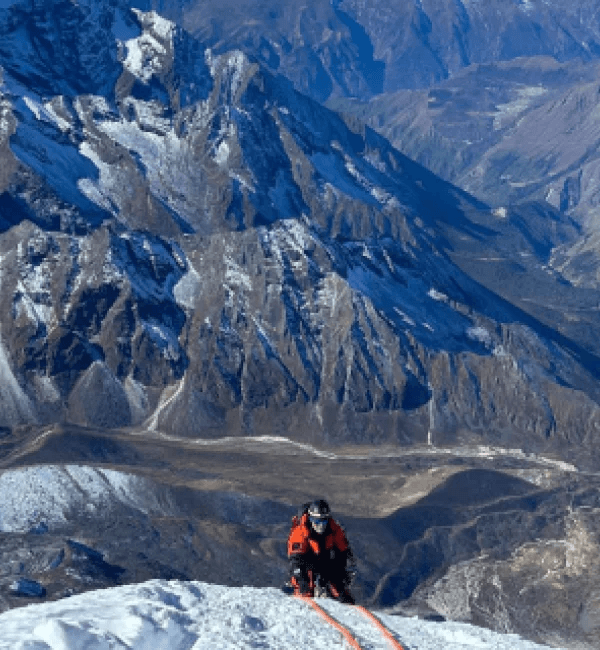
Today marks one of the major highlights of the expedition as you head toward Pisang in the Manang Valley for a full day of winter ice climbing. After several days of travel and acclimatization, the focus now shifts from preparation to practical climbing, with the frozen mountain landscape becoming your training ground.
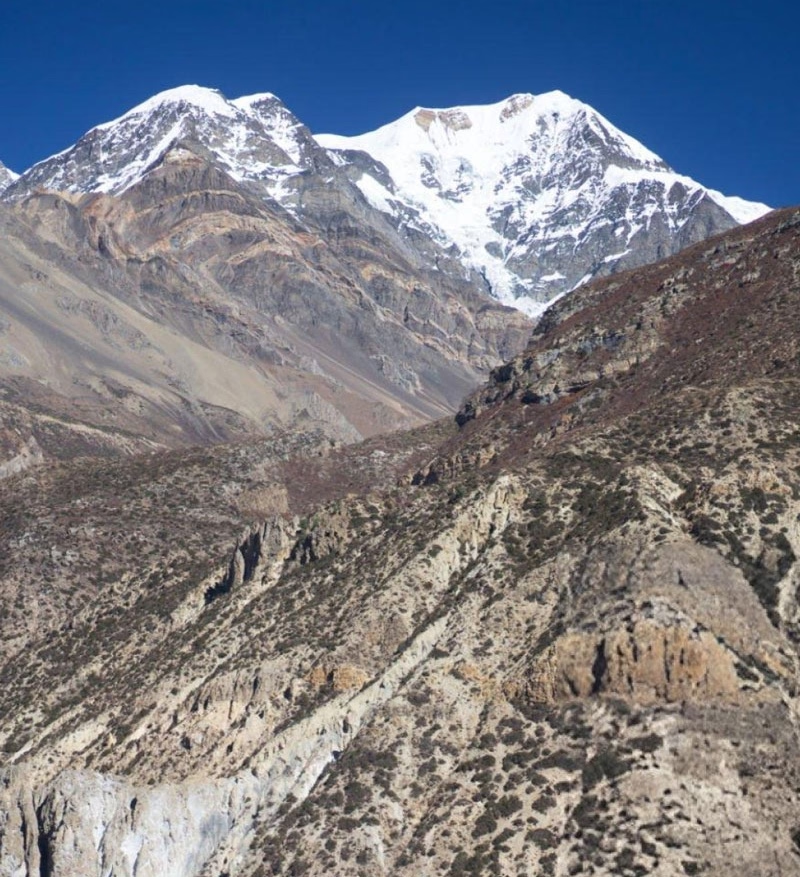
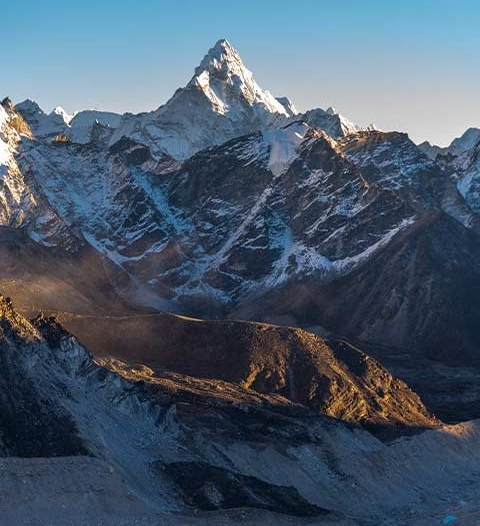
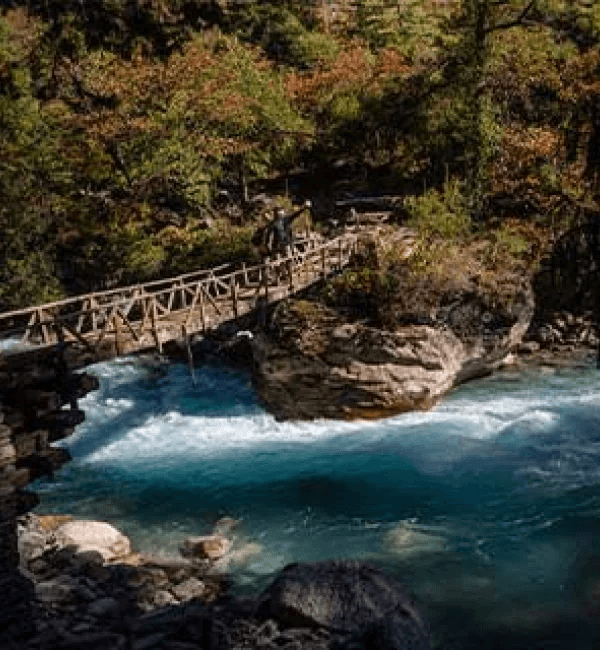
After breakfast, the team prepares the climbing equipment and travels toward the selected ice-climbing area around Pisang. As you approach the climbing site, the landscape becomes increasingly alpine, with rugged cliffs, snow-covered slopes, frozen streams, and dramatic Himalayan peaks creating an impressive backdrop. Depending on the prevailing temperature and ice conditions, the climbing team selects an appropriate route and carries out a careful assessment before beginning the activity.
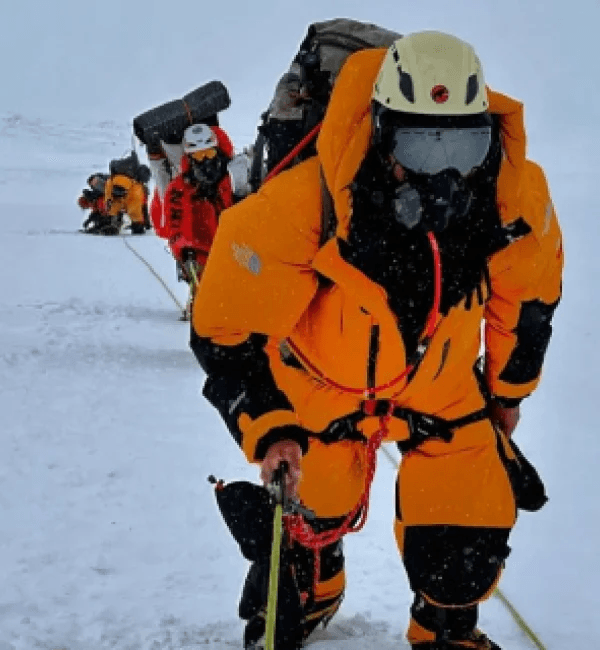
Before touching the ice, your climbing guides conduct a detailed equipment and safety briefing. You will be introduced to the correct use of mountaineering boots, crampons, climbing harness, helmet, ice axes, ropes, and other technical equipment. The guides demonstrate essential techniques such as front-pointing, placing the ice axe securely, maintaining three points of contact, positioning the body efficiently, and moving with controlled footwork.
Once properly equipped, you begin climbing under close professional supervision. The first sessions focus on establishing confidence and developing efficient movement on lower-angle or suitable sections of ice. As your technique improves, you may progress onto steeper terrain appropriate to your experience and the day's conditions. Each movement requires concentration: a secure crampon placement, a balanced stance, and a well-controlled ice-axe placement all contribute to safe and efficient climbing.
The character of natural ice can vary considerably. Temperature, sunlight, recent snowfall, and freeze-thaw cycles can affect its texture and stability, so the climbing team continually evaluates the route throughout the day. The objective is not simply to climb as high as possible, but to develop sound technique while maintaining a responsible approach to the mountain environment.
During the session, there will be opportunities to practice ascending, descending, resting on steep ice, efficient use of climbing tools, and rope-management principles as appropriate to the selected route. Your guides will provide individual feedback, helping you understand how small adjustments in body position, balance, and footwork can make climbing more controlled and energy-efficient.
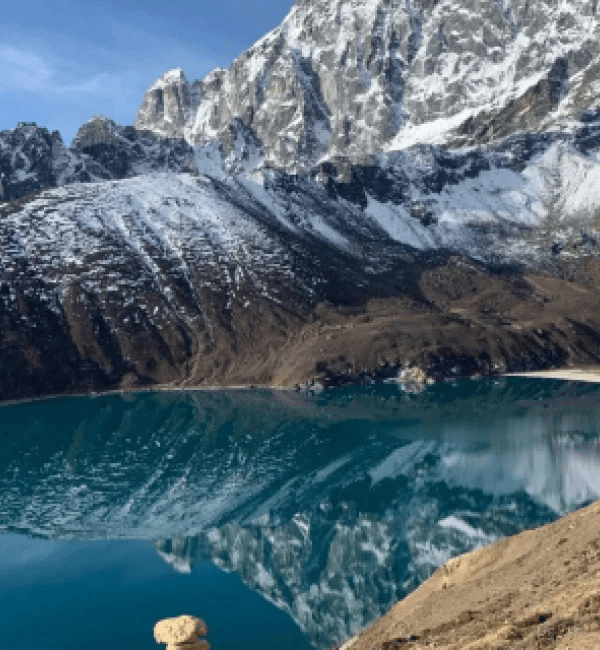
After the climbing session, safely pack away the technical equipment and take time to appreciate the surrounding Himalayan scenery before returning toward Manang. The experience provides a valuable combination of technical learning, physical challenge, and direct contact with the winter landscape of the Annapurna region.
Back at the lodge, enjoy a warm meal and allow your body to recover after the demanding day. The evening can be used to review the day's climbing experience, discuss techniques learned, and prepare for the next stage of the winter adventure.