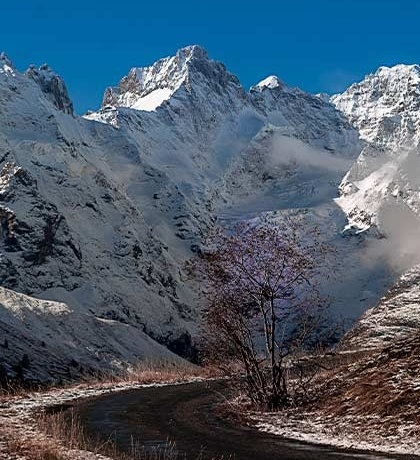
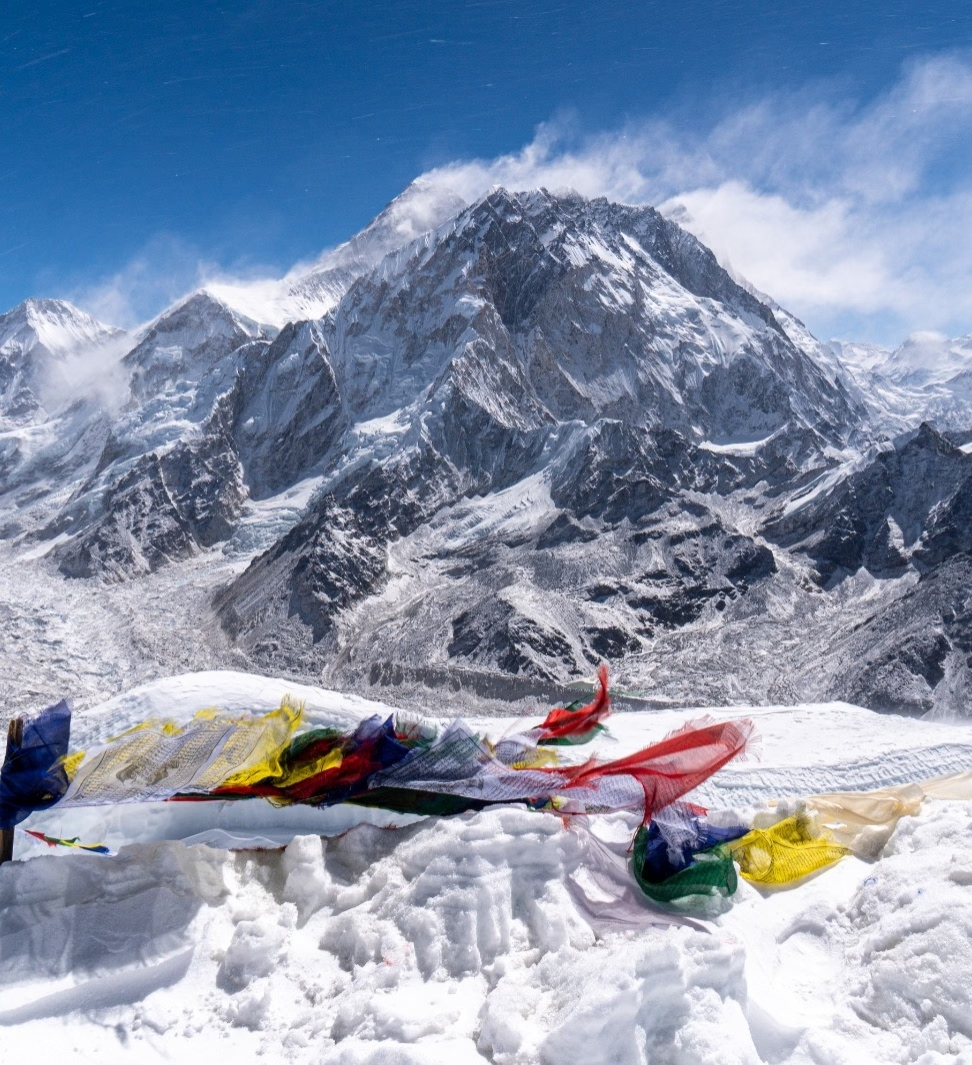
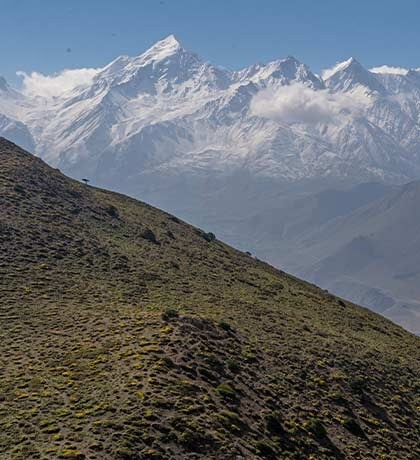
The Three Peak Expedition is designed for climbers who want to experience more than a single Himalayan summit. Combining Lobuche Peak, Pokalde Peak, and Island Peak requires a thoughtful balance of trekking endurance, acclimatization, technical preparation, and recovery. Before departure, every climber should understand that success depends not only on physical strength but also on pacing, adaptation to altitude, teamwork, and the ability to make sensible decisions in changing mountain conditions.
Physical Preparation
You should arrive in Nepal with a strong foundation of cardiovascular endurance, leg strength, balance, and general trekking fitness. The expedition involves long days on uneven mountain trails, steep ascents and descents, high-altitude trekking, and summit days that can require sustained effort for many hours.
A good preparation program should include:
Long-distance hiking and uphill walking with a progressively loaded backpack.
Stair climbing, hill training, running, cycling, or other cardiovascular exercises.
Strength training focused on the legs, core, and lower back.
Regular hikes over several consecutive days to become comfortable with cumulative fatigue.
Practice walking with the boots, clothing, and backpack you intend to use during the expedition.
Gradual exposure to longer and steeper terrain rather than relying only on gym-based training.
Altitude & Acclimatization
Altitude is one of the most important factors on this expedition. The itinerary progressively moves from the lower Khumbu region toward elevations above 6,000m, giving the body opportunities to adapt along the way. Even physically strong climbers can experience altitude-related symptoms, so acclimatization should never be treated as something that can be replaced by fitness.
During the expedition:
Maintain a steady and sustainable walking pace.
Stay well hydrated throughout the day.
Eat regularly even when your appetite decreases at altitude.
Follow the acclimatization schedule and avoid unnecessary rushing.
Inform your guide immediately if you experience persistent headache, unusual fatigue, dizziness, nausea, breathing difficulties, or other concerning symptoms.
Be prepared for itinerary adjustments when mountain conditions or acclimatization requirements demand them.
Technical Climbing Preparation
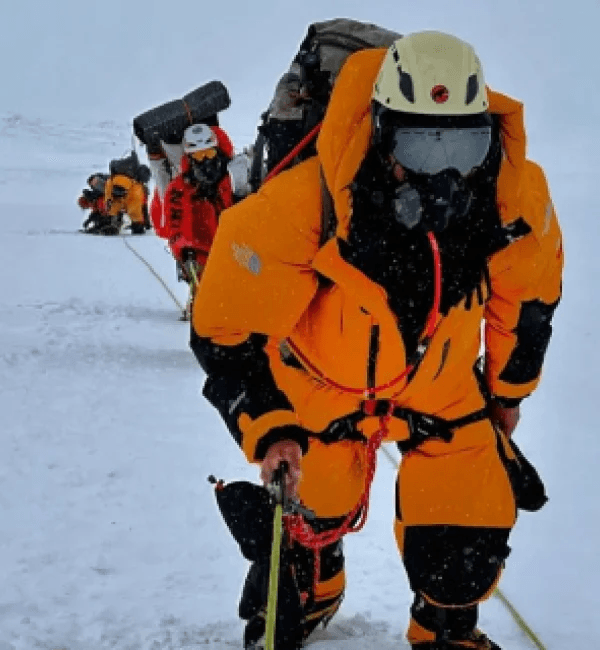
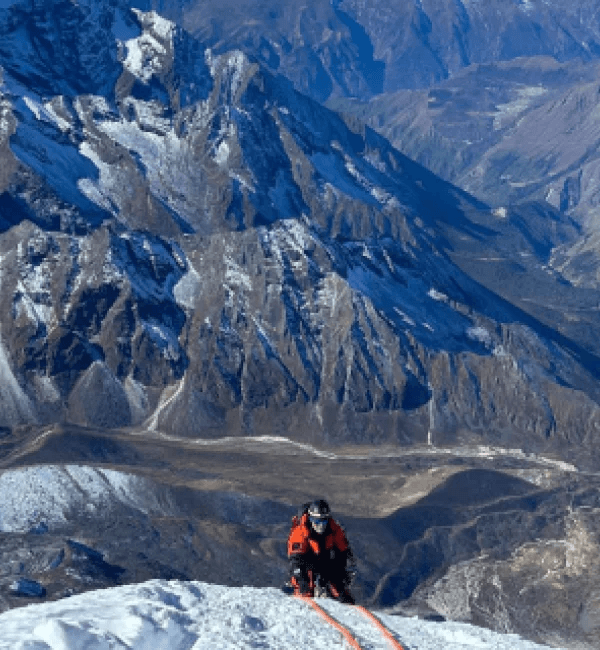
The Three Peak Expedition combines trekking with genuine Himalayan peak-climbing experiences. Lobuche Peak and Island Peak can involve technical climbing sections requiring appropriate equipment, movement skills, and confidence in mountainous terrain, while Pokalde Peak adds another high-altitude summit challenge to the progression.
Before the summit phases, your climbing team will provide guidance on the use of essential equipment and mountain techniques. Depending on conditions and the route, this may include:
Crampon and mountaineering-boot use.
Ice-axe handling.
Harness and climbing-system use.
Rope techniques and safe movement on fixed lines where applicable.
Ascending and descending steep terrain.
Basic glacier and snow travel awareness.
Efficient movement while wearing climbing equipment.
Previous high-altitude climbing experience is valuable, but preparation and the ability to follow professional guidance are equally important.
Weather & Mountain Conditions
Himalayan weather can change quickly, particularly at higher elevations. Clear conditions at the beginning of a trekking day do not guarantee the same conditions later. Cold temperatures, strong winds, snowfall, cloud, poor visibility, and changing trail conditions can affect both trekking and climbing plans.
For this reason, the expedition itinerary should be considered weather-dependent, particularly around the summit periods. Your climbing team may adjust the schedule when necessary to prioritize safety, acclimatization, and suitable climbing conditions.
Packing & Equipment
Pack carefully and avoid carrying unnecessary weight. Your equipment should be suitable for both trekking and high-altitude climbing.
Essential categories include:
Layered trekking clothing.
Warm insulated jacket and weatherproof outer layers.
Proper trekking and mountaineering boots.
Sleeping bag suitable for high-altitude conditions.
Gloves, warm hat, and sun protection.
Sunglasses or glacier glasses.
Headlamp with spare batteries.
Trekking poles.
Backpack and daypack as advised.
Helmet, harness, crampons, ice axe, and other climbing equipment as required.
Personal first-aid and essential medication.
Water bottles or hydration system.
Sunscreen and lip protection.
Personal toiletries and other small essentials.
Peak 15 Adventure will provide guidance on the technical equipment required for the climbing sections and conduct an equipment check before the expedition progresses into the higher mountains.
Food, Hydration & Energy
High-altitude climbing consumes considerably more energy than ordinary trekking. Take advantage of every meal and carry easily accessible snacks for the trail. Carbohydrate-rich foods can provide useful energy during long trekking and climbing days, while adequate protein and overall calorie intake support recovery.
Hydration is equally important. Drink consistently throughout the day rather than waiting until you feel thirsty. At higher elevations, cold and dry conditions can make dehydration less obvious.
Accommodation & Facilities
Accommodation becomes progressively more basic as the expedition moves deeper into the mountains. Tea houses and lodges provide essential facilities during the trekking sections, while higher climbing areas may involve tent-based accommodation and more limited services.
Expect:
Simple mountain lodges and tea houses.
Shared facilities in some locations.
Limited hot-water availability at higher elevations.
Basic charging and communication facilities in remote areas.
Tent accommodation during certain climbing stages.
More basic conditions as you approach the high camps and summit environments.
The experience is part of the expedition: comfort gradually gives way to a more focused mountain environment.
Communication & Connectivity
Mobile and internet connectivity can be inconsistent in remote Himalayan areas. Do not rely on continuous network access for communication or online services. Keep important information available offline and inform family or contacts that communication may be limited during parts of the expedition.
Travel Documents & Personal Essentials
Before arriving in Nepal, ensure that your passport, visa arrangements, travel insurance, permits, flight details, and other required documents are in order. Keep digital and physical copies of important documents where practical.
Travel insurance should specifically account for high-altitude trekking and peak climbing, including emergency evacuation provisions where applicable. Review the policy carefully rather than assuming a standard travel policy covers mountaineering activities.
Responsible Mountain Travel
The Three Peak Expedition takes you through one of the world's most remarkable mountain environments. Every climber has a responsibility to help protect it.
Carry waste back to designated disposal points.
Avoid unnecessary single-use plastics.
Respect local communities, customs, monasteries, and cultural traditions.
Follow designated trails and instructions from the expedition team.
Treat porters, guides, lodge staff, and fellow climbers with respect.
Leave the mountains as you found them—or better.
Mental Preparation
Three summits demand more than physical preparation. There will be long trekking days, cold mornings, changing weather, limited comforts, and moments when progress feels slow. Patience and adaptability are essential qualities.
Approach the expedition with discipline rather than haste. The objective is not simply to reach three summits; it is to move through the mountains responsibly, adapt to the environment, and make sound decisions throughout the journey.
Your preparation begins before you reach the Himalayas. Your judgment continues to matter after you reach the summit.

.avif&w=3840&q=75)