The Day 12–53 climbing period represents the heart of the Mount Everest expedition. Rather than making a single continuous ascent, the team follows a carefully managed program of acclimatization, climbing rotations, rest, recovery, weather monitoring, and summit preparation. The exact movement between camps is adjusted according to climbers' acclimatization, route conditions, weather forecasts, and the judgment of the expedition leadership.
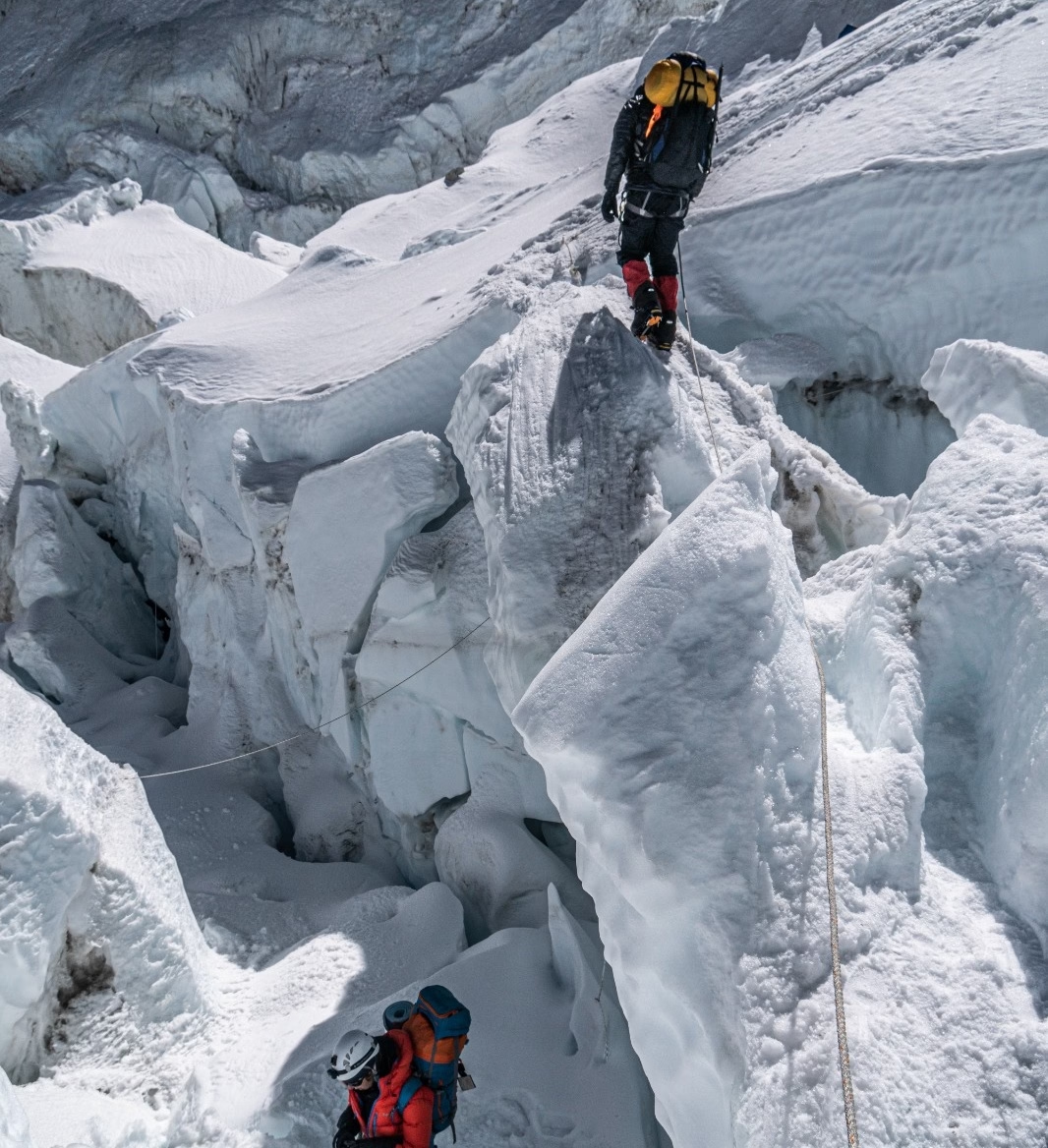
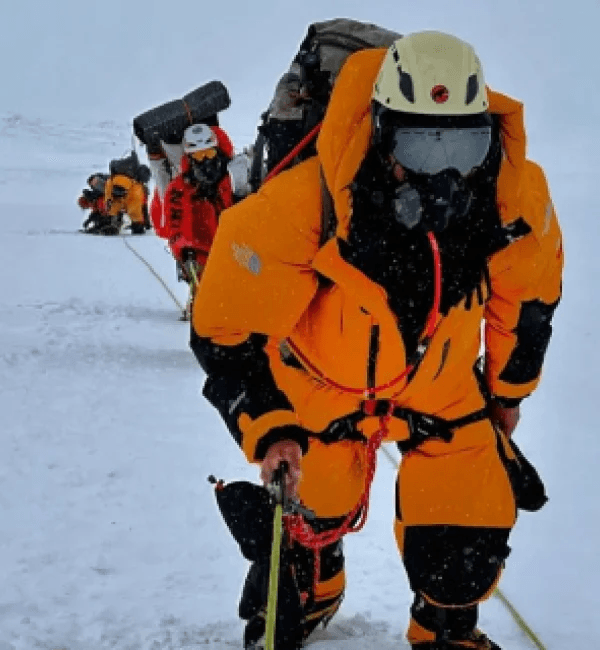
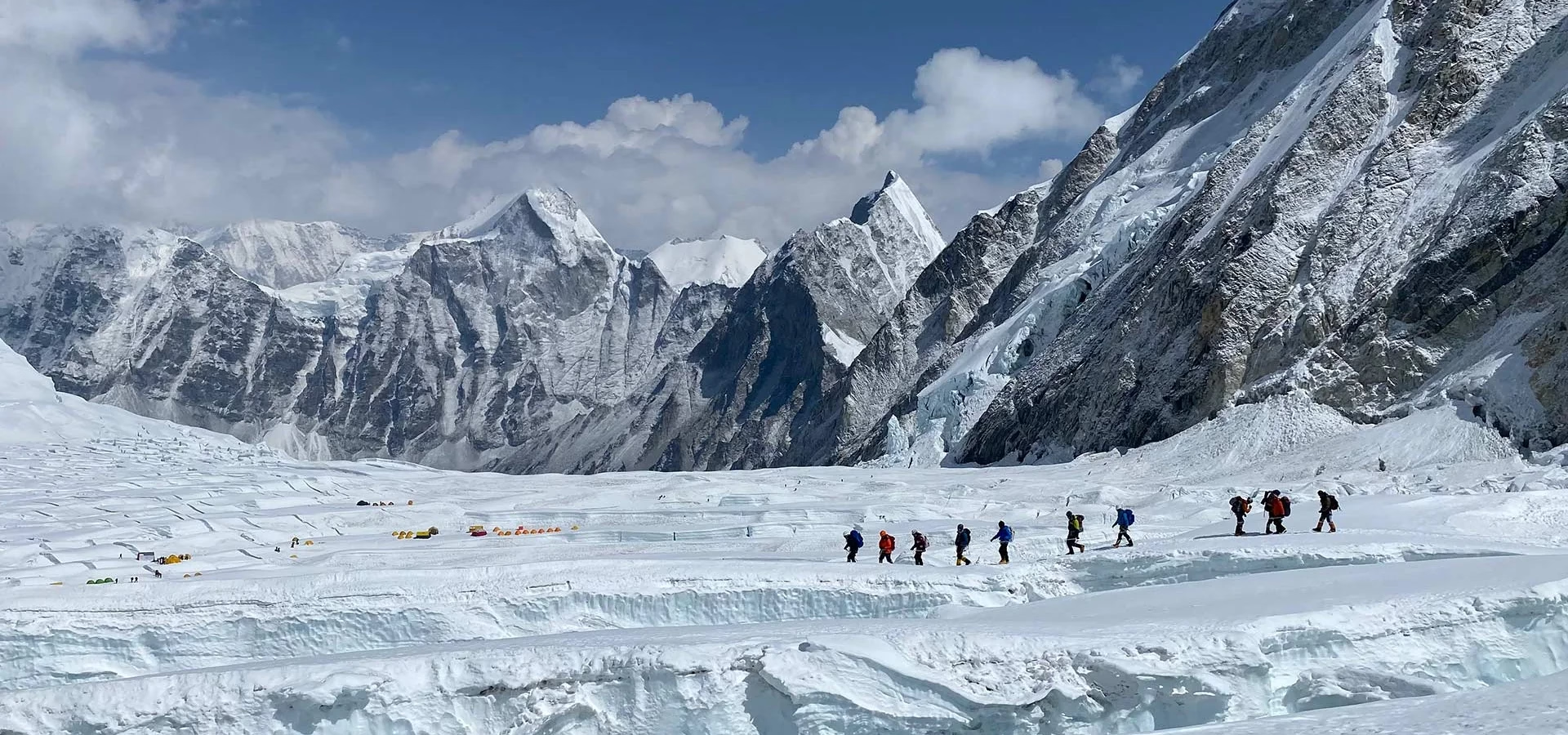
From Everest Base Camp at 5,364m, the team begins progressively entering the higher sections of the South Col route through the Khumbu Icefall, one of the most complex and dynamic sections of the Everest climbing route. Climbers use fixed ropes, ladders, and established route infrastructure while maintaining disciplined spacing and careful movement under the guidance of the climbing team.
The first rotations allow climbers to gain experience moving through the Icefall and sleeping at higher elevations before returning to Base Camp for recovery. Subsequent rotations progressively extend higher toward Camp I, Camp II in the Western Cwm, and Camp III on the Lhotse Face, depending on the expedition's acclimatization strategy and prevailing route conditions.
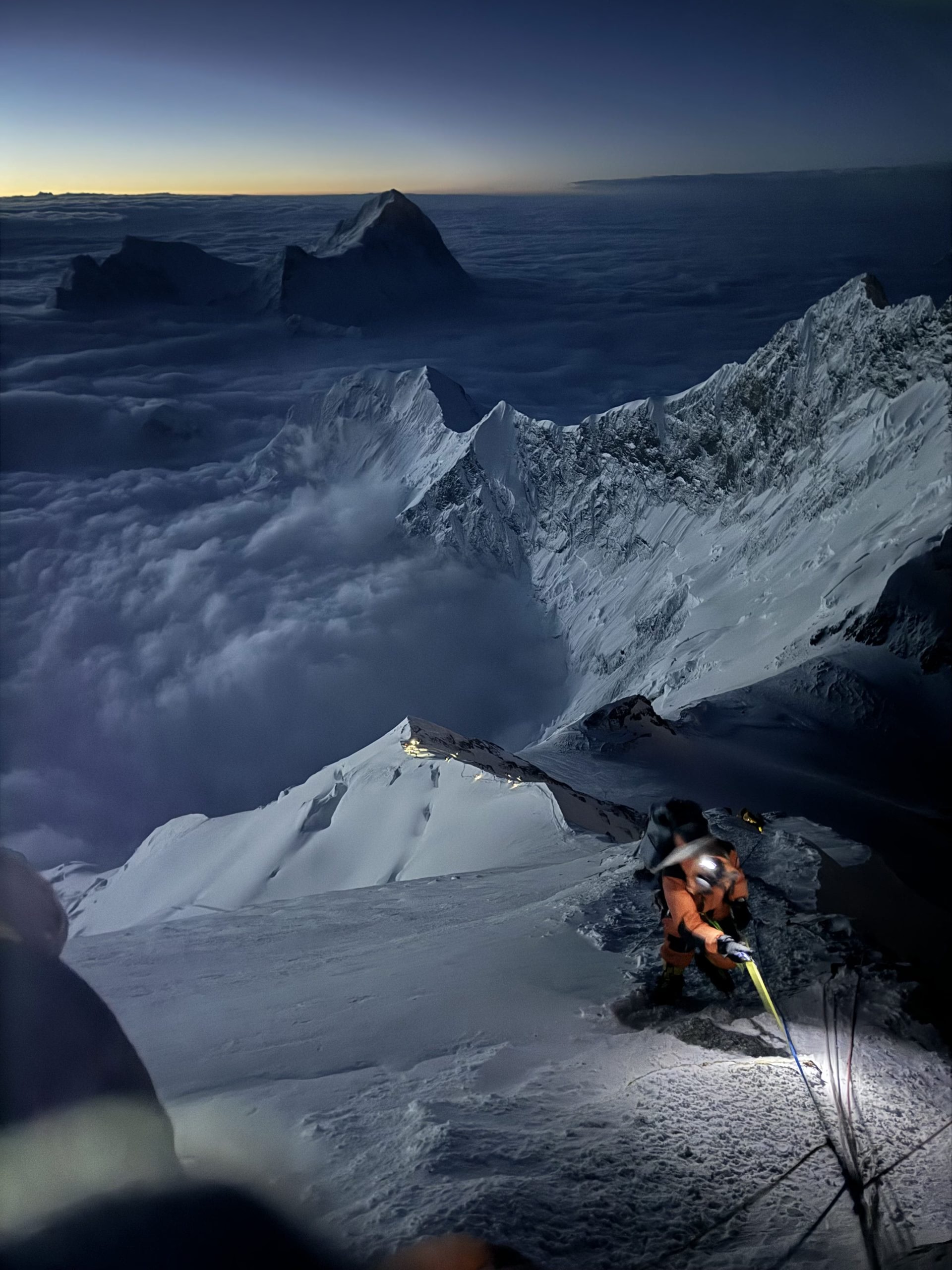
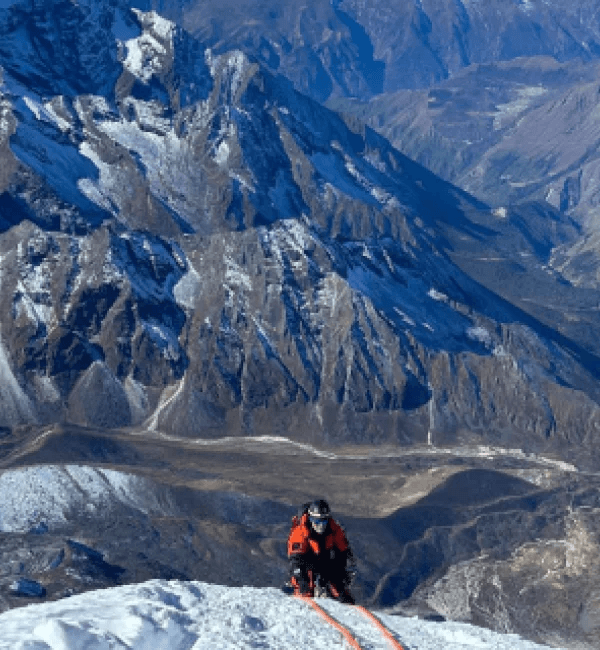
As the team gains altitude, the environment becomes increasingly severe. The Western Cwm leads toward the steep Lhotse Face, where fixed-rope climbing becomes an essential part of the ascent. Above Camp III lies the upper section of the route toward the South Col, the final major staging point before the summit. The transition into the extreme altitude above 8,000m requires exceptional pacing, oxygen management where applicable, careful nutrition and hydration, and constant attention to changing conditions.
Between rotations, climbers return to Base Camp to recover and rebuild strength. These rest periods are an essential component of the expedition rather than inactive days. The team reviews climbing performance, checks equipment, receives weather updates, maintains personal gear, and prepares for the next rotation.
As the summit window approaches, the expedition enters its final summit preparation phase. The climbing team confirms equipment, oxygen systems, communication arrangements, food and fuel requirements, personal clothing, and the planned summit strategy. Weather forecasts and route conditions are closely monitored because the final ascent depends heavily on a suitable and stable summit window.
During the summit push, the team progresses from Base Camp through the established high camps toward the South Col, before beginning the final ascent toward the summit. The route above the South Col includes the Balcony, South Summit, and Hillary Step area, followed by the final ridge leading to the summit. At 8,848.86m, climbers reach the highest point on Earth.
After the summit, descent becomes the immediate priority. The team carefully retraces the route through the upper camps toward Everest Base Camp, where climbers can recover after the summit effort. The expedition schedule also retains flexibility for weather delays, route changes, acclimatization requirements, or other unforeseen mountain conditions.
Throughout Days 12–53, Peak 15 Adventure's expedition team maintains a strong focus on safe decision-making, acclimatization, communication, route management, Sherpa support, and responsible climbing practices. The objective is not simply to reach the summit, but to manage every stage of the expedition with the discipline and respect that Everest demands.

.avif&w=3840&q=75)