Altitude Is the Real Adventure
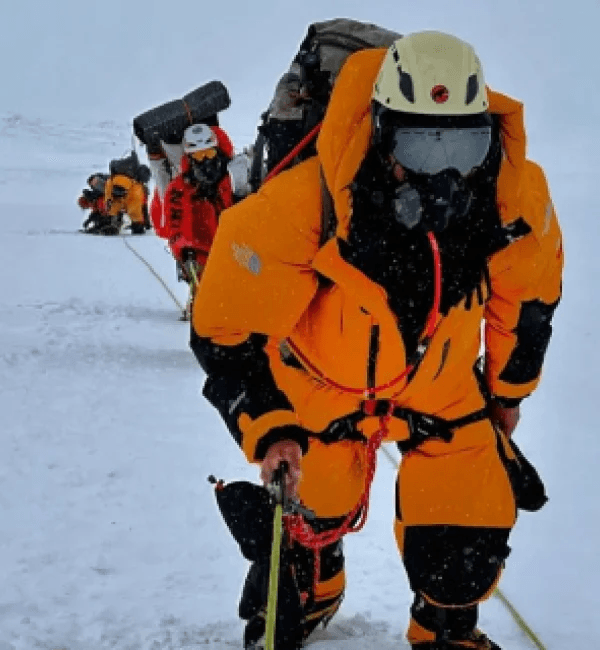
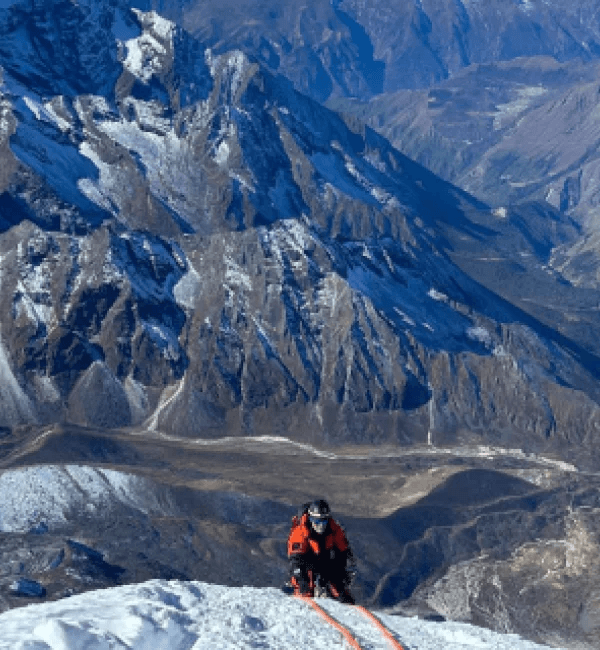
The Everest Base Camp Trek takes you from the lively streets of Kathmandu to 5,364m at Everest Base Camp. The landscape becomes more spectacular as you climb, but the air becomes thinner with every step. This is why our itinerary is designed around a gradual ascent, sensible pacing, and acclimatization. Listen to your body, walk steadily, stay hydrated, and never treat altitude as a race.
Train for the Trail, Not Just the Summit
You do not need to be a professional mountaineer to trek to Everest Base Camp, but you should arrive prepared for several consecutive days of walking in changing terrain. Build your fitness through regular hiking, uphill walking, stair climbing, and cardiovascular exercise before departure. Strong legs help-but endurance, patience, and mental resilience matter just as much.
Pack Light, Pack Smart
Every item in your backpack has a purpose at altitude. Prepare for cold temperatures, changing weather, long walking days, and basic mountain accommodation. Essential layers, a warm sleeping bag, trekking boots, gloves, sun protection, water bottles, personal medication, and reliable trekking equipment should be prioritized over unnecessary weight.
Expect the Himalayas to Make the Rules
Mountain weather can change quickly. Clear blue skies can give way to cloud, wind, rain, or snow with little warning, particularly at higher elevations. Flights to and from Lukla may also be affected by weather or operational conditions. Flexibility is therefore part of the expedition. A little patience can be the difference between a stressful trip and a memorable one.
Embrace Mountain Life
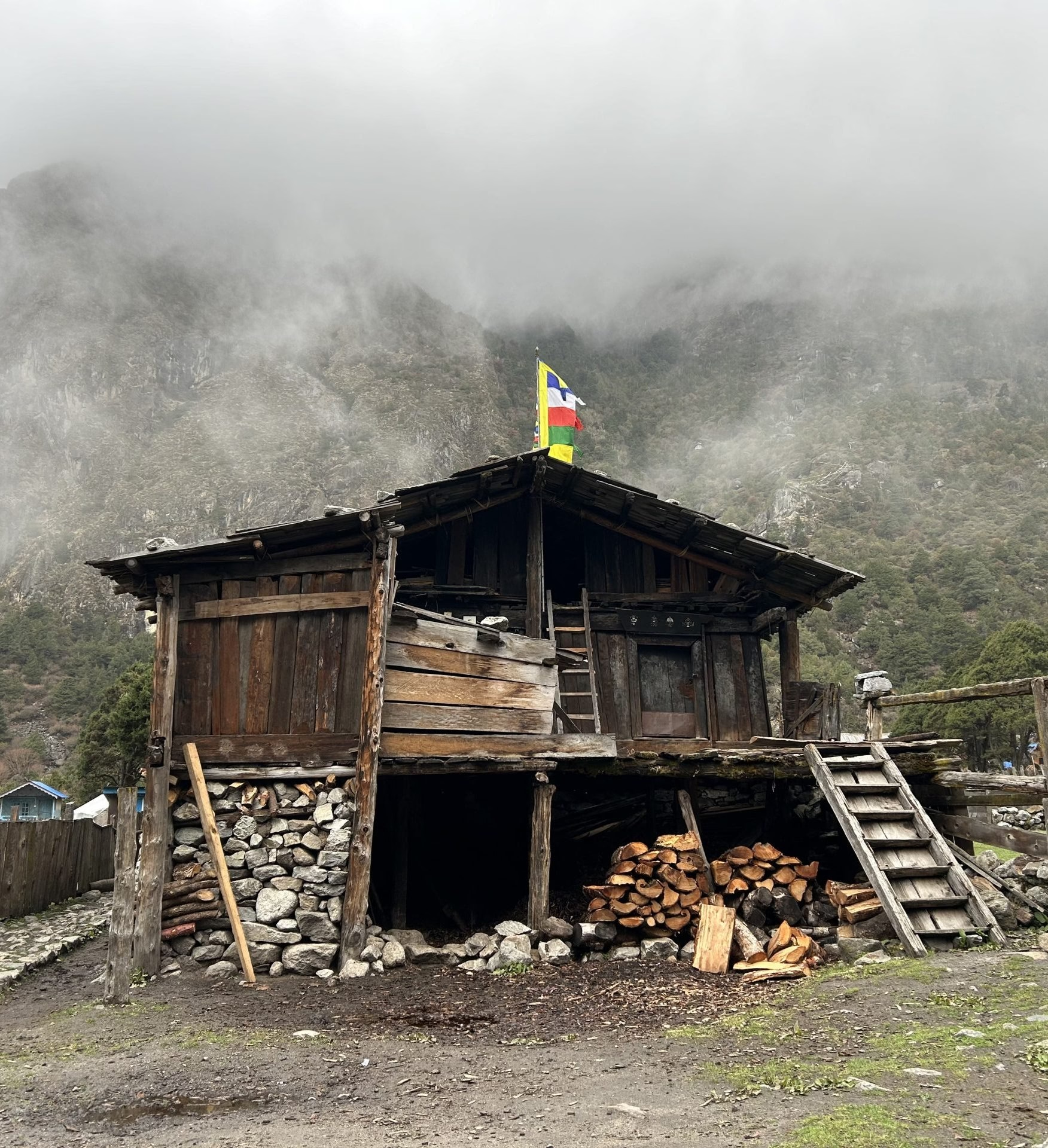
The Everest region offers a very different rhythm from city life. Accommodation becomes simpler, hot showers may be limited, internet and electricity can be inconsistent, and facilities become increasingly basic as you gain altitude. In return, you gain something few luxury hotels can provide: nights surrounded by the world's greatest mountains.
Hydration Is Your Daily Companion
At high altitude, staying hydrated is essential. Drink water regularly throughout the day and avoid relying solely on thirst as your guide. Warm fluids can also be comforting in colder conditions. Your guide will help you maintain healthy trekking habits as you gain elevation.
Know the Signs, Respect the Mountain
Altitude sickness can affect anyone, regardless of age or fitness. Headache, nausea, dizziness, unusual fatigue, or difficulty sleeping should never be ignored. Tell your guide immediately if you feel unwell. Descending is not failure-it is responsible mountain judgment. Your safety always comes before the itinerary.
The Overnight Experience Changes Everything
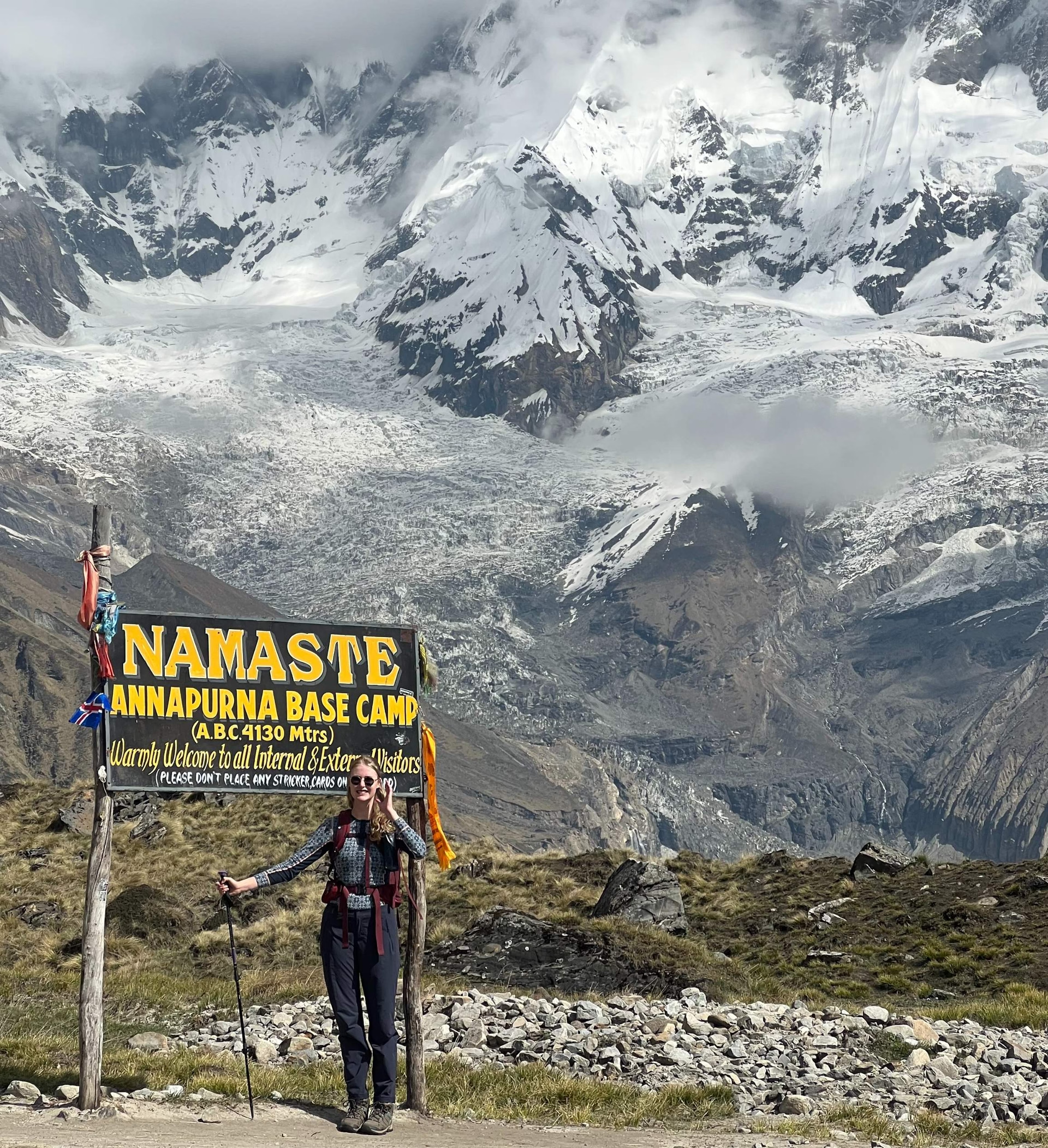
The highlight of this journey is not simply reaching the famous Everest Base Camp sign. Staying overnight at the Everest Base Camp area gives you time to experience the landscape after the trekking crowds and daytime activity begin to disappear. Prepare yourself for cold, simple conditions and an experience that is far removed from ordinary tourism.
Bring Curiosity Along With Your Gear
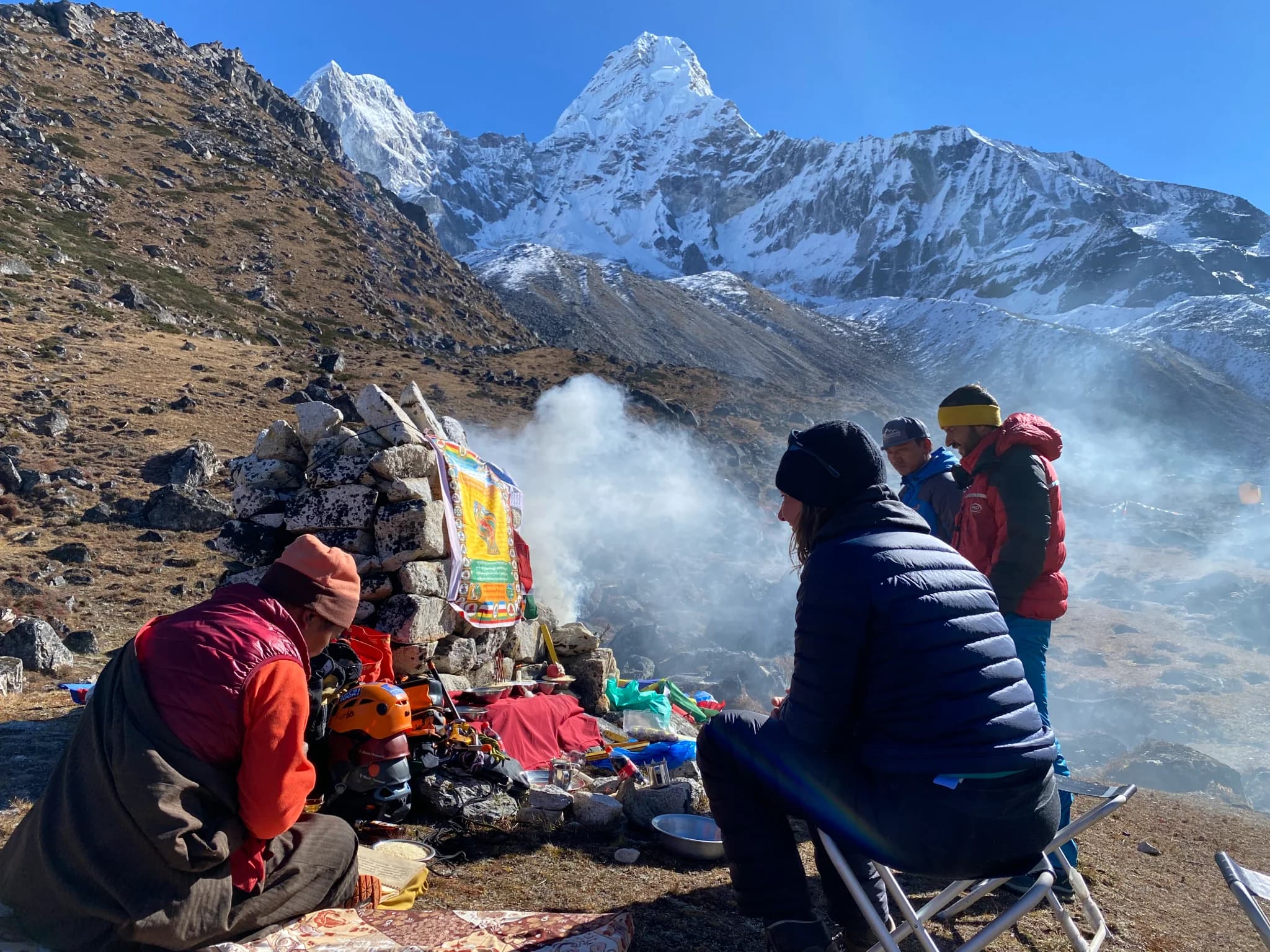
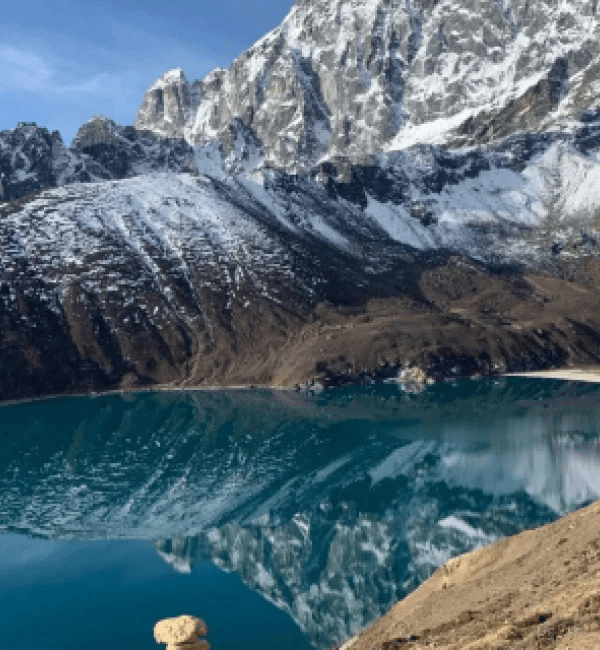
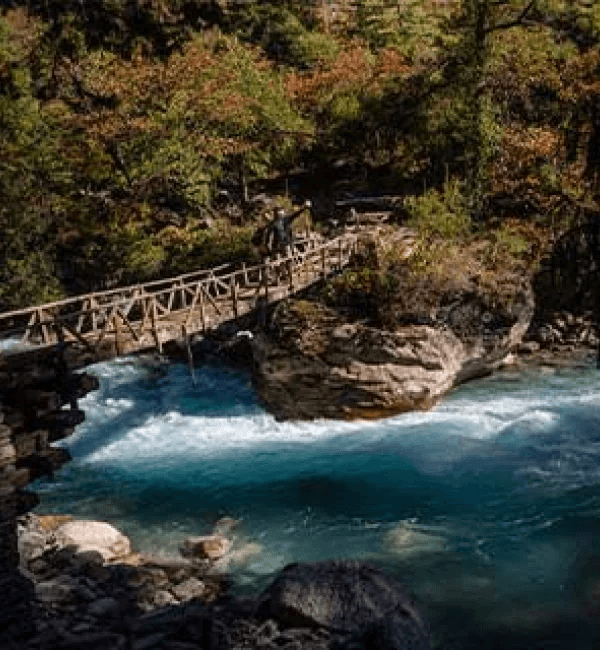
The Everest trail is more than a route to a mountain. It is a journey through Sherpa culture, Buddhist traditions, historic trading settlements, ancient monasteries, glaciers, and some of the world's highest peaks. Take time to look beyond the destination. The stories between Kathmandu and Base Camp are part of the adventure.
Trust the Journey-and the Team
With Peak 15 Adventure, every step is supported by an experienced mountain team committed to thoughtful planning, responsible trekking, acclimatization, and safety. Follow your guide's advice, respect the mountain environment, and communicate openly throughout the trek.
Because Everest is not conquered by rushing toward it. It is experienced by moving patiently, respecting the altitude, and knowing when every step matters.