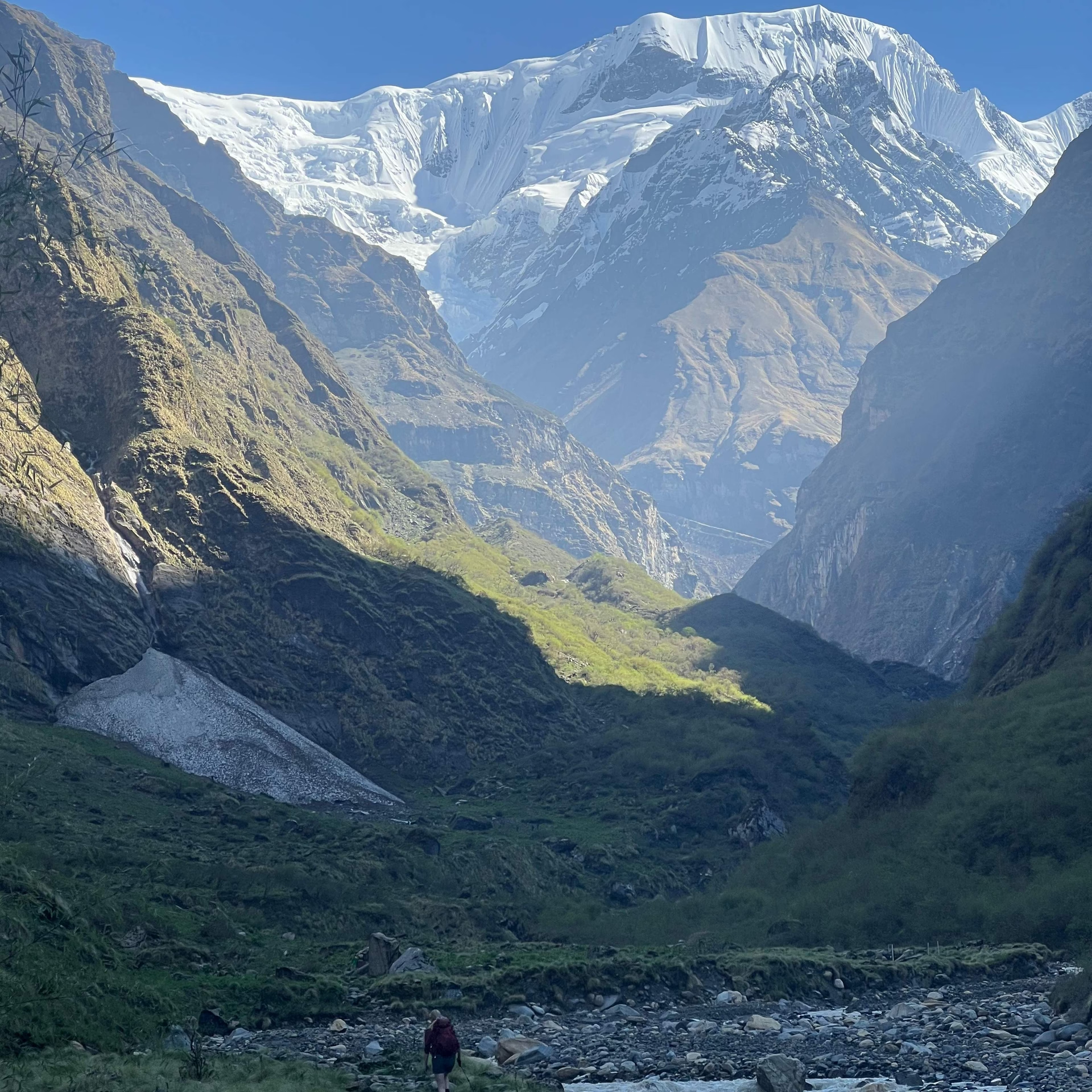
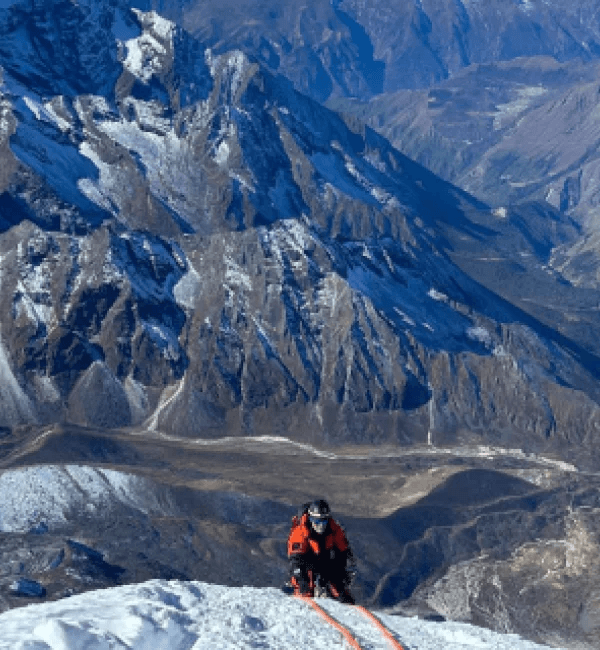
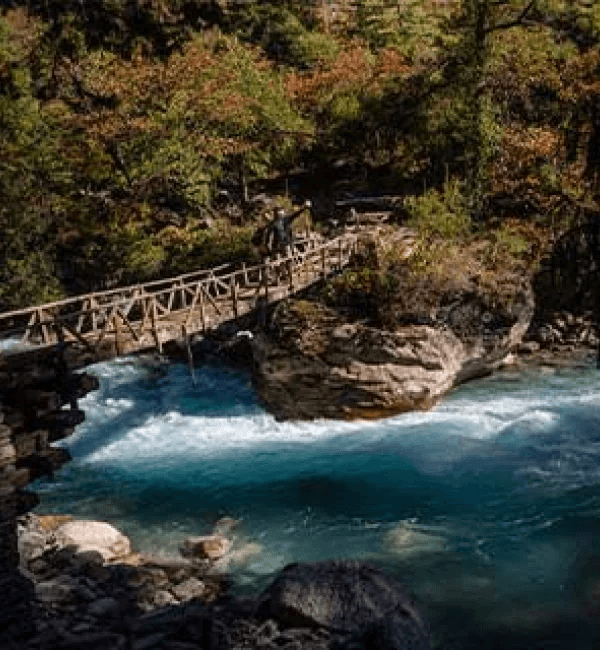
The Annapurna Base Camp Trek (4,130m) is a rewarding Himalayan adventure, but good preparation makes the experience safer, smoother, and more enjoyable. From physical fitness and altitude awareness to weather, packing, and local culture, understanding what to expect before the trek helps you travel with confidence.
Altitude & Acclimatization
The journey gradually ascends from the lower hills to Annapurna Base Camp at 4,130m. The increasing altitude can affect everyone differently, so maintaining a steady pace and allowing your body time to adapt is important. Stay well hydrated, eat regularly, get enough rest, and immediately inform your guide if you experience unusual symptoms such as persistent headache, dizziness, nausea, or unusual shortness of breath. Our experienced guides monitor your well-being throughout the trek and help manage the pace according to the group's condition.
Fitness & Trekking Preparation
The trek involves several hours of walking each day, with a combination of stone steps, gradual climbs, steep sections, and downhill trails. You do not need previous mountaineering or technical climbing experience, but a good level of fitness is recommended. Preparing several weeks in advance through regular walking, hiking, stair climbing, jogging, or other cardiovascular exercises will help build strength and endurance.
Weather & Trail Conditions
Weather in the Annapurna region can change quickly, particularly as you gain elevation. Lower areas may be warmer, while the upper sanctuary can be considerably colder, especially during mornings and nights. Depending on the season, you may encounter rain, snow, fog, strong winds, or slippery trails. Pack adaptable clothing and follow your guide's advice regarding daily trail conditions.
Packing & Equipment
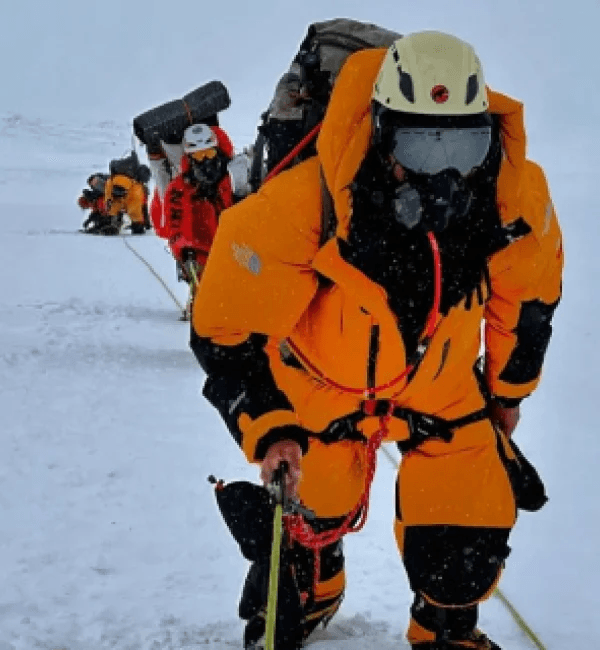
A well-planned backpack can make a major difference. Essential items include sturdy trekking boots, comfortable trekking clothes, thermal layers, waterproof jacket, warm jacket, gloves, hat, sunglasses, sunscreen, headlamp, reusable water bottle, personal medication, toiletries, and a suitable sleeping bag. Avoid unnecessary weight and bring only what you genuinely need for the trail.
Accommodation & Meals
Accommodation is generally arranged in local teahouses and trekking lodges, providing a simple and authentic Himalayan experience. Facilities become more basic at higher elevations. Meals commonly include local and international options, with dishes such as dal bhat, noodles, soups, rice, vegetables, pasta, eggs, and other energy-rich foods. Availability can vary according to location and season.
Hydration & Nutrition
Proper hydration and nutrition are essential during the trek. Drink water regularly rather than waiting until you feel thirsty, particularly at higher elevations. Carry a reusable bottle and use purification tablets, filters, or other reliable purification methods where appropriate. Eat sufficient carbohydrates, proteins, and warm meals to maintain energy during long trekking days.
Culture & Responsible Trekking
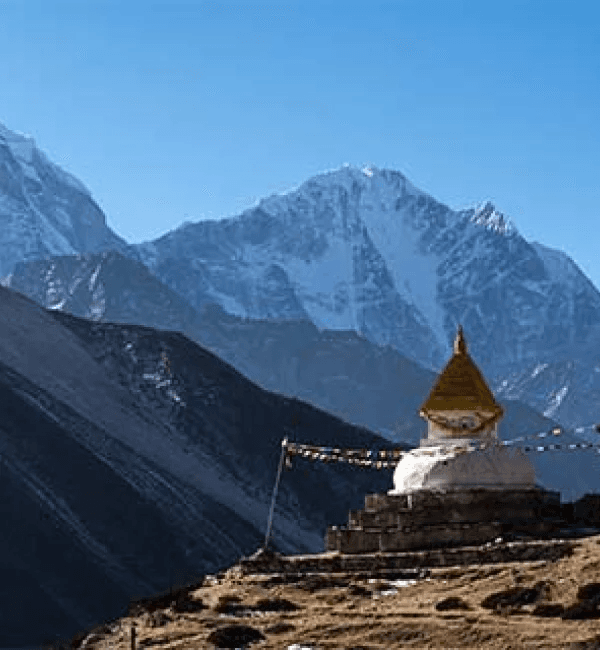
The trail passes through communities where Gurung and Magar traditions, Buddhist influences, and Himalayan hospitality are an important part of everyday life. Respect local customs, ask before photographing people, dress appropriately in villages and religious areas, and avoid disturbing local traditions. Keep the mountains clean by minimizing plastic waste, carrying rubbish until proper disposal points, and staying on established trails.
Safety & Guide Support
Safety is an essential part of a successful Himalayan journey. Peak 15 Adventure provides experienced local guides who assist with navigation, pacing, altitude awareness, accommodation, meals, and daily logistics. The trekking team keeps a close eye on weather, trail conditions, and the group's overall well-being and can recommend appropriate adjustments when necessary.
Communication & Connectivity
Mobile connectivity and internet access can be limited or inconsistent in remote sections of the trail. Inform family or friends about the trekking itinerary before departure and keep important contact details available offline. Carrying a power bank is also useful, as charging facilities may be limited or available at an additional cost in some lodges.
Cash & Personal Expenses
Carry enough Nepalese rupees in cash for personal expenses, snacks, drinks, charging, hot showers, tips, or other services along the trail. ATMs and reliable card-payment facilities are limited once you leave the major towns, so it is better to prepare your cash requirements in advance.
Trek with the Right Mindset
The Annapurna Base Camp Trek is not a race. Some days may feel easy, while others may challenge your legs and patience. Walk at a comfortable pace, appreciate the changing landscapes, stay flexible when conditions change, and allow yourself time to enjoy the villages, forests, mountains, and people along the way.
Prepare well. Walk mindfully. Respect the mountains. And let Peak 15 Adventure take you toward an unforgettable Himalayan experience.