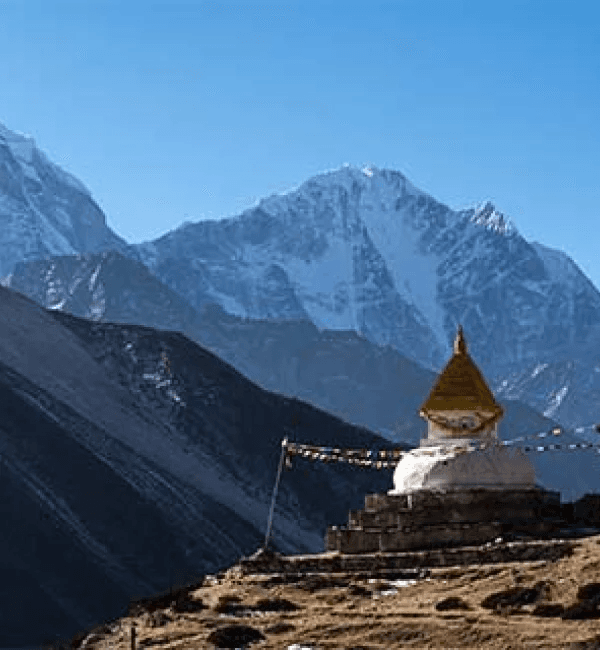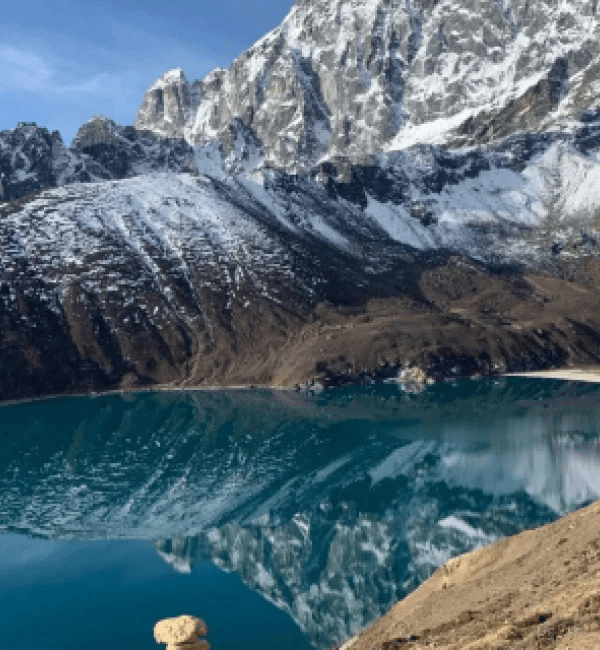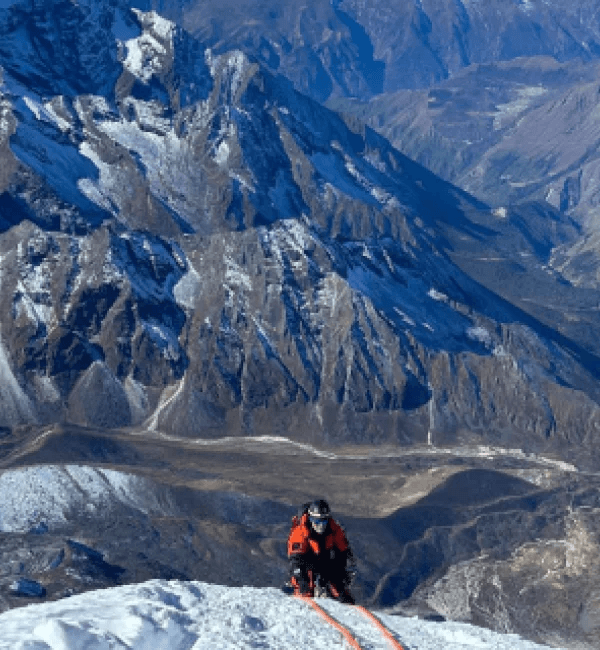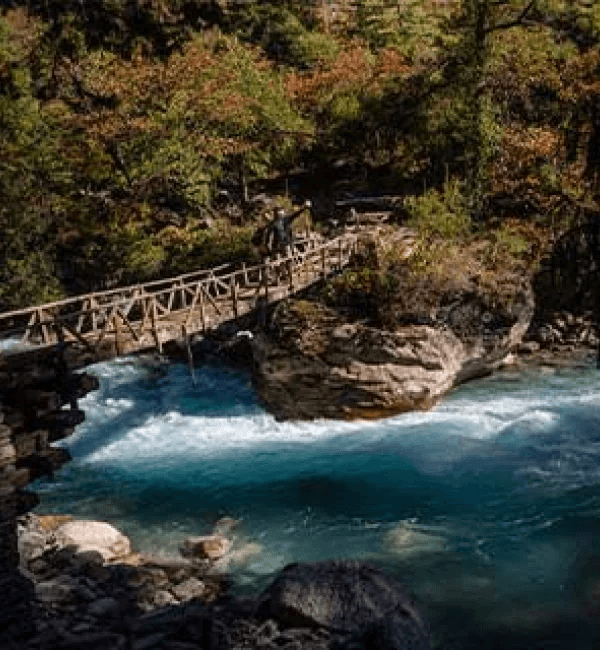
Welcome to Nepal! Upon your arrival at Tribhuvan International Airport in Kathmandu, a representative from Peak 15 Adventure will greet you and arrange your transfer to the hotel Barahi Kathmandu. After checking in, you can rest and recover from your journey while enjoying your first views of Nepal’s vibrant capital, surrounded by the distant Himalayan landscape. Depending on your arrival time, you may explore the nearby streets or relax at the hotel. This day marks the beginning of your Lhotse Expedition, with the days ahead dedicated to expedition preparations, essential formalities, and the journey toward the high Himalayas.
Why travellers love it
Climb the World’s Fourth-Highest Mountain: Take on the formidable Lhotse (8,516m), one of the most prestigious and demanding 8,000m peaks in the Himalayas.
Conquer the Legendary Lhotse Face: Ascend the iconic, steep and heavily glaciated Lhotse Face, where sustained climbing, altitude, and exposure make every movement count.
Experience the Everest–Lhotse Route: Journey through the spectacular Khumbu Valley, reaching Everest Base Camp and the shared lower approach before turning toward Lhotse’s distinct upper route.
Strategic High-Altitude Acclimatization: Follow a carefully planned expedition strategy featuring progressive acclimatization, rotation cycles, rest periods, and high-altitude climbing preparation designed for the demands of 8,000m.
Summit with Peak 15 Adventure: Pursue the summit under the guidance of an experienced expedition team, with professional Sherpa support, logistical coordination, and a safety-first approach throughout the climb.
Trip overview
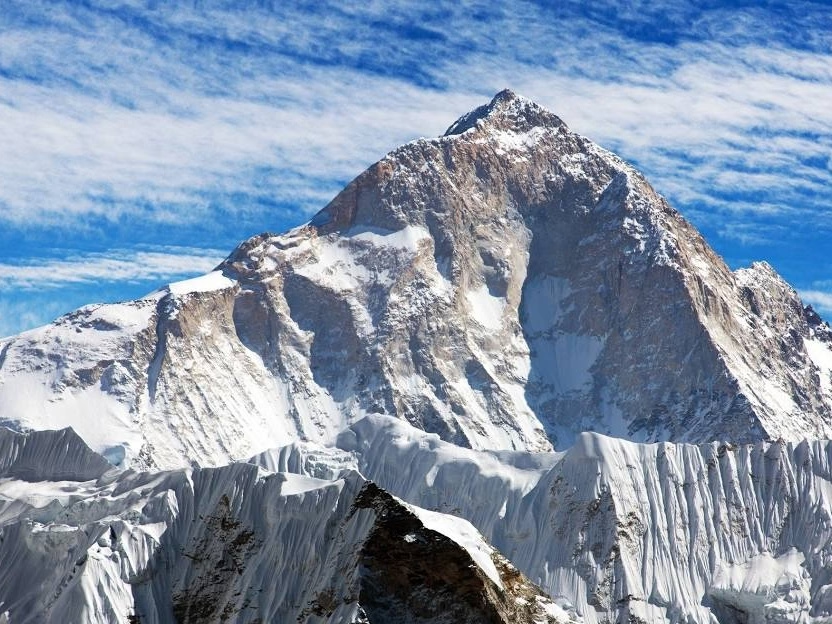
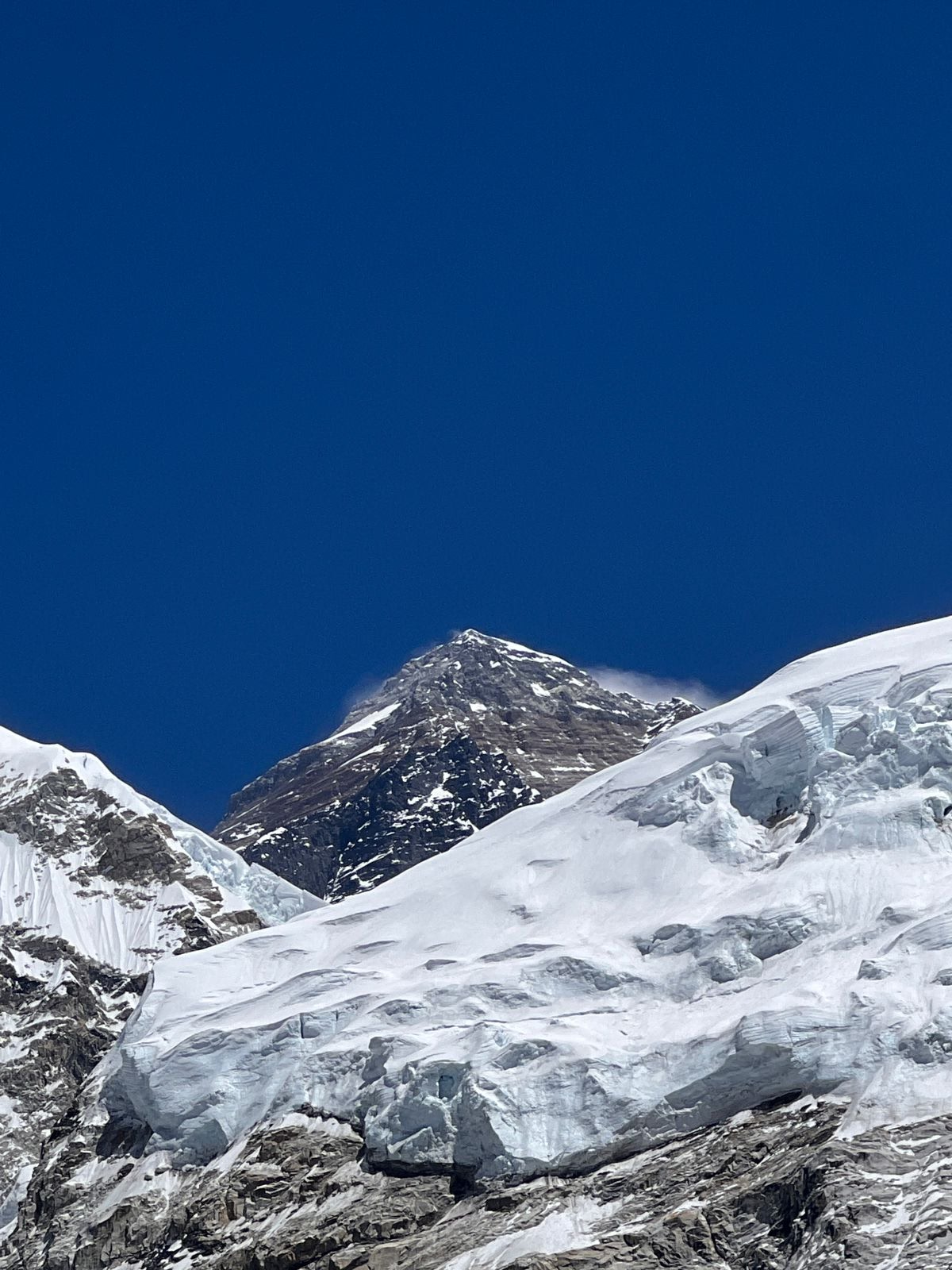
The Lhotse Expedition (8,516m) is a formidable high-altitude mountaineering adventure that takes climbers into the heart of the Nepalese Himalayas, where technical ability, physical endurance, and strategic decision-making become essential to success. Recognized as the world's fourth-highest mountain, Lhotse stands beside Mount Everest along the Nepal–Tibet border, sharing much of Everest's dramatic landscape while presenting a demanding summit objective of its own. For experienced mountaineers seeking an ambitious 8,000m peak, Lhotse offers an exceptional combination of steep snow and ice, glaciated terrain, extreme altitude, and a challenging final ascent.
Organized by Peak 15 Adventure, this expedition is designed for climbers who understand that reaching an 8,000m summit requires far more than strength and determination. Careful planning, progressive acclimatization, appropriate technical preparation, experienced high-altitude support, and sound judgment are central to the expedition. From the vibrant streets of Kathmandu to the remote mountain settlements of the Khumbu Valley, the journey gradually transitions from cultural discovery and trekking into a demanding mountaineering campaign at extreme altitude.
The Journey Through the Khumbu Valley
The expedition begins in Kathmandu, Nepal’s bustling capital, where the team completes essential expedition formalities, equipment checks, and final preparations. From there, a flight to Lukla opens the way into the legendary Khumbu region. The trekking approach follows a spectacular Himalayan trail through Sherpa settlements, suspension bridges, rhododendron forests, and mountain valleys, passing places such as Phakding, Namche Bazaar, Tengboche, Dingboche, and Lobuche. Along the way, acclimatization days allow climbers to adapt gradually to increasing elevation while experiencing the cultural richness and dramatic scenery of the Everest region.
As the trail climbs toward Lhotse Base Camp at approximately 5,364m, the landscape becomes increasingly rugged and glacial. The familiar trekking environment gives way to a world of ice, rock, crevasses, and towering Himalayan walls. Base Camp becomes the expedition’s operational hub, where climbers organize equipment, attend briefings, practice essential climbing techniques, and prepare for the demanding weeks ahead.
The Climbing Route: From Base Camp to the Summit
The standard Nepal-side route to Lhotse follows much of the same approach used by climbers attempting Everest. The ascent begins with the challenging Khumbu Icefall, a constantly changing maze of ice towers, crevasses, and unstable glacier formations. Crossing this terrain requires careful movement, appropriate equipment, and close coordination with the expedition team.
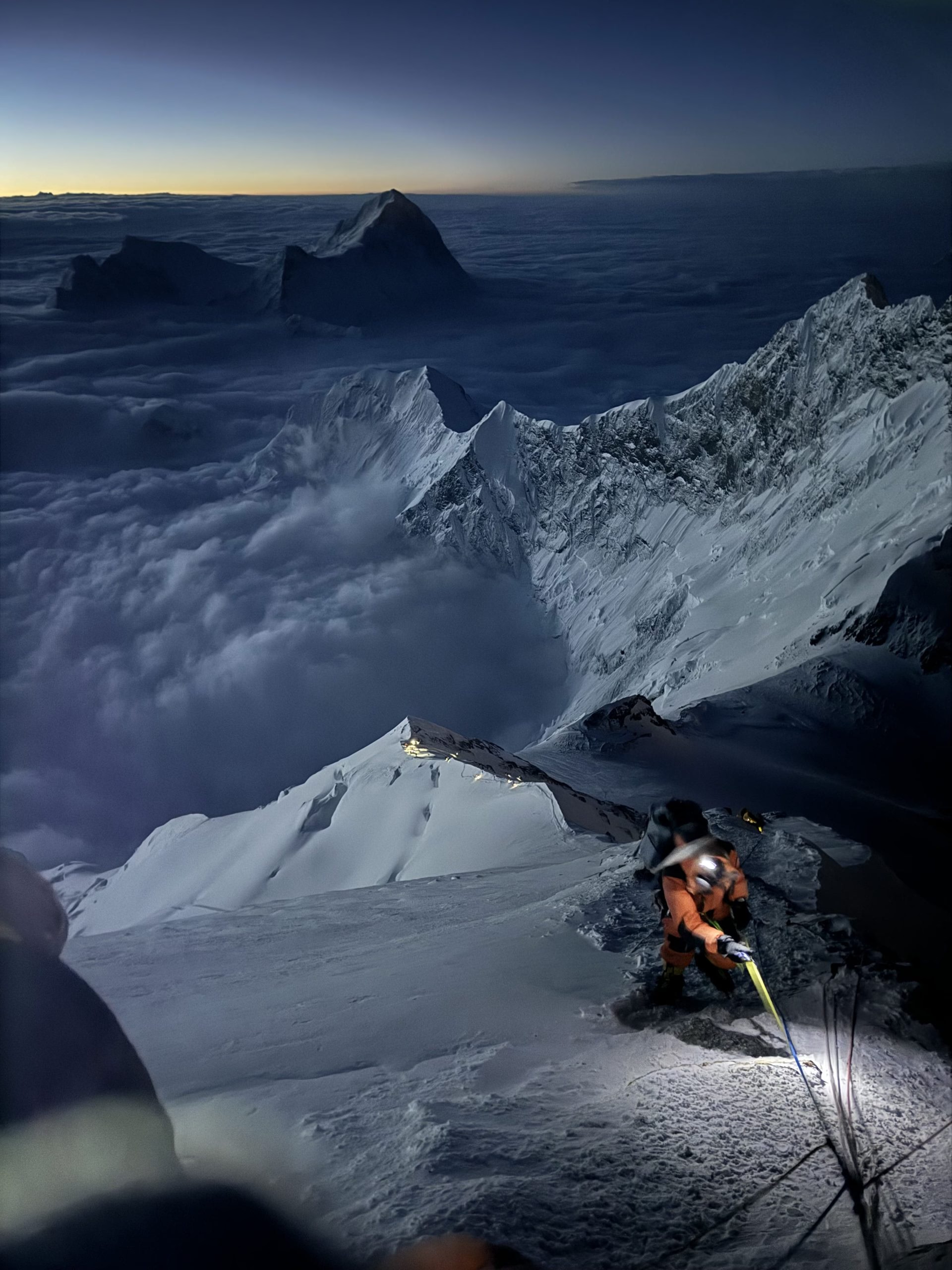
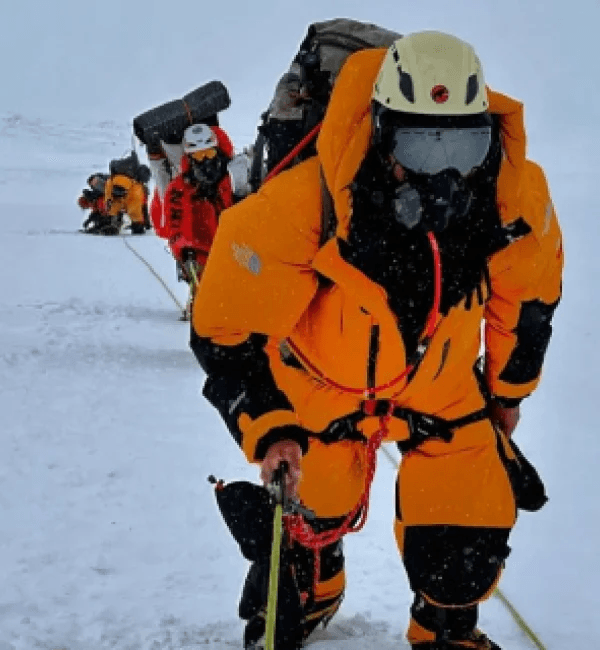
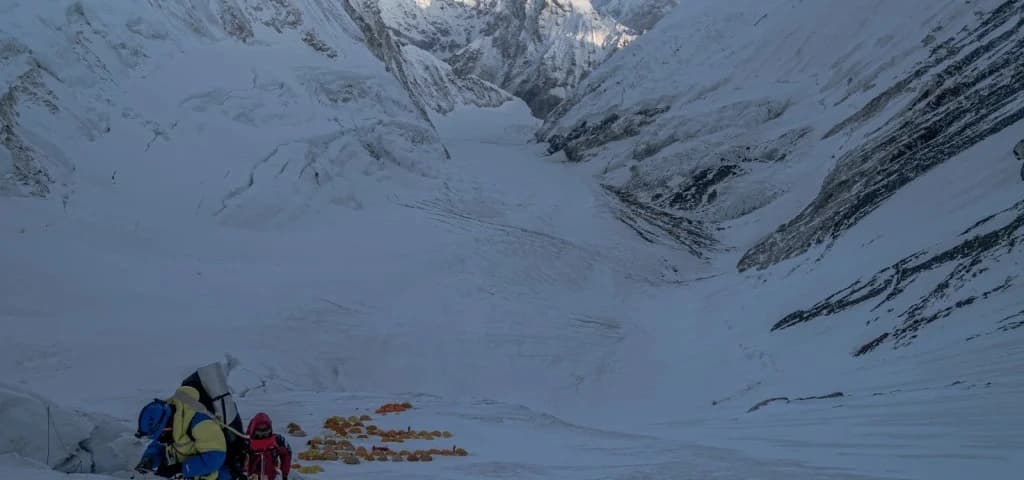
Beyond the Icefall, climbers enter the Western Cwm and continue toward higher camps before confronting the steep slopes of the Lhotse Face. This imposing wall of hard snow and ice is one of the defining features of the climb, demanding sustained effort on fixed ropes while the effects of extreme altitude become increasingly pronounced. The route eventually separates from Everest's standard line, leading toward the upper Lhotse route and the narrow Reiss Couloir, a technically demanding passage near the summit.
The final ascent to Lhotse’s main summit at 8,516m is a test of endurance, precision, and sound judgment. At this altitude, even familiar climbing movements become exhausting, and small decisions can carry serious consequences. Summit success depends not only on physical preparation but also on suitable weather, stable route conditions, effective acclimatization, and the ability to recognize when continuing is no longer safe.
Acclimatization, Rotation, and Summit Strategy
At Peak 15 Adventure, we recognize that an 8,000m expedition must be approached as a carefully managed process rather than a race to the summit. After establishing Base Camp, climbers undertake planned acclimatization rotations through progressively higher camps, allowing their bodies to adapt to reduced oxygen availability while becoming familiar with the route and climbing conditions.
These rotations are balanced with recovery periods, equipment preparation, hydration, nutrition, and regular assessments of each climber’s condition. Depending on the expedition plan, supplemental oxygen may be used during the higher stages of the ascent. The team also monitors weather forecasts and waits for a suitable summit window before committing to the final push. The schedule must remain flexible because altitude-related illness, deteriorating weather, and changing mountain conditions can require adjustments to the original plan.
Who Is the Lhotse Expedition For?
The Lhotse Expedition is intended for experienced mountaineers with excellent physical conditioning, established high-altitude experience, and the technical skills required for sustained snow and ice climbing. Previous experience on demanding Himalayan peaks, familiarity with fixed ropes, proficiency with crampons and ice axes, and the ability to function effectively in severe cold are essential foundations for this undertaking.
Climbers should also be prepared for prolonged periods at altitude, challenging living conditions, uncertain weather, and the mental demands of a long expedition. Lhotse is not an appropriate first major mountaineering objective for beginners. Thorough preparation, realistic expectations, and a willingness to prioritize safety over summit ambition are fundamental to undertaking this mountain responsibly.
Climb Lhotse with Peak 15 Adventure
With Peak 15 Adventure, the Lhotse Expedition is approached through detailed planning, experienced high-altitude support, coordinated logistics, and a commitment to responsible mountaineering. From the initial preparations in Kathmandu to the climbing operations at Base Camp and the final summit attempt, each phase requires teamwork, discipline, and respect for the mountain.
Lhotse offers more than the distinction of standing on the world's fourth-highest summit. It presents an opportunity to test personal limits on a mountain where technical climbing and extreme altitude converge. For climbers ready to undertake this challenge, the journey is an extraordinary Himalayan undertaking-one that rewards preparation, patience, resilience, and sound decisions at every stage.
The summit is the objective, but the quality of every decision along the way defines the expedition.
Itinerary
- Day01Day 01
Arrival in Kathmandu (1,400m) and Transfer to the Hotel
- MealsD
- AccommodationHotel Barahi
- Travel Duration30–60 minutes
- RouteTribhuvan International Airport, Kathmandu to Kathmandu
- TransportationPrivate Vehicle
- Elevation1,400m to 1,400m
- Day02Day 02
Gear Check, Official Formalities & Final Preparation in Kathmandu (1,400m)
Today is dedicated to preparing for your Lhotse Expedition (8,516m). After breakfast, the Peak 15 Adventure team will review your personal mountaineering equipment to ensure that essential clothing, technical gear, and high-altitude supplies are ready for the expedition. You will also complete the necessary official formalities and review important expedition details with the team. If required, you can use your remaining free time for final personal gear shopping in Kathmandu, picking up any missing essentials before heading into the Khumbu region. The rest of the day is available for relaxation, personal activities, and mental preparation for the demanding journey ahead.
- AccommodationHotel
- RouteKathmandu to Kathmandu
- Elevation1,400m to 1,400m
- Day03Day 03
Fly from Kathmandu (1,400m) to Lukla (2,800m) & Trek to Phakding (2,640m)
After breakfast, you will transfer to the airport for a scenic flight to Lukla (2,800m), the gateway to the Everest region. The short flight offers spectacular views of Nepal's rolling hills and Himalayan peaks as you approach the mountain airstrip. Upon arrival, you will meet the local trekking crew, organize your luggage, and begin trekking toward Phakding. The trail winds through traditional Sherpa settlements, forested paths, and picturesque valleys, with views of the Dudh Koshi River accompanying much of the walk. After a gradual descent, you will reach Phakding (2,640m), where you can settle into a teahouse and rest before continuing deeper into the Khumbu region.
- MealsB/L/D
- AccommodationTeahouse
- Travel Duration30–40 minutes or 3–4 hours
- RouteKathmandu to Lukla to Phakding
- TransportationFlight or Trekking
- Elevation1400m to 2,800m to 2,640m
- Day04Day 04
Trek from Phakding (2,640m) to Namche Bazaar (3,446m)
After breakfast, you will continue your journey through the beautiful Khumbu Valley toward Namche Bazaar (3,446m), the vibrant Sherpa trading hub and a major acclimatization stop on the route to Lhotse. The trail follows the Dudh Koshi River, crossing suspension bridges draped with colorful prayer flags and passing through charming settlements such as Monjo and Jorsale. After entering Sagarmatha National Park, the route involves a sustained uphill climb through pine forests toward Namche Bazaar. Weather permitting, you may catch your first distant views of Mount Everest and surrounding Himalayan peaks along the way. Upon arrival, settle into your teahouse and enjoy a well-earned rest as you prepare for the higher elevations ahead.
- MealsB/L/D
- AccommodationTeahouse
- Travel Duration6–7 hours
- RoutePhakding to Namche Bazaar
- TransportationTrekking
- Elevation2,640m to 3,446m
- Day05Day 05
Acclimatization at Namche Bazaar (3,446m) – Hike to Everest View Hotel (3,880m)
Today is dedicated to acclimatization at Namche Bazaar (3,446m), allowing your body to adjust to the increasing altitude before continuing toward Lhotse. After breakfast, you will take a gradual uphill hike toward the renowned Everest View Hotel (3,880m), enjoying spectacular panoramas of Mount Everest, Lhotse, Ama Dablam, and other surrounding Himalayan peaks, weather permitting. This hike follows the principle of climbing higher during the day and returning to a lower elevation to sleep, helping support the acclimatization process. After spending some time enjoying the mountain scenery, you will descend to Namche Bazaar, where the rest of the day is available for relaxation, hydration, and exploring the lively Sherpa town. A comfortable night at Namche will help prepare you for the onward trek.
- MealsB/L/D
- AccommodationTeahouse
- Travel Duration3–4 hours
- RouteNamche Bazaar to Everest View Hotel, returning to Namche Bazaar
- Transportationhiking, round trip
- Elevation3,446m to 3,880m to 3,446m
- Day06Day 06
Trek from Namche Bazaar (3,440m) to Tengboche (3,860m)
After breakfast, you will leave Namche Bazaar and follow a scenic trail along the hillside, offering magnificent views of Everest, Lhotse, Nuptse, and Ama Dablam, weather permitting. The route passes through forests, small settlements, and prayer-flag-decorated paths before descending toward the Dudh Koshi River at Phunki Tenga. From there, a steady uphill climb through beautiful woodland leads to Tengboche (3,860m), home to the famous Tengboche Monastery, one of the most significant Buddhist monasteries in the Khumbu region. Upon arrival, you can explore the surroundings and enjoy the peaceful mountain atmosphere before resting for the next stage of the expedition.
- MealsB/L/D
- AccommodationTeahouse
- Travel Duration5–6 hours
- RouteNamche Bazaar to Tengboche
- TransportationTrekking
- Elevation3,440m to 3,860m
- Day07Day 07
Trek from Tengboche (3,860m) to Dingboche (4,410m)
After breakfast, you will continue deeper into the Khumbu Valley toward Dingboche (4,410m). The trail initially descends through rhododendron and conifer forests toward Debuche before crossing the Imja Khola on a suspension bridge. You will pass traditional Sherpa settlements, mani walls, and open alpine landscapes as the trail gradually climbs toward Pangboche, with impressive views of Ama Dablam and surrounding Himalayan peaks. Beyond Pangboche, the vegetation becomes sparser and the terrain increasingly rugged as you approach Dingboche, a settlement surrounded by stone-walled fields and dramatic mountain scenery. Upon arrival, settle into your teahouse and rest as the effects of altitude become more noticeable.
- MealsB/L/D
- AccommodationTeahouse
- Travel Duration5–6 hours
- RouteTengboche to Dingboche
- TransportationTrekking
- Elevation3,860m to 4,410m
- Day08Day 08
Acclimatization Day at Dingboche (4,410m)
Today is dedicated to acclimatization at Dingboche (4,410m), allowing your body to adjust to the reduced oxygen levels before moving toward higher elevations. After breakfast, you may take an acclimatization hike toward Nagarjun Hill or another suitable viewpoint above the village, depending on your condition and the expedition team's advice. The uphill walk offers panoramic views of Ama Dablam, Island Peak, and the surrounding Himalayan landscape. Returning to Dingboche for the night follows the principle of gaining elevation during the day and sleeping lower. The remaining time is reserved for rest, hydration, nutrition, and checking your personal equipment as you prepare for the approach to Everest Base Camp and the Lhotse climbing phase.
- MealsB/L/D
- AccommodationTented Camp
- RouteDingboche to Dingboche
- TransportationAcclimatization hike above Dingboche
- Elevation4,410m to 4,410m
- Day09Day 09
Trek from Dingboche (4,410m) to Lobuche (4,910m)
After breakfast, you will resume trekking toward Lobuche (4,910m), following a trail through increasingly rugged and exposed alpine terrain. The route gradually ascends toward Dughla, where you will take a break before climbing the steep section to the memorials dedicated to climbers who lost their lives on the surrounding Himalayan peaks. This solemn site offers a moment to reflect on the challenges and risks of high-altitude mountaineering. From there, the trail continues across a rocky landscape alongside the Khumbu Glacier, with views of towering peaks and glacial valleys. As you approach Lobuche, the air becomes thinner and the environment more demanding, making a steady pace and regular hydration especially important.
- MealsB/L/D
- AccommodationTeahouse
- Travel Duration5–6 hours
- RouteDingboche to Lobuche
- TransportationTrekking
- Elevation4,410m to 4,910m
- Day10Day 10
Trek from Lobuche (4,910m) to Everest Base Camp (5,364m)
Today, you will continue toward Everest Base Camp (5,364m), following a challenging high-altitude trail through the rocky terrain beside the Khumbu Glacier. After leaving Lobuche, the route leads toward Gorakshep, the final seasonal settlement on this approach, where you can take a break before continuing to Base Camp. The trail crosses uneven glacial moraine and requires careful footing as you move through the stark landscape beneath Everest, Nuptse, and other towering Himalayan peaks. Upon reaching Everest Base Camp, you will enter the operational staging area for your Lhotse Expedition, where the trekking journey transitions toward the more technical mountaineering phase. After taking in the remarkable surroundings, you will settle into the designated expedition camp and prepare for the work ahead.
- MealsB/L/D
- AccommodationEverest Base Camp
- Travel Duration6–8 hours
- RouteLobuche to Everest Base Camp
- TransportationTrekking
- Elevation4,910m to 5,364m
- Day11Day 11
Rest and Expedition Preparation at Everest Base Camp (5,364m)
Today is reserved for rest, acclimatization, and final preparation at Everest Base Camp (5,364m), the main operational hub for the standard Nepal-side Lhotse route. After breakfast, you will have time to recover from the trek while the expedition team reviews equipment, checks essential climbing gear, and discusses the upcoming climbing schedule. You may participate in briefings covering route conditions, high-altitude safety, communication procedures, and the planned rotations between Base Camp and the higher camps. The team will also review the importance of hydration, nutrition, personal health monitoring, and following established climbing protocols. Use the day to organize your equipment, rest properly, and prepare mentally for the demanding weeks ahead on Lhotse. The precise climbing schedule will depend on acclimatization progress, weather forecasts, and route conditions.
- MealsB/L/D
- AccommodationTented Camp
- RouteEverest Base Camp to Everest Base Camp
- Transportationrest, briefings, and expedition preparation
- Elevation5,364m to 5,364m
- Day12Day 12
Climbing Period – Lhotse Summit (8,516m) and Return to Base Camp
Days 12 to 53 are dedicated to the main climbing phase of the Lhotse Expedition (8,516m), including acclimatization rotations, technical climbing, high-altitude preparation, summit attempts, and descent. During this period, climbers gradually progress from Everest Base Camp toward the higher camps, allowing their bodies to adapt to the extreme altitude while gaining experience on the route. The schedule remains flexible to accommodate weather conditions, route safety, and individual acclimatization needs.
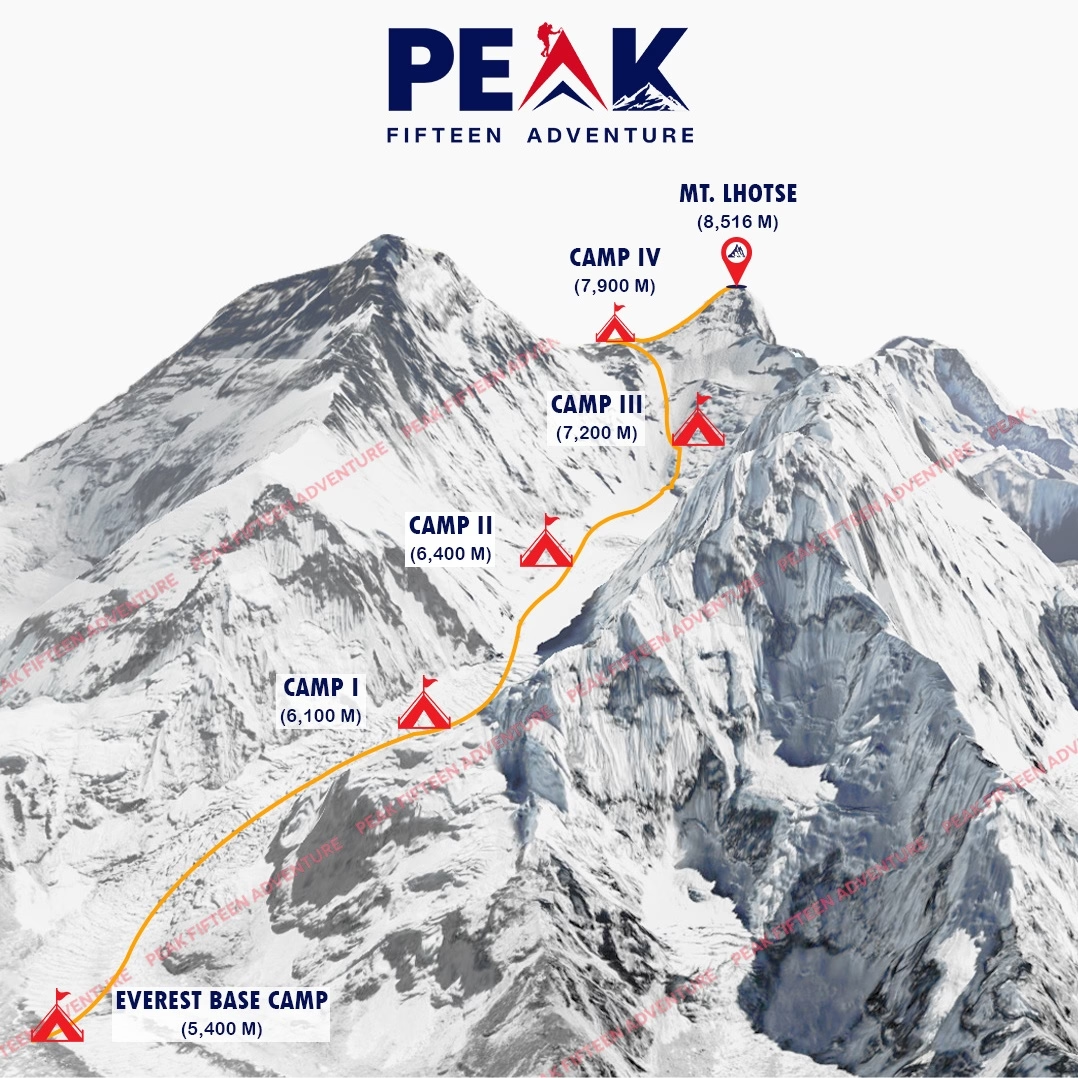
The climbing phase begins at Everest Base Camp (5,364m), where the Peak 15 Adventure team conducts equipment checks, safety briefings, and route planning. Climbers then approach the Khumbu Icefall, a challenging glacial section featuring crevasses, ice formations, and fixed ladders. Beyond the Icefall, the route continues through the Western Cwm toward the higher camps.
Camp I (approximately 6,065m): An important staging point beyond the Khumbu Icefall for acclimatization and onward movement.
Camp II (approximately 6,400m): Located in the Western Cwm, this camp serves as a major operational base for further rotations and preparation.
Camp III (approximately 7,200–7,300m): Positioned on the steep Lhotse Face, this section requires efficient fixed-rope techniques, careful pacing, and strong technical skills.
Camp IV / South Col (approximately 7,900–8,000m): The high-altitude staging point for the summit push, depending on route conditions and the expedition plan.
The defining challenge is the Lhotse Face, where steep snow and ice, fixed ropes, extreme cold, and diminishing oxygen make every movement demanding. From the upper camps, climbers continue toward the technically challenging Reiss Couloir, which leads to the final ascent of Lhotse's summit at 8,516m. The summit attempt is undertaken only when weather, route conditions, and climber readiness allow. After reaching the summit, climbers descend carefully through the higher camps toward Everest Base Camp.
The remaining days provide flexibility for rest, recovery, additional acclimatization, weather delays, and contingency plans. Throughout the climbing period, Peak 15 Adventure emphasizes experienced climbing support, careful planning, and responsible decision-making. Summit success is never guaranteed, and safety remains the priority at every stage.
- MealsB/L/D
- AccommodationTented Camp
- Travel Duration42 days
- RouteEverest Base Camp to Lhotse Summit, followed by descent to Everest Base Camp
- Transportationacclimatization rotations, climbing, summit attempts, descent, and contingency periods
- Elevation5,364m to 5,364m
- Day42Day 42
Back to Lukla
Trek from Namche Bazaar to Lukla
- Day43Day 43
Back to Kathamndu
Fly from Lukla to Kathmandu & transfer to Hotel
- Day44Day 44
Rest Day
Rest / Leisure day in Kathmandu.
- Day45Day 45
Back to Home
Departure from Kathmandu to your own Homeland.
- Day54Day 54
Back to Namche Bazar
Trek from Pheriche to Namche Bazaar
Are you looking to customize the trip itinerary?
If the provided schedule is not suitable for you, we can create a personalized travel arrangement tailored to your preferences and requirements.
Cost breakdown
- What's included
Pick up & drop : Pick up & drop off services for both international & domestic flights as per the itinerary.
Hotel in Kathmandu : 04 nights hotel 4-star category in Kathmandu on BB Plan. 3 nights before and 2 nights after the expedition.
Welcome Dinner : One welcome and farewell dinner in a typical Nepali restaurant in Kathmandu.
Domestic Flights : Both-ways domestic flight via Ramechhap (Ktm – Lukla – Ktm) with airport tax. Early morning 5 hrs. drive from Kathmandu to Ramechap and further domestic flight to Lukla.
Land Transport : Necessary Land and air domestic transportation and cargo for our overall expedition crew.
Climbing permit : Climbing permit for Lhotse (8,516m), Sagarmatha National Park and local development committee entry fees.
Ice fall Fees : Khumbu Ice-fall fee.
Rope Fixing fees : Summit route fixing charge for climbing Mt. Lhotse
Laision Officer : 01 Nepal government official liaison officer.
Garbage Management Fees : Garbage management and disposal fees.
HRA Medical service : HRA medical camp provides emergency medical service at a certain charge
Staff insurance : High altitude, medical and helicopter rescue insurance for involved Nepalese Staff.
Member Personal Luggage : Maximum 60 kgs per member as a personal baggage. ( 01 Member : 2 Porter for Personal Luggage carry)
Porters/Mule/Dunkey/Yaks : Necessary porters/Mule/Dunkey/Yaks up to the base camp and return from the base camp for logistic transfer for expedition
Basecamp Staffs : Experienced base camp Sirdar, cook and kitchen helpers at basecamp.
Meal at Basecamp : Freshly cooked meals (B, L, D) at base camp: Continental, Nepali, Chinese and Indian food with hot drinks, tea & coffee will be served.
Fresh vegetable : Fresh green vegetables, fresh meat, fresh fruits, juice and drinks will be regularly served at base camp.
Member Box Tent : Each member will be provided an individual tent (Box tent), mattress and pillow at base camp.
Common equipment at base camp: Dinning tent, kitchen tent, communication tent, toilet tent, shower tent, tables and chairs, heater etc.
Light at Basecamp : Generator and solar system for charging electronic devices at base camp
Camp II service: Member dinning tent with table & chairs, kitchen tent, toilet tent will be provided with cook & kitchen helpers.
High Camp Services: Member sleeping tent (2 members: 1 tent), shovel, extra ropes, EPI gas, gas burner (MSR Rector) and coffle set
High Food : High food like muesli, porridge, oats, noodles, plane rice, soup items, green tea, milk, coffee, dry fruits, chocolate bar etc.
Internet Service at Basecamp : Internet service available at base camp (with a nominal charge).
Sat Phone : Satellite phone is available for emergency call at US $5 per minute
Walkie-Talkie set : Walkie-Talkie set for communicating from base camp to higher camps and higher camps to base camp.
Weather forecast : Weather forecast during the entire expedition
Mountain/Climbing Guide: 01 Member: 01 One veteran and highly experienced climbing guide.
Oxygen : 03 bottles of branded oxygen of per member and 02 bottles per climbing guide.
Mask & Regulator : Summit brand mask and regulator set for each member and climbing guide.
Backup oxygen Bottles : Backup oxygen bottles and mask regulator set (Chargeable as per use).
First aid medical kits at Basecamp
Member's duffle bag : Peak 15 Adventure’s duffle bag & outdoor cap ( if Required)
Service Charges : Nepal government taxes and company service charge
Summit Certificate: Lhotse summit certificate will be provided by Nepal Government after the successful ascent of the peak (Note: Photos & videos of Lhotse summit must be provided for final verification).
- What's not included
International flights : International flights to/from Kathmandu.
Nepal Entry Visa : Nepal entry visa fee (to be applied for 90 days).
Personal Gear : All the personal climbing gears and equipment.
Persona expenses : Personal expenses (tips, laundry, drinks).
Unforeseen Cost : Costs from delays due to weather or itinerary changes.
Emergency Rescue : Emergency rescue costs beyond insurance.
Meals at KTM : Meals in Kathmandu not specified in the package.
Filming Permit : Drone and special filming permit.
Personal Insurance with emergency evacuation : Travel, medical and emergency high altitude helicopter rescue insurance (Minimum coverage US $50,000). This is mandatory for all the participants
Summit bonus & Tips : Summit bonus US $1,800/- for each climbing guide and US $400 for kitchen helpers must be hand over in cash at base camp after the successful ascent of the peak also please calculate some tips for trek guide and porters.
Any other services which are not mentioned in the service includes.
Upcoming departures
Apr 14 – May 29, 2027
Available
—
All prices per person, twin share. Subject to availability — Lhotse (8,516m) Expeditions dates fill quickly in peak season.