Peak15Adventure

Pisang Peak (6,091m) Climbing

Pisang Peak (6,091m) Climbing is a rewarding Himalayan climbing adventure that combines the classic landscapes of the Annapurna region with the challenge of ascending one of Nepal’s most accessible trekking peaks. Rising dramatically above the Manang Valley, the mountain offers a progressive climbing experience, from scenic high-altitude trekking and acclimatization to glacier travel, fixed-rope sections, and the final summit ascent. With a carefully planned itinerary, experienced climbing Sherpa support, and dedicated acclimatization days, Peak 15 Adventure takes you beyond the ordinary-toward a summit where the Annapurna and Manaslu ranges unfold across an unforgettable Himalayan panorama.

Duration
21 days
Max Altitude
6091 m
Destination
Nepal
Activity
Peak Climbing
Accommodation
Teahouse
Group Size
2-6
Transport
Private Vehicle & Flight
Meals
B-L-D
Season
April-May & Sep-Oct
Difficulty
Moderate

Why travellers love it

  • Climb Pisang Peak (6,091m) - a classic Himalayan summit combining trekking adventure with a genuine mountaineering experience.

  • Explore the legendary Annapurna Circuit through dramatic valleys, high-altitude landscapes, and traditional Himalayan settlements.

  • Progressive acclimatization and climbing preparation designed to help you adapt safely to increasing altitude before the summit attempt.

  • Technical climbing experience involving snow, ice, steep sections, and fixed-rope techniques under the guidance of experienced climbing Sherpa support.

  • Cross the Thorong La Pass (5,416m) and experience one of the most iconic high mountain passes in the Annapurna region.

  • Panoramic Himalayan views of Annapurna, Manaslu, Lamjung Himal, Dhaulagiri, and surrounding peaks from high on the route.

  • Summit-focused expedition support with experienced guides, carefully planned logistics, and contingency planning for changing mountain conditions.

Trip overview

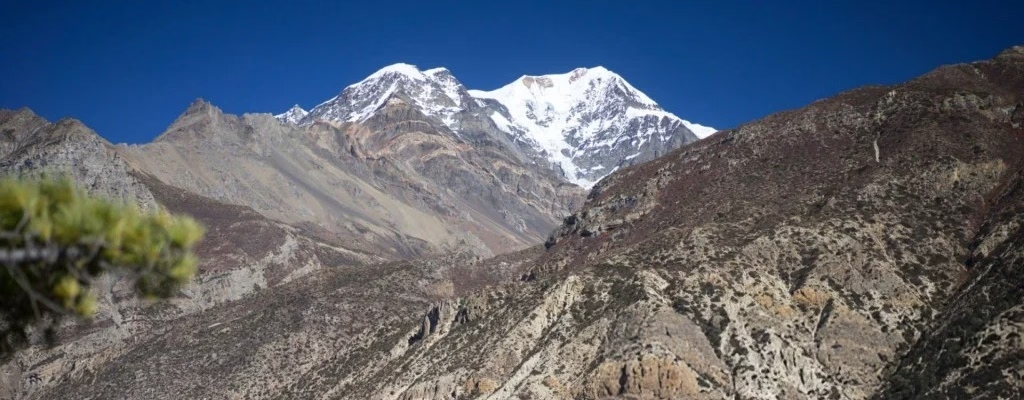
Pisang Peak (6,091m) Climbing is a classic Himalayan climbing journey that combines the cultural richness and spectacular landscapes of the Annapurna region with the commitment of a high-altitude summit expedition. Rising above the village of Pisang in the upper Manang Valley, the peak forms an impressive pyramid against the Annapurna skyline and offers an engaging progression from long-distance trekking to genuine alpine climbing. For adventurers seeking to step beyond conventional trekking, Pisang Peak provides an opportunity to develop practical mountaineering skills while pursuing a rewarding Himalayan summit.

The expedition begins with the approach into the Annapurna Circuit, following trails through subtropical valleys, pine and rhododendron forests, deep river gorges, and increasingly arid mountain terrain. As the route gains altitude, the landscape changes dramatically. Villages such as Chame, Upper Pisang, Manang, and surrounding settlements reveal the distinctive Tibetan-influenced culture of the high Himalaya, while the towering walls of Annapurna II, Annapurna III, Gangapurna, Tilicho Peak, and surrounding peaks create an extraordinary mountain backdrop.

A carefully structured acclimatization programme is central to the expedition. Time is allowed in the Manang Valley to adjust to the increasing elevation before moving toward Pisang Peak Base Camp. Rather than treating acclimatization as downtime, the expedition uses these days to prepare the body and mind for the climbing phase, while guides assess trail and weather conditions and ensure that climbers are properly prepared for higher terrain.

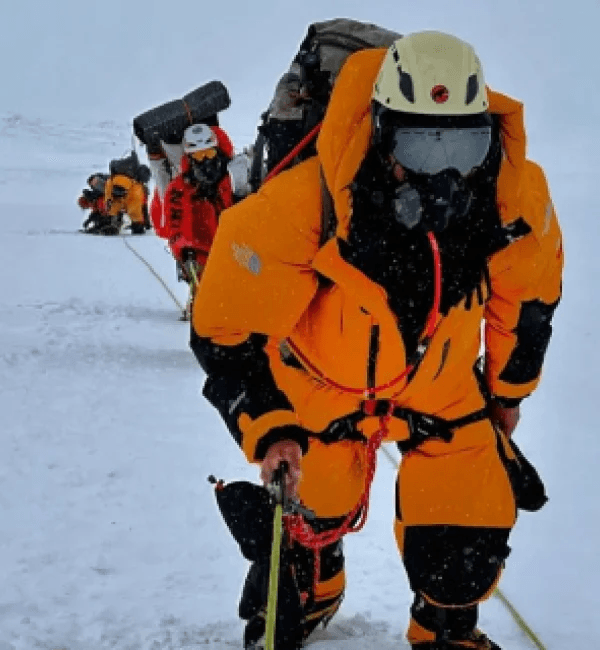
From Base Camp, the character of the journey changes. The route moves onto steeper mountain terrain, requiring greater concentration, efficient movement, and familiarity with climbing equipment. At High Camp, climbers prepare for the summit push, with an early start normally planned to take advantage of stable conditions. The ascent involves sustained effort on snow and ice, and depending on seasonal conditions, sections may require the use of fixed ropes and appropriate climbing techniques. Experienced climbing Sherpa support helps manage the technical aspects while maintaining a controlled and safety-conscious pace.

The summit attempt is the defining moment of the expedition. Reaching 6,091m demands endurance, determination, sound acclimatization, and careful decision-making. From the summit, climbers are rewarded with expansive views across the Annapurna and Manaslu ranges and the immense valleys of central Nepal. The descent then becomes an equally important part of the expedition, as tiredness and changing conditions require continued attention and disciplined movement.

The journey continues through the spectacular Thorong La Pass (5,416m) before descending toward Muktinath and the contrasting landscapes of the Kali Gandaki Valley. This combination of Himalayan trekking, cultural encounters, high-altitude acclimatization, and technical climbing gives the Pisang Peak expedition its distinctive character.

With Peak 15 Adventure, the objective is not simply to reach the summit, but to create a well-managed expedition from preparation to return. Our approach combines experienced mountain leadership, carefully planned acclimatization, climbing support, logistical coordination, and contingency planning for the realities of Himalayan weather and terrain. Pisang Peak is where the Annapurna Circuit becomes a climbing expedition—and where a trekking journey can evolve into a genuine Himalayan summit experience.

Itinerary

  • Day 01

    Arrival in Kathmandu (1,400m) & transfer to hotel

    Your Pisang Peak (6,091m) Climbing adventure begins with your arrival in Kathmandu, the vibrant gateway to Nepal’s Himalayan expeditions. Upon landing at Tribhuvan International Airport, a representative from Peak 15 Adventure will welcome you and arrange your transfer to the hotel. After check-in and some time to rest, you can explore the lively streets of Kathmandu or simply recover from your journey.

    Later, the expedition team will conduct a pre-trip briefing, introducing you to your climbing guides and outlining the route, acclimatization strategy, equipment requirements, safety procedures, and upcoming logistics. Your climbing equipment can also be checked and organized at this stage to ensure everything is ready before heading toward the Annapurna region.

    This first day is intentionally relaxed, allowing you to recover from international travel while preparing mentally and physically for the demanding days ahead. The expedition officially begins tomorrow as we leave Kathmandu and drive toward the mountain.

    • MealsD
    • AccommodationHotel
    • RouteKathmandu
    • Elevation1400m
  • Day 02

    Gear Check, Official Meeting, Final Shopping & Welcome Dinner

    Today is dedicated to getting fully prepared for the Pisang Peak (6,091m) expedition. After breakfast, you will meet the Peak 15 Adventure expedition team for an official briefing and introduction to your climbing guides. The team will review the complete itinerary, trekking and climbing route, acclimatization strategy, expected mountain conditions, safety procedures, and important considerations for the summit attempt.

    A detailed gear inspection follows, ensuring that your personal and climbing equipment is appropriate for the high-altitude environment. Essential items such as mountaineering boots, crampons, harness, helmet, ice axe, ascender, warm layers, gloves, goggles, sleeping equipment, and other technical gear will be checked. If anything is missing or requires replacement, your guide will help you identify suitable equipment.

    You will then have time for final shopping in Kathmandu, allowing you to purchase any remaining trekking essentials, snacks, personal supplies, or equipment before leaving for the Annapurna region. The remainder of the day is kept relaxed so you can organize your bags and prepare for the journey ahead.

    In the evening, the team gathers for a welcome dinner, offering an opportunity to meet fellow climbers, guides, and support staff in a relaxed setting. It is also the perfect moment to discuss expectations for the expedition before the journey officially moves into the mountains.

    • MealsB
    • AccommodationHotel
    • RouteKathmandu to Kathmandu
    • Elevation1,400m to 1,400m
  • Day 03

    Drive from Kathmandu to Dharapani (1,860m)

    Today marks the true beginning of your journey into the Annapurna region. After an early breakfast, we leave Kathmandu and drive toward Dharapani, following winding mountain roads through Nepal’s changing landscapes. The route gradually leaves the busy Kathmandu Valley behind, passing along river valleys, terraced hillsides, traditional villages, and increasingly rugged mountain scenery.

    As the drive continues, the landscape transforms from lush lower hills into the dramatic terrain of the Marsyangdi Valley. The road follows the Marsyangdi River through deep valleys and steep hillsides, offering glimpses of waterfalls, suspension bridges, cultivated terraces, and local settlements along the way.

    Upon reaching Dharapani, the atmosphere changes noticeably as you enter the higher Himalayan environment. This beautiful mountain village serves as an important gateway to the upper Annapurna region and marks the beginning of the trekking section of the expedition. After checking into the lodge, you can rest, enjoy dinner, and prepare for the first trekking day ahead.

    • MealsB/L/D
    • AccommodationTeahouse
    • Travel Duration7-9 hours
    • RouteKathmandu to Dharapani
    • TransportationPrivate Vehicle
    • Elevation1,400m to 1,860m
  • Day 04

    Trek from Dharapani to Chame (2,710m)

    After breakfast, the expedition leaves Dharapani and enters the trekking trails of the Annapurna Circuit. Today’s walk follows the Marsyangdi Valley through peaceful mountain forests, traditional settlements, and increasingly impressive Himalayan terrain. The trail gradually gains elevation as you move deeper into the Manang region, with the surrounding landscape becoming more rugged and distinctly alpine.

    The route passes through beautiful pine and fir forests, crossing small streams and suspension bridges while following the Marsyangdi River upstream. Along the way, the views begin to open toward dramatic Himalayan peaks, giving you an early sense of the magnificent mountain environment that will surround you throughout the Pisang Peak expedition.

    As the trail approaches Chame, the administrative center of Manang District, the valley becomes narrower and the mountains rise more dramatically around you. Chame is known for its mountain scenery, traditional architecture, and natural hot springs, which can provide a relaxing opportunity after the day's trek.

    After arriving at the lodge, settle in and rest while the expedition team prepares for the next stage toward Pisang and the higher Manang Valley.

    • MealsB/L/D
    • AccommodationTeahouse
    • Travel Duration5-6 hours
    • RouteDharapani to Chame
    • TransportationTrekking
    • Elevation1,860m to 2,710m
  • Day 05

    Trek from Chame to Upper Pisang (3,300m)

    Today’s trek takes you deeper into the spectacular Manang Valley, with the landscape becoming increasingly dramatic as you approach the mountain settlement of Pisang. After breakfast in Chame, the trail follows the Marsyangdi River through beautiful pine and fir forests, passing beneath towering cliffs and rugged mountain walls.

    The route gradually climbs toward Brathang, where the valley begins to open and the scenery takes on a distinctly high-Himalayan character. As you continue, the trail passes through a dramatic section of the Marsyangdi Valley before reaching Dhukure Pokhari, where the surrounding mountains begin to dominate the horizon.

    From here, the trail continues toward Upper Pisang, with increasingly impressive views of Pisang Peak and the Annapurna range. The drier landscape, traditional stone houses, prayer flags, and Tibetan-influenced architecture signal your transition into the upper Manang region.

    Upon reaching Upper Pisang, you will settle into your lodge and have time to rest. This is an important stage of the expedition as your body continues adapting to the increasing elevation. The evening can be spent enjoying the mountain atmosphere and preparing for tomorrow’s journey toward Manang.

    • MealsB/L/D
    • AccommodationTeahouse
    • Travel Duration5-6 hours
    • RouteChame to Upper Pisang
    • TransportationTrekking
    • Elevation2,710m to 3,300m
  • Day 06

    Trek from Upper Pisang to Manang (3,540m)

    Today, the trail leads from Upper Pisang toward Manang, one of the most important settlements on the Annapurna Circuit and a key acclimatization point for the Pisang Peak expedition. After breakfast, we set out along the northern side of the Marsyangdi Valley, where the scenery becomes increasingly dry, rugged, and distinctly Himalayan.

    The trail winds through traditional villages and open mountain landscapes, with spectacular views of Annapurna II, Annapurna III, Gangapurna, Tilicho Peak, and Pisang Peak appearing along the route. The higher we travel, the more pronounced the influence of the Tibetan plateau becomes, reflected in the architecture, mani walls, prayer flags, and surrounding barren hills.

    After several hours of steady trekking, we arrive in Manang, where the broad valley and towering peaks create an impressive natural amphitheater. Once settled into the lodge, the remainder of the afternoon can be spent relaxing or taking a gentle walk around the village.

    Reaching Manang is an important milestone in the expedition. Tomorrow’s acclimatization day will allow your body to adjust to the increasing altitude before we move toward Pisang Peak Base Camp and the climbing phase.

    • MealsB/L/D
    • AccommodationTeahouse
    • Travel Duration5-6 hours
    • RouteUpper Pisang to Manang
    • TransportationTrekkinmg
    • Elevation3,300m to 3,540m
  • Day 07

    Acclimatization & Exploration Day in Manang (3,540m)

    Today is dedicated to acclimatization, recovery, and exploration in Manang, an essential pause before moving toward the higher elevations of Pisang Peak. Rather than spending the entire day resting, we take a gentle acclimatization hike around the valley to encourage the body to adapt to the thinner air while keeping the muscles active.

    After breakfast, you can explore the traditional village of Manang and its surrounding trails. A gradual hike toward the nearby hills provides excellent views of Annapurna II, Annapurna III, Gangapurna, Tilicho Peak, and the surrounding Himalayan landscape. The exact hiking objective can be adjusted according to weather, group condition, and the expedition leader's assessment.

    The day also provides an opportunity to learn more about the distinctive culture of the Manang Valley. Ancient monasteries, stone-built houses, prayer wheels, mani walls, and traditional mountain settlements reflect the region's deep Himalayan heritage.

    Back at the lodge, the afternoon is reserved for relaxation, hydration, equipment organization, and preparation for the climbing phase. The expedition team will also review your physical condition and discuss the upcoming route toward Pisang Peak Base Camp.

    A well-spent acclimatization day here is an important part of the expedition strategy. Tomorrow, we leave the comfortable trekking environment of Manang and begin moving toward the mountain itself.

    • MealsB/L/D
    • AccommodationTeahouse
    • Travel DurationFull day
    • RouteManang to Manang
    • Transportationshort hikes
    • Elevation3,540m to 3,540m
  • Day 08

    Trek from Manang to Pisang Peak Base Camp (4,380m)

    Today marks an important transition in the expedition as we leave Manang and move toward the Pisang Peak climbing zone. After breakfast, the trail gradually leaves the main Annapurna Circuit settlements behind and leads into quieter, more rugged mountain terrain.

    The journey begins with a steady ascent through the upper Manang landscape, where vegetation becomes increasingly sparse and the surrounding mountains appear closer and more imposing. The trail passes through alpine terrain, with expansive views of the Annapurna range and the dramatic slopes surrounding the Pisang Valley.

    As the altitude increases, the pace becomes slower and more deliberate. Reaching Pisang Peak Base Camp at 4,380m is a significant milestone, as this is where the trekking phase begins to merge with the technical climbing phase of the expedition. Upon arrival, the climbing team will establish camp and help organize your equipment for the days ahead.

    The afternoon is dedicated to rest, hydration, and preparation. Your climbing guides will review the upcoming route, assess current mountain conditions, and begin preparing the team for climbing training and the move toward High Camp.

    • MealsB/L/D
    • AccommodationTented camp
    • Travel Duration5-7 hours
    • RouteManang to Pisang Peak Base Camp
    • TransportationTrekking
    • Elevation3,540m to 4,380m
  • Day 09

    Acclimatization & Climbing Training at Pisang Peak Base Camp (4,380m)

    Today is a dedicated acclimatization and climbing preparation day at Pisang Peak Base Camp. With the expedition now above 4,000m, this pause is essential for allowing your body to adapt to the reduced oxygen levels before moving toward the higher elevations of High Camp and the summit.

    After breakfast, the climbing team conducts a practical training session on suitable terrain around Base Camp. Under the guidance of experienced Peak 15 Adventure climbing guides, you will review the correct use of essential mountaineering equipment, including crampons, harnesses, helmet, ice axe, ascender, carabiners, and climbing ropes. Techniques for moving efficiently on snow and ice, maintaining balance on steep terrain, and using fixed ropes are also practiced as appropriate to current route conditions.

    The training is combined with a short acclimatization hike around the Base Camp area. This allows the team to stay active while gaining valuable exposure to the altitude and assessing individual readiness for the summit phase. Guides will monitor weather, snow conditions, and the route toward High Camp while making any necessary adjustments to the climbing plan.

    The remainder of the day is reserved for rest, hydration, equipment preparation, and mental preparation. Your climbing gear will be organized carefully so that everything is ready for the following day's ascent.

    Today is not simply a rest day-it is where trekking experience begins to transform into mountaineering preparation.

    • MealsB/L/D
    • AccommodationTented camp
    • Travel Duration3-5 hours
    • RoutePisang Peak Base Camp to Pisang Peak Base Camp
    • Transportationacclimatization and climbing training
    • Elevation4,380m to 4,380m
  • Day 10

    Climb from Pisang Peak Base Camp to High Camp (5,400m)

    Today marks the beginning of the most demanding phase of the Pisang Peak expedition. After an early breakfast, we leave Base Camp and begin climbing toward Pisang Peak High Camp at 5,400m. The route becomes steeper and more rugged as we leave the trekking trails behind and enter increasingly exposed alpine terrain.

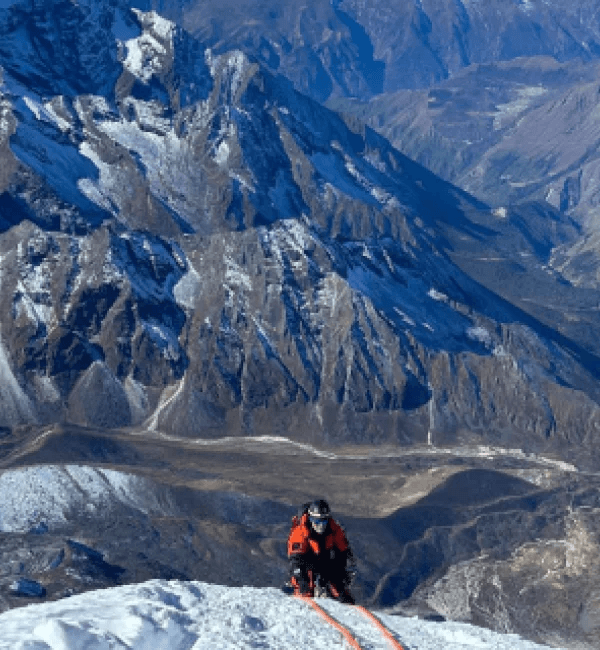
    The ascent requires a steady and controlled pace. As the altitude increases, the air becomes thinner and every step demands greater concentration. Depending on the season and current mountain conditions, sections of the route may involve snow, ice, rocky terrain, and fixed-rope climbing. Your climbing guides will determine the safest line and provide technical assistance where required.

    Throughout the ascent, the surrounding Himalayan panorama becomes increasingly impressive. The familiar landscapes of the Manang Valley gradually spread below while the peaks of the Annapurna range dominate the horizon. Reaching High Camp is a major milestone, placing the team in position for the summit attempt.

    Once at High Camp, the climbing team will establish camp and make final preparations for the summit push. Equipment will be checked, climbing ropes and personal gear organized, and the expected summit schedule reviewed. The evening is kept as relaxed as possible, with an early dinner and rest in preparation for the demanding day ahead.

    At this altitude, conserving energy is crucial. Tomorrow's objective is the summit of Pisang Peak at 6,091m.

    • MealsB/L/D
    • AccommodationTented High Camp
    • Travel Duration4-6 hours
    • RoutePisang Peak Base Camp to Pisang Peak High Camp
    • TransportationClimbing
    • Elevation4,380m to 5,400m
  • Day 11

    Summit Pisang Peak (6,091m) & Return to Base Camp (4,380m)

    Today is the summit day—the defining moment of the Pisang Peak expedition. The day begins very early at High Camp, typically before dawn, allowing the climbing team to make the most of favorable morning conditions. After a light breakfast and final equipment check, we begin the ascent toward the summit of Pisang Peak at 6,091m.

    The climb demands endurance, concentration, and careful movement. As the route rises above High Camp, the terrain becomes increasingly alpine, with steep snow and ice sections depending on seasonal conditions. Climbers use their crampons, harnesses, ice axe, and fixed-rope systems as required by the route and conditions. The experienced climbing team maintains a steady pace, allowing everyone to conserve energy for the higher sections.

    As daylight reaches the surrounding peaks, the Himalayan panorama becomes extraordinary. The summit ridge provides magnificent views across the Annapurna range, Manaslu region, and the deep valleys of the Manang landscape. Reaching the summit at 6,091m is a rewarding achievement—the culmination of days of trekking, acclimatization, preparation, and climbing.

    After spending a controlled amount of time at the summit for photographs and celebration, we begin the descent. The descent requires just as much concentration as the ascent, particularly on steep or icy terrain. Once back at High Camp, we collect the remaining equipment and continue down toward Pisang Peak Base Camp at 4,380m.

    Reaching Base Camp marks the successful completion of the main climbing objective. The evening is dedicated to recovery, hydration, a warm meal, and well-earned rest.

    • MealsB/L/D
    • AccommodationTent at Pisang Peak Base Camp
    • Travel Duration10-12 hours
    • RoutePisang Peak High Camp to Pisang Peak Base Camp via Pisang Peak
    • TransportationPeak Climbining
    • Elevation5,400m to 4,380m to 6,091m
  • Day 12

    Reserve & Contingency Climbing Day

    Today is kept as a reserve climbing day to provide flexibility for the Pisang Peak summit attempt. In the Himalayas, mountain conditions cannot always be predicted precisely, and factors such as snowfall, strong winds, poor visibility, route conditions, or the team’s acclimatization may require the summit schedule to be adjusted.

    If the summit was successfully completed on Day 11 and conditions remain favorable, today becomes a valuable recovery and contingency day at Base Camp. Climbers can rest, rehydrate, recover from the summit effort, and prepare for the descent toward Manang.

    If the planned summit attempt was postponed because of unfavorable conditions or insufficient acclimatization, the reserve day provides an additional opportunity to make the ascent when the expedition leader and climbing team determine that conditions are suitable. The exact climbing schedule will therefore remain flexible and safety-focused.

    This buffer is an important part of a professionally planned Himalayan expedition. It gives the team room to respond to the mountain rather than forcing a summit attempt according to a rigid timetable.

    • MealsB/L/D
    • AccommodationTent at Pisang Peak Base Camp
    • RoutePisang Peak Base Camp to Pisang Peak Base Camp
    • Transportation4,380m
    • Elevation4,380m to 4,380m
  • Day 13

    Trek from Pisang Peak Base Camp to Manang (3,540m)

    After completing the Pisang Peak climbing phase, today marks the beginning of the descent toward the lower elevations of the Annapurna Circuit. Following breakfast, we leave Pisang Peak Base Camp and retrace our route through the spectacular upper Manang landscape, gradually descending toward Manang.

    The trail winds through rugged alpine terrain, with expansive views of the surrounding mountains and the broad valleys below. After several demanding days at high altitude, the descent provides welcome relief as the air becomes denser and the walking becomes more comfortable. The familiar landscapes of the Manang Valley gradually return, offering a different perspective after experiencing them from the higher slopes of Pisang Peak.

    Upon reaching Manang, we check into the lodge and settle in for a well-earned rest. The afternoon is ideal for recovery, hydration, and enjoying the village atmosphere. You can also take time to reflect on the summit experience and the journey accomplished so far.

    With the major climbing objective behind us, the expedition now transitions back into a trekking journey toward Thorong La Pass and the lower Mustang region.

    • MealsB/L/D
    • AccommodationTeahouse
    • Travel Duration5-7 hours
    • RoutePisang Peak Base Camp to Manang
    • TransportationTrekking
    • Elevation4,380m to 3,540m
  • Day 14

    Trek from Manang to Yak Kharka (4,050m)

    Today, the trail leads deeper into the high-altitude landscape of the Annapurna region as we trek from Manang to Yak Kharka. After breakfast, we leave Manang and follow the trail through the upper Marsyangdi Valley, gradually gaining elevation while enjoying expansive views of the surrounding Himalayan peaks.

    The route passes through alpine meadows and scattered settlements, with the vegetation becoming increasingly sparse as the altitude rises. Along the way, you may encounter grazing yaks and horses, reflecting the traditional pastoral lifestyle of the high mountain communities. The imposing peaks of Annapurna III, Gangapurna, and surrounding ridges remain constant companions throughout the journey.

    Although today's distance is moderate, the elevation makes the trek physically demanding. We maintain a steady pace with regular breaks, allowing the body to adjust to the higher altitude. As you approach Yak Kharka, the landscape becomes more open and rugged, signaling that you are entering the final high-altitude section before the Thorong La Pass.

    After arriving at Yak Kharka, settle into the lodge, enjoy a warm meal, and focus on hydration and recovery. The evening briefing will prepare you for the next stage toward Thorong Phedi, where the expedition will position itself for the crossing of Thorong La Pass.

    • MealsB/L/D
    • AccommodationTeahouse
    • Travel Duration4-5 hours
    • RouteManang to Yak Kharka
    • TransportationTrekking
    • Elevation3,540m to 4,050m
  • Day 15

    Trek from Yak Kharka to Thorong Phedi (4,450m)

    Today, the expedition moves into the final high-altitude stage before the Thorong La Pass crossing. After breakfast, we leave Yak Kharka and follow the trail toward Thorong Phedi, gradually ascending through the stark and beautiful landscapes of the upper Marsyangdi Valley.

    The trail follows the mountain contours and crosses rugged terrain with increasingly sparse vegetation. As we gain elevation, the surrounding landscape becomes more exposed and dramatic, with towering cliffs, barren slopes, and snow-covered Himalayan peaks creating a distinctly high-altitude atmosphere. The walk is not especially long, but the elevation makes maintaining a slow and steady pace important.

    After several hours, we reach Thorong Phedi, the traditional staging point for crossing Thorong La. Once at the lodge, the focus turns to preparation for tomorrow's early start. The guide will review the pass-crossing plan, weather conditions, clothing and equipment requirements, and the expected pace.

    An early dinner and sufficient rest are essential tonight, as tomorrow will be one of the most demanding trekking days of the journey.

    • MealsB/L/D
    • AccommodationTeahouse
    • Travel Duration4-5 hours
    • RouteYak Kharka to Thorong Phedi
    • TransportationTrekking
    • Elevation4,050m to 4,450m
  • Day 16

    Cross Thorong La Pass (5,416m) & Trek to Muktinath (3,800m)

    Today is one of the most memorable days of the expedition as we cross the legendary Thorong La Pass at 5,416m, one of the highest trekking passes in the world. An early start from Thorong Phedi is essential, allowing the team to make the crossing during the more favorable morning conditions.

    The trail climbs steadily toward the pass across a stark, windswept landscape. At this altitude, the air is thin and the ascent requires patience, controlled breathing, and a consistent pace. The surrounding terrain gradually opens into a magnificent panorama of snow-covered peaks, high mountain ridges, and vast Himalayan valleys.

    After several hours of climbing, we reach the Thorong La Pass, marked by prayer flags and traditional mountain symbols. Standing at 5,416m, the pass provides a powerful sense of achievement after the demanding ascent. Take time to appreciate the extraordinary surroundings and capture photographs before beginning the descent.

    From the pass, the trail drops steeply toward the Mustang side of the Himalayas. The landscape changes dramatically as we descend, becoming increasingly dry and arid. Eventually, we reach the sacred pilgrimage town of Muktinath, an important religious site revered by both Hindus and Buddhists.

    After arriving in Muktinath, settle into the lodge, enjoy a warm meal, and rest after this demanding high-altitude crossing. The successful passage from the Manang side into Mustang marks another major milestone in the Pisang Peak adventure.

    • MealsB/L/D
    • AccommodationTeahouse
    • Travel Duration7-9 hours
    • RouteThorong Phedi to Muktinath to Thorong La Pass
    • TransportationTrekking
    • Elevation4,450m to 3,800m to 5,416m to
  • Day 17

    Drive from Muktinath to Jomsom (2,720m) & Continue to Marpha (2,670m)

    After breakfast, we leave the sacred town of Muktinath and begin our journey through the dramatic Kali Gandaki Valley toward Jomsom. After several demanding days at high altitude, today's drive provides a welcome change of pace while allowing you to experience the remarkable landscapes of the Mustang region from the road.

    The route descends through an increasingly dry and windswept environment, passing traditional settlements, ancient monasteries, and rugged cliffs shaped by centuries of Himalayan weather. As we approach Jomsom, the landscape opens into the broad Kali Gandaki Valley, one of the world's deepest mountain corridors, framed by impressive Himalayan peaks.

    After a short stop in Jomsom, we continue by road toward Marpha, a beautifully preserved Thakali settlement known for its whitewashed stone houses, narrow village lanes, traditional architecture, and apple orchards. The peaceful atmosphere of Marpha offers an ideal setting to slow down after the intensity of the Pisang Peak climb and Thorong La crossing.

    Upon arrival, check into the lodge and enjoy a relaxed evening exploring the village or simply resting. The transition from the high mountain environment to the warmer, more settled Kali Gandaki Valley provides a refreshing final chapter to the expedition.

    • MealsB/L/D
    • AccommodationHotel
    • Travel Duration3-4 hours
    • RouteMuktinath to Jomsom to Marpha
    • TransportationPrivate Vehicle
    • Elevation3,800m to 2,720m to
  • Day 18

    Drive from Marpha to Pokhara (Approx. 822m)

    After breakfast, we leave the beautiful village of Marpha and begin the scenic drive toward Pokhara, gradually leaving the rugged landscapes of Mustang and the high Himalayas behind. The road follows the spectacular Kali Gandaki Valley, passing through traditional villages, terraced hillsides, waterfalls, suspension bridges, and lush landscapes as the elevation steadily decreases.

    The dramatic change in scenery is one of the highlights of today's journey. The dry, barren landscapes of the upper Mustang region gradually give way to greener forests and subtropical hills. Along the way, you can look back on the incredible mountain environment that shaped the Pisang Peak expedition while enjoying a more relaxed travel day.

    Upon reaching Pokhara, settle into your hotel and take time to recover after the long expedition. Depending on arrival time, you can relax by Phewa Lake, explore the lakeside area, or simply enjoy the city's comfortable atmosphere.

    After days of trekking, climbing, and crossing high mountain terrain, Pokhara provides a welcome opportunity to unwind and celebrate the successful completion of the mountain adventure.

    • MealsB/L/D
    • AccommodationHotel
    • Travel Duration6-8 hours
    • RouteMarpha to Pokhara
    • TransportationPrivate Vehicle
    • Elevation2,670m to 822m
  • Day 19

    Fly from Pokhara to Kathmandu (1,400m) & Leisure Time

    After breakfast, transfer to Pokhara Airport for a scenic morning flight back to Kathmandu. As the aircraft rises above the valley, enjoy one final aerial perspective of the Himalayan landscape before returning to Nepal’s vibrant capital.

    Upon arrival in Kathmandu, our representative will transfer you to your hotel. The remainder of the day is kept free for relaxation after the demanding Pisang Peak expedition. You may explore the city, visit local markets, shop for souvenirs, or simply enjoy some well-earned rest.

    This leisure time also provides an opportunity to reflect on the journey—from the Annapurna Circuit and high-altitude climbing to the summit of Pisang Peak (6,091m) and the crossing of Thorong La.

    • MealsB/L/D
    • AccommodationHotel
    • Travel Duration25-30 min
    • RoutePokhara to Kathmandu
    • TransportationFlight
    • Elevation822m to 1,400m
  • Day 20

    Free Day in Kathmandu (1,400m)

    Today is reserved as a free and flexible day in Kathmandu, giving you time to relax and recover after the Pisang Peak expedition. With the climbing and trekking journey behind you, you can enjoy the capital at your own pace or simply take a quiet day to recharge.

    For those interested in exploring, Kathmandu offers a fascinating blend of ancient heritage, vibrant markets, historic courtyards, temples, and traditional neighborhoods. You may visit cultural landmarks, browse the local shops for souvenirs, or enjoy the city's cafés and restaurants.

    Alternatively, you can use the day for complete relaxation at the hotel, organize photographs and memories from the expedition, or spend time with fellow climbers and the Peak 15 Adventure team. This flexible day also provides a useful buffer in case any unexpected travel or weather-related changes occurred earlier in the itinerary.

    As your Pisang Peak (6,091m) adventure comes to a close, take this final opportunity to enjoy Kathmandu before your departure from Nepal.

    • AccommodationHotel
    • RouteKathmandu to Kathmandu
    • Elevation1,400m to 1,400m
  • Day 21

    Final Departure from Kathmandu (1,400m)

    Your Pisang Peak climbing adventure comes to a close today. After breakfast at the hotel, take some time to prepare your luggage and enjoy a final moment in Kathmandu before your international departure. Depending on your flight schedule, the day may be used for a relaxed breakfast, last-minute shopping, or simply reflecting on the incredible journey through the Annapurna region and the successful challenges faced in the high Himalayas.

    At the appropriate time, a representative from Peak 15 Adventure will accompany you to Tribhuvan International Airport for your departure. As you leave Nepal, you carry with you more than memories of Pisang Peak—the friendships, mountain experiences, cultural encounters, and sense of achievement that made this expedition truly special.

    We thank you for choosing Peak 15 Adventure and look forward to welcoming you again for your next Himalayan adventure.

    • MealsB
    • Travel Duration30-45 min
    • RouteKathmandu to Tribhuvan International Airport
    • TransportationPrivate Vehicle
    • Elevation1,400m to 1,400m
Altitude profileMax 5,400 m
1,400 mD11,400 mD21,860 mD32,710 mD43,300 mD53,540 mD63,540 mD74,380 mD84,380 mD95,400 mD104,380 mD114,380 mD123,540 mD134,050 mD144,450 mD153,800 mD162,720 mD17822 mD181,400 mD191,400 mD201,400 mD21

Are you looking to customize the trip itinerary?

If the provided schedule is not suitable for you, we can create a personalized travel arrangement tailored to your preferences and requirements.

Customize Trip

Cost breakdown

What's included
  • Climbing and trekking permits, including Everest summit.

  • Kathmandu hotel and Base Camp tent accommodation.

  • Meals during the trek and Base Camp.

  • Certified guides, sherpas, and support staff.

  • Group climbing gear (ropes, ladders, oxygen, etc.).

  • Domestic flights and airport transfers.

  • Medical support and first aid kits.

  • Glacier training and safety preparation.

  • Emergency communication tools (satellite phones, radios).

What's not included
  • International flights to/from Kathmandu.

  • Personal climbing gear (boots, down suit, oxygen, etc.).

  • Insurance (travel, medical, evacuation).

  • Nepal visa fees.

  • Personal expenses (tips, laundry, drinks).

  • Costs from delays due to weather or itinerary changes.

  • Emergency rescue costs beyond insurance.

  • Meals in Kathmandu not specified in the package.

Upcoming departures

Filter departures by month
May 6 – May 24, 2027
Available
—

All prices per person, twin share. Subject to availability — Pisang Peak (6,091m) Climbing dates fill quickly in peak season.

Useful information

Pisang Peak is more than a high-altitude trek-it is a 6,091m Himalayan climbing expedition that requires physical endurance, proper acclimatization, technical preparation, and disciplined decision-making. Before departure, climbers should understand that conditions on the mountain can change rapidly, and the summit schedule may need to adapt to weather, snow conditions, and individual acclimatization.

Altitude & Acclimatization

  • The itinerary is designed with progressive altitude gain and dedicated acclimatization periods before entering the climbing phase.

  • Listen to your body and communicate any symptoms of altitude sickness immediately to the expedition leader.

  • Adequate hydration, nutritious meals, steady pacing, and sufficient rest are essential at high altitude.

  • Summit success is always secondary to health, safety, and responsible mountain judgment.

Climbing Skills & Physical Preparation

  • Pisang Peak requires more than standard trekking fitness. Climbers should be prepared for long days, steep terrain, cold temperatures, and sustained physical effort.

  • Previous experience with crampons, ice axe, harnesses, ascenders, and fixed-rope movement is highly beneficial.

  • Where necessary, the climbing team will provide guidance on essential rope and climbing techniques before the summit attempt.

  • Regular cardiovascular training, strength conditioning, endurance work, and hiking with a loaded backpack are recommended before the expedition.

Weather & Mountain Conditions

  • Weather at 6,000m can change quickly, with strong winds, snowfall, freezing temperatures, and reduced visibility possible.

  • Summit timing is influenced by current mountain conditions rather than a fixed schedule alone.

  • A reserve climbing day is strongly recommended to provide flexibility if weather or route conditions prevent a safe summit attempt on the planned day.

Packing & Equipment

  • Appropriate mountaineering equipment is essential, including insulated clothing, waterproof layers, mountaineering boots, crampons, ice axe, harness, helmet, ascender, gloves, goggles, and suitable sleeping equipment.

  • Equipment requirements can vary according to the season and prevailing route conditions.

  • Personal gear should be tested and properly fitted before reaching Base Camp.

Trekking & Climbing Pace

  • The approach follows the Annapurna Circuit, with the terrain becoming progressively more demanding as altitude increases.

  • Above Base Camp, movement is slower and more deliberate because of steep terrain, cold, snow, and reduced oxygen availability.

  • The expedition follows a controlled pace to conserve energy for the summit push.

Safety & Expedition Support

  • Experienced climbing guides and Sherpa staff provide technical guidance, route support, and assistance throughout the climbing phase.

  • The team continuously monitors weather, route conditions, and climbers' well-being.

  • Decisions regarding changes to the itinerary, summit attempts, or retreat are made according to prevailing conditions and safety considerations.

Permits & Expedition Logistics

  • Required climbing permits, conservation-area permissions, local registrations, and other necessary expedition arrangements are handled as part of the organized climbing programme.

  • Transportation, accommodation, meals, porters, climbing support, and other logistics are coordinated according to the itinerary.

Respect the Mountain

  • Pisang Peak demands humility as much as ambition. Reaching the summit depends on preparation, patience, teamwork, and the ability to make sound decisions when conditions change.

  • With the right preparation and a responsible approach, the expedition becomes not only a summit objective but a meaningful progression from Annapurna trekking to Himalayan mountaineering.

You may also like

More routes in the same region and difficulty range.

Pisang Peak (6,091m) Climbing
Achieve Your Dream
Mountain Ridge Divider
Peak 15 Expedition 1
Peak 15 Expedition 2
Peak 15 Expedition 3
Peak 15 Expedition 4