Peak15Adventure

Chulu East Peak (6,419m)

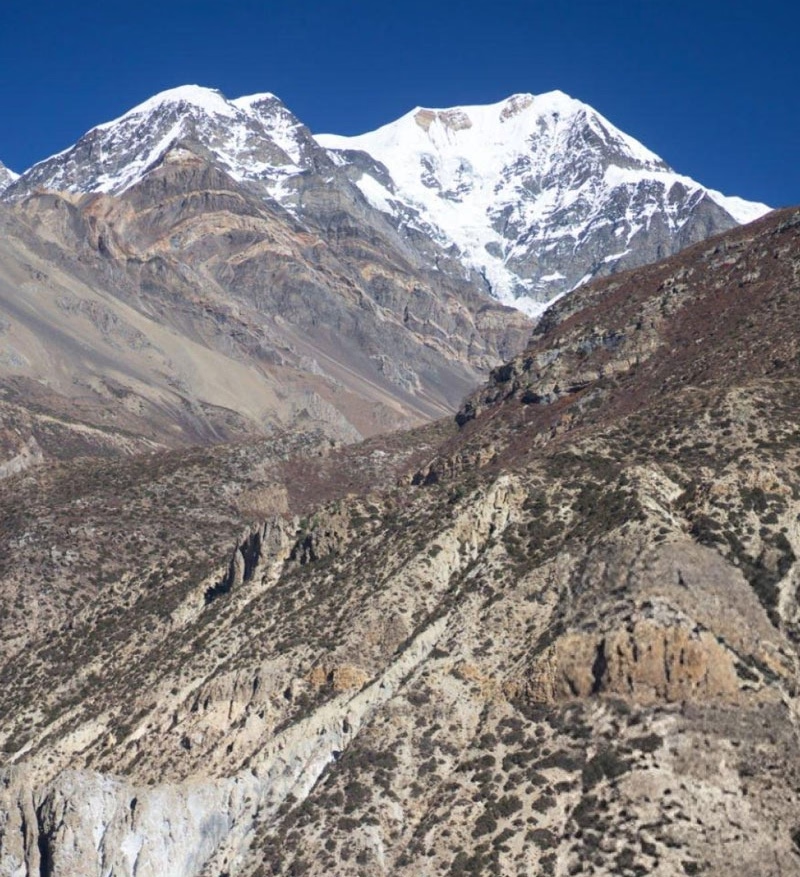
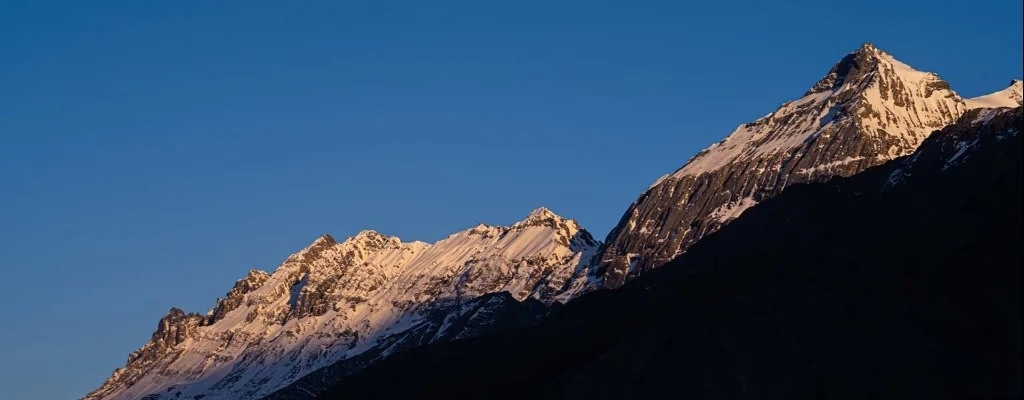
Chulu East Peak (6,419m) is a thrilling Himalayan climbing adventure that combines the classic Annapurna region with the challenge of high-altitude mountaineering. Rising dramatically above the Manang Valley, the peak offers a demanding ascent through rugged trails, glacial terrain, snow slopes, and exposed alpine landscapes, rewarding climbers with sweeping views of Annapurna, Manaslu, Dhaulagiri, and the surrounding Himalayan giants. Designed for experienced trekkers and aspiring mountaineers, the expedition blends acclimatization, technical climbing preparation, and carefully managed summit progression. With Peak 15 Adventure, every stage-from the approach to the final summit push-is planned with a strong focus on preparation, safety, and a successful Himalayan experience.

Duration
20 days
Max Altitude
6419 m
Destination
Nepal
Activity
Peak Climbing
Accommodation
Hotel
Group Size
2-6
Transport
Private Vehicle & Flight
Meals
B-L-D
Season
Mar-May & Sep- Nov
Difficulty
Moderate

Why travellers love it

  • Climb Chulu East Peak at 6,419m, an exhilarating Himalayan ascent combining trekking and mountaineering.

  • Journey through the spectacular Annapurna region, from lush lower valleys to stark, high-altitude alpine landscapes.

  • Experience progressive acclimatization, allowing your body to adapt steadily before entering the demanding climbing terrain.

  • Master essential climbing techniques on snow and ice, including the use of crampons, ropes, harnesses, and an ice axe under expert guidance.

  • Cross challenging high-altitude terrain, with glacial sections, steep snow slopes, and exposed mountain ridges adding genuine expedition character.

  • Camp beneath the Himalayan giants, surrounded by dramatic views of Annapurna II, III, IV, Gangapurna, Manaslu, Dhaulagiri, and other prominent peaks.

  • Push beyond trekking into true mountaineering, making Chulu East an excellent progression for climbers seeking their first major Himalayan peak.

  • Summit with Peak 15 Adventure, backed by careful expedition planning, experienced climbing leadership, safety-focused logistics, and dedicated high-altitude support.


Trip overview

Some mountains are reached by walking toward them. Chulu East Peak (6,419m) is reached by gradually becoming ready for them.

Rising above the dramatic Manang Valley in the Annapurna region, Chulu East is a compelling Himalayan climbing peak that brings together long-distance trekking, high-altitude acclimatization, glacier travel, and the excitement of a genuine summit attempt. The journey begins along the classic Annapurna trekking corridor, where changing landscapes lead from river valleys and traditional mountain settlements into the increasingly rugged alpine environment surrounding the Chulu range. As the altitude increases, the character of the expedition changes-less about simply following a trail and more about reading the mountain, managing energy, adapting to altitude, and preparing for the climb ahead.

At 6,419m, Chulu East demands more than physical endurance. Climbers must be comfortable moving through challenging mountain terrain and prepared to learn or apply fundamental mountaineering skills. Depending on conditions, the climbing section can involve snow and ice, fixed-rope movement, crampon use, an ice axe, and other essential alpine techniques. The expedition therefore allows adequate time for acclimatization and climbing preparation before the summit push, helping climbers approach the higher slopes with greater confidence and sound decision-making.

One of the defining attractions of Chulu East is the changing perspective it provides. The approach offers magnificent views across the Annapurna landscape, while the higher camps bring you closer to an extraordinary collection of Himalayan peaks. Annapurna II, Annapurna III, Annapurna IV, Gangapurna, Manaslu, Dhaulagiri, and numerous surrounding summits create an immense mountain panorama that becomes increasingly dramatic as you climb higher.

The expedition is not simply about standing on a 6,419m summit. It is about the progression that makes that moment possible: trekking deeper into the mountains, allowing the body to acclimatize, developing confidence on technical terrain, maintaining a disciplined climbing rhythm, and making careful decisions when conditions become demanding. Every stage has a purpose, from the first days on the trail to the final summit push.

With Peak 15 Adventure, the Chulu East Peak expedition is organized around thoughtful preparation, experienced leadership, responsible acclimatization, and safety-conscious mountain logistics. Our team works to ensure that climbers understand the demands of the mountain before committing to the summit, while providing the guidance and support required throughout the expedition.

Chulu East is an ideal choice for climbers looking to move beyond conventional trekking and experience the discipline, uncertainty, and reward of Himalayan mountaineering. It offers a serious but immensely rewarding challenge-one where the summit is earned not by speed, but by preparation, patience, perseverance, and respect for the mountain.

 

Itinerary

  • Day 01

    Arrival in Kathmandu (1,400m) & Transfer to Hotel

    Your Chulu East Expedition begins with your arrival in Kathmandu, Nepal’s vibrant capital and the gateway to the Himalayas. Upon landing at Tribhuvan International Airport, a representative from Peak 15 Adventure will welcome you and arrange your transfer to the hotel. Once you are settled in, the expedition team will provide a detailed briefing covering the upcoming trekking and climbing schedule, safety procedures, acclimatization strategy, and important mountain protocols.

    Your climbing and trekking equipment will also be checked carefully to ensure that all essential gear is available and in suitable condition. Any final equipment requirements can be addressed before leaving Kathmandu. The evening provides an opportunity to rest after your journey and prepare mentally for the adventure ahead.

    • MealsD
    • AccommodationHotel
    • Travel Duration30-45 min
    • RouteTribhuvan International Airport, Kathmandu to Kathmandu
    • TransportationPrivate Vehicle
    • Elevation1400m to 1400m
  • Day 02

    Drive from Kathmandu to Besisahar (760m)

    The expedition officially moves toward the mountains today as we drive from Kathmandu to Besisahar, the traditional gateway to the Annapurna Circuit. The journey follows scenic highways through Nepal’s changing landscapes, passing rivers, terraced hillsides, traditional settlements, and bustling roadside towns.

    As the urban surroundings gradually give way to rural mountain scenery, you will get your first extended glimpse of the landscapes that characterize the Annapurna region. Besisahar provides the transition between the road journey and the trekking adventure that follows. After arriving, settle into the lodge, organize your trekking equipment, and prepare for the first walking section of the expedition.

    • MealsB/L/D
    • AccommodationHotel
    • Travel Duration6-8 hours
    • RouteKathmandu to Besisahar
    • TransportationPrivate Vehicle
    • Elevation1400m to 760m
  • Day 03

    Trek from Chamje to Dharapani (1,960m)

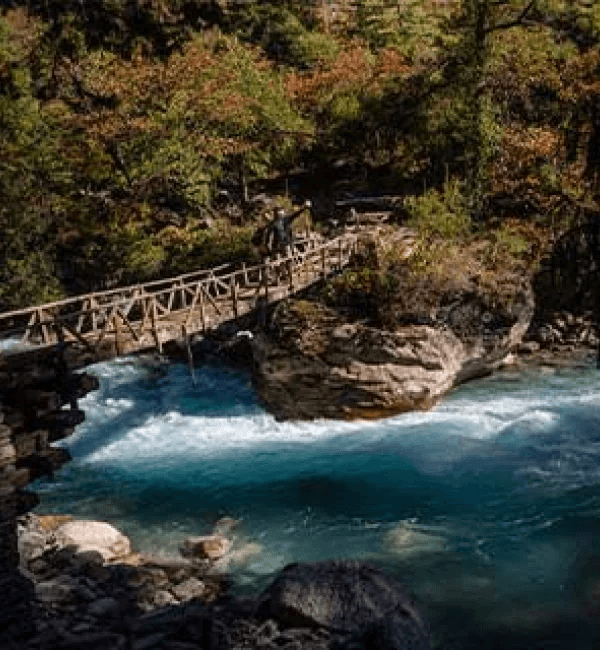
    Today we enter the trekking section of the Chulu East Expedition, beginning from Chamje and following the Marsyangdi Valley toward Dharapani. The trail winds through lush hillsides, forested sections, traditional settlements, and dramatic river valleys, with several suspension bridges adding character to the journey.

    The landscape changes gradually as we gain elevation, and the surrounding mountains become increasingly prominent. The walk offers a rewarding introduction to the Annapurna trekking environment while allowing the body to begin adapting naturally to the changing altitude. Upon reaching Dharapani, settle into the lodge and enjoy a well-earned evening of rest.

    • MealsB/L/D
    • AccommodationHotel
    • Travel Duration5-6 hours
    • RouteChamje to Dharapani
    • TransportationTrekking
    • Elevation1,410m to 1,960m
  • Day 04

    Trek from Dharapani to Chame (2,710m)

    The trail continues deeper into the Annapurna region as we trek from Dharapani to Chame, the administrative center of Manang District. The route passes through forests of pine and fir, traditional mountain villages, and dramatic sections of the Marsyangdi Valley.

    As the elevation increases, the environment becomes noticeably cooler and more alpine. Mountain views begin to dominate the horizon, creating a stronger sense that the expedition is moving toward the high Himalayas. Chame is an important overnight stop where you can rest, replenish your energy, and prepare for the higher elevations ahead.

    • MealsB/L/D
    • AccommodationTeahouse
    • Travel Duration5-6 hours
    • RouteDharapani to Chame
    • TransportationTrekking
    • Elevation1,960m to 2,710m
  • Day 05

    Trek from Chame to Pisang (3,300m)

    Leaving Chame behind, the trail climbs steadily toward Pisang, entering a landscape where the mountains begin to rise dramatically around the valley. Forested trails gradually give way to more open terrain, with impressive views of Annapurna II and other surrounding peaks.

    The route follows the Marsyangdi Valley through striking mountain scenery, providing excellent opportunities to appreciate the scale of the Annapurna range. As you approach Pisang, the increasingly dry and rugged environment reflects the higher elevation and changing climate of the region.

    • MealsB/L/D
    • AccommodationTeahouse
    • Travel Duration5-6 hours
    • RouteChame to Pisang
    • TransportationTrekking
    • Elevation2,710m to 3,300m
  • Day 06

    Trek from Pisang to Ngawal (3,650m)

    Today we climb higher into the upper Manang Valley, trekking from Pisang to Ngawal. The route provides spectacular mountain views and introduces the drier, more dramatic landscapes characteristic of the Manang region.

    As the trail gains elevation, the vegetation becomes sparser and the surrounding mountains appear increasingly imposing. Ngawal, a picturesque traditional village perched above the valley, provides an excellent setting for acclimatization. Spend the evening relaxing, staying hydrated, and allowing your body to adjust to the increasing altitude.

    • MealsB/L/D
    • AccommodationTeahouse
    • Travel Duration4-5 hours
    • RoutePisang to Ngawal
    • TransportationTrekking
    • Elevation3,300m to 3,650m
  • Day 07

    Trek from Ngawal to Chulu East Base Camp (4,700m)

    The expedition now moves away from the more established trekking environment and toward the Chulu East climbing zone. From Ngawal, the trail climbs into increasingly rugged alpine terrain as the settlements become fewer and the landscape more remote.

    Reaching Chulu East Base Camp is a major milestone. Here, the focus shifts from trekking toward mountaineering, with the climbing team preparing for the technical stages ahead. Once at camp, take time to settle in, organize your equipment, and become familiar with the high-altitude environment.

    • MealsB/L/D
    • AccommodationTented camp
    • Travel Duration5-7 hours
    • RouteNgawal to Chulu East Base Camp
    • TransportationTrekking
    • Elevation3,650m to 4,700m
  • Day 08

    Acclimatization & Technical Climbing Preparation at Base Camp

    Today is dedicated to acclimatization and technical climbing preparation at Chulu East Base Camp. At this elevation, giving the body enough time to adjust is essential before moving higher. The day may include a short acclimatization hike around Base Camp, allowing you to gain some additional elevation before returning to camp to rest.

    The climbing team will also conduct practical training with essential equipment such as crampons, harnesses, ropes, ice axe, helmet, and other technical gear. Basic movement techniques, rope procedures, equipment handling, and safety practices will be reviewed according to the route and conditions. The day combines preparation with recovery, helping ensure that you are ready for the more demanding climbing phase.

    • MealsB/L/D
    • AccommodationTeahouse
    • Travel DurationFull day
    • RouteChulu East Base Camp to Chulu East Base Camp
    • TransportationTented camp
    • Elevation4,700m to 4,700m
  • Day 09

    Final Acclimatization & Summit Preparation at Base Camp

    Before moving toward High Camp, the team takes another important day to consolidate acclimatization and complete the final preparations for the summit attempt. Depending on weather, route conditions, and individual fitness, a short hike may be undertaken around Base Camp to stimulate further acclimatization without unnecessarily exhausting the body.

    This is also an opportunity for a thorough equipment inspection and summit briefing. The climbing team will review the expected route, weather conditions, rope systems, clothing layers, personal climbing equipment, and emergency procedures. With the summit objective approaching, conserving energy, maintaining hydration, eating well, and getting sufficient rest are the priorities.

    • MealsB/L/D
    • AccommodationTented Camp
    • Travel DurationFull day
    • RouteChulu East Base Camp to Chulu East Base Camp
    • Transportationshorts hike
    • Elevation4,700m to 4,700m
  • Day 10

    Move from Base Camp to High Camp (5,300m)

    The climbing phase intensifies today as we make our way from Chulu East Base Camp to High Camp. The trail becomes more rugged and alpine, with increasingly steep terrain requiring careful footing and close coordination with the climbing team.

    Upon reaching High Camp at approximately 5,300m, the team establishes camp and completes the final checks for summit day. Climbing equipment is arranged and readily accessible, while the route and weather forecast are reviewed once again. The remainder of the day is dedicated to conserving energy and resting as much as possible before the early summit departure.

    • MealsB/L/D
    • AccommodationTented High Camp
    • Travel Duration4-5 hours
    • RouteChulu East Base Camp to Chulu East High Camp
    • TransportationShorts Hikes
    • Elevation4,700m to 5,300m
  • Day 11

    Summit Chulu East Peak (6,584m) & Return to Base Camp

    Today is the ultimate objective of the expedition-the summit of Chulu East Peak at 6,584m. The climb begins very early, often before sunrise, to take advantage of suitable mountain conditions and maximize the available daylight.

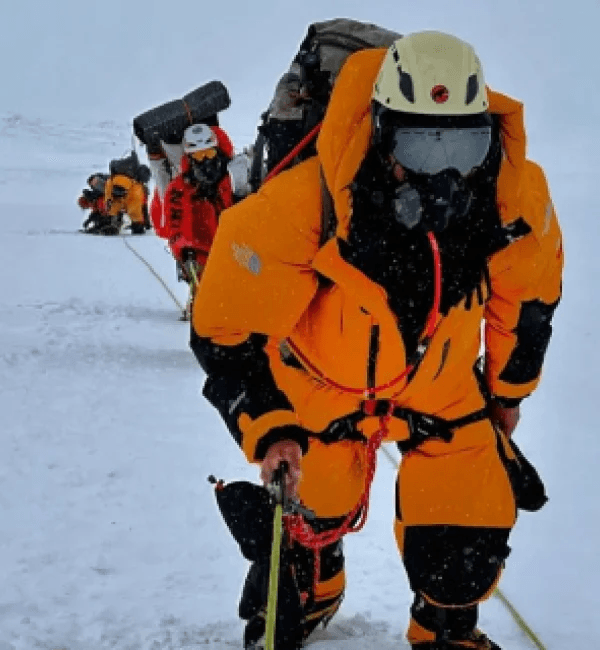
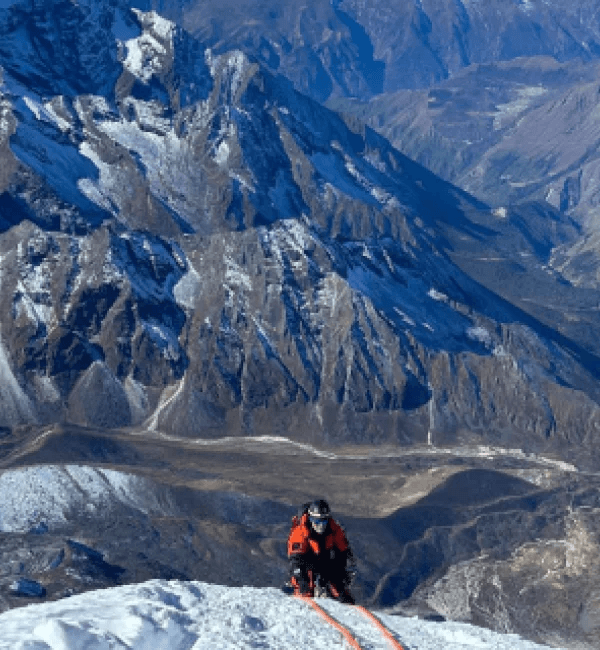
    Moving steadily under the guidance of the climbing team, you ascend through demanding high-altitude terrain using crampons, ropes, ice axe, and other technical equipment as required by the route and conditions. Every step toward the summit demands concentration, endurance, and careful decision-making.

    Standing on the summit provides an unforgettable perspective across the Himalayan landscape, with expansive views of the Annapurna region and surrounding peaks. After safely completing the summit, the team begins the descent toward Base Camp. The descent requires just as much attention as the ascent, particularly after a long day at extreme altitude.

    • MealsB/L/D
    • AccommodationHigh Camp
    • Travel Duration10-14 hour
    • RouteChulu East High Camp to Chulu East Peak to Chulu East Base Camp
    • TransportationTrekking
    • Elevation5,300m to 6,584m to 4,700m
  • Day 12

    Reserve Day for Weather, Acclimatization & Expedition Contingencies

    The Himalayas operate on their own schedule, which is why a reserve day is included in the expedition itinerary. This day provides flexibility in case unfavorable weather, difficult climbing conditions, route changes, or acclimatization requirements affect the planned summit schedule.

    If the summit has already been completed successfully, the day can be used for additional recovery and preparation for the descent. If the summit attempt was delayed, the reserve day provides an opportunity to make another attempt when conditions are considered suitable by the expedition leadership.

    • MealsB/L/D
    • AccommodationTented Camp
    • Travel DurationFull day
    • RouteChulu East High Camp to Chulu East Base Camp
    • Transportationreserved for weather, acclimatization, recovery, or summit contingency
    • Elevation4,700m to 4,700m
  • Day 13

    Trek from Chulu East Base Camp to Ngawal (3,650m)

    With the summit behind us, today begins the descent from Chulu East Base Camp toward the vibrant mountain settlement of Manang. The trail gradually loses elevation as we retrace sections of the high-altitude route through the dramatic landscapes of the Manang Valley. After the intensity of summit day, the descent offers a welcome change of pace, with expansive mountain views and a chance to recover while continuing through the heart of the Annapurna region.

    Arriving in Manang, settle into the lodge and enjoy a well-earned rest. The lower elevation and more comfortable surroundings provide an opportunity to recharge, hydrate, and reflect on the Chulu East summit achievement before continuing the journey toward the lower valleys.

    • MealsB/L/D
    • AccommodationTeahouse
    • Travel Duration5-6 hours
    • RouteChulu East Base Camp to Ngawal
    • TransportationTrekking
    • Elevation4,700m to 3,650m
  • Day 14

    Trek from Ngawal to Manang (3,540m)

    Today we continue through the spectacular Manang Valley toward Manang village. The trail passes through the distinctive dry mountain environment of the region, with traditional settlements, stone-built structures, open hillsides, and dramatic Himalayan views accompanying the journey.

    The descent is comparatively relaxed after the intensity of the climbing days, giving you time to appreciate the scenery and reflect on the Chulu East summit experience. On arrival in Manang, enjoy the comforts of the lodge and a well-deserved evening of rest.

    • MealsB/L/D
    • AccommodationTeahouse
    • Travel Duration4-5 hours
    • RouteNgawal to Manang
    • TransportationTrekking
    • Elevation3,650m to 3,540m
  • Day 15

    Trek from Manang to Yak Kharka (4,018m)

    Leaving Manang, we follow the Marsyangdi Valley toward Yak Kharka, continuing through the high-altitude landscapes of the Annapurna Circuit. The trail passes alpine meadows, open hillsides, and rugged mountain terrain, with spectacular peaks rising around the valley.

    Although this section comes after the Chulu East summit, the elevation remains considerable, so a steady and controlled pace is maintained. Yak Kharka provides an important overnight stop before continuing toward Thorong Phedi and the famous Thorong La crossing.

    • MealsB/L/D
    • AccommodationTeahouse
    • Travel Duration4-5 hours
    • RouteManang to Yak Kharka
    • TransportationTrekking
    • Elevation3,540m to 4,018m
  • Day 16

    Trek from Yak Kharka to Thorong Phedi (4,450m)

    Today we move toward Thorong Phedi, the staging point for crossing Thorong La Pass. The trail traverses increasingly rugged terrain, with dramatic cliffs and exposed sections adding to the character of the journey.

    The distance is relatively manageable, but the high elevation makes this an important preparation day. Upon reaching Thorong Phedi, the focus turns toward the following day's pass crossing. Take time to organize your belongings, hydrate properly, eat a nourishing meal, and rest for the early start.

    • MealsB/L/D
    • AccommodationTeahouse
    • Travel Duration3-4 hours
    • RouteYak Kharka i to Thorong Phedi
    • TransportationTrekking
    • Elevation4,018m to 4,450m
  • Day 17

    Trek from Thorong Phedi via Thorong La Pass (5,416m) to Muktinath (3,800m)

    One of the most challenging and memorable days of the journey begins early as we ascend from Thorong Phedi toward Thorong La Pass at 5,416m. The climb demands patience and a steady rhythm as the thin air, cold temperatures, and steep terrain test your endurance.

    Reaching the summit of Thorong La is a significant achievement and offers magnificent views across the surrounding Himalayan landscape. After celebrating the crossing, we begin the long descent toward Muktinath, a sacred pilgrimage destination revered by both Hindu and Buddhist communities.

    The landscape changes dramatically during the descent, transitioning from the high alpine environment into the arid mountain terrain of Mustang.

    • MealsB/L/D
    • AccommodationTeahouse
    • Travel Duration7-9 hours
    • RouteThorong Phedi to Thorong La Pass to Muktinath
    • TransportationTrekking
    • Elevation4,450m to 3,800m to 5,416m
  • Day 18

    Trek from Muktinath to Jomsom (2,720m)

    The journey continues through the remarkable landscapes of Mustang as we trek from Muktinath to Jomsom. The route descends through the Kali Gandaki Valley, one of the world's great mountain valleys, surrounded by barren hills, windswept landscapes, and dramatic Himalayan scenery.

    As the altitude decreases, the trail becomes more comfortable and the surrounding environment changes once again. Along the way, you will pass traditional villages and experience the distinctive culture and architecture of the Mustang region. Jomsom marks the final major trekking stop before returning to Pokhara.

    • MealsB/L/D
    • AccommodationHotel
    • Travel Duration5-6 hours
    • RouteMuktinath to Jomsom
    • TransportationTrekking
    • Elevation2,723,800m0m to 2,720m
  • Day 19

    Scenic Flight from Jomsom to Pokhara (820m)

    Today we leave the mountains of Mustang behind and take a scenic flight from Jomsom to Pokhara. The short flight offers a spectacular aerial perspective of the Kali Gandaki Valley and the surrounding Himalayan ranges before descending into the greener landscape of Pokhara.

    After landing in Pokhara, transfer to your hotel and enjoy time to relax following the demanding trekking and climbing journey. Depending on your schedule and energy levels, the remainder of the day can be spent exploring the Lakeside area, enjoying views of Phewa Lake, or simply resting at the hotel.

    • MealsB/L/D
    • AccommodationHotel
    • Travel Duration20-25 min
    • RouteJomsom to Pokhara
    • TransportationFlight & Private Vehicle
    • Elevation2,720m to 820m
  • Day 20

    Fly from Pokhara to Kathmandu (1,400m)

    After breakfast, we take a scenic flight from Pokhara to Kathmandu, bringing the expedition journey back to Nepal's capital. The flight offers one final opportunity to appreciate Nepal's dramatic transition from Himalayan mountains to the Kathmandu Valley.

    Upon arrival, a private vehicle will transfer you to your hotel. The remainder of the day is free for relaxation, last-minute shopping, sightseeing, or simply enjoying a comfortable evening after completing the Chulu East Expedition.

    • MealsB/L/D
    • AccommodationHotel
    • Travel Duration30-45 minutes
    • RoutePokhara to Kathmandu
    • TransportationFlight
    • Elevation820M to 1400m
  • Day 21

    Final Departure from Kathmandu (1,400m)

    Today marks the final chapter of your Chulu East Expedition. Depending on your flight schedule, you can enjoy your final morning in Kathmandu before transferring to Tribhuvan International Airport for your onward journey.

    Peak 15 Adventure will coordinate your airport transfer and departure arrangements to ensure a smooth end to your Himalayan adventure. As you leave Nepal, you carry more than the memory of a summit-you take home the experience of trekking through the Annapurna region, mastering the challenges of high-altitude climbing, crossing Thorong La, and pushing your limits in the Himalayas.

    • MealsB
    • Travel Duration30-45 mins
    • RouteKathmandu to Tribhuvan International Airport, Kathmandu
    • TransportationPrivate Vehicle
    • Elevation1400m to 1400m
Altitude profileMax 6,584 m
1,400 mD1760 mD21,960 mD32,710 mD43,300 mD53,650 mD64,700 mD74,700 mD84,700 mD95,300 mD106,584 mD114,700 mD123,650 mD133,540 mD144,018 mD154,450 mD163,800 mD172,720 mD18820 mD191,400 mD201,400 mD21

Are you looking to customize the trip itinerary?

If the provided schedule is not suitable for you, we can create a personalized travel arrangement tailored to your preferences and requirements.

Customize Trip

Cost breakdown

What's included
  • Climbing and trekking permits, including Everest summit.

  • Kathmandu hotel and Base Camp tent accommodation.

  • Meals during the trek and Base Camp.

  • Certified guides, sherpas, and support staff.

  • Group climbing gear (ropes, ladders, oxygen, etc.).

  • Domestic flights and airport transfers.

  • Medical support and first aid kits.

  • Glacier training and safety preparation.

  • Emergency communication tools (satellite phones, radios).

What's not included
  • International flights to/from Kathmandu.

  • Personal climbing gear (boots, down suit, oxygen, etc.).

  • Insurance (travel, medical, evacuation).

  • Nepal visa fees.

  • Personal expenses (tips, laundry, drinks).

  • Costs from delays due to weather or itinerary changes.

  • Emergency rescue costs beyond insurance.

  • Meals in Kathmandu not specified in the package.

Upcoming departures

Filter departures by month
May 11 – May 31, 2027
Available
—

All prices per person, twin share. Subject to availability — Chulu East Peak (6,419m) dates fill quickly in peak season.

Useful information

Chulu East Peak (6,419m) is a demanding Himalayan climbing adventure in Nepal's Annapurna region, combining a long mountain approach with high-altitude acclimatization and technical climbing. The expedition moves from the classic Annapurna landscape into increasingly rugged alpine terrain, where snow, ice, steep slopes, cold temperatures and thin air become part of the challenge. Before setting your sights on the summit, preparation is as important as ambition. Arriving with strong physical conditioning, appropriate mountaineering skills, reliable equipment and the right mental approach gives you a stronger foundation for a safe and rewarding climb.

Altitude & Acclimatization

  • The expedition reaches 6,419m, where reduced oxygen and increasing altitude become significant challenges.

  • A gradual ascent and carefully planned acclimatization schedule are essential before attempting the summit.

  • Allow your body time to adapt rather than treating altitude as a challenge to overcome through speed.

  • Stay properly hydrated, eat sufficiently, rest well and maintain a steady pace throughout the trek.

  • Inform your expedition leader immediately if you experience persistent headache, dizziness, nausea, unusual fatigue, loss of coordination or difficulty breathing.

  • Your climbing schedule may include acclimatization and rest periods designed to prepare your body for higher camps and the summit push.

  • Remember that acclimatization varies from person to person; previous high-altitude experience does not eliminate the risk of altitude-related illness.

    Technical Climbing & Experience

  • Chulu East is a mountaineering expedition rather than a conventional trekking journey.

  • Higher sections can involve snow and ice, steep terrain and exposed mountain slopes depending on current route conditions.

  • Climbers should be prepared to use essential mountaineering equipment such as crampons, ice axe, climbing harness, helmet, ropes, carabiners and ascender/descender systems as required.

  • Previous experience with snow travel, crampon movement and basic rope techniques is strongly recommended.

  • Training in self-arrest, climbing movement, fixed-rope techniques and safe use of mountaineering equipment can be highly beneficial.

  • Listen carefully to your climbing leader and Sherpa team, particularly when negotiating steep or exposed sections.

  • Technical difficulty can change with snow, ice and weather conditions, so the route should always be assessed according to the conditions encountered on the mountain.

Packing & Expedition Equipment

  • Bring properly fitted trekking and mountaineering boots suitable for cold, snowy and high-altitude conditions.

  • Carry a layered clothing system consisting of thermal base layers, insulating mid-layers, a warm down jacket and a waterproof/windproof outer shell.

  • Essential climbing equipment may include crampons, ice axe, harness, helmet, climbing gloves, carabiners, ascender, descender and appropriate rope equipment.

  • Good-quality sunglasses and mountaineering goggles are essential for protection against intense sunlight, wind and snow glare.

  • Carry a reliable headlamp with spare batteries, particularly because summit attempts commonly begin during the early hours.

  • Your personal kit should also include a suitable sleeping bag, water bottles or hydration system, sunscreen, lip balm, personal first-aid supplies and necessary medications.

  • Peak 15 Adventure will provide an equipment checklist and guidance on which technical items are required, provided or available for rental in Nepal.

Weather & Mountain Conditions

Weather in the high Himalayas can change rapidly and may significantly affect the climbing schedule.

Snowfall, strong winds, freezing temperatures, cloud, poor visibility and changing snow conditions can make the route more demanding.

Conditions on the upper mountain may differ considerably from those experienced during the lower-altitude trekking days.

A suitable summit window depends on favorable weather, route conditions and the overall safety of the climbing team.

The summit attempt may be delayed, modified or cancelled if conditions become unsafe.

Flexibility is essential because on a Himalayan expedition, the mountain-not the calendar-ultimately determines the safest timetable.

Physical Fitness & Mental Preparation

  • Chulu East requires a high level of physical fitness, endurance and mountain readiness.

  • Begin preparing well before departure through cardiovascular training, strength conditioning, long-distance hiking and endurance activities.

  • Focus particularly on leg strength, core stability and sustained uphill endurance.

  • Practice hiking with a loaded backpack so your body becomes accustomed to carrying equipment over long mountain days.

  • If possible, gain experience on steep, uneven and high-altitude terrain before joining the expedition.

  • Mental resilience is equally important. Fatigue, cold, exposure, altitude and changing weather can test your patience and concentration.

  • Arrive prepared to be disciplined, patient and adaptable rather than focused only on reaching the summit.

High-Altitude Camps & Facilities

  • The expedition uses trekking lodges during the approach and establishes higher-altitude camping arrangements as required for the climbing section.

  • Facilities become progressively simpler as you move farther into the high mountain environment.

  • Higher camps are primarily functional spaces for rest, acclimatization and preparation rather than comfort.

  • Electricity, internet, charging facilities and other conveniences can become limited or unavailable at higher elevations.

  • Expect colder nights, basic sanitation facilities and limited personal space during the climbing phase.

  • Keep essential personal items organized and protected from cold and moisture throughout the expedition.

Food, Nutrition & Hydration

  • Proper nutrition is an important part of maintaining strength during a long high-altitude expedition.

  • Eat regular meals and prioritize foods that provide sufficient carbohydrates, protein, fats and calories for demanding trekking and climbing days.

  • Appetite can decrease at altitude, but your energy requirements remain high, making regular eating particularly important.

  • Drink sufficient safe water throughout the day and monitor your hydration during long trekking and climbing periods.

  • Warm drinks can be especially useful in cold environments.

  • Carry lightweight, high-energy personal snacks such as energy bars, chocolate, nuts, dried fruit or other familiar foods for higher camps and summit day.

Permits & Documentation

  • Chulu East Peak climbing requires the relevant Nepal mountaineering permits and official expedition documentation.

  • Keep your passport and other required travel documents secure and accessible throughout the journey.

  • Appropriate travel and high-altitude mountaineering insurance is strongly recommended.

  • Your insurance should specifically consider emergency medical treatment and high-altitude evacuation, according to the policy conditions.

  • Peak 15 Adventure will coordinate the required expedition permits and official arrangements for the organized climbing program.

  • Make sure your personal travel documents and insurance remain valid for the complete duration of your Nepal stay.

Communication & Emergency Preparedness

  • Communication can become increasingly limited as the expedition moves into remote and higher mountain areas.

  • The expedition team will maintain appropriate communication arrangements according to the route and available facilities.

  • Climbers should understand that emergency response at high altitude can take considerably longer than in urban environments.

  • Follow the expedition leader's instructions during any emergency, route change or evacuation situation.

  • Emergency evacuation coverage is strongly recommended as part of your high-altitude insurance.

  • Never continue climbing simply because you have invested time, money or effort into the expedition; a safe retreat is sometimes the most experienced decision a climber can make.

Responsible Mountaineering

  • Chulu East lies within the culturally and environmentally significant Annapurna region.

  • Respect local communities, traditional mountain culture, religious sites and the people who live along the trekking route.

  • Minimize plastic and unnecessary waste throughout the expedition.

  • Carry waste responsibly and follow established environmental practices at camps and on the trail.

  • Avoid damaging vegetation, disturbing wildlife or leaving unnecessary materials behind.

  • Respect other climbers, guides, porters and local communities who share the mountain environment.

  • Leave the Himalayas with the same respect with which you entered them.

Travel With the Right Mindset

  • Chulu East is not simply a number on a summit list; it is a test of preparation, endurance, technical ability, patience and judgment.

  • Be ready for long trekking days, cold temperatures, basic facilities, demanding terrain and changes to the planned schedule.

  • Understand that reaching 6,419m is never guaranteed, regardless of your fitness or previous experience.

  • Trust your expedition leader, communicate honestly about how you are feeling and respect decisions made for safety.

  • Be prepared to turn around if weather, health or mountain conditions make continuing unsafe.

  • The strongest climber is not always the one who pushes hardest, but the one who knows when to push forward and when to step back.

At Peak 15 Adventure, preparation begins long before the summit day. From equipment checks and acclimatization planning to technical guidance and high-altitude support, every stage of the Chulu East expedition is approached with careful attention to safety and mountain conditions. The goal is not simply to take you toward 6,419m, but to help you approach the mountain prepared, climb responsibly and return with an expedition experience worth remembering.


You may also like

More routes in the same region and difficulty range.

Chulu East Peak (6,419m)
Achieve Your Dream
Mountain Ridge Divider
Peak 15 Expedition 1
Peak 15 Expedition 2
Peak 15 Expedition 3
Peak 15 Expedition 4