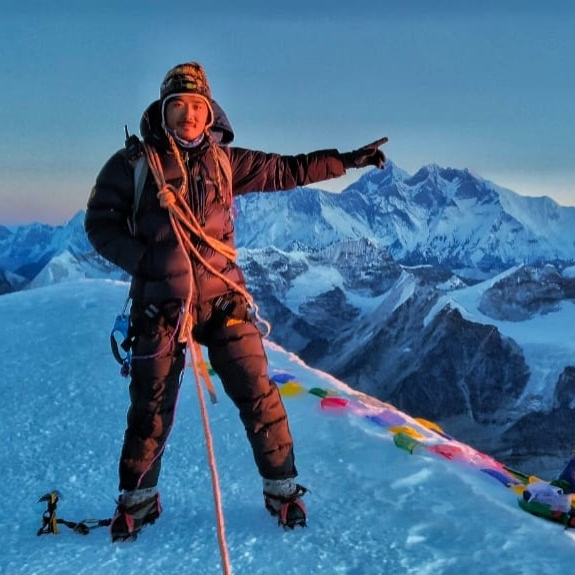
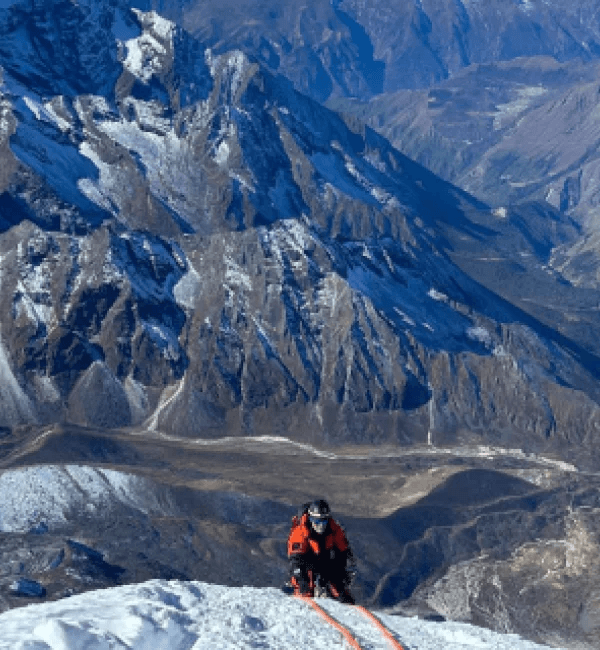
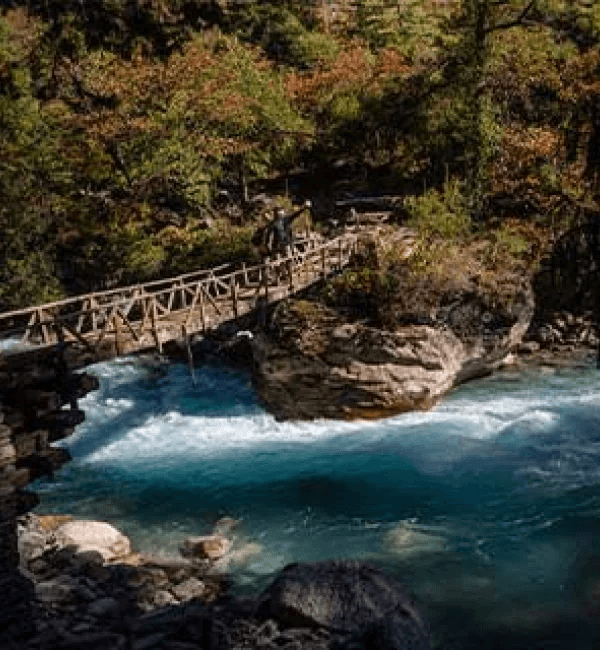
Pachermo Peak Climbing is a serious high-altitude expedition that combines remote Himalayan trekking, a demanding high-pass crossing, glacier travel, and a summit attempt at 6,273m. Good preparation is not simply about carrying the right equipment; it is about arriving with the physical conditioning, technical confidence, mental resilience, and realistic expectations required for an environment where weather and mountain conditions can change quickly. Before departure, climbers should understand the following essential aspects of the expedition.
Physical Fitness and Endurance
Pachermo demands sustained physical effort over several days at progressively higher elevations. Climbers should prepare with regular cardiovascular training, long-distance walking or hiking, uphill conditioning, strength training, and endurance-focused workouts. Training should ideally include carrying a backpack over uneven terrain and climbing steep ascents and descents.
The goal is not simply to become strong enough for summit day, but to develop the endurance required to perform consistently throughout the entire expedition.
Previous Climbing Experience
Pachermo is not an introductory trekking peak. Experience with high-altitude trekking and basic mountaineering techniques is strongly recommended. Familiarity with crampon use, ice-axe handling, rope techniques, ascending and descending fixed lines, and movement on snow and glacial terrain can significantly improve both confidence and safety.
Climbers without extensive technical experience should discuss their background with Peak 15 Adventure before the expedition so that appropriate preparation and guidance can be arranged.
Acclimatization Matters
Altitude is one of the most important challenges of the Pachermo expedition. The itinerary is designed to gain elevation progressively, allowing the body time to adapt before reaching the highest sections of the route. Climbers should follow the acclimatization schedule carefully and avoid treating rest or acclimatization days as optional.
Any symptoms of altitude illness should be communicated immediately to the expedition guide. On a high mountain, recognizing a problem early is far more important than pushing through it.
Tashi Lapcha Pass Crossing
Crossing Tashi Lapcha Pass (approximately 5,755m) is one of the defining challenges of the journey. The pass involves steep, exposed, and potentially snow- or ice-covered terrain, depending on conditions. The crossing requires careful pacing, appropriate equipment, and close coordination with the climbing team.
Weather, snow conditions, and route accessibility can influence the exact approach and crossing strategy. Flexibility is therefore an essential part of the expedition mindset.
Glacier and Technical Terrain
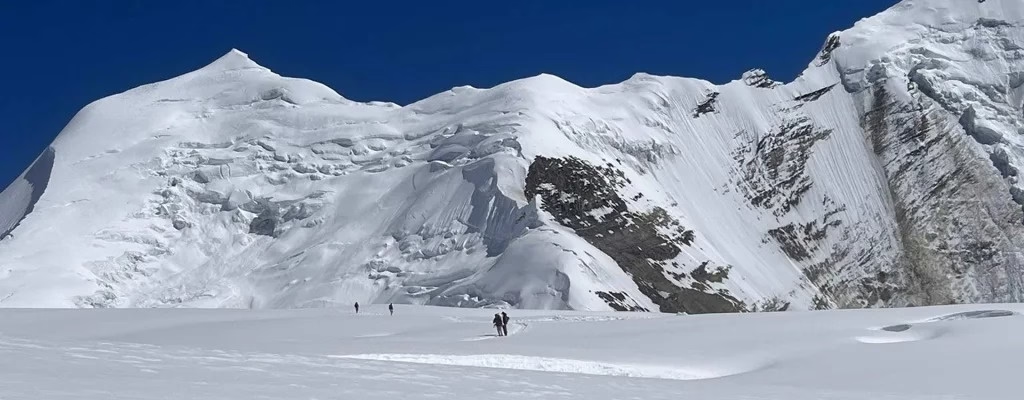
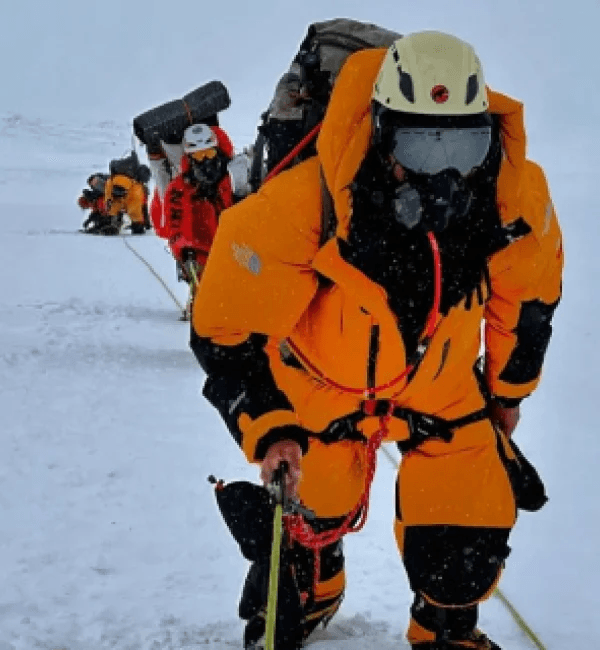
As the expedition moves into higher terrain, climbers may encounter glaciers, crevasses, steep snow slopes, and other alpine hazards. Appropriate mountaineering equipment-including crampons, ice axe, harness, helmet, carabiners, ascender, and suitable ropes or protection systems-is essential according to the route and current conditions.
Peak 15 Adventure's climbing team will provide technical guidance and establish appropriate safety procedures for the high-altitude sections.
Weather and Mountain Conditions
Mountain weather can change rapidly, particularly at high elevations. Strong winds, snowfall, low temperatures, poor visibility, and changing snow conditions can affect both the climbing schedule and route safety.
For this reason, the itinerary should be viewed as a carefully planned framework rather than an inflexible timetable. Summit attempts and high-pass crossings may need to be adjusted according to actual mountain conditions.
Summit Day
Summit day requires an early start, careful pacing, and strong mental discipline. Climbers should be prepared for a long day in cold, oxygen-thin conditions and understand that reaching the summit is dependent on weather, route conditions, physical condition, and the guide's safety assessment.
A successful expedition is not measured by reaching the summit at any cost. The mountain decides; the team responds. If conditions become unsafe, the expedition leader may modify or abandon the summit attempt.
Equipment and Personal Gear
Having the right equipment is essential for comfort and safety. Personal gear should be selected specifically for high-altitude climbing rather than ordinary trekking.
Essential categories generally include:
Mountaineering boots suitable for high-altitude conditions
Crampons and compatible footwear
Ice axe
Climbing harness and helmet
Ascender and appropriate carabiners
Down jacket and high-altitude insulation layers
Waterproof and windproof outer layers
Warm gloves and spare gloves
Thermal base layers
Sleeping bag suitable for very cold temperatures
Sunglasses and glacier-protection eyewear
Headlamp with spare batteries
Trekking poles
Water bottles or hydration system
Sunscreen and high-SPF lip protection
Personal first-aid and medication supplies
Duffel bag and daypack
A detailed equipment checklist should be reviewed before departure, and all technical equipment should be inspected before entering the high mountains.
Food and Hydration
Maintaining energy and hydration becomes increasingly important as altitude increases. Climbers should drink regularly, even when they do not feel thirsty, and maintain a balanced intake of carbohydrates, protein, and calories throughout the journey.
Warm fluids are particularly valuable in the higher camps, where cold temperatures and physical exertion increase the body's demands.
Mental Preparation
Pachermo is as much a test of mindset as it is of physical strength. Long trekking days, cold temperatures, basic mountain facilities, uncertainty caused by weather, and the psychological pressure of high-altitude climbing can challenge even well-trained climbers.
Patience, adaptability, teamwork, and the ability to make disciplined decisions are essential qualities. The strongest climber is not always the fastest; often, it is the one who knows when to move forward and when to wait.
Communication and Teamwork
High-altitude expeditions work best when every team member communicates openly. Climbers should immediately inform their guide about unusual fatigue, headaches, dizziness, breathing difficulties, cold injuries, or any other concerns.
Following the guide's instructions during technical sections, pass crossings, and summit attempts is essential for maintaining team safety.
Permits and Expedition Formalities
Pachermo Peak climbing requires the appropriate permits and official expedition arrangements. Peak 15 Adventure will coordinate the necessary climbing permits, trekking documentation, local logistics, and expedition arrangements as applicable to the package.
Climbers should ensure that their passport, travel insurance, emergency contact information, and other required documents are valid and accessible before departure.
Travel and Insurance
Comprehensive travel insurance is strongly recommended and should specifically cover high-altitude trekking and mountaineering, including emergency evacuation where applicable. Climbers should carefully review their policy's altitude limits and exclusions rather than assuming that a standard travel insurance policy covers expedition activities.
It is also wise to carry copies of important travel and insurance documents in both physical and digital formats.
Be Prepared for Flexibility
No Himalayan expedition can be controlled completely. Flight delays, weather changes, snowfall, route conditions, health concerns, and other unforeseen circumstances can affect the itinerary.
A flexible mindset allows climbers to enjoy the journey rather than becoming overly focused on a fixed schedule. Buffer time, where included in the itinerary, provides valuable flexibility for responding to changing mountain conditions.
Respect the Mountain and the Local Environment
Pachermo takes climbers through fragile Himalayan environments and communities where responsible travel matters. Trekkers and climbers should minimize waste, avoid unnecessary disturbance to the natural environment, respect local customs, and follow responsible mountain practices throughout the journey.
For Peak 15 Adventure, responsible expedition management is part of reaching the summit-not something that begins after it.
The Peak 15 Adventure Approach
At Peak 15 Adventure, we believe that preparation is the foundation of a successful expedition. From pre-climb equipment checks and acclimatization planning to technical guidance and summit-day decision-making, our approach is built around safety, experience, preparation, and responsible mountain travel.
Pachermo is a demanding mountain, and we treat that challenge with the respect it deserves. The objective is to help climbers arrive prepared, climb intelligently, and return with an achievement they can be proud of-not simply a photograph from 6,273m.