The Island Peak (6,165m) Climbing with Everest Base Camp expedition is a journey that brings together two defining experiences of the Khumbu: walking into the heart of the Everest region and standing on the summit of a Himalayan peak. Rather than ending at Everest Base Camp, the adventure continues into the high-altitude climbing environment of Island Peak, where trekking skills give way to glacier travel, rope techniques, crampon movement, and a carefully managed summit attempt.
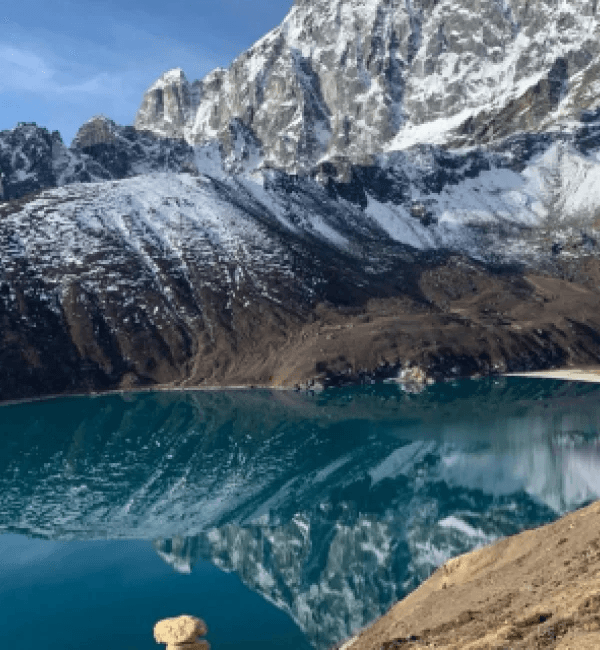
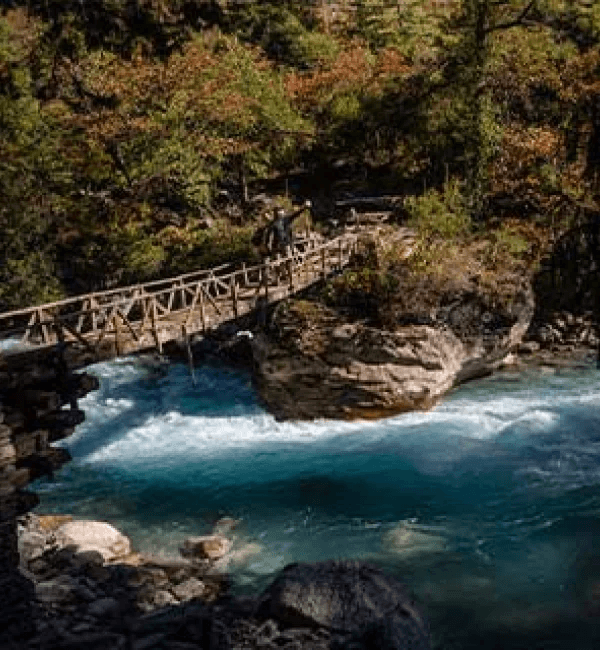
The expedition begins with the legendary approach through the Khumbu, following trails shaped by generations of Sherpa communities. From Lukla, the route gradually climbs through mountain villages, suspension bridges, rhododendron forests, and dramatic valleys toward Namche Bazaar. As the altitude increases, the landscape becomes increasingly alpine, with the towering faces of Ama Dablam, Lhotse, Nuptse, and other Himalayan giants becoming constant companions.
Acclimatization is an essential part of the journey. Time is built into the itinerary to allow the body to adapt progressively to the decreasing oxygen levels at altitude. The trail continues through Tengboche and Dingboche before reaching the higher reaches of the Khumbu and ultimately Everest Base Camp at 5,364m. Standing beneath the world's highest mountain is a major milestone, but on this expedition it is only one part of the larger objective.
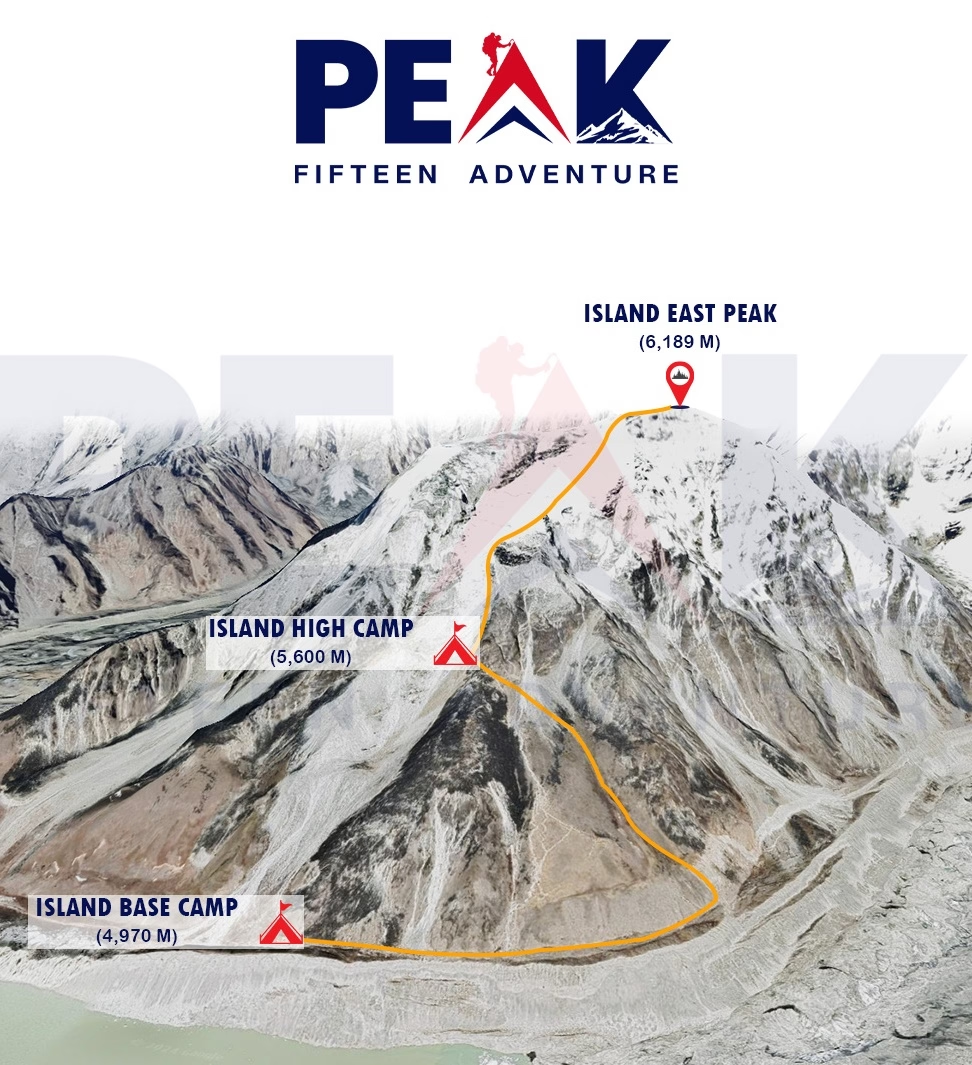
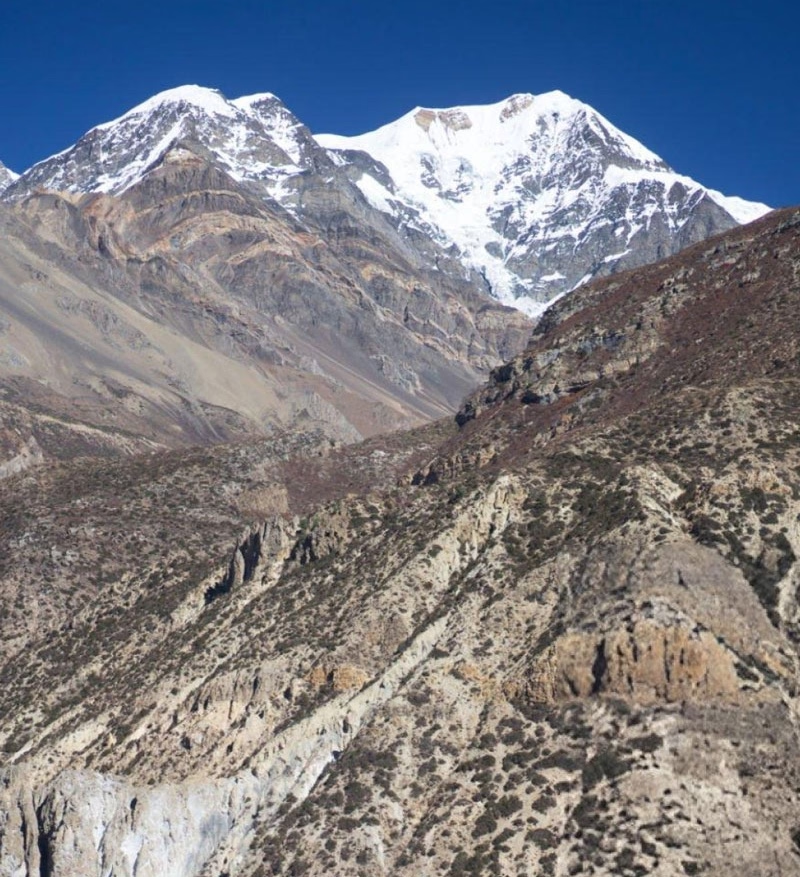
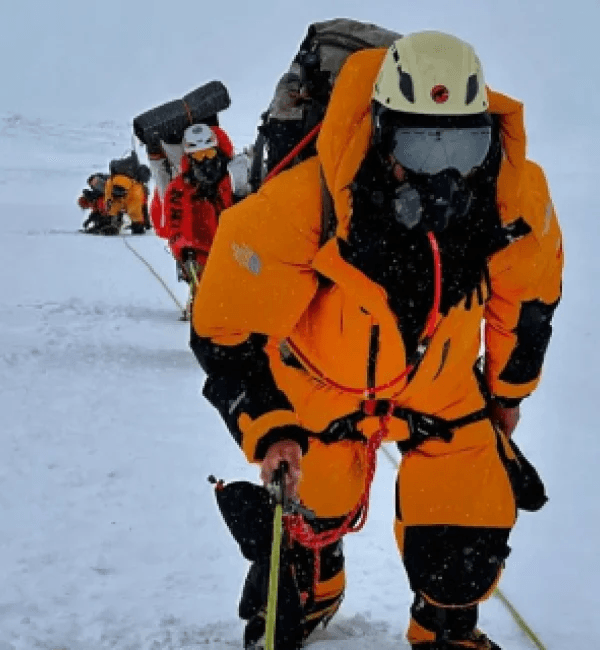
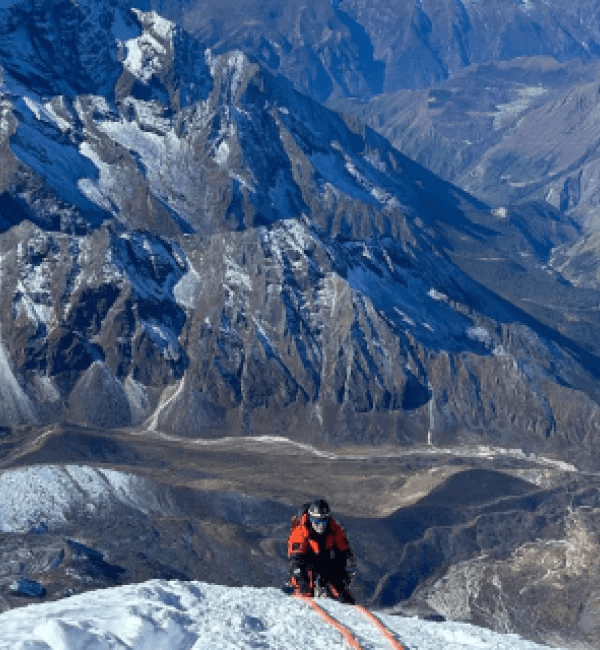
From the Everest Base Camp section of the journey, attention turns toward Island Peak, also known as Imja Tse. Rising above the Imja Valley, the mountain offers a challenging introduction to Himalayan peak climbing without removing the seriousness of high-altitude mountaineering. The climb involves steep sections, glacial terrain, fixed ropes, crampon use, and a demanding summit ascent. Before the summit push, climbers receive essential instruction and practical preparation from the expedition team, allowing them to understand the equipment, movement techniques, rope systems, and safety procedures required for the climb.
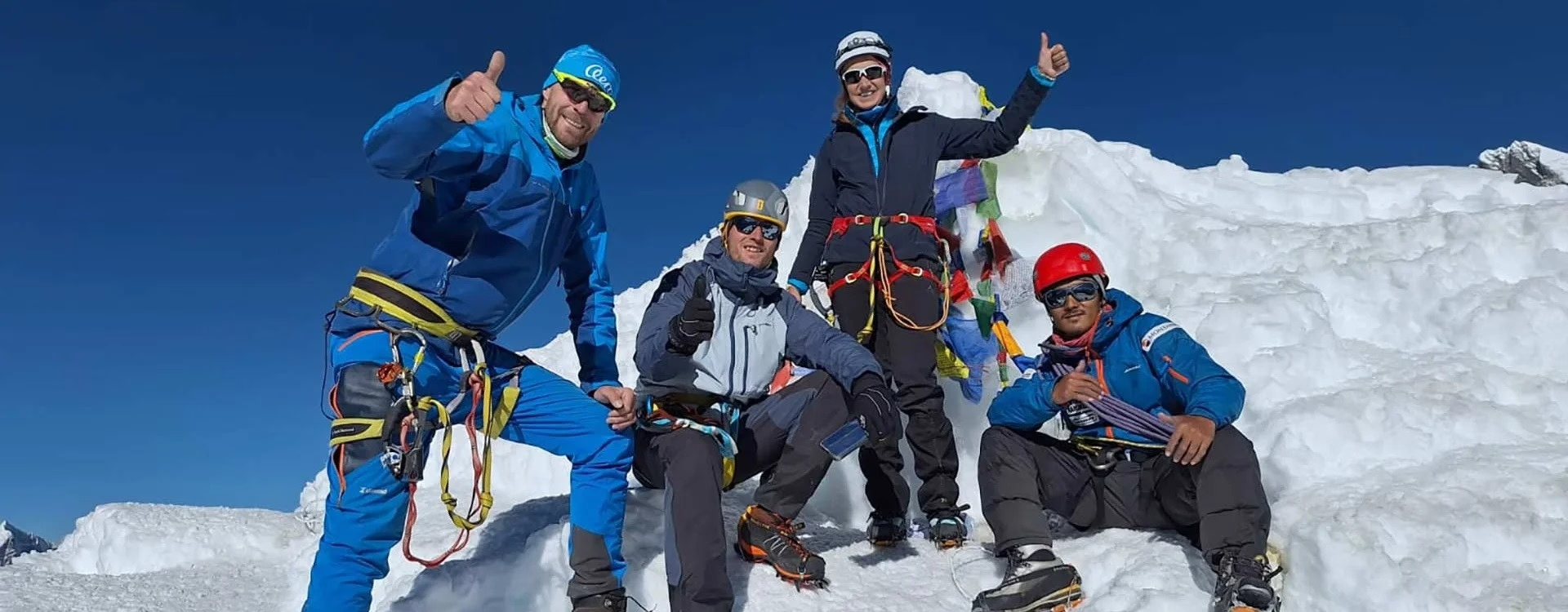
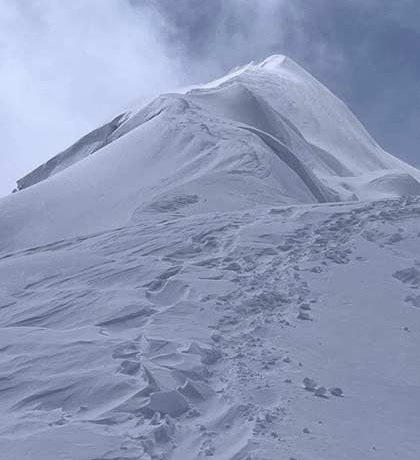
The summit attempt is typically an early-start endeavor, designed around mountain conditions and the need to reach the summit and descend safely. As the route rises above the high camp, the character of the climb changes from trekking to mountaineering. The glacier and steeper climbing sections demand concentration, efficient movement, and careful pacing. Near the summit, the terrain becomes increasingly exposed, culminating in the final ascent toward the Island Peak summit at 6,165m.
Reaching the summit provides a remarkable perspective across the Khumbu Himalaya. The surrounding panorama includes imposing peaks such as Lhotse, Nuptse, Ama Dablam, Makalu, Baruntse, and Cho Oyu, creating a spectacular setting for one of the expedition's defining moments. Yet the summit is only half the task—the descent is equally important, and the expedition team prioritizes controlled movement, energy management, and safe return to lower elevations.
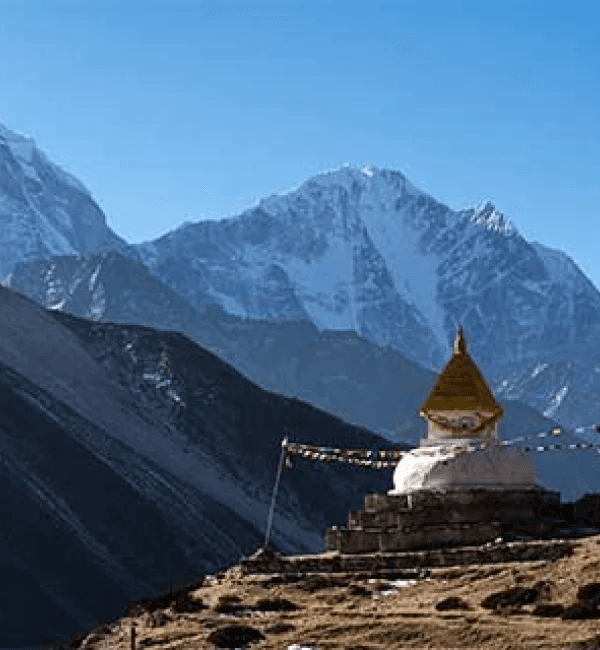
The journey then retraces the Khumbu trail toward Namche Bazaar and Lukla before the flight back to Kathmandu. Along the way, the expedition offers more than altitude and climbing: it brings together Sherpa culture, Buddhist monasteries, historic mountain trails, dramatic Himalayan scenery, and the experience of moving through one of the world's most celebrated mountain regions.
With Peak 15 Adventure, the Island Peak with Everest Base Camp expedition is approached as a complete Himalayan climbing experience-from acclimatization and technical preparation to summit strategy and descent. It is an opportunity to transform the classic Everest Base Camp journey into a more demanding mountain adventure, combining the iconic EBC trail with the discipline and excitement of standing on a 6,165m Himalayan summit.