Peak15Adventure

Chulu Far West Peak (6,419m)

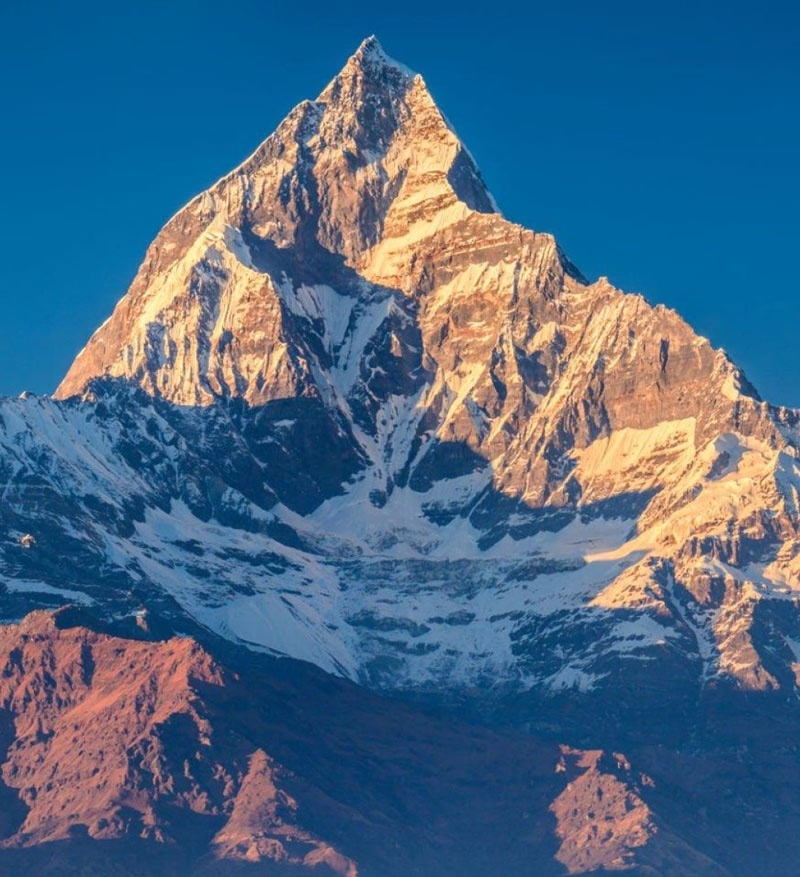
Chulu Far West Peak (6,419m) is a compelling Himalayan climbing adventure in Nepal’s spectacular Manang region, combining a classic Annapurna Circuit approach with the challenge of ascending a high-altitude summit. The journey moves from culturally rich mountain villages and dramatic valleys into a remote alpine environment, where acclimatization, glacier travel, rope techniques, and careful summit preparation become central to the expedition. With experienced Sherpa guides, a structured acclimatization strategy, and dedicated climbing days, the expedition is designed for climbers seeking to step beyond trekking and into the world of Himalayan mountaineering. From the changing landscapes of the Marsyangdi Valley to the expansive views surrounding the summit, Chulu Far West offers a demanding yet rewarding ascent and a true taste of expedition life in the Nepal Himalaya.

Duration
20 days
Max Altitude
6419 m
Destination
Nepal
Accommodation
Hotel
Group Size
2-6
Transport
Private Vehicle & Flight
Meals
B-L-D
Season
Oct - Nov & April- May
Difficulty
Advanced

Why travellers love it

  • Summit Chulu Far West Peak (6,419m) - Take on a demanding Himalayan ascent combining high-altitude trekking with genuine peak-climbing experience.

  • Journey Through the Manang Valley - Follow the spectacular Marsyangdi Valley through traditional mountain settlements, rugged landscapes, and the heart of the Annapurna region.

  • Progressive Acclimatization & Climbing Preparation - Allow your body to adapt gradually while developing the confidence and skills needed for higher-altitude climbing.

  • Glacier & Technical Climbing Experience - Gain practical experience with crampons, ropes, ice axe techniques, and guided movement on challenging alpine terrain.

  • Panoramic Himalayan Summit Experience - Reach the summit at 6,419m and experience sweeping views across the Annapurna and surrounding Himalayan ranges before descending through the high mountain wilderness.

Trip overview

Chulu Far West Peak (6,419m) offers a distinctive Himalayan climbing experience in the high mountain landscape of the Manang region, where the classic Annapurna Circuit gradually gives way to a more remote and demanding alpine environment. Rising above the Manang Valley, the peak combines the cultural richness of the lower Marsyangdi Valley with the physical challenge of high-altitude mountaineering. The approach follows the Annapurna Circuit toward Manang and then branches away from the main trekking trail toward the mountain wilderness, making the expedition feel progressively more remote as the elevation increases.

The journey begins with the changing landscapes of the Marsyangdi Valley, passing through mountain communities, forests, dramatic gorges, and high Himalayan settlements before reaching Manang. Manang serves as an important acclimatization point, allowing the team to prepare physically and mentally before moving toward the climbing section. From here, the route continues through the high-altitude terrain around Yak Kharka and Ledar before entering the dedicated climbing area of Chulu Far West.

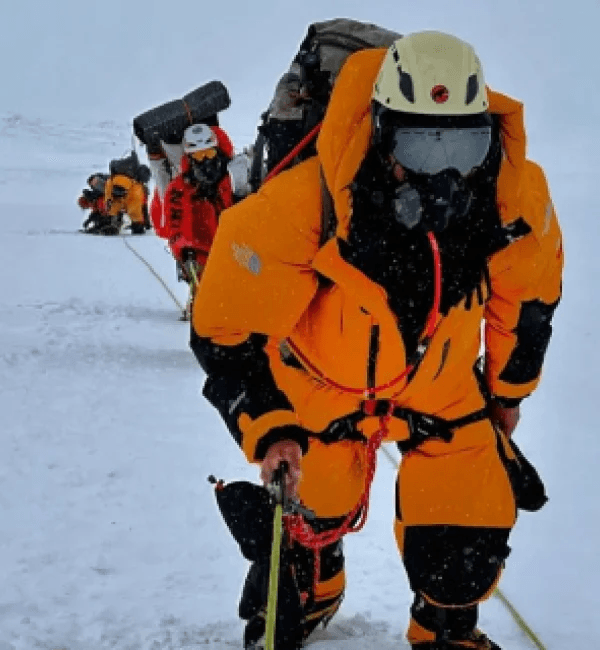
As the expedition leaves the established trekking route, the character of the journey changes. The trail becomes more rugged, with rocky slopes, moraine, snow, and increasingly exposed alpine terrain. Base Camp provides the foundation for the climbing phase, where the team can organize equipment, review the route, and prepare for the higher sections. Depending on route conditions and expedition strategy, the climb involves progressively higher camps and sections where rope work, crampon movement, ice-axe techniques, and careful movement on snow and mixed terrain become important.

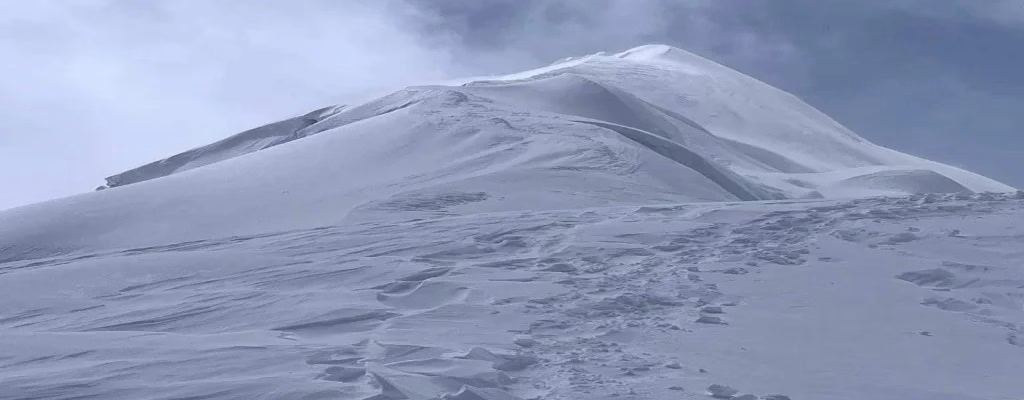
Summit day is the defining moment of the expedition. The ascent demands stamina, disciplined pacing, sound acclimatization, and the ability to remain focused in a high-altitude environment. Mountain conditions can change quickly, so the summit attempt is planned around weather, snow conditions, route safety, and the team's physical condition rather than simply following a fixed timetable. The final climb leads toward the summit ridge and the 6,419m summit of Chulu Far West, where the surrounding Annapurna and Manang landscapes open into an extraordinary Himalayan panorama.

From the summit and upper mountain, climbers can experience expansive views toward major Himalayan landmarks including the Annapurna massif, Gangapurna, Tilicho Peak, Dhaulagiri, Manaslu, Himlung Himal, and the surrounding Chulu peaks, subject to weather and visibility.

For Peak 15 Adventure, the Chulu Far West expedition is more than simply reaching 6,419m. It is about building altitude progressively, learning to move efficiently in demanding terrain, respecting the mountain environment, and creating the right conditions for a safe and rewarding summit attempt. With experienced mountain leadership, carefully planned acclimatization, appropriate climbing equipment, and adequate time for weather and route considerations, the expedition provides a meaningful progression from high-altitude trekking toward more serious Himalayan climbing.

After the climbing phase, the journey reconnects with the Annapurna Circuit, allowing the expedition to close with another iconic chapter of the region-high mountain passes, traditional settlements, and the descent toward the lower valleys. The result is a complete Himalayan experience that brings together trekking, acclimatization, alpine climbing, cultural encounters, and the pursuit of a 6,419m summit in one carefully structured adventure.

 

Itinerary

  • Day 01

    Arrival in Kathmandu (1,400m) & Hotel Transfer

    Welcome to Nepal and the beginning of your Chulu Far West Peak (6,419m) expedition. Upon arrival at Tribhuvan International Airport, a representative from Peak 15 Adventure will meet you and arrange a comfortable transfer to your hotel in Kathmandu. After check-in, you can take time to rest, recover from your journey, and settle into the atmosphere of the Himalayan capital.

    The first day is intentionally relaxed, giving you time to adjust after your international flight while the expedition team makes sure everything is ready for the days ahead. Depending on your arrival time, you may explore the nearby streets of Kathmandu or simply enjoy a quiet evening at the hotel. Your climbing team will also be available to assist with any initial questions and confirm the arrangements for the upcoming expedition.

    • MealsB
    • AccommodationHotel
    • Travel Duration30-45 min
    • RouteTribhuvan International Airport, Kathmandu to Kathmandu
    • TransportationPrivate Vehicle
    • Elevation1,400m to 1,400m
  • Day 02

    Expedition Preparation, Gear Check & Briefing in Kathmandu (1,400m)

    Today is dedicated to preparing for the Chulu Far West Peak (6,419m) expedition before leaving Kathmandu for the Annapurna region. After breakfast, the Peak 15 Adventure team conducts a detailed expedition briefing covering the complete itinerary, trekking and climbing stages, acclimatization strategy, expected mountain conditions, safety procedures, communication arrangements, and the overall summit plan. This session gives you a clear understanding of what lies ahead and how the team will work together throughout the expedition.

    A thorough gear inspection follows the briefing. Your climbing equipment, clothing, footwear, personal essentials, and technical gear are checked to ensure everything is suitable for the high-altitude environment. Any missing or unsuitable equipment can be identified and arranged in Kathmandu before the journey begins. The team also reviews the requirements for the climbing section, including equipment such as crampons, ice axe, harness, helmet, carabiners, ascender, and appropriate high-altitude clothing.

    The remainder of the day is kept relatively relaxed. Use the time to organize your expedition duffel, prepare your daypack, and get adequate rest before the journey toward Manang begins.

    • MealsB/L/D
    • AccommodationHotel
    • RouteKathmandu to Kathmandu
    • Elevation1,400m to 1,400m
  • Day 03

    Drive from Kathmandu to Besisahar (760m)

    The expedition leaves Kathmandu today and heads west toward Besisahar, the principal gateway to the Annapurna Circuit and the beginning of the journey into the Marsyangdi Valley. After an early breakfast, your private vehicle follows the busy Kathmandu Valley roads before gradually entering Nepal’s rural hill country. As the urban landscape fades, the scenery opens into rolling hills, terraced farmland, river valleys, and traditional settlements.

    The drive follows the Prithvi Highway and then continues toward Besisahar, with sections of the journey offering views of rivers, forested hills, and the dramatic topography that characterizes central Nepal. The long drive is an important transition from the capital into the mountain environment, giving the team time to organize logistics and prepare for the trekking days ahead.

    Upon reaching Besisahar, check into the lodge and take time to rest. This lower-elevation overnight stop also provides a comfortable opportunity to recover before the journey continues deeper into the Annapurna region.

    • MealsB/L/D
    • AccommodationTeahouse
    • Travel Duration6-7 hours
    • RouteKathmandu to Besisahar
    • TransportationPrivate Vehicle
    • Elevation1,400m to 760m
  • Day 04

    Drive from Kathmandu via Besisahar to Dharapani (1,860m)

    Today marks a deeper entry into the Annapurna mountain landscape as the expedition continues from Besisahar toward Dharapani. After breakfast, the journey follows the Marsyangdi River upstream through increasingly dramatic terrain, with steep green hills, cascading waterfalls, suspension bridges, terraced fields, and scattered mountain villages gradually replacing the lower valley landscape.

    As the road climbs higher, the surroundings become wilder and more alpine. The route passes through settlements such as Jagat, Chamje, Tal, and Chame-area villages, offering glimpses into the traditional lifestyle of communities living along the Marsyangdi Valley. The changing landscape—from subtropical vegetation toward cooler mountain forests—is one of the highlights of today's journey.

    Reaching Dharapani at 1,860m, the team settles into the lodge for the evening. This is an important transition point for the expedition, as the following days will involve progressively higher elevations and the beginning of the trekking approach toward Manang and Chulu Far West. Take the evening to rest, hydrate, and prepare for the first full trekking day.

    • MealsB/L/D
    • AccommodationTeahouse
    • Travel Duration5-6 hours
    • RouteBesisahar to Dharapani
    • TransportationPrivate Vehicle
    • Elevation760m to 1,860m
  • Day 05

    Trek from Dharapani to Chame (2,670m)

    Today, the expedition officially settles into its trekking phase, following the Marsyangdi Valley toward the higher reaches of the Annapurna region. After breakfast in Dharapani, the trail heads through cool mountain forests and traditional settlements, gradually gaining elevation as you move toward Chame, the administrative center of Manang District.

    The route passes through Bagarchhap and Danaque before continuing toward Timang and beyond. Along the way, the landscape becomes increasingly dramatic, with pine and fir forests, steep valley walls, rushing mountain streams, and glimpses of snow-covered peaks appearing between the trees. The steady ascent provides a natural introduction to the rhythm of high-altitude trekking while allowing the body to begin adapting to the increasing elevation.

    As the trail approaches Chame, the valley opens into a more distinctly alpine setting, with impressive mountain scenery surrounding the settlement. Chame is an important stop on the Annapurna Circuit, offering basic comforts and an opportunity to rest after the day's walk. The evening can be spent recovering, hydrating, and preparing for the continued ascent toward Pisang and Manang.

    • MealsB/L/D
    • AccommodationTeahouse
    • Travel Duration5-6 hours
    • RouteDharapani to Chame
    • TransportationTrekking
    • Elevation1,860m to 2,670m
  • Day 06

    Trek from Chame to Pisang (3,200m)

    Today’s trail continues deeper into the high Himalaya as you leave Chame and follow the Marsyangdi Valley toward Pisang. After breakfast, the route gradually climbs through beautiful pine and fir forests, passing beneath dramatic rock faces and alongside the rushing Marsyangdi River. With every step, the landscape becomes more rugged and distinctly alpine.

    The trail passes through Bhratang, where the valley begins to narrow before opening toward a spectacular mountain amphitheater. Along the way, views of Pisang Peak, Annapurna II, and surrounding Himalayan summits begin to dominate the horizon. The changing vegetation and increasingly dry mountain terrain provide a clear sense that you are moving toward the higher Manang Valley.

    Approaching Pisang, the trail reaches the distinctive settlements of Lower and Upper Pisang, each offering a different perspective of the traditional Himalayan landscape. Depending on the day's conditions and the team's pace, there is time to explore the village, visit its monastery, or simply enjoy the impressive mountain views surrounding the settlement.

    Pisang is an important acclimatization step before reaching Manang and subsequently moving toward the Chulu Far West climbing section. After checking into the lodge, take time to rest, hydrate, and prepare for the next stage of the expedition.

    • MealsB/L/D
    • AccommodationTeahouse
    • Travel Duration5-6 hours
    • RouteChame to Pisang
    • TransportationTrekking
    • Elevation2,670m to 3,200m
  • Day 07

    Trek from Pisang to Manang (3,540m)

    Today takes you into the heart of the upper Manang Valley, with a scenic trek from Pisang to Manang. After breakfast, the trail follows the Marsyangdi River through an increasingly dry and dramatic Himalayan landscape. The route offers two trekking options in this section, with the upper route via Ghyaru and Ngawal providing spectacular views and stronger acclimatization through gradual elevation gain. When conditions and the group's pace allow, this higher trail adds an especially rewarding dimension to the approach.

    The climb toward Ghyaru opens into expansive views of Annapurna II, Annapurna III, Annapurna IV, Gangapurna, Pisang Peak, and surrounding peaks. Continuing through Ngawal, the landscape gradually transitions into the arid, Tibetan-influenced terrain characteristic of Manang. Ancient villages, stone-built houses, mani walls, chortens, and small monasteries reflect the region's distinctive mountain culture.

    The trail eventually descends toward the broad valley and continues to Manang, one of the most important settlements on the Annapurna Circuit and a key acclimatization point for the Chulu Far West expedition. After reaching the village, settle into the lodge, hydrate well, and enjoy the impressive mountain surroundings. The following day is reserved for acclimatization before moving toward higher elevations.

    • MealsB/L/D
    • AccommodationTeahouse
    • Travel Duration5-7 hours
    • RoutePisang to Manang
    • TransportationTrekking
    • Elevation3,200m to 3,540m
  • Day 08

    Acclimatization & Exploration Day in Manang (3,540m)

    Today is a strategically important day in the Chulu Far West Peak expedition, dedicated to acclimatization before the team moves into increasingly demanding high-altitude terrain. Rather than treating the day as complete rest, we use it for a controlled “climb high, sleep low” approach, allowing the body to adapt to the thinner air while keeping the day's activity manageable.

    After breakfast, the team can undertake a gradual acclimatization hike above Manang. Depending on weather, group condition, and local trail conditions, options may include exploring the surrounding ridges, visiting Gangapurna Lake, or hiking toward nearby viewpoints. The activity provides valuable exposure to higher elevation without adding unnecessary fatigue. Along the way, the surrounding peaks and glacial landscapes offer an impressive introduction to the environment in which the climbing phase will soon unfold.

    Back in Manang, the afternoon is reserved for recovery, hydration, and preparation. The climbing guides can review the upcoming route, discuss altitude-management practices, and check personal and technical equipment before the team continues toward the Chulu Far West climbing area. This is also a good opportunity to explore Manang's distinctive Tibetan-influenced culture, traditional stone architecture, monasteries, and mountain lifestyle.

    A successful 6,419m summit attempt begins with disciplined acclimatization, and today's measured pace is an important part of that process.

    • MealsB/L/D
    • AccommodationTeahouse
    • RouteManang to Manang
    • Elevation3,540m to 3,540m
  • Day 09

    Trek from Manang to Ledar (4,200m)

    Today the expedition leaves Manang and moves decisively into the high-altitude zone. After breakfast, the trail follows the Marsyangdi Valley toward Yak Kharka, gradually climbing through increasingly sparse vegetation and open mountain terrain. As the elevation rises, the landscape becomes drier and more exposed, with wide views toward the surrounding Annapurna and Chulu ranges.

    The route passes through Tanki Manang and Gunsang before continuing toward Yak Kharka. The trail then climbs steadily across open hillsides toward Ledar, with the dramatic peaks of the Annapurna region forming a constant backdrop. At this elevation, the pace naturally becomes slower, and maintaining a comfortable rhythm is more important than covering the trail quickly.

    Reaching Ledar at 4,200m marks another significant acclimatization milestone before the expedition moves toward Chulu Far West Base Camp. The afternoon is kept relaxed so the team can recover, hydrate, and prepare for the more remote and demanding terrain ahead. Your climbing guides will also monitor the team's condition and review the next stage of the route.

    • MealsB/L/D
    • AccommodationTeahouse
    • Travel Duration4-5 hours
    • RouteManang to Ledar
    • TransportationTrekking
    • Elevation3,540m to 4,200m
  • Day 10

    Trek from Ledar to Chulu Far West Base Camp (4,900m)

    Today marks the transition from the established Annapurna trekking route into the dedicated climbing phase of the Chulu Far West Peak expedition. Leaving Ledar after breakfast, the team continues through increasingly rugged high-altitude terrain, following the valley toward the Chulu mountain group. The landscape becomes more barren and exposed as the trail rises above the tree line, with rocky slopes, alpine meadows, moraine formations, and towering Himalayan peaks defining the surroundings.

    The approach requires a steady and controlled pace. At this elevation, every ascent demands more effort, and the team will focus on maintaining good breathing, staying hydrated, and allowing sufficient time for acclimatization. As you move farther from the main trekking settlements, the sense of remoteness increases, and the Chulu peaks begin to dominate the skyline.

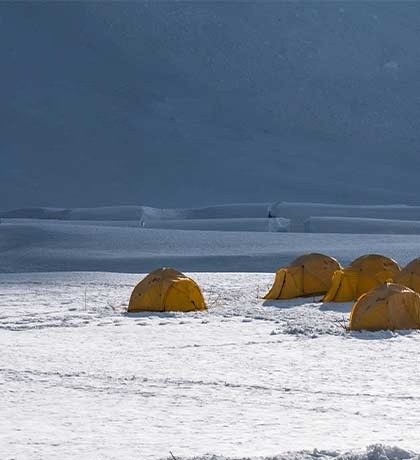
    Reaching Chulu Far West Base Camp at approximately 4,900m, the climbing team establishes camp and begins preparations for the days ahead. The guides will review the route, organize climbing equipment, inspect personal gear, and discuss the expected conditions above Base Camp. This is also an important opportunity to rest and conserve energy before moving toward higher camps.

    The evening is kept calm and purposeful. A warm meal, hydration, equipment preparation, and adequate rest are essential as the expedition enters its most demanding stage.

    • MealsB/L/D
    • AccommodationTented camp
    • Travel Duration5-6 hours
    • RouteLedar to Chulu Far West Base Camp
    • TransportationTrekking
    • Elevation4,200m to 4,900m
  • Day 11

    Climb from Chulu Far West Base Camp to High Camp (Approx. 5,500m)

    Today the expedition moves deeper into the climbing environment as you leave Chulu Far West Base Camp and ascend toward the mountain's High Camp. After an early breakfast, the team begins climbing across increasingly rugged alpine terrain, where the landscape shifts from rocky moraine and scree toward steeper slopes and sections of snow, depending on the season and current route conditions.

    The ascent is deliberately paced. At approximately 5,000m and above, the reduced oxygen level makes even moderate climbing physically demanding, so the team maintains a steady rhythm with regular short breaks. The climbing guides will assess the terrain throughout the ascent and provide instruction on efficient movement, route-finding, and the appropriate use of technical equipment where required.

    As the route gains elevation, the surrounding Himalayan panorama becomes increasingly expansive. The dramatic peaks of the Annapurna and Chulu ranges rise around the expedition, while the increasingly remote setting creates a clear sense that the summit attempt is approaching.

    After reaching High Camp at approximately 5,500m, the team establishes camp and settles in for the night. The guides conduct a final inspection of climbing equipment, review the summit route and weather conditions, and explain the expected schedule for the summit push. Crampons, harnesses, ice axe, helmet, climbing hardware, clothing, and personal equipment are organized so everything is ready before the early start.

    The evening is focused on rest, hydration, nutrition, and mental preparation. There is little unnecessary activity because conserving energy at High Camp is essential for the demanding summit attempt ahead.

    • MealsB/L/D
    • AccommodationTented Camp
    • Travel Duration4-6 hours
    • RouteChulu Far West Base Camp to Chulu Far West High Camp
    • TransportationClimbining
    • Elevation4,900m to 5,500m
  • Day 12

    Climb from Chulu Far West Base Camp to High Camp (Approx. 5,500m)

    Today the expedition moves deeper into the climbing environment as you leave Chulu Far West Base Camp and ascend toward the mountain's High Camp. After an early breakfast, the team begins climbing across increasingly rugged alpine terrain, where the landscape shifts from rocky moraine and scree toward steeper slopes and sections of snow, depending on the season and current route conditions.

    The ascent is deliberately paced. At approximately 5,000m and above, the reduced oxygen level makes even moderate climbing physically demanding, so the team maintains a steady rhythm with regular short breaks. The climbing guides will assess the terrain throughout the ascent and provide instruction on efficient movement, route-finding, and the appropriate use of technical equipment where required.

    As the route gains elevation, the surrounding Himalayan panorama becomes increasingly expansive. The dramatic peaks of the Annapurna and Chulu ranges rise around the expedition, while the increasingly remote setting creates a clear sense that the summit attempt is approaching.

    After reaching High Camp at approximately 5,500m, the team establishes camp and settles in for the night. The guides conduct a final inspection of climbing equipment, review the summit route and weather conditions, and explain the expected schedule for the summit push. Crampons, harnesses, ice axe, helmet, climbing hardware, clothing, and personal equipment are organized so everything is ready before the early start.

    The evening is focused on rest, hydration, nutrition, and mental preparation. There is little unnecessary activity because conserving energy at High Camp is essential for the demanding summit attempt ahead.

    • MealsB/L/D
    • AccommodationTented camp
    • Travel Duration4-6 hours
    • RouteChulu Far West Base Camp to Chulu Far West High Camp
    • TransportationClimbing
    • Elevation4,900m to 5,500m
  • Day 13

    Summit Chulu Far West Peak (6,419m) & Descend to Base Camp

    Today is the defining day of the expedition-the summit attempt on Chulu Far West Peak at 6,419m. The team begins well before dawn from High Camp, preparing in the cold and darkness for a long day on the mountain. After a final equipment check, climbers rope up where required and begin the ascent under the guidance of the Peak 15 Adventure climbing team.

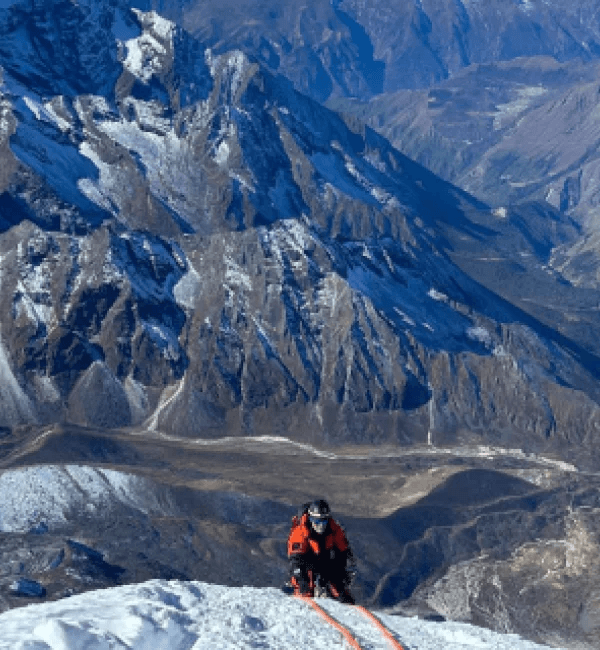
    The climb demands patience and disciplined pacing as the route moves through high-altitude snow, ice, rocky sections, and exposed alpine terrain depending on the prevailing conditions. With oxygen levels significantly reduced, every movement becomes deliberate. The guides monitor the route and the condition of each climber while managing the pace according to weather, snow conditions, and the team's overall safety.

    As daylight strengthens, the surrounding Himalaya gradually comes into view. The final section toward the summit requires sustained effort, concentration, and careful movement. Reaching the 6,419m summit of Chulu Far West is the culmination of days of trekking, acclimatization, preparation, and climbing. From the summit, weather permitting, climbers can enjoy an extraordinary panorama across the Annapurna and Chulu ranges, with the vast Manang landscape unfolding far below.

    After spending only the necessary time at the summit, the team begins the descent. Descending safely is just as important as reaching the top, particularly after the physical demands of the summit push. The route is retraced carefully toward High Camp and onward to Chulu Far West Base Camp, where the team can finally relax after the day's demanding climb.

    This is a day of endurance, teamwork, careful decision-making, and achievement—6,419m reached, with the mountain respected from ascent to descent.

    • MealsB/L/D
    • AccommodationTented Camp
    • Travel Duration9-12 hours
    • RouteChulu Far West High Camp to Chulu Far West Base Camp
    • Transportationsummit ascent and descent
    • Elevation5,500m to 4,900m
  • Day 14

    Reserve / Contingency Summit Day

    Day 14 is intentionally kept as a reserve climbing day, providing the expedition with valuable flexibility in the unpredictable Himalayan environment. Although the primary summit attempt is scheduled for Day 13, conditions on a 6,419m peak can change rapidly. Strong winds, snowfall, cloud cover, poor visibility, route conditions, or the physical condition of the climbing team may require the summit attempt to be postponed.

    If the team successfully reaches the summit on Day 13, this day becomes an opportunity for recovery and safe descent preparation. The climbers can rest at Base Camp, reorganize equipment, hydrate, and allow their bodies to recover after the demanding summit push. The climbing guides will also assess the team's condition and prepare for the descent toward the lower elevations.

    If the summit attempt on Day 13 is postponed, the reserve day provides an additional opportunity to make the climb when conditions become suitable. The decision to proceed is based on weather, route safety, snow and ice conditions, acclimatization, and the condition of the climbers, rather than simply following the planned calendar.

    A contingency day is an essential part of responsible Himalayan expedition planning, giving the team the flexibility to respond to the mountain rather than forcing a summit attempt in unfavorable conditions.

    • MealsB/L/D
    • AccommodationTented Camp
    • RouteChulu Far West Base Camp to Chulu Far West Base Camp
    • TransportationRest, recovery, or summit attempt
    • Elevation4,900m to 4,900–6,419m
  • Day 15

    Descend from Chulu Far West Base Camp to Ledar (4,200m)

    With the climbing phase completed, today begins the descent from the high alpine environment back toward the established Annapurna Circuit trail. After breakfast at Chulu Far West Base Camp, the team packs the expedition equipment and begins a controlled descent toward Ledar. Following the summit push and contingency period, the lower elevation provides a welcome opportunity to recover while continuing through the dramatic landscapes of the Manang region.

    The trail gradually leaves the rugged climbing terrain behind, passing through rocky slopes, moraine-covered sections, and open high-altitude landscapes before reconnecting with the main trekking route. As the elevation decreases, the air becomes noticeably more comfortable and the pace can become more relaxed. The surrounding Annapurna and Chulu ranges continue to provide an impressive backdrop throughout the descent.

    Reaching Ledar at 4,200m, the team settles into the lodge and enjoys a well-earned recovery evening. This descent is an important part of the expedition, allowing the body to move away from the stresses of extreme altitude while preparing for the next major section of the journey toward Thorong La and Muktinath.

    • MealsB/L/D
    • AccommodationTeahouse
    • Travel Duration5-6 hours
    • RouteChulu Far West Base Camp to Ledar
    • TransportationDecending
    • Elevation4,900m to 4,200m
  • Day 16

    Trek from Ledar to Thorong Phedi / High Camp

    Today, the expedition continues toward Thorong Phedi, the final staging point before crossing the famous Thorong La Pass. After breakfast in Ledar, the trail follows the upper Marsyangdi Valley across rugged mountain terrain, with steep slopes and dramatic cliffs rising on either side. The route is relatively short, but the high elevation makes the walk physically demanding, so the team maintains a steady and controlled pace.

    As you leave Ledar, the landscape becomes increasingly barren and alpine. The trail crosses exposed hillsides and follows the valley toward Thorong Phedi, where trekkers traditionally prepare for the following day's pass crossing. Depending on the team's condition, weather, and lodge availability, the overnight may be arranged at Thorong Phedi or Thorong High Camp.

    The afternoon is intentionally relaxed. After completing the Chulu Far West climb, the team can use this time to recover, hydrate, organize daypacks, and prepare warm clothing and essential items for the early-morning crossing of Thorong La at 5,416m. The guides will also review the next day's route, expected conditions, and pacing strategy.

    • MealsB/L/D
    • AccommodationTeahouse
    • Travel Duration4-5 hours
    • RouteLedar to Thorong Phedi to Thorong High Camp
    • TransportationTrekking
    • Elevation4,200m to 4,450m to 4,800m
  • Day 17

    Cross Thorong La Pass (5,416m) & Trek to Muktinath (3,800m)

    Today is one of the most memorable days of the expedition, as the team crosses Thorong La Pass at 5,416m, one of the highest trekking passes in the world. After an early breakfast, the journey begins before sunrise to take advantage of the typically calmer morning conditions. The ascent from Thorong Phedi or High Camp is steady and demanding, with the thin air requiring a slow, controlled pace.

    As the trail climbs toward the pass, the landscape becomes increasingly stark and dramatic. Snow-covered slopes, rocky ridges, and vast Himalayan horizons surround the route. After several hours of sustained uphill trekking, the team reaches the Thorong La Pass, marked by traditional prayer flags and a memorable sense of achievement. From this high point, the views stretch across the surrounding Himalayan terrain, weather permitting.

    After spending some time at the pass, the route begins a long descent toward Muktinath, on the Mustang side of the Himalaya. The landscape changes dramatically during the descent, becoming drier and more desert-like as the trail drops into the rain-shadow region. The contrast between the high pass and the arid valleys below makes this one of the most striking transitions of the Annapurna journey.

    Upon reaching Muktinath, the team checks into the lodge and enjoys a well-earned evening of rest. Muktinath is also an important pilgrimage destination, revered by both Hindus and Buddhists, adding a meaningful cultural dimension to the expedition's final mountain chapter.

    • MealsB/L/D
    • AccommodationTeahouse
    • Travel Duration7-9 hours
    • RouteThorong Phedi / High Camp to Muktinath
    • TransportationTrekking
    • Elevation4,450–4,800m to 3,800m
  • Day 18

    Drive from Muktinath to Jomsom & Pokhara

    Today marks the transition from the high mountain trails into the lower valleys of Mustang, as the expedition begins its journey toward Pokhara. After breakfast in Muktinath, the team boards a private vehicle and follows the rugged Kali Gandaki Valley toward Jomsom, the administrative center of Mustang and an important gateway between the high Himalaya and the lower valleys.

    The drive offers a fascinating change in scenery. The dry, windswept landscapes around Muktinath gradually give way to the deep Kali Gandaki Valley, with dramatic cliffs, barren hills, traditional settlements, and distant snow-covered peaks creating a striking contrast to the green landscapes encountered earlier in the expedition. Depending on road and weather conditions, there may be brief stops along the way to enjoy the scenery and stretch during the journey.

    After reaching Jomsom, the journey continues toward Pokhara by road. The landscape gradually becomes greener as the elevation decreases, providing a welcome contrast after weeks spent in the high Himalayan environment. Upon arrival in Pokhara, check into the hotel and enjoy a comfortable evening of rest after the long journey.

    • MealsB/L/D
    • AccommodationHotel
    • Travel Duration7-9 hours
    • RouteMuktinath to Pokhara
    • TransportationTrekking
    • Elevation3,800m to 820m
  • Day 19

    Fly from Pokhara to Kathmandu (1,400m) & Leisure Time

    After breakfast, the expedition heads to Pokhara Airport for a scenic flight back to Kathmandu. The short flight provides a final aerial perspective of Nepal's diverse landscape, with the transition from the lakeside city of Pokhara to the bustling Kathmandu Valley offering a fitting contrast to the remote Himalayan environment you have experienced throughout the expedition.

    Upon arrival in Kathmandu, a Peak 15 Adventure representative will transfer you to your hotel. The remainder of the day is intentionally kept free for rest, relaxation, and personal activities. After the physical demands of the Chulu Far West expedition and the long journey through the Annapurna region, this is an opportunity to unwind, reconnect with the city, shop for souvenirs, or simply enjoy a comfortable evening.

    You may also use this time to organize your photographs and memories from the expedition or spend a relaxed evening exploring Kathmandu's vibrant streets and cultural surroundings. Your final departure arrangements will be reconfirmed by the expedition team before tomorrow's airport transfer.

    • MealsB/L/D
    • AccommodationHotel
    • Travel Duration25-30 min
    • RoutePokhara to Kathmandu
    • TransportationFlight
    • Elevation820m to 1400m
  • Day 20

    Departure from Kathmandu – Airport Drop-off According to Flight Schedule

    Today marks the conclusion of your Chulu Far West Peak (6,419m) expedition with Peak 15 Adventure. After breakfast at the hotel, the morning is kept free until your scheduled international departure. Depending on your flight time, you can use the remaining hours to relax at the hotel, enjoy a final breakfast in Kathmandu, or make any last-minute arrangements before leaving Nepal.

    At the appropriate time, a Peak 15 Adventure representative will arrange your private transfer to Tribhuvan International Airport according to your flight schedule. Allow sufficient time for airport procedures and international check-in.

    As you depart Kathmandu, you carry with you more than memories of a journey—from the Marsyangdi Valley and Manang to the high camps and the 6,419m summit of Chulu Far West, followed by the crossing of Thorong La. The expedition comes to an end, but the experience of climbing in the Nepal Himalaya remains a lasting part of your adventure.

    • MealsB
    • Travel Duration30-45 min
    • RouteKathmandu to Tribhuvan International Airport, Kathmandu
    • TransportationPrivate Vehicle
    • Elevation1400m to 1400m
Altitude profileMax 5,500 m
1,400 mD11,400 mD2760 mD31,860 mD42,670 mD53,200 mD63,540 mD73,540 mD84,200 mD94,900 mD105,500 mD115,500 mD124,900 mD134,900 mD144,200 mD154,450 mD163,800 mD17820 mD181,400 mD191,400 mD20

Are you looking to customize the trip itinerary?

If the provided schedule is not suitable for you, we can create a personalized travel arrangement tailored to your preferences and requirements.

Customize Trip

Cost breakdown

What's included
  • Climbing and trekking permits, including Everest summit.

  • Kathmandu hotel and Base Camp tent accommodation.

  • Meals during the trek and Base Camp.

  • Certified guides, sherpas, and support staff.

  • Group climbing gear (ropes, ladders, oxygen, etc.).

  • Domestic flights and airport transfers.

  • Medical support and first aid kits.

  • Glacier training and safety preparation.

  • Emergency communication tools (satellite phones, radios).

What's not included
  • International flights to/from Kathmandu.

  • Personal climbing gear (boots, down suit, oxygen, etc.).

  • Insurance (travel, medical, evacuation).

  • Nepal visa fees.

  • Personal expenses (tips, laundry, drinks).

  • Costs from delays due to weather or itinerary changes.

  • Emergency rescue costs beyond insurance.

  • Meals in Kathmandu not specified in the package.

Upcoming departures

Filter departures by month
Apr 7 – Apr 27, 2027
Available
—

All prices per person, twin share. Subject to availability — Chulu Far West Peak (6,419m) dates fill quickly in peak season.

Useful information

Altitude & Acclimatization

  • Chulu Far West Peak reaches 6,419m, making proper acclimatization one of the most important parts of the expedition.

  • The itinerary is designed to gain elevation progressively, with acclimatization periods before entering the higher climbing environment.

  • Climbers should maintain a steady pace, stay hydrated, eat regularly, and communicate immediately with the guide if they experience symptoms of altitude illness.

  • Summit success depends not only on physical strength but also on allowing the body sufficient time to adapt to increasing altitude.

Climbing Experience & Technical Preparation

  • Chulu Far West is a 6,000m-class Himalayan climbing objective, requiring more than ordinary trekking experience.

  • Depending on route and mountain conditions, climbers may encounter snow, ice, rock, moraine, and exposed alpine terrain.

  • Familiarity with crampons, ice axe techniques, fixed ropes, harness systems, and basic rope movement is highly beneficial.

  • Peak 15 Adventure guides will provide necessary technical guidance and practical preparation before the summit attempt.

Physical Fitness & Mental Readiness

  • Climbers should arrive with good cardiovascular endurance, leg strength, stamina, and the ability to walk for several hours at high altitude.

  • Training should include uphill hiking, long-duration walks, strength conditioning, and carrying a moderately loaded backpack.

  • Mental resilience is equally important. Cold, fatigue, wind, limited oxygen, and changing mountain conditions can make the summit day demanding.

  • The objective is to climb efficiently and responsibly, rather than rushing for altitude.

Weather & Mountain Conditions

  • Conditions above 5,000m can change rapidly, with strong winds, snowfall, freezing temperatures, and reduced visibility possible even during the preferred climbing seasons.

  • Summit attempts are therefore based on weather, snow conditions, route safety, and the team's physical condition.

  • A reserve climbing day is strongly valuable because Himalayan weather cannot always be predicted precisely.

Packing & Equipment

  • Proper mountaineering equipment is essential for this expedition. Your personal kit should include suitable mountaineering boots, crampons, ice axe, climbing harness, helmet, carabiners, ascender, warm layers, gloves, goggles, and appropriate high-altitude clothing.

  • Sleeping equipment, headlamp, trekking poles, water bottles, sun protection, and personal medical supplies should also be prepared carefully.

  • Peak 15 Adventure will provide guidance on the required equipment and technical gear before departure.

Food, Hydration & Energy

  • High-altitude climbing places considerable demands on the body, so regular meals and adequate hydration are essential.

  • Carry convenient personal snacks such as energy bars, dried fruits, chocolate, or other lightweight foods you are accustomed to eating.

  • Avoid excessive alcohol and prioritize fluids, nutritious meals, and adequate rest throughout the expedition.

Responsible Climbing

  • Chulu Far West is a remote Himalayan environment that deserves careful respect. Climbers are expected to follow Leave No Trace principles, minimize waste, and avoid damaging the fragile alpine surroundings.

  • Respect local communities, mountain staff, cultural traditions, and established environmental practices throughout the journey.

Summit Strategy

  • Reaching 6,419m is a major objective, but the mountain always comes first. Summit plans may be adjusted according to weather, route conditions, acclimatization, and individual health.

  • The final decision regarding whether to continue, turn around, or postpone the summit attempt is made with safety as the primary consideration.

  • A successful expedition is not defined only by standing on the summit, but by returning safely after making sound decisions throughout the climb.

You may also like

More routes in the same region and difficulty range.

Chulu Far West Peak (6,419m)
Achieve Your Dream
Mountain Ridge Divider
Peak 15 Expedition 1
Peak 15 Expedition 2
Peak 15 Expedition 3
Peak 15 Expedition 4