Peak15Adventure

Sarebung Peak (6,328m)

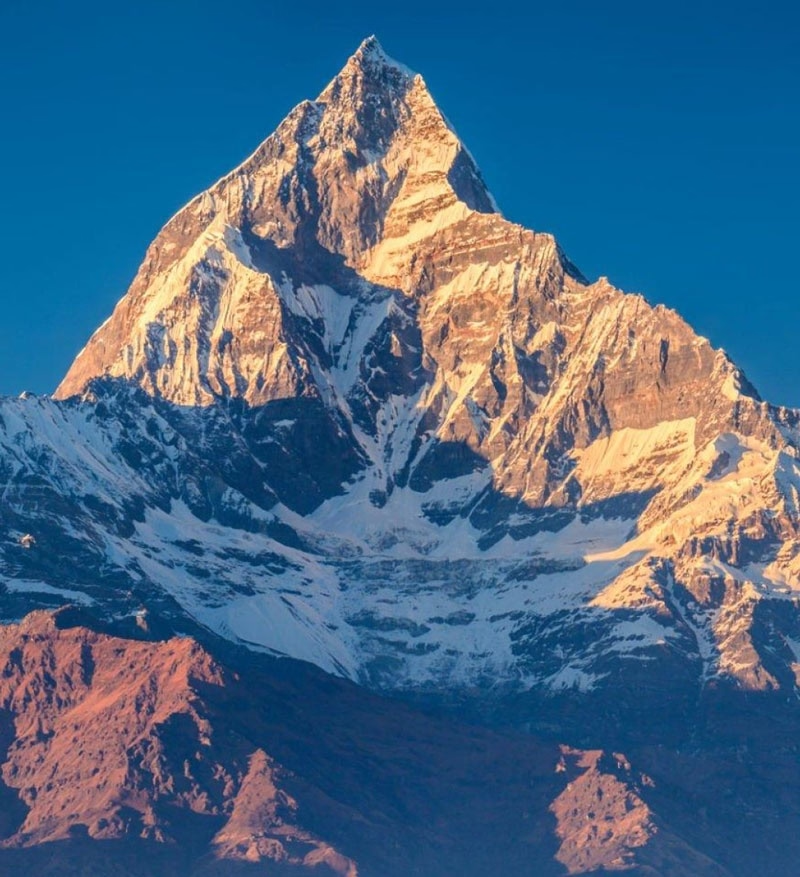
Sarebung Peak (6,328m) is a remote and rewarding Himalayan climbing adventure that takes you beyond Nepal’s well-trodden trekking routes into the wild landscapes of the Nar Phu Valley and the hidden corners of the Annapurna region. This expedition combines demanding high-altitude trekking, dramatic mountain scenery, remote Himalayan settlements, and technical climbing into one unforgettable journey.

With Peak 15 Adventure, the route gradually builds from the lower valleys toward the high mountains, allowing climbers to acclimatize while experiencing the distinctive landscapes and cultures of northern Nepal. As the trail enters increasingly rugged terrain, the expedition becomes a true test of endurance, mountain skills, and determination.

Duration
23 days
Max Altitude
6328 m
Destination
Nepal
Activity
Peak Climbing
Accommodation
Teahouse
Group Size
2-6
Transport
Private Vehicle & Flight
Meals
B-L-D
Season
Mar-May & Sep- Nov
Difficulty
Advanced

Why travellers love it

  • Climb Sarebung Peak at 6,328m – Take on a rewarding Himalayan summit that combines high-altitude trekking with the challenge of technical peak climbing.

  • Journey into Remote Himalayan Wilderness – Venture away from Nepal’s busy trekking corridors and experience the quieter, rugged landscapes surrounding the Nar Phu region.

  • Traverse the Dramatic Nar Phu Valley – Follow ancient Himalayan trails through deep gorges, high mountain landscapes, traditional settlements, and remote valleys shaped by centuries of Tibetan-influenced culture.

  • Experience True Expedition-Style Climbing – Progress through changing mountain terrain, glacier environments, high camps, and demanding summit conditions under the guidance of an experienced expedition team.

  • Gradual Acclimatization at High Altitude – A carefully structured approach allows your body to adapt progressively as the journey moves from the lower valleys toward the demanding elevations around Sarebung Peak.

Trip overview

The Sarebung Peak (6,328m) Expedition is an adventure into one of the more remote and captivating corners of the Nepal Himalayas, designed for climbers who want to go beyond conventional trekking routes and experience the mountains through a genuine expedition journey. The adventure combines remote Himalayan trekking, gradual acclimatization, culturally rich mountain landscapes, glacier travel, high-altitude camping, and the ultimate challenge of standing on a 6,328m Himalayan summit.

The journey begins in Kathmandu, where the expedition team prepares for the adventure ahead. After completing the necessary preparations, the route gradually leaves the populated valleys behind and moves toward the rugged landscapes of northern Nepal. As the trail climbs deeper into the mountains, the scenery transforms from green hills and river valleys into dramatic cliffs, barren slopes, glacial terrain, and towering Himalayan peaks.

One of the defining features of the expedition is the journey through the Nar Phu region, a remote Himalayan landscape where traditional villages remain closely connected to their mountain environment. Stone-built settlements, Buddhist monasteries, ancient trails, and distinctive Tibetan-influenced culture provide an important cultural dimension to the expedition. Here, the journey is not simply about reaching a summit; the trail itself becomes part of the experience.

As the expedition progresses toward Sarebung Peak, the environment becomes increasingly demanding. The combination of altitude, changing weather, rugged trails, and increasingly technical terrain requires patience and careful preparation. Acclimatization is integrated into the itinerary to give climbers time to adapt to the decreasing oxygen levels while allowing the expedition team to assess conditions and prepare for the summit phase.

Approaching the higher camps, the character of the adventure changes from remote trekking to serious mountaineering. Depending on current mountain conditions, climbers may encounter snow, ice, glaciers, steep slopes, and exposed high-altitude terrain. The summit phase requires efficient movement, appropriate use of climbing equipment, sound judgment, and close coordination between climbers, guides, and the expedition support team.

The summit attempt on Sarebung Peak at 6,328m is the defining moment of the expedition. An early start is generally essential, taking advantage of the most suitable conditions available for the ascent. Every step toward the summit demands concentration and controlled effort, but the reward is a remarkable Himalayan perspective from a remote high point surrounded by an immense mountain wilderness.

At the summit, the achievement is about more than elevation. It represents the culmination of days of trekking, acclimatization, preparation, physical effort, and teamwork. After taking time to appreciate the mountain panorama, the expedition descends carefully toward the lower camps, where the focus shifts from ascent to recovery and the return journey.

The descent offers an opportunity to experience the landscape from a different perspective, revisiting remote valleys and Himalayan settlements before gradually returning toward the road-connected regions. The changing scenery-from high alpine wilderness to greener valleys-marks the transition from expedition mode back toward everyday life.

With Peak 15 Adventure, the Sarebung Peak expedition is approached with careful attention to acclimatization, mountain conditions, logistics, safety, and responsible travel. Our objective is not simply to take climbers toward the summit, but to create a well-organized Himalayan experience in which preparation, teamwork, cultural encounters, and exploration are equally important.

Sarebung Peak is for those who are drawn to the less-traveled side of the Himalayas-where the route is part of the adventure, the mountain demands respect, and reaching the summit becomes the final chapter of a much larger expedition story.


Itinerary

  • Day 01

    Arrival at Kathmandu and Transfer to Hotel (1,400m)

    Your Sarebung Peak (6,328m) expedition begins with your arrival in Kathmandu, the vibrant gateway to Nepal’s Himalayas. As you step into the Kathmandu Valley, our Peak 15 Adventure representative will welcome you at the airport and assist with your transfer to the hotel.

    After checking in, you can take time to rest and recover from your journey or enjoy a relaxed introduction to the city. Depending on your arrival time, there may also be an opportunity to explore the nearby streets, soak in the atmosphere of Kathmandu, and begin getting acquainted with Nepal’s rich mountain culture.

    The day is intentionally kept easy, allowing you to settle in, adjust to the local environment, and prepare mentally for the expedition ahead. Our team will also be available to assist with any immediate questions regarding the upcoming journey.

    • MealsB
    • AccommodationHotel
    • Travel Duration30–45 minutes
    • RouteTribhuvan International Airport, Kathmandu to Kathmandu
    • Transportationprivate vehicle
    • Elevation1,400m to 1,400m
  • Day 02

    Gear Check, Expedition Briefing & Final Preparation in Kathmandu (1,400m)

    Today is dedicated to getting fully prepared for the Sarebung Peak (6,328m) Expedition. After breakfast, the Peak 15 Adventure team conducts a detailed expedition briefing covering the itinerary, trekking route, acclimatization strategy, climbing phases, expected mountain conditions, safety procedures, and summit-day plan.

    A comprehensive gear check follows to make sure all essential personal and climbing equipment is ready for the journey ahead. Mountaineering equipment, clothing, footwear, sleeping gear, technical climbing equipment, and other expedition essentials are reviewed carefully. If anything is missing or needs adjustment, this is the ideal time to arrange it in Kathmandu before entering the remote mountain region.

    The day also provides time for final shopping and personal preparation. Our team will answer questions, clarify logistics, and make sure everyone understands the practical realities of travelling and climbing at high altitude. With preparations complete, you can enjoy a relaxed evening and prepare for the journey toward Pokhara the following day.

    • MealsD
    • AccommodationHotel
    • RouteKathmandu
    • Elevation1,400m
  • Day 03

    Fly from Kathmandu to Pokhara (850m)

    After breakfast, the expedition leaves Kathmandu and takes a scenic domestic flight to Pokhara, offering a quick and spectacular transition from Nepal’s capital to the gateway of the Himalayan wilderness. On a clear day, the flight provides impressive views of the surrounding hills and Himalayan ranges before descending into the beautiful Pokhara Valley.

    Upon arrival, the team transfers you to the hotel. With the remainder of the day available for rest, you can recover from the previous days of preparation and enjoy the relaxed atmosphere of Pokhara. The city’s lakeside setting and mountain backdrop provide a pleasant contrast to the busy Kathmandu Valley, while the expedition team makes sure everything is ready for the journey toward the remote mountain region.

    • MealsB/L/D
    • AccommodationHotel
    • Travel Duration25-30 min
    • RouteKathmandu to Pokhara
    • TransportationFlight
    • Elevation1,400m to 820m
  • Day 04

    Fly from Pokhara (850m) to Jomsom (2,720m) & Trek to Kagbeni (2,800m)

    Today marks the transition from the lower valleys into the distinctive high-mountain landscape of the Kali Gandaki Valley. After an early breakfast, we take a scenic 20–25 minute flight from Pokhara to Jomsom, with spectacular views of Dhaulagiri, the Annapurna range, and Machapuchare (Fishtail).

    After landing at Jomsom, we begin our 3–4 hour trek toward Kagbeni, following the rugged Kali Gandaki Valley. The landscape gradually becomes drier and more dramatic, with towering Himalayan peaks, windswept terrain, and traditional mountain settlements accompanying the trail.

    Kagbeni is an historic Himalayan settlement and an important checkpoint for travelers continuing toward restricted regions. After the necessary documentation and permit checks, we settle into our lodge and enjoy the evening surrounded by the impressive mountain scenery. Along the route, views of Dhaulagiri, Nilgiri, and Tukuche Peak add to the experience.

    • MealsB/L/D
    • AccommodationTeahouse
    • Travel Duration20-25 min & 3-4 hours
    • RoutePokhara to Jomsom to Kagbeni
    • TransportationFlight & Trekking
    • Elevation820m to 2,720m to 2,800m
  • Day 05

    Trek from Kagbeni (2,800m) to Chele (3,110m)

    Today, the expedition continues deeper into the dramatic landscapes of the Mustang region as we trek from Kagbeni to Chele, following trails shaped by the Kali Gandaki River and centuries of Himalayan trade. The approximately 5–6 hour trek gradually takes us into a drier, more rugged environment, where barren cliffs, wind-carved landscapes, and distant snow-covered peaks begin to dominate the scenery.

    Leaving Kagbeni behind, the trail winds through striking Himalayan terrain with a distinctly Tibetan-influenced character. Along the way, we encounter traditional villages, ancient monasteries, chortens, mani walls, and narrow trails carved into the mountainsides. The changing landscape provides a fascinating introduction to the remote cultural and geographical world that lies ahead.

    As we gain elevation, the air becomes noticeably cooler and thinner. The steady ascent toward Chele at 3,110m also marks an important stage in our gradual acclimatization. Upon arrival, we settle into the local lodge and have time to rest while taking in the surrounding mountain scenery.

    • MealsB/L/D
    • AccommodationTeahouse
    • Travel Duration5-6 hours
    • RouteKagbeni to Chele
    • TransportationTrekking
    • Elevation2,800m to 3,110m
  • Day 06

    Trek from Chele (3,110m) to Geling (3,500m)

    Today, the trail continues deeper into the spectacular high-altitude landscapes of Mustang as we trek from Chele to Geling, gaining elevation gradually through a fascinating blend of barren mountain terrain and traditional Himalayan settlements. The approximately 5–6 hour trek follows a route characterized by dramatic cliffs, dry valleys, and expansive views across the surrounding mountains.

    As we leave Chele, the trail climbs steadily through rugged terrain, crossing high passes and traversing slopes shaped by the powerful winds of the Mustang region. The landscape becomes increasingly arid and otherworldly, with little vegetation contrasting sharply against the immense Himalayan backdrop.

    Along the way, we pass traditional villages, chortens, mani walls, and Buddhist cultural landmarks that reflect the deep Tibetan influence of the region. The changing altitude provides another valuable stage of acclimatization as we gradually move toward the higher valleys.

    After reaching Geling at 3,500m, we settle into the lodge and have time to rest and explore the peaceful surroundings. The village's traditional architecture and mountain setting offer a memorable introduction to the unique cultural landscape of Upper Mustang.

    • MealsB/L/D
    • AccommodationTeahouse
    • Travel Duration5-6 hours
    • RouteChele to Geling
    • TransportationTrekking
    • Elevation3,110m to 3,500m
  • Day 07

    Trek from Geling (3,500m) to Charang (3,570m)

    Today’s trail leads from Geling to Charang, continuing deeper into the remarkable high-altitude landscapes of Mustang. The approximately 5–6 hour trek follows a scenic route through dry valleys, windswept ridges, and dramatic mountain terrain, with the distinctive architecture and Buddhist heritage of the region appearing along the way.

    Leaving Geling, we gradually traverse the barren slopes toward Charang, enjoying broad views of the surrounding Mustang landscape. The relatively modest elevation gain makes this a steady and manageable trekking day while allowing the body to continue adapting to the increasing altitude.

    Charang is one of the culturally significant settlements of the region, known for its traditional stone-and-mud houses, ancient Buddhist monuments, and impressive Himalayan setting. As we arrive, there is time to explore the village, observe its distinctive local character, and relax after the day's trek.

    With another day of gradual elevation gain completed, we spend the evening preparing for the increasingly remote and higher sections of the expedition ahead.

    • MealsB/L/D
    • AccommodationTeahouse
    • Travel Duration5-6 hours
    • RouteGeling to Charang
    • TransportationTrekking
    • Elevation3,500m to 3,570m
  • Day 08

    Trek from Charang (3,570m) to Lo Manthang (3,840m)

    Today is one of the most memorable cultural and scenic stages of the journey as we trek from Charang to Lo Manthang, the legendary walled settlement and cultural heart of the Upper Mustang region. The approximately 3–4 hour trek takes us across the stark, beautiful landscape of the Mustang plateau, where eroded cliffs, open valleys, and distant Himalayan peaks create an almost otherworldly setting.

    Leaving Charang, the trail gradually crosses broad, dry terrain toward Lo Manthang. Along the way, the landscape reveals the remarkable influence of Tibetan Buddhist culture, with ancient chortens, prayer walls, monasteries, and traditional settlements appearing against the barren mountain backdrop.

    As we approach Lo Manthang at 3,840m, the historic settlement rises from the surrounding landscape with its distinctive whitewashed buildings and fortified character. After arrival, we settle into the lodge and have time to explore the area or simply rest and appreciate the unique atmosphere of this remote Himalayan kingdom.

    The day also represents an important step toward the higher elevations of the expedition, so maintaining a comfortable pace and staying well hydrated remain essential.

    • MealsB/L/D
    • AccommodationTeahouse
    • Travel Duration3-4 hours
    • RouteCharang to Lo Manthang
    • TransportationTrekking
    • Elevation3,570m to 3,840m
  • Day 09

    Acclimatization Day at Lo Manthang (3,810m)

    Today we will follow the trail for six to seven hours until we reach Yara where we will stay overToday is set aside for acclimatization at Lo Manthang, giving your body valuable time to adjust to the increasing altitude before the expedition continues toward more demanding mountain terrain. Rather than treating this as a complete rest day, we use the opportunity for gentle activity and exploration around this remarkable Himalayan settlement.

    After breakfast, we can take a relaxed walk through the historic surroundings of Lo Manthang, exploring its narrow lanes, traditional houses, monasteries, chortens, and distinctive Tibetan-influenced culture. The surrounding landscape also offers striking views of the barren Mustang plateau and distant Himalayan peaks.

    The acclimatization day is an important part of the expedition strategy. Staying active at a comfortable pace, drinking plenty of fluids, eating well, and allowing sufficient time for rest help prepare the body for the higher elevations ahead. Our expedition team will monitor everyone's condition and provide guidance throughout the day.

    The remainder of the day can be spent relaxing, organizing personal equipment, and preparing for the next stage of the journey. By evening, we should be better adapted to the altitude and ready to continue deeper into the remote Himalayan wilderness.night.

    • MealsB/L/D
    • AccommodationTeahouse
    • RouteLo Manthang to Lo Manthang
    • Transportationacclimatization, gentle exploration, and rest
    • Elevation3,810m to 3,810m
  • Day 10

    Trek from Lo Manthang (3,810m) to Yara (3,900m)

    Today, the expedition leaves the remarkable settlement of Lo Manthang behind and continues toward the remote village of Yara, venturing farther into the secluded landscapes of Upper Mustang. The approximately 5–6 hour trek takes us through a stark and fascinating terrain of eroded cliffs, dry riverbeds, open plateaus, and deep Himalayan valleys.

    As the trail unfolds, the landscape becomes increasingly remote, with dramatic rock formations revealing the effects of centuries of wind and erosion. The route provides a wonderful opportunity to experience the quieter side of Mustang, where traditional settlements and ancient Himalayan trails remain closely connected to the surrounding wilderness.

    The gradual ascent toward Yara at 3,900m provides another useful stage of acclimatization. We maintain a steady pace, allowing everyone to adjust comfortably to the increasing elevation while enjoying the extraordinary scenery.

    Upon reaching Yara, we settle into the lodge and have time to rest and take in the peaceful surroundings. With the higher and more demanding sections of the Sarebung Peak expedition approaching, a relaxed evening helps conserve energy for the days ahead.

    • MealsB/L/D
    • AccommodationTeahouse
    • Travel Duration5-6 hours
    • RouteLo Manthang to Yara
    • TransportationTrekking
    • Elevation3,810m to 3,900m
  • Day 11

    Trek from Yara (3,900m) to Luri Cave Monastery (4,005m)

    Today’s journey takes us deeper into the remote landscapes of Upper Mustang as we trek from Yara to Luri Cave Monastery, one of the fascinating spiritual and cultural landmarks hidden within the Mustang wilderness. The approximately 4–5 hour trek follows rugged trails through dry valleys, dramatic cliffs, and striking rock formations sculpted by centuries of wind and erosion.

    As we leave Yara, the trail gradually gains elevation while the surrounding landscape becomes increasingly barren and dramatic. The unusual rock formations and secluded valleys create a sense of travelling through a natural amphitheater, far removed from the busier trekking routes of Nepal.

    Our destination, Luri Cave Monastery at 4,005m, is particularly remarkable for its location within the cliffs. The monastery is associated with the ancient Buddhist heritage of Mustang and provides a memorable glimpse into the spiritual traditions that have endured in this remote Himalayan environment.

    After reaching the monastery area, we settle in and take time to appreciate the extraordinary surroundings. The increasing elevation also makes this another important stage of acclimatization as we gradually prepare for the higher and more demanding sections of the Sarebung Peak expedition.

    • MealsB/L/D
    • AccommodationTented Camp
    • Travel Duration4-5 hours
    • RouteYara to Luri Cave Monastery
    • TransportationTrekking
    • Elevation3,900m to 4,005m
  • Day 12

    Trek from Luri Cave (4,005m) to Ghuma Thanti (4,600m)

    Today, the expedition enters a noticeably higher and more remote section of the Mustang wilderness as we trek from Luri Cave to Ghuma Thanti. The approximately 5–6 hour trek involves a steady gain in elevation, with the landscape becoming increasingly rugged, dry, and alpine as we move toward the higher mountain passes and valleys.

    Leaving the spiritual atmosphere of Luri Cave behind, the trail winds through barren slopes, exposed ridges, and isolated valleys. Vegetation becomes increasingly sparse, while the immense scale of the surrounding mountains creates a striking sense of remoteness. The changing terrain also signals that the expedition is moving closer to the high-altitude environment required for the Sarebung Peak adventure.

    Reaching Ghuma Thanti at 4,600m is an important milestone in the acclimatization process. At this elevation, the pace naturally becomes slower and controlled, with adequate rest and hydration essential for maintaining energy. Once at camp, we settle in, enjoy a warm meal, and allow our bodies to recover from the day's ascent.

    The evening is spent resting and preparing for the even higher terrain ahead, where careful acclimatization and a steady expedition rhythm become increasingly important.

    • MealsB/L/D
    • AccommodationTeanted Camp
    • Travel Duration5-6 hours
    • RouteLuri Cave to Ghuma Thanti
    • TransportationTrekking
    • Elevation4,005m to 4,600m
  • Day 13

    Trek from Ghuma Thanti (4,600m) to Namta Khola (4,890m)

    Today takes us farther into the high-altitude wilderness as we trek from Ghuma Thanti to Namta Khola, gaining nearly 300m of elevation over approximately 6–7 hours. The route becomes increasingly remote and rugged, with barren mountain slopes, exposed trails, and expansive Himalayan scenery creating a true expedition atmosphere.

    As we leave Ghuma Thanti, the trail gradually climbs through a landscape where vegetation is scarce and the surrounding mountains dominate the horizon. The increasing altitude demands a measured pace, regular hydration, and careful attention to the body's response. The journey itself becomes an important part of the preparation for the demanding high-altitude sections still ahead.

    After several hours of trekking, we reach Namta Khola at 4,890m, where the mountain environment feels distinctly alpine and remote. The evening is reserved for recovery, a nourishing meal, and preparation for the next stage of the expedition.

    • MealsB/L/D
    • AccommodationTented camp
    • Travel Duration6-7 hours
    • RouteGhuma Thanti to Namta Khola
    • TransportationTrekking
    • Elevation4,600m to 4,890m
  • Day 14

    Trek from Namta Khola (4,890m) to Saribung Base Camp (4,950m)

    Today, the expedition advances toward the objective as we trek from Namta Khola to Saribung Base Camp, entering the immediate high-altitude environment of the Saribung region. The approximately 6–7 hour trek follows rugged mountain terrain, where the landscape becomes increasingly barren, expansive, and distinctly alpine.

    The trail gradually leads through remote valleys surrounded by dramatic rock faces and snow-covered Himalayan peaks. As we approach the base camp, the scenery begins to reflect the character of a true mountaineering expedition, with increasingly challenging terrain and a greater sense of isolation from the lower valleys.

    Although the elevation gain today is modest, the altitude itself makes the journey physically demanding. We maintain a controlled pace and take regular breaks, allowing the body to adapt while conserving energy for the climbing stages ahead.

    Arriving at Saribung Base Camp at 4,950m marks an important transition from the trekking phase toward the climbing phase of the expedition. Once camp is established, we have time to rest, organize climbing equipment, and receive guidance from the expedition team regarding the upcoming higher-altitude terrain.

    • MealsB/L/D
    • AccommodationSaribung Base Camp
    • Travel Duration6-7 hours
    • RouteNamta Khola to Saribung Base Camp
    • TransportationTrekking
    • Elevation4,890m to 4,950m
  • Day 15

    Acclimatization Day & Explore the Surrounding Area at Saribung Base Camp (4,950m)

    After reaching Saribung Base Camp at 4,950m, today is dedicated to acclimatization and allowing your body to adapt to the increasingly thin mountain air. Rather than rushing toward the climbing phase, we use this important day to build strength, confidence, and altitude awareness before moving higher.

    The day begins at a relaxed pace, with a short exploration around the base camp and its surrounding high-altitude landscape. The area offers an impressive combination of barren mountain slopes, rugged rock formations, snow-covered peaks, and expansive Himalayan wilderness. Gentle walking helps maintain activity while giving the body valuable exposure to the altitude.

    Our climbing team will also monitor each climber’s condition and discuss any symptoms related to altitude. Hydration, nutrition, rest, and maintaining a steady rhythm are particularly important at this elevation. Meanwhile, the team can use the day to review climbing equipment, organize personal gear, and prepare for the upcoming ascent.

    This acclimatization day is an essential part of the expedition strategy. By allowing the body and mind to settle at Saribung Base Camp, we create a stronger foundation for the demanding terrain and higher elevations ahead.

    • MealsB/L/D
    • AccommodationSaribung Base Camp
    • RouteSaribung Base Camp to Saribung Base Camp and surrounding area
    • Transportationacclimatization, short exploration, rest, and climbing preparation
    • Elevation4,950m to 4,950m
  • Day 16

    Trek from Saribung Base Camp (4,950m) to Camp I (5,730m)

    Today marks an important transition from the trekking phase into the high-altitude climbing section of the Sarebung Peak expedition. After an early breakfast at Saribung Base Camp, we begin ascending toward Camp I at 5,730m, following increasingly rugged terrain where the effects of altitude become more noticeable.

    The trail gradually climbs through a stark alpine landscape of rocky slopes, exposed terrain, and expansive Himalayan views. As we gain elevation, the pace becomes slower and more deliberate, allowing the team to conserve energy and maintain a steady rhythm. Our climbing guides will closely monitor the group, particularly as the air becomes thinner and the terrain more demanding.

    After approximately 5–6 hours of trekking, we reach Camp I. The remainder of the day is devoted to settling into camp, hydrating, resting, and preparing climbing equipment for the higher sections ahead. The evening also provides an opportunity for the team to review the next day's route and climbing procedures.

    Reaching Camp I is a significant milestone, bringing the expedition deeper into the high-altitude environment and closer to the summit objective.

    • MealsB/L/D
    • AccommodationTented Camp
    • Travel Duration5-6 hours
    • RouteSaribung Base Camp to Camp I
    • TransportationTrekking
    • Elevation4,950m to 5,730m
  • Day 17

    Climb from Camp I (5,730m) to the Summit of Saribung Peak (6,346m) & Return to Base Camp (4,950m)

    Today is the summit day of the Sarebung Peak expedition, beginning before dawn from Camp I. After an early breakfast and final equipment checks, we begin the ascent toward the summit of Saribung Peak at 6,346m. The early start is designed to take advantage of more stable mountain conditions and provide sufficient time for the complete summit push and descent.

    The route becomes increasingly demanding as we move higher, with steep and exposed sections of high-altitude terrain requiring careful movement and focused teamwork. Depending on the prevailing mountain conditions, crampons, ropes, harnesses, ice axe, and other climbing equipment may be required. Our experienced climbing guides lead the team through the challenging sections, maintaining a controlled pace and emphasizing safe movement throughout the ascent.

    Reaching the 6,346m summit of Saribung Peak is the culmination of days of trekking, acclimatization, preparation, and determination. From the summit, climbers can take in the extraordinary panorama of the surrounding Himalayan wilderness before beginning the descent.

    After spending appropriate time at the summit, we retrace our route toward lower elevations. The descent requires just as much concentration as the climb, particularly after the physical demands of the summit push. We continue carefully back to Saribung Base Camp at 4,950m, where a well-earned rest and recovery await.

    With approximately 8–9 hours of climbing and trekking, this is the most demanding day of the expedition and a defining chapter in the Sarebung Peak adventure.

    • MealsB/L/D
    • AccommodationTented Camp
    • Travel Duration8-9 hours
    • RouteCamp I to Saribung Peak Summit & Saribung Base Camp
    • Transportationclimbing and trekking
    • Elevation5,730m to 6,346m & 4,950m
  • Day 18

    Trek from Saribung Base Camp (4,950m) to Nagoru (4,400m) via Saribung Pass (6,020m)

    Today brings another major high-altitude challenge as we leave Saribung Base Camp and cross the spectacular Saribung Pass at 6,020m on our way toward Nagoru. Although the day finishes at a lower elevation, the pass crossing involves a significant climb and descent, making this a physically demanding section of the expedition.

    We begin early, following rugged alpine terrain toward the pass. As we climb higher, the landscape becomes increasingly stark and remote, with rocky slopes, snow-covered terrain, and sweeping views of the surrounding Himalayan peaks. The final approach to Saribung Pass requires careful and steady movement, particularly at such high elevation.

    Standing at 6,020m, the pass provides a memorable perspective across the remote mountain wilderness. After taking a short moment to appreciate the surroundings, we begin the descent toward Nagoru at 4,400m. The change in elevation gradually brings us into a more sheltered alpine environment, offering a welcome contrast after the exposed terrain around the pass.

    After approximately 6–7 hours of trekking, we arrive at Nagoru. The remainder of the day is reserved for recovery, hydration, and rest following the demanding pass crossing. This descent also provides valuable recovery after the summit effort and marks another important stage of the journey through the remote Himalayas.

    • MealsB/L/D
    • AccommodationTented Camp
    • Travel Duration6-7 hours
    • RouteSaribung Base Camp to Nagoru via Saribung Pass
    • TransportationTrekking
    • Elevation4,950m to 4,400m & 6,020m
  • Day 19

    Trek from Nagoru (4,400m) to Phu Gaon (4,080m)

    After the demanding Saribung Pass crossing, today offers a more gradual descent toward the remarkable settlement of Phu Gaon at 4,080m. We leave Nagoru after breakfast and follow the rugged trail through the remote landscapes of the Nar Phu Valley, where dramatic cliffs, deep gorges, and high Himalayan terrain gradually give way to a more settled environment.

    The trail winds through an isolated mountain landscape shaped by centuries of Tibetan-influenced culture and traditional Himalayan life. Along the way, we encounter striking rock formations, narrow valleys, and panoramic views of the surrounding peaks. The descent provides a welcome change after the higher and more exposed terrain of the previous days, while still requiring careful footing on the rugged trail.

    As we approach Phu Gaon, the landscape becomes increasingly fascinating, with its distinctive stone-built houses, ancient Buddhist traditions, and remote mountain setting. Reaching the village feels like entering another chapter of the expedition—one where the dramatic natural environment is closely intertwined with the cultural heritage of the people who have lived here for generations.

    After approximately 5–6 hours of trekking, we arrive at Phu Gaon and settle into the local accommodation. The afternoon can be used for rest or gentle exploration of the village, allowing the team to recover while enjoying the unique atmosphere of this remote Himalayan settlement.

    • MealsB/L/D
    • AccommodationTeahouse
    • Travel Duration5-6 hours
    • RouteNagoru to Phu Gaon
    • TransportationTrekking
    • Elevation4,400m to 4,080m
  • Day 20

    Trek from Phu Gaon (4,080m) to Meta (3,560m)

    Today we continue our descent from the remote mountain settlement of Phu Gaon, following the trail toward Meta at 3,560m. After the demanding high-altitude stages of the expedition, the gradual loss of elevation brings a welcome change in atmosphere and allows the body to recover while we continue through the spectacular landscapes of the Nar Phu Valley.

    The trail winds through rugged mountain terrain, passing dramatic cliffs, narrow valleys, and naturally sculpted rock formations. As we descend, the landscape gradually becomes less stark, with changing vegetation and a warmer feel marking our progress toward lower elevations. The route also offers opportunities to appreciate the isolation and traditional character of this little-traveled Himalayan region.

    After approximately 5–6 hours of trekking, we reach Meta, a peaceful settlement surrounded by impressive mountain scenery. The village provides a comfortable place to rest and reflect on the remarkable journey so far, from the remote Upper Mustang landscapes and Saribung Peak summit to the high pass crossing and remote Nar Phu Valley.

    The afternoon is kept relaxed, allowing time to recover, enjoy the mountain surroundings, and prepare for the remaining descent toward the lower valleys.

    • MealsB/L/D
    • AccommodationTeahouse
    • Travel Duration5-6 hours
    • RoutePhu Gaon to Meta
    • TransportationTrekking
    • Elevation4,080m to 3,560m
  • Day 21

    Trek from Meta (3,560m) to Koto (2,600m)

    Today we continue our descent from Meta, following the trail deeper toward the lower reaches of the Nar Phu Valley and the village of Koto at 2,600m. With a substantial loss of elevation, the atmosphere gradually changes from the dry, high-altitude environment into greener and more sheltered mountain terrain.

    The trail passes through rugged landscapes, dramatic cliffs, forested sections, and narrow valleys carved by mountain streams. As we descend, vegetation becomes increasingly abundant, creating a striking contrast with the barren landscapes encountered during the higher stages of the expedition. The route also offers a final opportunity to appreciate the remote character of the Nar Phu region before returning toward more established trekking routes.

    After approximately 6–7 hours of trekking, we arrive at Koto, where we can relax and recover after the long descent. The lower elevation provides a welcome opportunity to enjoy a more comfortable evening, while the surrounding Himalayan scenery remains a memorable reminder of the journey through the remote mountains.

    • MealsB/L/D
    • AccommodationTeahouse
    • Travel Duration6-7 hours
    • RouteMeta to Koto
    • TransportationTrekking
    • Elevation3,560m to 2,600m
  • Day 22

    Trek from Koto (2,600m) to Dharapani (1,860m)

    Today marks another significant step toward the lower valleys as we leave Koto and follow the trail to Dharapani at 1,860m. After spending many days in remote and high-altitude environments, the descent brings noticeably warmer air, denser vegetation, and a refreshing change in the Himalayan landscape.

    The trail follows the Marsyangdi Valley through a combination of forested paths, rocky sections, suspension bridges, and riverside terrain. As we gradually lose elevation, lush vegetation replaces the dry and rugged landscapes encountered at higher elevations. The sound of flowing mountain rivers and the surrounding green hills create a peaceful contrast to the stark alpine terrain of the earlier expedition.

    After approximately 5–6 hours of trekking, we arrive at Dharapani, a well-established village along the Annapurna trekking route. Here, the team can relax, enjoy a nourishing meal, and recover from the long descent. The evening provides an opportunity to reflect on the remarkable journey from the remote Upper Mustang landscapes and Saribung Peak to the dramatic Nar Phu Valley.

    • MealsB/L/D
    • AccommodationTeahouse
    • Travel Duration5-6 hours
    • RouteKoto to Dharapani
    • TransportationTrekking
    • Elevation2,600m to 1,860m
  • Day 23

    Drive from Dharapani (1,860m) to Kathmandu (1,400m) via Besisahar

    Today marks the final overland journey of the expedition as we leave Dharapani and drive toward Kathmandu, passing through Besisahar along the way. After weeks of trekking through remote Himalayan landscapes, the drive offers a chance to relax, recover, and watch the scenery transform from mountain valleys to the greener hills and lower elevations of central Nepal.

    We begin the journey from Dharapani and follow the road through the Marsyangdi Valley, gradually descending toward Besisahar. Along the route, we pass through riverside settlements, terraced hillsides, forested landscapes, and winding mountain roads. The changing scenery provides a fitting visual conclusion to an expedition that has crossed some of the most remote and dramatic terrain in the Himalayas.

    From Besisahar, we continue by road toward Kathmandu. The journey takes approximately 7–8 hours, depending on road and traffic conditions. Upon arrival in Kathmandu, you can check into the hotel, enjoy a well-deserved rest, and have time to reflect on the achievement of reaching the summit of Saribung Peak (6,346m) and completing the challenging high-altitude traverse.

    The evening is kept relaxed, allowing the expedition team and climbers to celebrate the completion of the journey and enjoy the comforts of Kathmandu once again.

    • MealsB/L/D
    • AccommodationHotel
    • Travel Duration7-8 hours
    • RouteDharapani to Kathmandu via Besisahar
    • TransportationPrivate Vehicle
    • Elevation1,860m
  • Day 24

    Final Departure from Kathmandu (1,400m)

    Today marks the official conclusion of your Sarebung Peak (6,346m) expedition with Peak 15 Adventure. After an unforgettable journey through the remote landscapes of Upper Mustang, the Nar Phu Valley, and the high Himalayan terrain surrounding Saribung Peak, it is time to say farewell to Nepal.

    Depending on your flight schedule, our team will arrange a timely transfer from your hotel to Tribhuvan International Airport. Our representative will assist you with the departure arrangements and ensure you reach the airport comfortably and on time.

    As you leave Kathmandu, the memories of remote mountain villages, challenging trails, high-altitude camps, the dramatic Saribung Pass, and the achievement of standing atop Saribung Peak at 6,346m will remain a lasting part of your Himalayan adventure.

    • MealsB
    • Travel Duration30-45 min
    • RouteKathmandu to Tribhuvan International Airport, Kathmandu
    • TransportationPrivate Vehicle
    • Elevation1,400m to 1,400m
Altitude profileMax 6,346 m
1,400 mD11,400 mD2820 mD32,720 mD43,110 mD53,500 mD63,570 mD73,840 mD83,810 mD93,900 mD104,005 mD114,600 mD124,890 mD134,950 mD144,950 mD155,730 mD166,346 mD174,400 mD184,080 mD193,560 mD202,600 mD211,860 mD221,860 mD231,400 mD24

Are you looking to customize the trip itinerary?

If the provided schedule is not suitable for you, we can create a personalized travel arrangement tailored to your preferences and requirements.

Customize Trip

Cost breakdown

What's included
  • Climbing and trekking permits, including Everest summit.

  • Kathmandu hotel and Base Camp tent accommodation.

  • Meals during the trek and Base Camp.

  • Certified guides, sherpas, and support staff.

  • Group climbing gear (ropes, ladders, oxygen, etc.).

  • Domestic flights and airport transfers.

  • Medical support and first aid kits.

  • Glacier training and safety preparation.

  • Emergency communication tools (satellite phones, radios).

What's not included
  • International flights to/from Kathmandu.

  • Personal climbing gear (boots, down suit, oxygen, etc.).

  • Insurance (travel, medical, evacuation).

  • Nepal visa fees.

  • Personal expenses (tips, laundry, drinks).

  • Costs from delays due to weather or itinerary changes.

  • Emergency rescue costs beyond insurance.

  • Meals in Kathmandu not specified in the package.

Upcoming departures

Filter departures by month
Mar 4 – Mar 27, 2027
Available
—

All prices per person, twin share. Subject to availability — Sarebung Peak (6,328m) dates fill quickly in peak season.

Useful information

Before setting out for Sarebung Peak (6,328m), every climber should understand that this is a serious high-altitude expedition rather than a conventional trekking holiday. The remote nature of the route, changing mountain conditions, prolonged time at altitude, and summit climb require good preparation, patience, and a strong commitment to the expedition process. At Peak 15 Adventure, we conduct a detailed pre-trip briefing in Kathmandu so that climbers understand the journey ahead and are fully prepared before leaving for the mountains.

Expedition Preparation:

The briefing covers the complete itinerary, trekking stages, acclimatization schedule, camping arrangements, climbing sections, expected conditions, and overall expedition procedures. Our team explains how each stage fits into the broader summit strategy, allowing climbers to approach the journey with realistic expectations.

Climbing Equipment and Gear Check:

A thorough gear check is carried out before departure. Essential mountaineering equipment such as climbing boots, crampons, harness, helmet, ice axe, carabiners, ascender, descender, ropes, appropriate clothing, sleeping equipment, and other personal gear is reviewed. Any missing or unsuitable equipment can be addressed in Kathmandu before entering the remote mountain environment.

Fitness and Physical Preparation:

Sarebung Peak demands sustained physical effort over several days at high altitude. Climbers should arrive with good cardiovascular endurance, leg strength, stamina, and previous experience with long trekking days. Training that includes hiking, uphill walking, strength conditioning, and endurance exercises can help prepare the body for the demands of the expedition.

Acclimatization and Altitude Awareness:

Altitude is one of the most important considerations on a 6,328m expedition. The itinerary includes planned acclimatization periods, but every climber responds differently to increasing elevation. During the briefing, our team explains the importance of maintaining a steady pace, staying hydrated, eating properly, sleeping well, and communicating any unusual symptoms immediately.

Weather and Mountain Conditions:

Conditions in the high Himalayas can change rapidly. Snowfall, strong winds, low temperatures, cloud, and changing trail or climbing conditions may affect the planned schedule. Summit attempts are therefore based on actual mountain conditions and the judgment of the expedition leader rather than the itinerary alone. Flexibility is an essential part of responsible high-altitude climbing.

Remote-Region Logistics:

Sarebung Peak takes you into a remote Himalayan environment where facilities become increasingly limited as the expedition progresses. Climbers should be prepared for basic mountain accommodation, camping, limited communication, and a slower pace of travel. The expedition team coordinates food, camping logistics, equipment support, and other essential arrangements throughout the journey.

Food, Hydration, and Energy:

Maintaining energy at altitude is crucial. Meals are planned to provide sufficient carbohydrates, protein, and calories for long trekking and climbing days. Climbers should also maintain regular hydration and carry personal snacks or preferred energy foods that they know they can comfortably consume during demanding days.

Personal Medication and Health Preparation:

Climbers should bring any regular personal medication they require and inform the expedition team of relevant medication needs before departure. A suitable first-aid and emergency support system is maintained by the expedition team, while climbers should also carry their own essential personal supplies.

Environmental Responsibility:

Sarebung Peak lies within a fragile Himalayan environment. Climbers are expected to follow responsible trekking and climbing practices, minimize waste, avoid unnecessary disturbance to the natural surroundings, and respect local communities, cultural sites, and traditional ways of life. Leaving the mountains as clean as we found them is an important part of the Peak 15 Adventure philosophy.

Teamwork and Expedition Mindset:

A successful summit is not determined by individual strength alone. Communication, patience, mutual support, and respect for the mountain team are essential. Plans may change because of weather, route conditions, acclimatization, or safety considerations, and climbers should be prepared to adapt when necessary.

Final Briefing Before Departure:

Before leaving Kathmandu, Peak 15 Adventure conducts a final review of the expedition plan, equipment, personal belongings, documentation, and logistics. This is also an opportunity for climbers to ask questions, clarify expectations, and meet the team supporting their journey.

The goal of the pre-trip briefing is simple: to ensure that every climber begins the Sarebung Peak expedition informed, properly equipped, and mentally prepared for the realities of high-altitude adventure.

You may also like

More routes in the same region and difficulty range.

Sarebung Peak (6,328m)
Achieve Your Dream
Mountain Ridge Divider
Peak 15 Expedition 1
Peak 15 Expedition 2
Peak 15 Expedition 3
Peak 15 Expedition 4