Best Season: Spring (April–May) and Autumn (September–October) are the main climbing seasons for Himlung Himal, offering potential summit opportunities depending on weather, snow conditions, and wind.
Expedition Duration: Approximately 30 days, including transportation, trekking through Nar and Phu, acclimatization, Base Camp establishment, climbing rotations, summit attempt, and return journey.
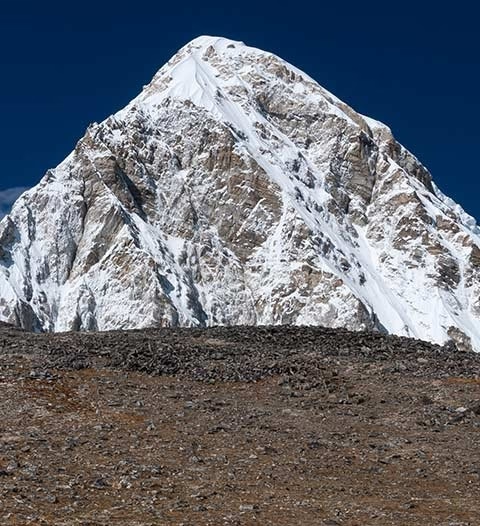
Summit Elevation: Himlung Himal stands at 7,126m, making it an excellent objective among Nepal's 7,000m Peak Expeditions.
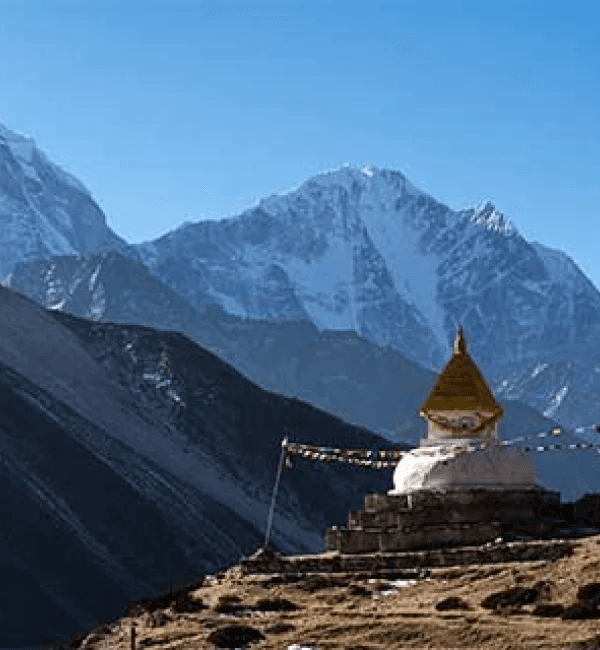
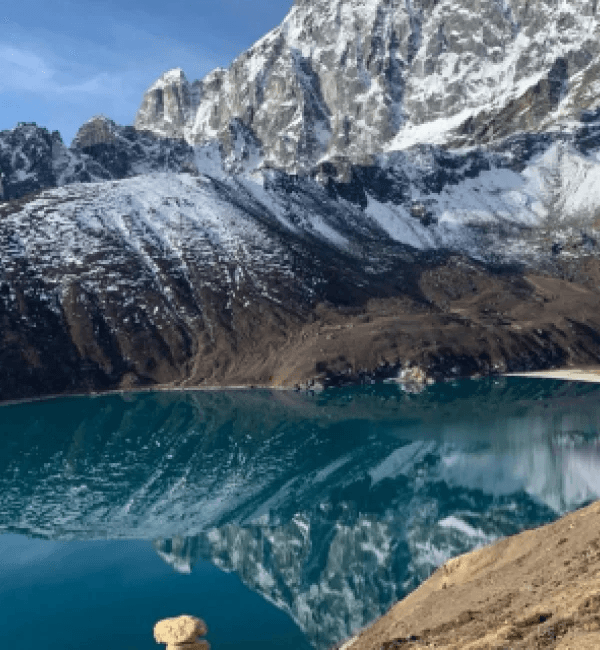
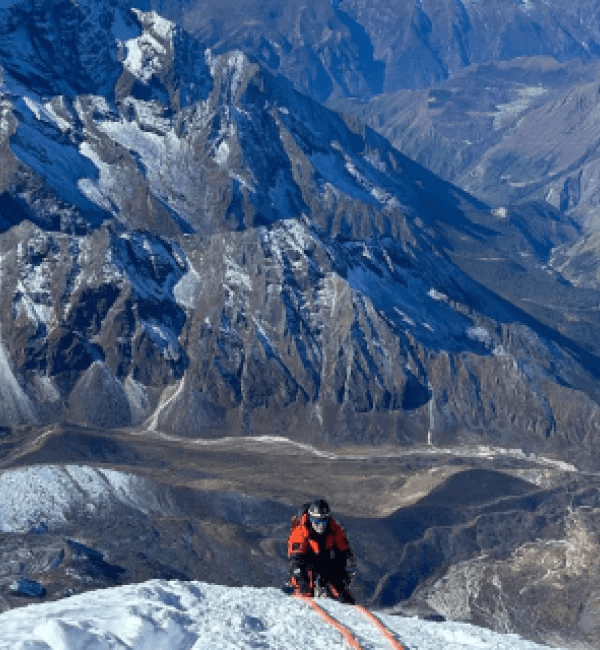
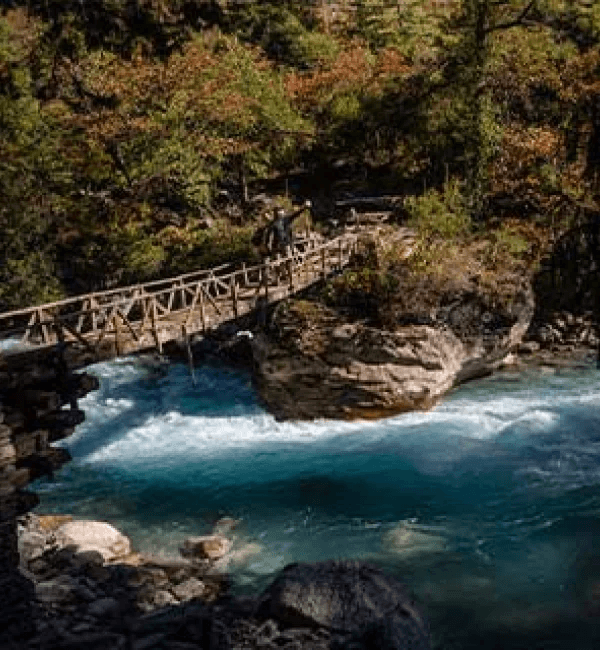
Location and Geography: The mountain lies in the remote Annapurna region of Nepal, near the Tibetan border, above the culturally rich Nar and Phu valleys. The region features alpine landscapes, glaciers, traditional Tibetan-influenced villages, and spectacular Himalayan scenery.
Mountain History: Himlung Himal was first climbed in 1992. It has since become a popular 7,000-meter climbing objective for mountaineers looking to gain experience at high altitude.
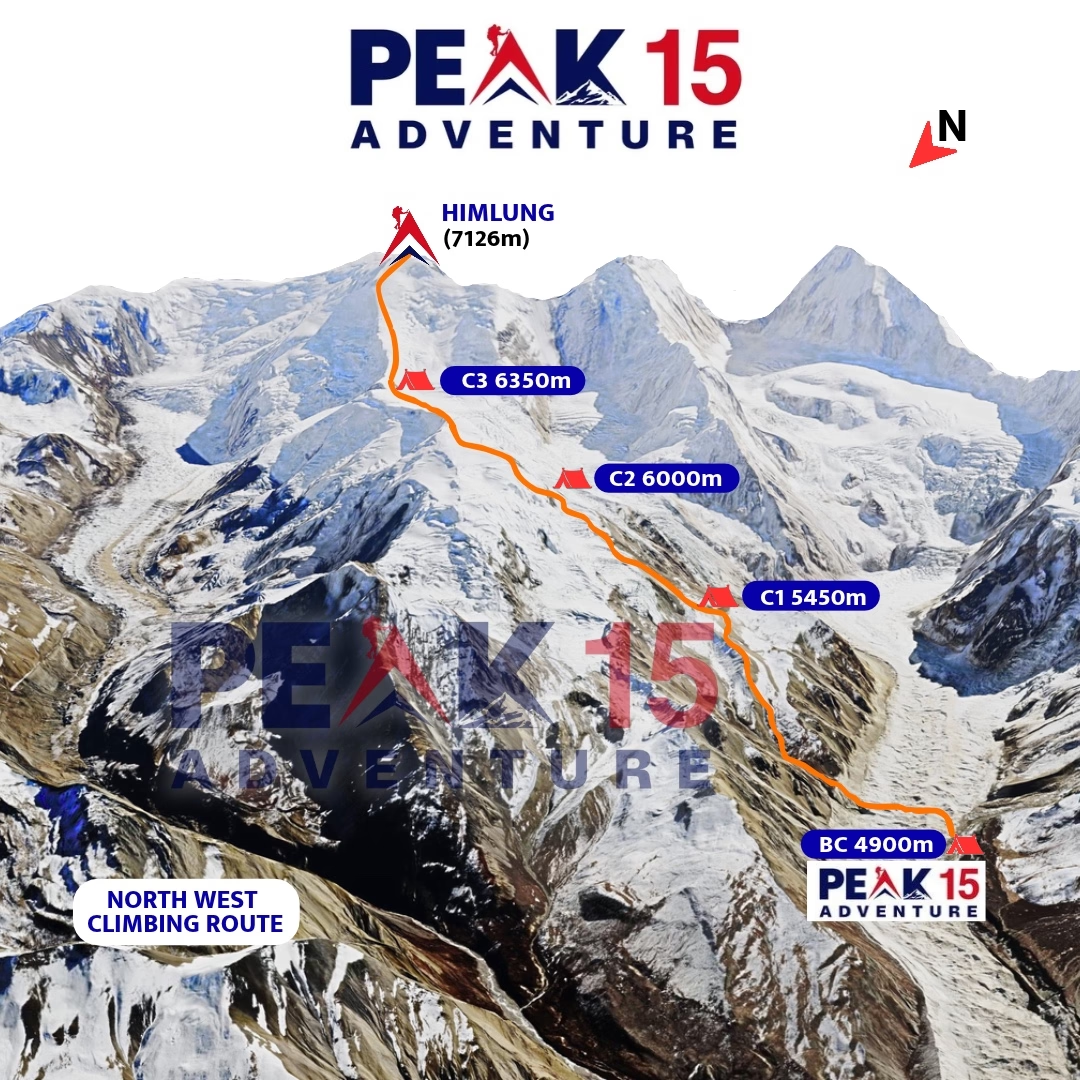
Climbing Route: The expedition approaches through Koto, Meta, Kyang and Phu Gaun before continuing toward Himlung Base Camp. The standard climbing route follows the mountain's northwest ridge, with higher camps established according to the expedition plan and mountain conditions.
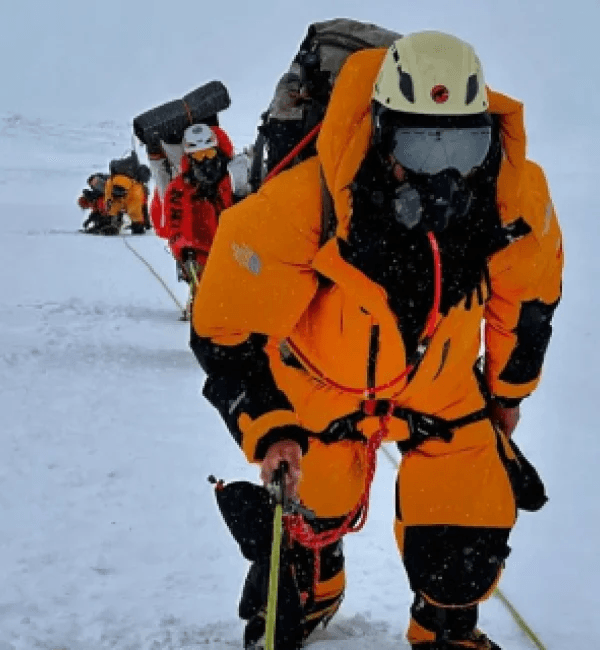
Climbing Experience: Previous experience on 5,000m or 6,000m peaks is strongly recommended. Climbers should be familiar with crampons, ice axes, harnesses, ascenders, fixed ropes, glacier travel, and basic high-altitude climbing techniques.
Acclimatization: A gradual trekking approach through the Nar and Phu region, rest days, and planned climbing rotations help climbers adapt to the increasing altitude before attempting the summit.
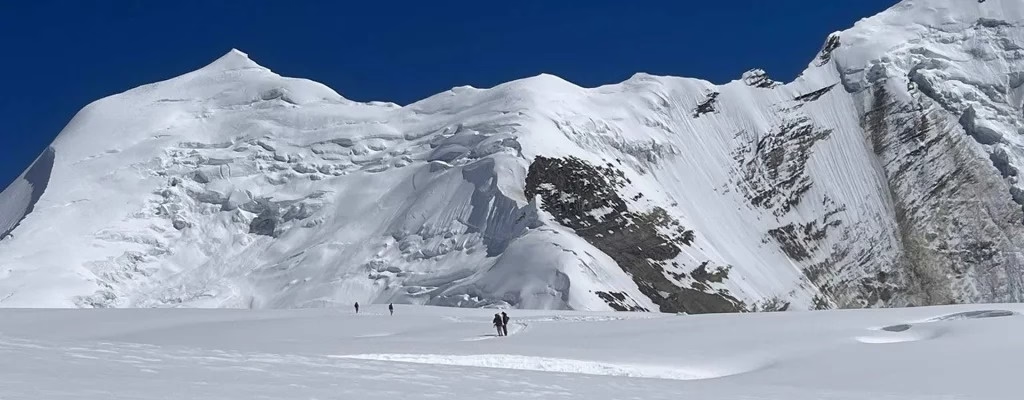
Technical Difficulty: Himlung is considered a relatively accessible 7,000m mountain compared with many Himalayan giants, but it remains a serious high-altitude expedition involving glacier travel, snow slopes, fixed ropes, crevasses, and extreme weather.
Supplemental Oxygen: Supplemental oxygen is not routinely required for every climber on Himlung Himal. Emergency oxygen and backup arrangements should be available as part of the expedition plan, with use depending on individual requirements and the climbing strategy.
Insurance: Comprehensive high-altitude mountaineering insurance covering climbing up to 7,126m, emergency helicopter evacuation, medical treatment, and mountain rescue is strongly recommended and mandatory according to the expedition requirements.
Major Risks: Altitude sickness, glacier crevasses, avalanche hazards, unstable snow, steep icy slopes, extreme cold, strong winds, and rapidly changing Himalayan weather are important challenges.
Climbing Equipment: Essential equipment includes high-altitude mountaineering boots, crampons, ice axe, climbing harness, helmet, ascenders, down suit, insulated gloves, technical clothing, sleeping bag, and personal climbing hardware.
Permits and Logistics: Climbers require the appropriate Himlung Himal climbing permit, restricted-area permits for the Nar and Phu region, and other applicable permits. Transportation, camping equipment, accommodation, meals, communication systems, climbing supplies, and logistics must be arranged before departure.
Expedition Leadership: Peak15 Adventure provides experienced Sherpa climbing support, professional guides, expedition coordination, Base Camp services, acclimatization planning, weather monitoring, and high-altitude logistics.
Environmental Responsibility: Climbers must follow Nepal's mountain waste-management regulations, maintain Base Camp cleanliness, manage expedition waste responsibly, and respect the natural environment and local communities of Nar and Phu.