Peak15Adventure

Mt. Pumori (7,165m) Expeditions

The Mt. Pumori (7,165m) Expedition is a demanding Himalayan climbing adventure to one of the most striking peaks above Nepal’s Everest region. Rising dramatically near Everest Base Camp, Pumori combines steep snow, glaciated terrain, exposed ridges, and technical climbing into a serious high-altitude challenge. The expedition follows the legendary Khumbu landscape while allowing climbers to progress through acclimatization, advanced climbing preparation, and carefully planned summit rotations. With experienced Sherpa support, strategic acclimatization, and a dedicated climbing period, Peak 15 Adventure approaches Pumori with precision, patience, and respect for the mountain. This expedition is an opportunity to move beyond the classic Everest trails and test your mountaineering skills on a beautifully formidable Himalayan summit.

Duration
34 days
Max Altitude
7161 m
Activity
Expedition
Accommodation
Teahouse
Group Size
2-6
Transport
Private Vehicle & Flight
Meals
B-L-D
Season
April-May & Sep-Oct
Difficulty
Advanced

Why travellers love it

  • Climb Mt. Pumori (7,165m) - Take on one of the Khumbu’s most dramatic and technically demanding Himalayan peaks.

  • Journey through the legendary Everest region - Trek beneath Everest, Lhotse, Nuptse, and the towering walls surrounding the Khumbu Glacier.

  • Experience technical high-altitude climbing - Navigate glaciers, steep snow and ice, exposed ridges, and challenging summit terrain.

  • Acclimatization and strategic summit rotations - Build altitude awareness and climbing readiness through a carefully structured expedition program.

  • Expert Sherpa support and expedition logistics - Climb with experienced high-altitude professionals backed by Peak 15 Adventure’s comprehensive expedition management.

Trip overview

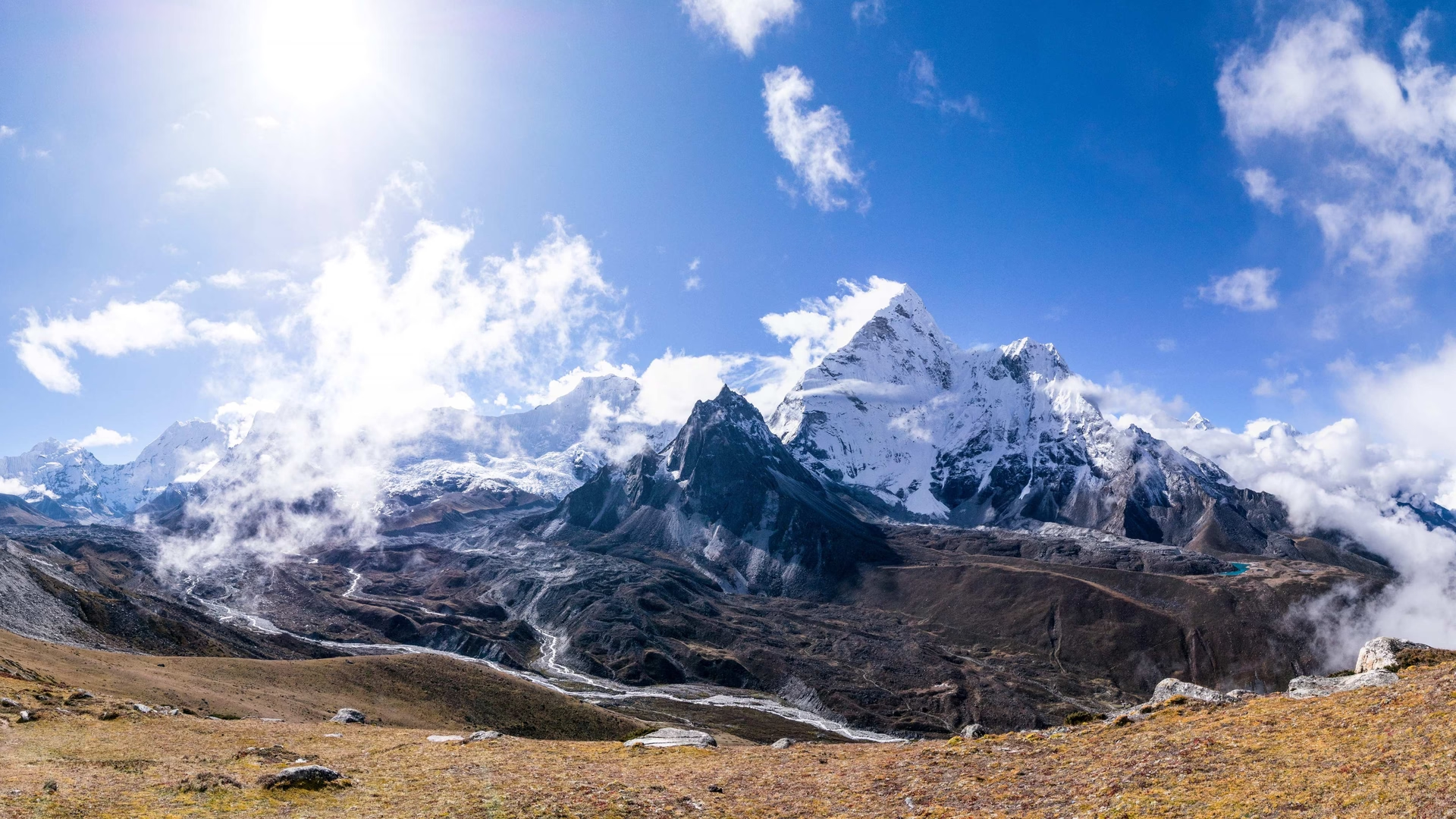
Rising to 7,165m above sea level, Mt. Pumori stands like a sculpted sentinel above the Khumbu Valley, close to the legendary Everest Base Camp. Its name is often associated with the idea of an “Unmarried Daughter,” a fitting reflection of the mountain’s elegant yet formidable character. From the trekking trails of the Everest region, Pumori’s sharply defined summit, steep faces, and snow-covered ridges create one of the most compelling sights in the Himalayas. For experienced mountaineers, however, its beauty is only the beginning—the real attraction lies in the technical challenge of reaching its summit.

The Mt. Pumori Expedition with Peak 15 Adventure is designed for climbers seeking a serious Himalayan mountaineering experience beyond the conventional Everest trekking routes. The journey combines the cultural richness of the Khumbu with progressively demanding high-altitude terrain, requiring strong physical conditioning, sound technical climbing ability, disciplined acclimatization, and the patience to respond to changing mountain conditions.

The expedition begins in Kathmandu with essential preparations, equipment checks, expedition briefings, and logistical arrangements before heading toward the Everest region. The approach follows the classic Khumbu trail through Sherpa settlements and spectacular mountain scenery, gradually gaining altitude toward the Pumori climbing area. Along the way, climbers experience the distinctive character of the region, from vibrant mountain villages and Buddhist monasteries to vast glacial landscapes dominated by some of the world's highest peaks.

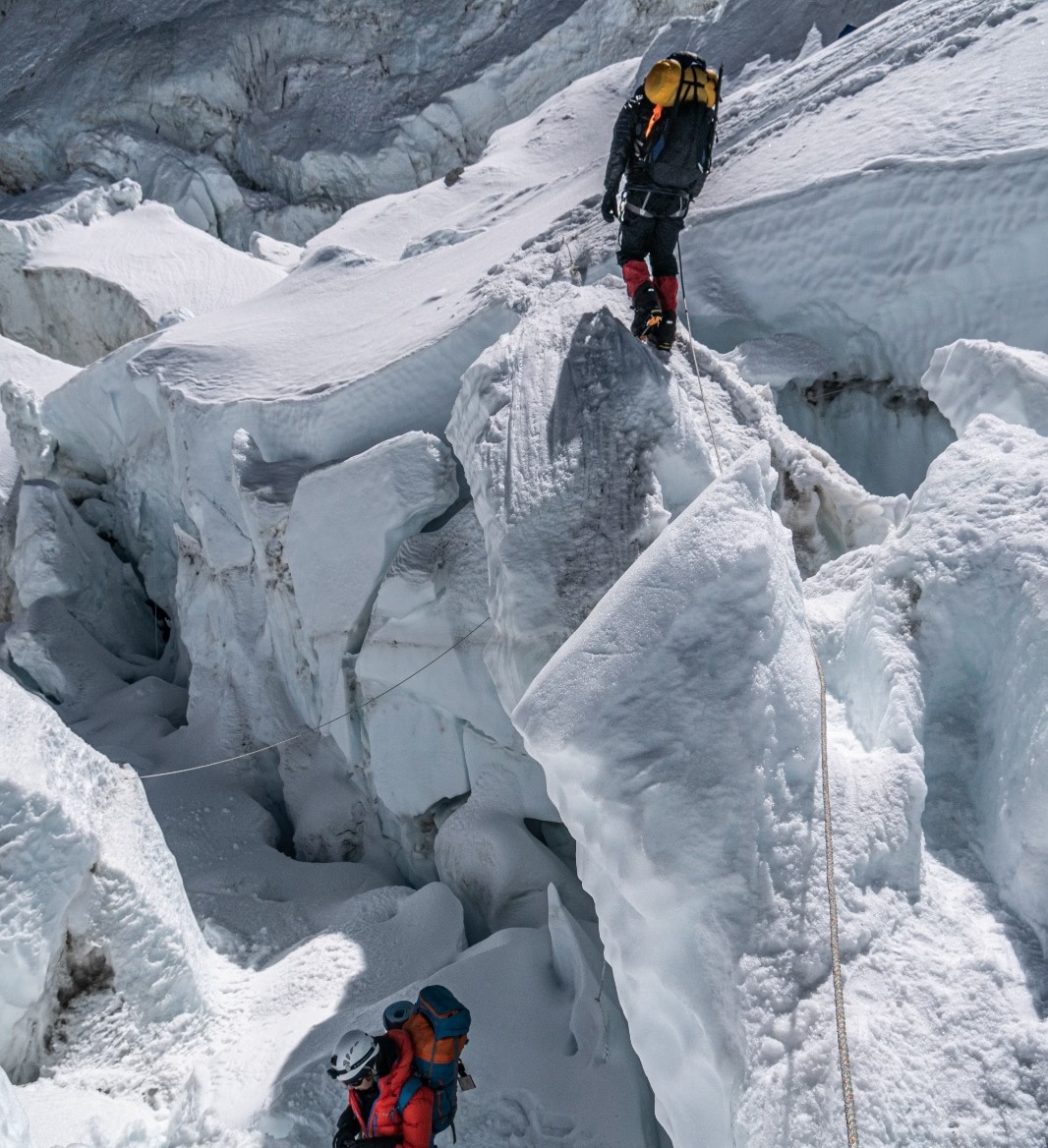
As the expedition moves higher, the character of the journey changes. The trail gives way to increasingly rugged glacial terrain, and acclimatization becomes central to the expedition strategy. Time is carefully allocated for the body to adjust to reduced oxygen levels while the climbing team prepares for the technical demands ahead. At higher elevations, climbers may encounter crevassed glaciers, steep snow and ice, exposed sections, and challenging ridgelines where efficient movement, rope technique, balance, and sound judgment become essential.

At Pumori Base Camp, the expedition enters its most focused phase. The team establishes a secure climbing environment, conducts necessary preparation, and prepares for rotations toward higher camps. Depending on conditions and the expedition strategy, climbers progressively gain altitude while allowing sufficient time for acclimatization and recovery. Higher on the mountain, the environment becomes increasingly severe, with cold temperatures, strong winds, technical terrain, and limited oxygen demanding concentration at every stage.

The final summit attempt is planned around weather, snow conditions, team readiness, and the mountain's overall stability. A successful summit push requires endurance and technical confidence as the route leads toward Pumori’s impressive upper slopes and exposed summit terrain. Reaching 7,165m is not simply a measure of altitude; it represents the culmination of preparation, teamwork, patience, and countless deliberate decisions made throughout the expedition.

Peak 15 Adventure places strong emphasis on safety, acclimatization, experienced high-altitude support, and responsible expedition management. Mountain conditions can change rapidly, so the itinerary allows flexibility where necessary and recognizes that a safe expedition depends on adapting to the mountain rather than forcing a predetermined schedule.

Beyond the summit itself, the Pumori Expedition offers a deeper connection with the Everest region. Climbers return through the Khumbu carrying memories of enormous glaciers, ancient Sherpa culture, dramatic Himalayan panoramas, and the unmistakable presence of Pumori itself. For experienced adventurers looking to challenge their technical and high-altitude abilities, the Mt. Pumori (7,165m) Expedition is an opportunity to step into one of Nepal’s most remarkable mountaineering environments with Peak 15 Adventure.

Itinerary

  • Day 01

    Arrival in Kathmandu (1,400m) & Transfer to the Hotel

    Your Mt. Pumori (7,165m) Expedition begins with your arrival in Kathmandu, the cultural and logistical gateway to Nepal’s high Himalayas. As you land at Tribhuvan International Airport, a representative from Peak 15 Adventure will be waiting to welcome you, assist with your luggage and transfer you comfortably to your hotel.

    During the drive, you will get your first impressions of Kathmandu, a fascinating blend of ancient heritage, busy streets, traditional architecture and modern Himalayan expedition culture. Once at the hotel, you can check in, freshen up and take time to recover from your international journey.

    The rest of the day is intentionally kept easy. You may relax at the hotel or take a short walk around the surrounding area if you feel comfortable. This is also an opportunity to meet members of the expedition team and fellow climbers, ask initial questions and begin settling into the rhythm of the adventure ahead.

    In the evening, Peak 15 Adventure can arrange a welcome dinner where you will be introduced to Nepalese cuisine and receive an initial orientation about the upcoming expedition. Your climbing preparations officially begin here, but there is no need to rush-the journey to Pumori will demand patience from the very first day.

    • MealsD
    • AccommodationHotel
    • Travel Duration30-45 min
    • RouteTribhuvan International Airport, Kathmandu to Kathmandu
    • TransportationPrivate Vehicle
    • Elevation1,400m to 1,400m
  • Day 02

    Expedition Briefing, Equipment Check & Preparation in Kathmandu (1,400m)

    Today is dedicated to pre-expedition preparation, equipment checks and acclimatization in Kathmandu. After breakfast, you will meet the Peak 15 Adventure expedition team for a comprehensive briefing about the Mt. Pumori (7,165m) Expedition. The team will explain the planned itinerary, approach route, acclimatization strategy, climbing phases, camp arrangements, communication procedures, safety protocols and anticipated challenges at high altitude.

    A detailed equipment inspection will follow. Your personal climbing gear will be checked to ensure that essential items such as mountaineering boots, crampons, ice axe, harness, helmet, ascender, descender, carabiners, clothing layers, sleeping bag and other high-altitude equipment are appropriate for the expedition. Any missing or unsuitable equipment can be arranged or rented in Kathmandu before departure.

    You will also have time to complete final shopping and organize your expedition duffel bags and personal belongings. The climbing team can provide guidance on packing efficiently, particularly for equipment needed during the higher-altitude climbing period.

    The remainder of the day is kept relatively relaxed. Take the opportunity to rest, hydrate well and prepare mentally for the journey into the Khumbu. Since Pumori demands patience and careful acclimatization, conserving energy from the beginning is an important part of the expedition strategy.

    • MealsB
    • AccommodationHotel
    • RouteKathmandu to Kathmandu
    • Elevation1,400m to 1,400m
  • Day 03

    Fly from Kathmandu (1,400m) to Lukla (2,860m) & Trek to Phakding (2,610m)

    After breakfast, you will head to the airport for a scenic flight from Kathmandu to Lukla (2,860m), the famous gateway to the Everest region. During the flight, you may enjoy spectacular views of the Himalayan landscape as you approach the mountain airstrip at Lukla.

    Upon arrival, you will meet your trekking crew, organize your equipment and begin the trek toward Phakding (2,610m). The trail descends gradually through charming Sherpa settlements, pine forests, prayer wheels and suspension bridges while following the Dudh Koshi River. Along the way, you will pass small villages and traditional mountain lodges that offer your first glimpse into the culture and daily life of the Khumbu region.

    Although relatively short, today's trek marks the beginning of your approach to Mt. Pumori. Maintaining a comfortable pace, staying hydrated and allowing your body to adjust to the changing elevation will help prepare you for the days ahead.

    After reaching Phakding, you will settle into your teahouse, enjoy a warm meal and rest before continuing toward Namche Bazaar the following day.

    • MealsB/L/D
    • AccommodationTeahouse
    • Travel Duration30-45 min & 3-4 hours
    • RouteKathmandu to Phakding via Lukla
    • TransportationFlight & Trekking
    • Elevation1400m to 2,610m via 2,860m
  • Day 04

    Trek from Phakding (2,610m) to Namche Bazaar (3,440m)

    After breakfast, you begin the scenic trek from Phakding (2,610m) toward Namche Bazaar (3,440m), the vibrant Sherpa trading center and the main gateway to the higher Khumbu. The trail follows the Dudh Koshi River, passing through pine and rhododendron forests, traditional settlements and several impressive suspension bridges decorated with colorful prayer flags.

    As you continue higher, the landscape gradually becomes more mountainous and the trail more undulating. After entering Sagarmatha National Park, you will cross the famous suspension bridges over the Dudh Koshi and gradually gain elevation toward Namche. The final section involves a sustained uphill climb, making this an important day for beginning your acclimatization.

    Along the route, the first glimpses of the Himalayan giants may appear through the surrounding forests and mountain valleys. With every step toward Namche, you move deeper into the heart of the Everest region and closer to the dramatic landscape surrounding Mt. Pumori.

    Upon reaching Namche Bazaar, you will check into your teahouse and have time to rest. The evening is ideal for relaxing, hydrating and preparing for the acclimatization day ahead.

    • MealsB/L/D
    • AccommodationTeahouse
    • Travel Duration5-6 hours
    • RoutePhakding to Namche Bazaar
    • TransportationTrekking
    • Elevation2,610m to 3,440m
  • Day 05

    Acclimatization & Rest Day in Namche Bazaar (3,440m)

    Today is an important acclimatization day in Namche Bazaar (3,440m), allowing your body to adjust to the increasing elevation before the expedition continues deeper into the Khumbu. Rather than remaining completely inactive, the day follows the principle of “climb high, sleep low”, with a short hike to a higher viewpoint or nearby settlement before returning to Namche.

    After breakfast, you may explore the surrounding hills and enjoy increasingly impressive views of the Himalayan landscape. Depending on conditions, the acclimatization walk can provide early views toward Everest, Lhotse, Ama Dablam, Thamserku and Kongde, while giving your body valuable exposure to higher altitude.

    Back in Namche, you can explore the lively Sherpa town, visit local shops or simply relax at the teahouse. The expedition team will also monitor your general condition and discuss altitude awareness, hydration and the importance of maintaining a steady pace as you move higher.

    Use the evening to rest well, stay hydrated and organize your personal equipment for the next stage toward Tengboche. Good acclimatization today is an investment in the demanding climbing days ahead.

    • MealsB/L/D
    • AccommodationTeahouse
    • RouteNamche Bazaar to Namche Bazaar
    • Transportationacclimatization; short local hikes on foot
    • Elevation3,440m to 3,440m
  • Day 06

    Trek from Namche Bazaar (3,440m) to Tengboche Monastery (3,860m)

    After breakfast, you leave Namche Bazaar (3,440m) and follow the beautiful trail toward Tengboche (3,860m), one of the most culturally significant destinations in the Everest region. The trail initially contours along the mountainside, offering spectacular views of Everest, Lhotse, Nuptse, Ama Dablam and Thamserku as the surrounding peaks gradually become more prominent.

    The route passes through quiet forested sections filled with pine, fir and rhododendron before descending toward the Dudh Koshi River. After crossing the river, the trail becomes steeper as you climb steadily toward Tengboche. The final ascent provides a rewarding sense of progress as you approach the famous monastery.

    Upon reaching Tengboche, you will visit Tengboche Monastery, an important spiritual center for the Sherpa community. Surrounded by magnificent Himalayan peaks, the monastery provides a peaceful setting to appreciate the cultural and natural character of the Khumbu.

    After checking into your teahouse, take time to rest, hydrate and enjoy the mountain atmosphere. As you are now approaching higher elevations, maintaining a comfortable pace and allowing your body to adapt remain important.

    • MealsB/L/D
    • AccommodationTeahouse
    • Travel Duration5-6 hours
    • RouteNamche Bazaar to Tengboche
    • TransportationTrekking
    • Elevation3,440m to 3,860m
  • Day 07

    Trek from Tengboche (3,860m) to Dingboche (4,410m)

    After breakfast, you leave the peaceful surroundings of Tengboche (3,860m) and continue deeper into the Khumbu toward Dingboche (4,410m). The trail initially descends through beautiful rhododendron and conifer forests before opening into wider alpine landscapes as you approach the higher Imja Valley.

    The route follows the Imja Khola, passing through traditional Sherpa settlements and fields enclosed by stone walls. As the elevation increases, vegetation becomes increasingly sparse and the landscape takes on a distinctly high-altitude character. The magnificent Ama Dablam remains a dominant presence, while views toward Lhotse, Nuptse and surrounding peaks become increasingly impressive.

    The final section gradually climbs toward Dingboche, a well-known acclimatization village surrounded by dramatic Himalayan terrain. At 4,410m, this is a significant gain in elevation, so maintaining a slow, steady pace and staying well hydrated are particularly important.

    After arriving in Dingboche, you will check into your teahouse and have time to rest. The expedition team will monitor your acclimatization and prepare you for the upcoming higher-altitude stages of the Pumori expedition.

    • MealsB/L/D
    • AccommodationTeahouse
    • Travel Duration5-6 hours
    • RouteTengboche to Dingboche
    • TransportationTrekking
    • Elevation3,860m to 4,410m
  • Day 08

    Trek from Tengboche (3,860m) to Dingboche (4,410m)

    After breakfast, you continue from Tengboche (3,860m) toward Dingboche (4,410m), following the trail deeper into the spectacular Imja Valley. The morning begins with a gradual descent through alpine woodland before the landscape opens into broad mountain valleys surrounded by towering Himalayan peaks.

    The trail follows the Imja Khola, passing through traditional settlements and stone-walled fields used by local communities. As you gain elevation, the vegetation becomes increasingly sparse, replaced by rugged slopes, open valleys and dramatic views of Ama Dablam, Lhotse, Nuptse and surrounding peaks.

    The final approach to Dingboche involves a steady climb. At 4,410m, the increasing altitude becomes more noticeable, making a controlled pace, regular hydration and appropriate rest essential. Dingboche is an important acclimatization settlement and a natural staging point before continuing toward the higher elevations of the Pumori expedition.

    After reaching the village, settle into your teahouse and allow your body to recover from the day's ascent. The evening can be spent reviewing the upcoming itinerary with the expedition team and preparing for the next acclimatization stage.

    • MealsB/L/D
    • AccommodationTeahouse
    • Travel Duration5-6 hours
    • RouteTengboche to Dingboche
    • TransportationTrekking
    • Elevation3,860m to 4,410m
  • Day 09

    Trek from Lobuche (4,910m) to Gorak Shep (5,140m)

    After breakfast, you leave Lobuche (4,910m) and continue toward Gorak Shep (5,140m), entering one of the highest inhabited sections of the Everest region. The trail follows the rugged terrain of the Khumbu Glacier area, where the landscape becomes increasingly barren, rocky and dominated by towering Himalayan walls.

    The gradual ascent takes you through a stark yet spectacular environment, with expansive views toward Pumori, Nuptse, Lingtren and other surrounding peaks. As you gain altitude, the effects of reduced oxygen become more noticeable, so maintaining a slow and steady rhythm is essential.

    Upon reaching Gorak Shep (5,140m), you will check into your teahouse and have time to rest. Depending on the expedition schedule and your acclimatization condition, the team may conduct a short acclimatization activity or prepare for the next stage toward Everest Base Camp and the Pumori climbing area.

    The evening is kept relaxed. Focus on hydration, nutrition and quality rest, as you are now operating in a significantly higher-altitude environment.

    • MealsB/L/D
    • AccommodationTeahouse
    • Travel Duration3-4 hours
    • RouteLobuche to Gorak Shep
    • TransportationTrekking
    • Elevation4,910m to 5,140m
  • Day 10

    Trek from Gorak Shep (5,140m) to Pumori Base Camp (5,220m)

    Today marks an important transition from the trekking phase into the mountaineering phase of the Mt. Pumori (7,165m) Expedition. After breakfast, you leave Gorak Shep and make your way toward Pumori Base Camp (5,220m), following rugged glacial terrain beneath the impressive southern face of Pumori.

    As the trail leaves the more established trekking route, the surroundings become increasingly remote and alpine. The stark landscape of rock, ice and moraine is framed by spectacular views of Pumori, Khumbu Glacier and the surrounding Himalayan peaks. The relatively modest elevation gain should not be underestimated, as the high altitude makes even a gradual walk physically demanding.

    Upon reaching Pumori Base Camp (5,220m), the climbing team will establish camp and organize essential expedition equipment. This becomes the main operational point for acclimatization, climbing preparation, route discussions and future rotations toward higher elevations.

    The expedition staff will brief you on the upcoming climbing schedule, assess your acclimatization and help organize your personal equipment. Take the remainder of the day to rest, hydrate and absorb the remarkable surroundings. From here onward, the expedition becomes increasingly focused on technical preparation and high-altitude climbing.

    • MealsB/L/D
    • AccommodationTented Camp
    • Travel Duration3-4 hours
    • RouteGorak Shep to Pumori Base Camp
    • TransportationTrekking
    • Elevation5,140m to 5,220m
  • Day 11

    Climbing Period – Pumori Base Camp (5,220m) to Summit (7,165m) & Back to Base Camp

    Days 11–28 form the core of the Mt. Pumori (7,165m) Expedition, when the expedition shifts completely from approach trekking to technical high-altitude climbing. These days provide the flexibility required for acclimatization, route preparation, weather management, higher-camp rotations and the summit attempt. The exact movement between camps depends on mountain conditions, route safety and the expedition team's assessment.

    The initial days at Pumori Base Camp (5,220m) are dedicated to rest, acclimatization and climbing preparation. The team will review the route, inspect technical equipment and conduct practical training covering essential skills such as crampon movement, fixed-rope techniques, ascending and descending, glacier travel and safe movement on steep snow and ice.

    Once the team is sufficiently acclimatized, climbing rotations begin toward the higher sections of Pumori. Climbers progressively gain altitude, spending appropriate time at higher camps before returning to lower elevations for recovery. These rotations are essential for helping the body adapt to the increasingly thin air while allowing the team to become familiar with the route and technical terrain.

    As the expedition moves higher, the environment becomes progressively more demanding. Steep snow and ice, exposed terrain, cold temperatures, strong winds and glaciated sections require concentration, efficient rope work and careful movement. The climbing Sherpa team will support route preparation and fixed-rope operations while the expedition leader continuously monitors weather, route conditions and individual acclimatization.

    A suitable weather window is required for the final summit push. When conditions and team readiness align, the climbers will begin the summit attempt from the appropriate high camp. The ascent toward Pumori Summit (7,165m) is the defining challenge of the expedition, demanding endurance, technical confidence and disciplined pacing.

    After reaching the summit, the team will carefully descend through the higher camps and return to Pumori Base Camp (5,220m). Descent is treated with the same seriousness as the ascent, as fatigue and changing conditions can create additional risks after a long summit day.

    The 18-day climbing period is intentionally flexible. Not every day is about moving higher-some are dedicated to rest, acclimatization, route preparation or waiting for suitable weather. This flexibility allows Peak 15 Adventure to make responsible decisions rather than forcing the team to climb according to a rigid timetable.

    Throughout the climbing period, the expedition team prioritizes safety, acclimatization, teamwork and responsible decision-making. Reaching the summit is an objective, but returning safely to Base Camp is an equally important part of a successful expedition.

    • MealsB/L/D
    • AccommodationTented Camp
    • Travel Duration10-14 hours
    • RoutePumori Base Camp to Pumori Summit & Pumori Base Camp
    • Transportationclimbing
    • Elevation5,220m to 7,165m & 5,220m
  • Day 29

    Trek from Pumori Base Camp (5,220m) to Pangboche (3,930m)

    After completing the demanding climbing period on Mt. Pumori (7,165m), you begin the descent from Pumori Base Camp (5,220m) toward Pangboche (3,930m). Leaving the high-altitude camp behind brings a noticeable change in both terrain and atmosphere as you gradually descend into the greener valleys of the Khumbu.

    The trail retraces sections of the route through the rugged landscape surrounding the Khumbu Glacier before joining the more established Everest-region trail. As you lose elevation, the air becomes richer in oxygen and vegetation gradually returns, offering a welcome contrast to the stark environment experienced during the climbing phase.

    You continue through familiar mountain settlements and along the Imja Valley, with spectacular views of Ama Dablam and the surrounding Himalayan peaks accompanying the descent. Although today's route is predominantly downhill, the long distance can be tiring after an extended period of high-altitude climbing, so a comfortable pace and regular breaks are important.

    Upon reaching Pangboche (3,930m), you will settle into a comfortable teahouse and enjoy a well-earned meal. The lower elevation provides an excellent opportunity to recover, relax and reflect on the expedition while reconnecting with the warmer, more vibrant atmosphere of the Khumbu.

    • MealsB/L/D
    • AccommodationTeahouse
    • Travel Duration7–8 hours
    • RoutePumori Base Camp to Pangboche
    • TransportationTrekking
    • Elevation5,220m to 3,930m
  • Day 30

    Trek from Pangboche (3,930m) to Namche Bazaar (3,440m)

    After breakfast, you leave Pangboche (3,930m) and begin the rewarding descent toward Namche Bazaar (3,440m). After the intensity of the Pumori climbing period, today's trail offers a welcome return to more familiar trekking terrain and a noticeably richer atmosphere as you continue losing altitude.

    The route follows the scenic Imja Valley before gradually climbing and descending through forests of rhododendron, pine and fir. Along the way, you can enjoy magnificent views of Ama Dablam, Thamserku and other Khumbu peaks, while the changing vegetation reminds you that the high-altitude climbing environment is gradually being left behind.

    As you approach Namche, the trail becomes busier with trekkers, porters and local residents moving through the main Everest-region route. The familiar sight of Namche Bazaar signals another important milestone in your journey.

    Upon arrival, check into your teahouse and enjoy some well-earned rest. With the elevation now considerably lower than Pumori Base Camp, your body will have more oxygen available for recovery. The evening is ideal for relaxing with the expedition team, enjoying a warm meal and reflecting on the remarkable journey from the summit environment back into the heart of the Khumbu.

    • MealsB/L/D
    • AccommodationTeahouse
    • Travel Duration5-6 hours
    • RoutePangboche to Namche Bazaar
    • TransportationTrekking
    • Elevation3,930m to 3,440m
  • Day 31

    Trek from Namche Bazaar (3,440m) to Lukla (2,860m)

    After breakfast, you begin the final trekking day of the Mt. Pumori (7,165m) Expedition, leaving the lively mountain town of Namche Bazaar (3,440m) and following the familiar trail toward Lukla (2,860m). With the major climbing objective behind you, today's walk provides an opportunity to slow the pace and appreciate the landscapes and communities that accompanied your expedition.

    The trail descends through pine and rhododendron forests before reaching the banks of the Dudh Koshi River. Along the way, you will pass through traditional Sherpa villages, cross suspension bridges and encounter prayer wheels and colorful prayer flags. The increasingly lush surroundings and warmer air mark a clear transition away from the high-altitude environment of Pumori.

    As you continue toward Lukla, the trail includes a mixture of descents and gentle uphill sections. Although you are descending in elevation, the distance can still feel demanding after weeks of expedition activity, so maintaining a comfortable pace and taking regular breaks is advisable.

    Upon reaching Lukla (2,860m), you will check into your teahouse and have time to relax with your climbing crew. The evening offers a chance to celebrate the completion of your mountain journey, share experiences with the team and prepare for the flight back to Kathmandu.

    • MealsB/L/D
    • AccommodationTeahouse
    • Travel Duration6–7 hours
    • RouteNamche Bazaar to Lukla
    • TransportationTrekking
    • Elevation3,440m to 2,860m
  • Day 32

    Fly from Lukla (2,860m) to Kathmandu (1,400m) & Transfer to Hotel

    After breakfast, you will head to the Lukla airstrip for your scenic flight back to Kathmandu (1,400m). The short mountain flight offers one final opportunity to admire the rugged hills, deep valleys and Himalayan landscapes of the Khumbu before leaving the mountains behind.

    Upon arrival in Kathmandu, a Peak 15 Adventure representative will welcome you at the airport and transfer you to your hotel. The significant drop in elevation provides a refreshing change after weeks spent in the thin air of the high Himalayas.

    Once checked in, the remainder of the day is free for rest and recovery. You may relax at the hotel, enjoy a comfortable shower, explore nearby streets or visit local shops for souvenirs and gifts. After the demanding Pumori expedition, this is a valuable opportunity to slow down and enjoy the comforts of Kathmandu.

    In the evening, you can share your expedition experiences with the team and fellow climbers while reflecting on the journey from the Khumbu trail to Pumori Summit (7,165m).

    • MealsB
    • AccommodationHotel
    • Travel Duration30-45 min
    • RouteLukla to Kathmandu
    • TransportationFlight
    • Elevation2,860m to 1400m
  • Day 33

    Free Day in Kathmandu City (1,400m)

    After completing the demanding Mt. Pumori expedition, enjoy a well-deserved free day in Kathmandu. This day is intentionally kept flexible, allowing you to rest, recover, and enjoy the city at your own pace after the long Himalayan journey.

    You may spend the day relaxing at the hotel or explore Kathmandu’s cultural and historic attractions, including traditional neighborhoods, temples, courtyards, and local markets. Alternatively, use the time for souvenir shopping, photography, or simply enjoying Nepalese cuisine and the lively atmosphere of the capital.

    For those who prefer a quieter day, it is an excellent opportunity to catch up on rest, organize photographs and personal belongings, and reflect on the unforgettable experience of standing on Mt. Pumori.

    In the evening, enjoy a relaxed dinner and prepare for your final departure from Nepal the following day.

    • AccommodationHotel
    • RouteKathmandu to Kathmandu
    • Elevation1400m to 1400m
  • Day 34

    Transfer to the International Airport for Final Departure (1,400m)

    Your Mt. Pumori (7,165m) Expedition comes to an end today. After breakfast, take some final time to organize your luggage and complete your hotel check-out according to your international flight schedule.

    Our Peak 15 Adventure representative will meet you at the hotel and provide a private transfer to Tribhuvan International Airport. Allowing sufficient time for airport procedures, you will travel comfortably to the terminal for your onward international flight.

    As you leave Nepal, carry with you the memories of the Khumbu trails, Pumori’s dramatic mountain landscape, and the remarkable journey from Kathmandu to the high Himalaya and back.

    • MealsB
    • Travel Duration30-45 min
    • RouteKathmandu to Tribhuvan International Airport, Kathmandu
    • TransportationPrivate Vehicle
    • Elevation1400m
Altitude profileMax 7,165 m
1,400 mD11,400 mD22,610 mD33,440 mD43,440 mD53,860 mD64,410 mD74,410 mD85,140 mD95,220 mD107,165 mD113,930 mD293,440 mD302,860 mD311,400 mD321,400 mD331,400 mD34

Are you looking to customize the trip itinerary?

If the provided schedule is not suitable for you, we can create a personalized travel arrangement tailored to your preferences and requirements.

Customize Trip

Cost breakdown

What's included
  • airport pick and drop by private vehicle

  • 4 nights Hotel in Kathmandu in 3 star category on bed & Breakfast and room on sharing basis( Twin Bed room)

  • 01 Welcome dinner at Thamel, Kathmandu with climbing guide and official staffs.

  • Assistance for cargo clearance service ( Customs charges are subjet to payable as per Nepal’s Custom Department.

  • Mt. Pumori climbing climbing , National park fees, Local government fees and etc.

  • Laision officer fees from Nepal government which includes his daily wages, insurance, accommodation, and so on.

  • Garbage deposit fees to the Department of Tourism

  • insurance of all involved local staffs including climbing guide, kitchen crews, porters and so on.

  • Domestic air transport from Kathmandu to Lukla to Kathmandu with guide ( as per itinerary ).

  • all the expeditions luggages and goods will be transfer to basecamp by porters/yaks in advance and after completion of an expedition.

  • Up 60 kg per person of personal bagggae will be carried by porters/Yak to Basecamp and after expeditions.

  • 3 meals ( breakfast, Lunch & Dinner) a day including normal tea and coffee with accessible best accomodation at local lodges during the trek and at basecamp.

  • 02 porters to carry members luggages ( 01 Members : 02 porters) , each porters will carry maximum 30 kgs.

  • Highly experienced basecamp chefs, helpers and dishwasher will be provided at basecamp

  • All staffs wages, equipment, insurance will be provided.

  • Basecamp Member box tent, foam mattress, pillow will be provided.

  • Basecamp common tents like Dinning Tent, Kitchen tent, Shower tent & toilent tents , necessary tables and chairs , kitchen utensils will be provided.

  • Heater at basecamp in the dinning tent for common use.

  • solar pannel and generator will be supplied at basecamp for lights at basecamp and charging for batteries ,laptop and other electronic devices.

  • 01 veteran climbing guide with high experience in the Himalaya. ( 01 Member : 01 Climbing Guide)

  • Climbing guides daily wages, equipment, accomodation, flights, insurance of life and emergency heli evacuation.

  • Oxygen bottle with mask regulator set will be kept at basecamp for emergency purposes only ( if used then chargeable).

  • High tents, cooking burners, epi gases, high food for high camps like Camp I, Camp II, Camp III in group sharing basis.

  • Rope fixing charges to the summit with necessary dynamic rope.

  • Satelite phone ( Thuraya) for emergency communication or text.

  • Walkie Talkie phone for communication from basecamp to highcamp and highcamp to Basecamp.

  • Weather forecast report from highly reliable source from Nepal and aboard.

  • Medical kit box as first aid tool at basecamp.

  • summit certificate after successful summit of peak ( Photos and videos are required for the proof of summit).

What's not included
  • International flights to/from Kathmandu.

  • Personal climbing gear (boots, down suit, oxygen, etc.).

  • Insurance (travel, medical, evacuation).

  • Nepal visa fees.

  • Personal expenses like (tips, laundry, drinks, telephone call, internet during trekking, or at bc, toiletries, battery rechage during trekking, hot shower during trekking, soft drinks, beers or any alcoholic beverages etc).

  • Costs from delays due to weather or itinerary changes.

  • Emergency rescue costs beyond insurance and Insurance with accident, helicopter rescue & Emergency evacuation are mandatory.

  • Meals in Kathmandu not specified in the package.

  • Special filming , drone permit fees etc.

  • Tips for trekking guide, basecamp chefs, helpers, porters, climbing guides and so on.

  • Climbing bonus for climbing sherpa guide US$ 800 minimum.

Upcoming departures

Filter departures by month
Jul 7 – Aug 10, 2027
Available
—

All prices per person, twin share. Subject to availability — Mt. Pumori (7,165m) Expeditions dates fill quickly in peak season.

Useful information

Mt. Pumori (7,165m) rises dramatically beside the Everest region and presents a serious high-altitude mountaineering challenge. Its steep snow and ice terrain, exposed sections, glaciated environment and rapidly changing conditions demand much more than physical fitness alone. Before setting your sights on Pumori’s summit, preparation is essential. Understanding the mountain, developing strong technical climbing skills, carrying the right equipment and approaching the expedition with patience and discipline can make the difference between simply reaching the mountain and being properly prepared to climb it.

Here are the key things to know before your Mt. Pumori Expedition begins:

Altitude & Acclimatization

  • The expedition reaches 7,165m, where low oxygen and extreme altitude become major challenges.

  • A carefully structured acclimatization program is essential before attempting the summit.

  • Climbers should gain elevation progressively and allow adequate time for the body to adapt.

  • Acclimatization rotations toward higher elevations help prepare the body for the demands of the summit push.

  • Proper hydration, nutrition, sleep and a sustainable climbing pace are important throughout the expedition.

  • Report persistent headache, dizziness, nausea, unusual fatigue, confusion or breathing difficulties to your expedition leader immediately.

  • Never treat acclimatization as something to rush; at high altitude, patience is part of the climbing strategy.

Technical Climbing & Experience

  • Pumori is a serious technical mountaineering expedition, rather than a conventional trekking peak.

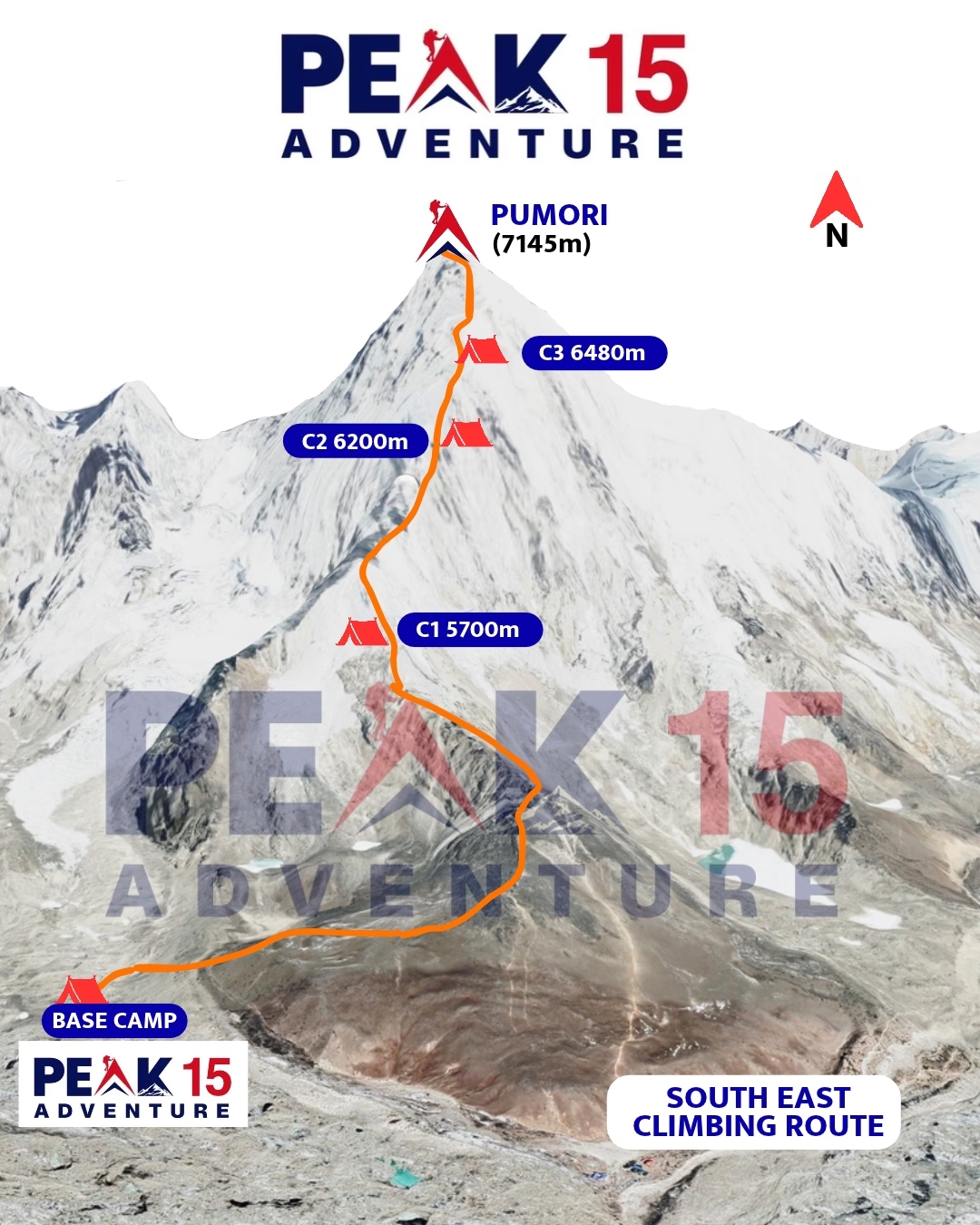
  • The standard route involves steep snow and ice terrain with exposed sections and glaciated mountain conditions. Historical Himalayan Database records identify the southeast ridge and face as the standard route.

  • Climbers should be confident using essential mountaineering equipment including crampons, ice axe, harness, ascender, descender and carabiners.

  • Previous experience on high-altitude and technical peaks is strongly recommended.

  • Experience with fixed-rope systems, glacier travel and movement on steep snow and ice is particularly valuable.

  • Technical ability must be combined with sound judgment, rope discipline and the ability to remain focused in exposed terrain.

  • Follow the instructions of your expedition leader and climbing Sherpa team carefully, especially during technical climbing and summit operations.

Packing & Expedition Equipment

  • Bring properly fitted high-altitude mountaineering boots suitable for prolonged exposure to cold conditions.

  • Essential equipment generally includes crampons, ice axe, climbing harness, helmet, ascender, descender, carabiners and other technical climbing equipment specified by the expedition team.

  • Carry a reliable layering system consisting of thermal base layers, insulating layers, a waterproof shell and high-altitude down clothing.

  • Warm gloves, mittens, balaclava, socks and appropriate head protection are essential.

  • High-quality glacier goggles and sunglasses are necessary to protect your eyes from intense sunlight and snow glare.

  • A dependable headlamp with spare batteries is essential for early-morning climbing and summit attempts.

  • Your sleeping bag should be appropriate for severe high-altitude temperatures.

  • Personal first-aid supplies, sunscreen, lip balm and prescribed medications should be packed according to individual needs.

  • Peak 15 Adventure will provide guidance on the complete equipment list and items that may be available for rental in Nepal.

Weather & Mountain Conditions

  • Conditions on Pumori can change rapidly, particularly above Base Camp and during the summit period.

  • Strong winds, snowfall, freezing temperatures, poor visibility and changing snow conditions can significantly affect the route.

  • Snow stability is an important consideration on a high-altitude snow and ice peak.

  • The summit window depends on suitable weather, route conditions and the readiness of the climbing team.

  • Even during the preferred climbing seasons, favorable conditions cannot be guaranteed.

  • Summit attempts may be postponed, modified or abandoned when mountain conditions become unsafe.

  • Flexibility is essential because a successful expedition depends on adapting to the mountain rather than forcing the mountain to follow a schedule.

Physical Fitness & Mental Preparation

  • Pumori demands a high level of endurance, strength, technical climbing ability and high-altitude resilience.

  • Begin your preparation well before arriving in Nepal with cardiovascular training, strength conditioning, endurance work and regular hiking or mountaineering.

  • Training with a loaded backpack can help prepare the body for long approaches and demanding climbing days.

  • Practice movement on steep, uneven and snow-covered terrain whenever possible.

  • Climbers should be prepared for long hours in cold conditions and reduced oxygen.

  • Mental resilience is equally important when dealing with fatigue, exposure, changing weather and unexpected delays.

  • Arrive with a mindset of patience, discipline and adaptability rather than focusing exclusively on the summit.

Expedition Camps & Facilities

  • The expedition establishes a series of camps between Base Camp and the higher sections of the mountain according to route conditions and the climbing strategy.

  • Pumori Base Camp serves as the principal operational and acclimatization area before higher rotations.

  • Facilities become progressively more basic as the expedition moves higher.

  • Higher camps provide limited shelter and essential staging points for acclimatization and summit operations.

  • Electricity, communication, charging facilities and other conveniences become increasingly limited at altitude.

  • Climbers should be prepared for cold nights, basic facilities and limited personal space during higher-altitude rotations.

Food, Nutrition & Hydration

  • Adequate nutrition is essential when the body is working under demanding high-altitude conditions.

  • Expedition meals are planned to provide the energy required for trekking, acclimatization and climbing.

  • Eat consistently even when altitude reduces your appetite.

  • Drink sufficient safe water throughout the day and monitor your hydration carefully.

  • Warm fluids can be particularly useful during cold mornings and higher-altitude rotations.

  • Carry lightweight personal snacks such as energy bars, chocolate, dried fruits, nuts or other high-energy foods for climbing days.

  • Good nutrition and hydration become increasingly important as the summit attempt approaches.

Permits & Documentation

  • Climbers must obtain the required Pumori climbing permit and relevant Nepal expedition documentation.

  • A valid passport, appropriate travel insurance and emergency contact information should remain accessible throughout the expedition.

  • Comprehensive high-altitude mountaineering insurance with suitable emergency evacuation coverage is strongly recommended.

  • Peak 15 Adventure will coordinate the required expedition permits, logistics and official arrangements for the organized expedition.

  • Check that all personal documents and insurance remain valid for the complete duration of your Nepal stay.

Communication & Emergency Preparedness

  • Communication options can become increasingly limited as the expedition moves farther above Base Camp.

  • The expedition team will maintain appropriate communication systems for coordination and emergency situations.

  • Weather, route conditions and team progress should be monitored throughout the climbing period.

  • Emergency procedures and evacuation arrangements should be understood before beginning the higher-altitude phase.

  • Inform the expedition leader immediately about illness, injury, severe fatigue or unusual altitude symptoms.

  • Never continue climbing simply because you have invested time, money or effort into the expedition.

  • Safety takes priority over the summit, and a responsible turnaround can be a successful mountaineering decision.

Responsible Mountaineering

  • Pumori forms part of the sensitive Himalayan environment of the Khumbu region.

  • Respect local Sherpa communities, Buddhist traditions, monasteries, prayer flags and culturally significant sites along the approach.

  • Minimize waste and avoid unnecessary single-use plastics.

  • Carry personal waste according to expedition regulations and help keep the mountain environment clean.

  • Respect other expedition teams and maintain appropriate discipline around climbing routes and camps.

  • Avoid unnecessary damage to snow, ice, rock and vegetation.

  • Leave the mountain with the same respect with which you entered it.

Travel With the Right Mindset

  • A Pumori expedition is not measured only by reaching 7,165m; it is a journey of preparation, technical skill, teamwork, patience and judgment.

  • Be prepared for cold temperatures, demanding climbing days, basic facilities and changes to the planned schedule.

  • Understand that reaching the summit can never be guaranteed, regardless of experience or preparation.

  • Listen to your body, trust your climbing team and respect changing mountain conditions.

  • Be prepared to turn around when conditions require it.

  • Come ready to climb with discipline, adapt with humility and experience the Everest region beyond its famous trekking trails.

At Peak 15 Adventure, preparation begins long before the summit push. From equipment checks and expedition briefings in Kathmandu to acclimatization and high-altitude climbing on Pumori, every stage requires careful planning and responsible decision-making. The mountain may stand at 7,165m, but the real expedition is built through preparation, patience and respect for the Himalayas.

Trip map

Mt. Pumori Expeditions route map

You may also like

More routes in the same region and difficulty range.

Mt. Pumori (7,165m) Expeditions
Achieve Your Dream
Mountain Ridge Divider
Peak 15 Expedition 1
Peak 15 Expedition 2
Peak 15 Expedition 3
Peak 15 Expedition 4