Peak15Adventure

Baruntse (7,129m) Expedition

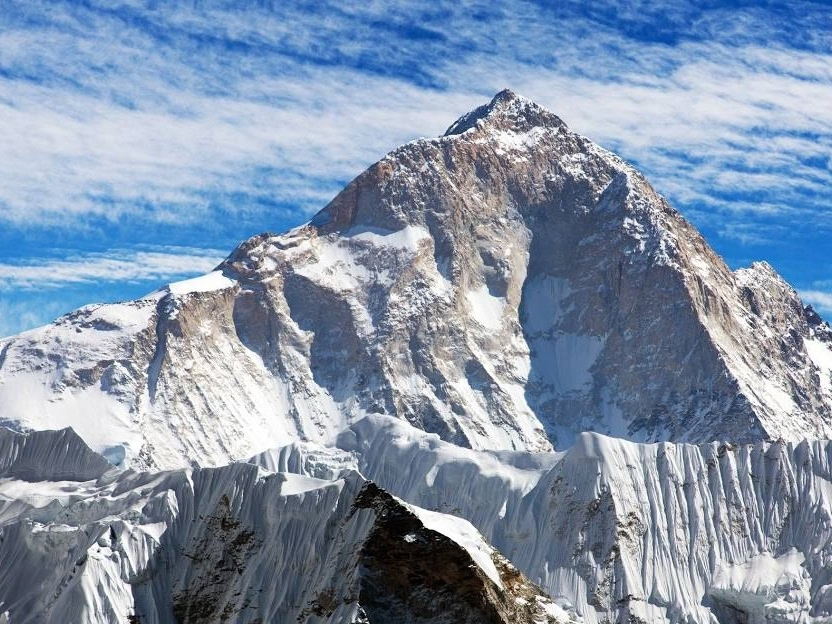
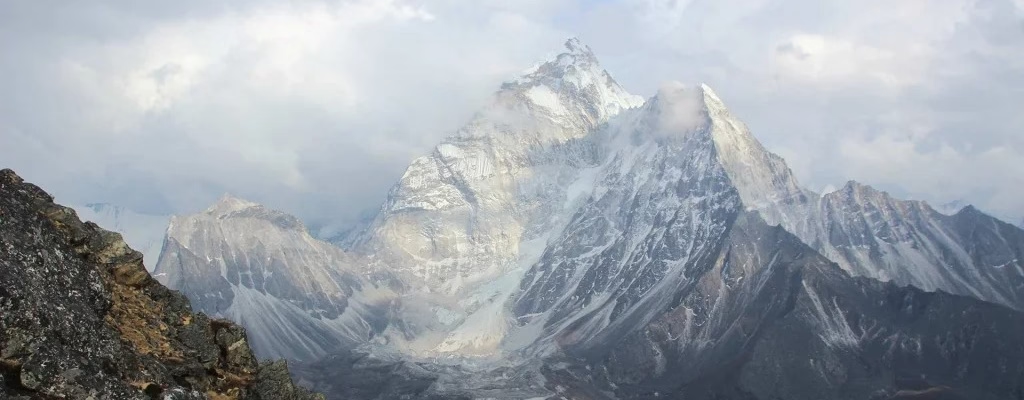
The Baruntse (7,129m) Expedition is a demanding Himalayan adventure into the remote heart of eastern Nepal, where towering peaks, glacial landscapes, and technical climbing come together. Rising between Mount Everest, Lhotse, and Makalu, Baruntse offers an exceptional blend of high-altitude expedition experience and challenging alpine terrain. The journey leads through the legendary Mera Peak region and remote Hunku Valley, allowing climbers to acclimatize progressively before entering the mountain's glaciated slopes. With steep snow and ice, exposed ridges, and a striking summit pyramid, Baruntse demands strong physical preparation, sound technical skills, and careful acclimatization. Guided by the experienced expedition team of Peak 15 Adventure, climbers take on this magnificent 7,000m-class peak with a structured approach focused on safety, preparation, and a rewarding Himalayan experience.

Duration
32 days
Max Altitude
7129 m
Activity
Expedition
Accommodation
Teahouse
Group Size
2-6
Transport
Private Vehicle & Flight
Meals
B-L-D
Season
Oct - Nov & April- May
Difficulty
Advanced

Why travellers love it

  • Climb Baruntse (7,129m) – Take on one of Nepal’s spectacular 7,000m-class peaks, combining high-altitude endurance with technical snow and ice climbing.

  • Explore the Remote Hunku Valley – Journey through the dramatic wilderness of eastern Nepal, surrounded by glaciers, rugged valleys, and towering Himalayan peaks.

  • Progressive High-Altitude Acclimatization – Build strength and confidence through carefully planned acclimatization and climbing rotations before the summit attempt.

  • Technical Himalayan Climbing – Experience challenging glacier travel, steep snow and ice sections, and the iconic exposed terrain leading toward Baruntse’s summit.

  • Expert Expedition Support with Peak 15 Adventure – Climb with an experienced Sherpa and expedition team, supported by comprehensive logistics, safety planning, and high-altitude guidance.

Trip overview

Rising to 7,129m in the remote eastern Himalayas of Nepal, Baruntse is a mountain where technical climbing, high-altitude endurance, and wild Himalayan exploration come together. Positioned in the dramatic Hunku Valley between the Everest and Makalu regions, the mountain offers an extraordinary expedition experience away from the busier trekking routes. Its elegant summit, glaciated approaches, steep snow and ice slopes, and exposed ridgelines make Baruntse a compelling objective for climbers seeking the challenge of a true Himalayan 7,000m peak.

The expedition begins in Kathmandu, where the team completes essential preparations, equipment checks, expedition briefings, and final logistics before heading toward the remote mountain region. The approach takes climbers deep into the Hinku and Hunku valleys, passing through changing landscapes of forest, alpine meadows, rugged moraines, and high Himalayan wilderness. The journey itself becomes an important part of the expedition, providing valuable time for gradual acclimatization while revealing magnificent views of the surrounding peaks.

As altitude increases, the expedition moves toward Baruntse Base Camp, where the focus shifts from trekking to mountaineering. Climbers establish a strong acclimatization rhythm and undertake progressive training and climbing rotations. The mountain requires competent movement on snow, ice, and glaciated terrain, with sections that demand careful rope work, crampon technique, ice-axe skills, and efficient high-altitude movement. The climbing period is designed to allow the team to adapt to the altitude while preparing for the demanding summit push.

The route toward the summit leads across the mountain’s glaciated terrain and progressively steeper slopes. Higher camps provide strategic staging points for the summit attempt, allowing climbers to rest, acclimatize, and prepare for the increasingly demanding environment. As the team climbs higher, thin air, cold temperatures, wind, and technical terrain become major factors. Careful pacing, disciplined teamwork, and sound decision-making are essential throughout the ascent.

The summit day on Baruntse (7,129m) is the defining moment of the expedition. Climbers begin in the darkness, moving upward through the frozen high-altitude landscape toward the summit ridge. Every step requires concentration and efficient energy management. Reaching the summit offers a remarkable perspective across the eastern Himalayas, with an immense panorama of some of Nepal’s most celebrated mountain ranges stretching into the distance.

At Peak 15 Adventure, we understand that a successful expedition is about far more than reaching the summit. It is about preparation, acclimatization, responsible mountain practices, experienced leadership, and knowing when conditions require patience. Our Baruntse Expedition is organized with a carefully structured itinerary, experienced high-altitude Sherpa support, climbing logistics, and contingency planning to help climbers approach this demanding mountain with confidence.

Baruntse is not simply another high Himalayan summit—it is an invitation to enter one of Nepal’s most spectacular mountain environments and test yourself on terrain where every ascent is earned. For climbers with previous high-altitude experience and the determination to step into a more technical Himalayan challenge, the Baruntse (7,129m) Expedition with Peak 15 Adventure offers an unforgettable journey into the heart of the mountains.

Itinerary

  • Day 01

    Arrival in Kathmandu (1,400m) & Transfer to Hotel

    Your Baruntse (7,129m) Expedition begins with your arrival in Kathmandu, Nepal’s vibrant gateway to the Himalayas. After landing at Tribhuvan International Airport, a representative from Peak 15 Adventure will welcome you and transfer you comfortably to your hotel. Once checked in, you can rest and recover from your journey or take some time to explore the lively streets of Kathmandu at your own pace.

    This first day is intentionally relaxed, allowing you to settle into Nepal, adjust to the surroundings, and prepare mentally for the expedition ahead. Your expedition team will also remain available to assist with any immediate requirements and ensure you are comfortable before the upcoming preparation days.

    • MealsD
    • AccommodationHotel
    • Travel Duration30-45 min
    • RouteKathmandu International Airport to Kathmandu
    • TransportationPrivate vehicle
    • Elevation1,400m to 1,400m
  • Day 02

    Official Meeting with the Expedition Team, Gear Check & Final Shopping (1,400m)

    Today is dedicated to final expedition preparation before heading toward the remote Baruntse region. After breakfast, you will meet your Peak 15 Adventure expedition leader, climbing guides, and support team for an official briefing. The team will discuss the expedition itinerary, acclimatization strategy, climbing procedures, communication protocols, weather considerations, and essential safety practices for the journey ahead.

    A thorough gear check follows to ensure that your personal and technical equipment is suitable for a 7,129m expedition. Any missing or unsuitable items can be arranged or purchased in Kathmandu. You will also have time for final shopping, allowing you to stock up on personal necessities, snacks, batteries, and other expedition essentials.

    • AccommodationHotel
    • RouteKathmandu to Kathmandu
    • Elevation1,400m to 1,400m
  • Day 03

    Fly from Kathmandu (1,400m) to Lukla (2,800m) & Trek to Paiya (2,730m)

    After breakfast, the expedition begins with an early morning flight from Kathmandu to Lukla (2,800m), the gateway to the remote Hinku Valley. The short mountain flight offers spectacular views of the Himalayan landscape before landing on the Lukla airstrip. After meeting the trekking team and making final preparations, the trail descends gradually through forested terrain before continuing toward Paiya.

    The route passes through lush vegetation, small mountain settlements, and quiet trails away from the busier Everest trekking corridor. The relatively moderate elevation of Paiya (2,730m) provides a comfortable first night while the team begins adapting to the mountain environment.

    • MealsB/L/D
    • AccommodationTeahouse
    • Travel Duration30-40 min & 4-5 hours
    • RouteKathmandu to Lukla to Paiya
    • TransportationFlight & Trekking
    • Elevation1,400m to 2,860m to 2,730m
  • Day 04

    Trek from Paiya (2,730m) to Pangkongma (2,850m)

    Today the trail continues deeper into the remote landscapes of eastern Nepal. Leaving Paiya, the route winds through dense forests and rugged mountain terrain, with several undulating sections requiring careful footing. The trail gradually enters the quieter Hinku and Khare Khola region, where traditional mountain trails and forested ridges create a distinctly wild atmosphere.

    As the team approaches Pangkongma (2,850m), the surrounding landscape begins to open toward the higher Himalayan terrain ahead. The controlled pace allows the body to adjust progressively while conserving energy for the increasing elevations of the coming days.

    • MealsB/L/D
    • AccommodationTeahouse
    • Travel Duration6-7 hours
    • RoutePaiya to Pangkongma
    • TransportationTrekking
    • Elevation2,730m to 2,850m
  • Day 05

    Trek from Pangkongma (2,850m) to Ning So (2,850m)

    Leaving Pangkongma, the trail continues across forested ridges and remote mountain paths toward Ning So (2,850m). The route features a series of gradual ascents and descents as it traverses the rugged terrain between the lower Hinku Valley and the high mountain approaches.

    The journey remains deliberately paced, allowing the team to build endurance without rushing the acclimatization process. Along the way, the changing vegetation and increasingly rugged surroundings signal the transition from the lower mountain forests toward the alpine environment of the Mera Peak region.

    After reaching Ning So, the team settles into the lodge, replenishes fluids and energy, and prepares for the higher elevations ahead.

    • MealsB/L/D
    • AccommodationTeahouse
    • Travel Duration6-7 hours
    • RoutePangkongma to Ning So
    • TransportationTrekking
    • Elevation2,850m to 2,850m
  • Day 06

    Trek from Ning So (2,850m) to Jungle Camp (3,160m)

    Today the expedition continues through increasingly remote terrain toward Jungle Camp (3,160m). The trail passes through dense Himalayan forest and follows a series of ridges and valleys, with the landscape gradually becoming more rugged as the elevation increases.

    The route provides an important transition toward the higher Hinku Valley. The steady gain in altitude is managed with a measured pace, regular hydration, and appropriate rest. As the team moves farther from established settlements, the sense of entering a genuine Himalayan wilderness becomes stronger.

    Upon reaching Jungle Camp, the team settles in for the evening, enjoys a warm meal, and focuses on recovery before continuing toward the higher camps.

    • MealsB/L/D
    • AccommodationTented Camp
    • Travel Duration5-6 hours
    • RouteNing So to Jungle Camp
    • TransportationTrekking
    • Elevation2,850m to 3,160m
  • Day 07

    Trek from Jungle Camp (3,160m) to Khote (3,700m)

    The trail climbs steadily today toward Khote (3,700m), bringing the expedition deeper into the Hinku Valley. The route passes through forested landscapes with increasingly impressive views of the surrounding Himalayan ridges and high mountain terrain.

    As altitude increases, the pace becomes more deliberate. The team maintains a steady rhythm, allowing sufficient time for hydration, rest, and adaptation. The changing landscape—from dense woodland toward more open alpine surroundings—marks an important stage in the approach to Mera Peak.

    Khote is an important settlement on the route toward the higher Hinku Valley. After arrival, the team settles into the lodge, takes a well-earned rest, and prepares for the continued elevation gain ahead.

    • MealsB/L/D
    • AccommodationTeahouse
    • Travel Duration6-7 hours
    • RouteJungle Camp to Khote
    • TransportationTrekking
    • Elevation3,160m to 3,700m
  • Day 08

    Trek from Khote (3,700m) to Thangnak (4,350m)

    Today marks a significant step into the high-altitude environment. From Khote, the trail follows the Hinku Valley toward Thangnak (4,350m), gradually leaving the forested landscapes behind and entering a more open alpine setting.

    The route follows the valley with dramatic mountain scenery surrounding the team. As the elevation increases, the effects of altitude become more noticeable, making a slow and controlled pace essential. Regular hydration and rest breaks help the body adapt to the thinner air.

    Reaching Thangnak is an important milestone in the Mera Peak expedition. The team settles into the lodge and prepares for the upcoming acclimatization period and higher-altitude trekking.

    • MealsB/L/D
    • AccommodationTeahouse
    • Travel Duration5–6 hours
    • RouteKhote to Thangnak
    • TransportationTrekking
    • Elevation3,700m to 4,350m
  • Day 09

    Rest & Acclimatization Day at Thangnak (4,350m)

    Today is dedicated to acclimatization and recovery at Thangnak (4,350m). Rather than treating the day as complete rest, the team undertakes a short acclimatization hike around the surrounding terrain, allowing the body to experience higher elevations before returning to sleep at Thangnak.

    The day also provides an opportunity to monitor each climber’s response to altitude, including sleep, appetite, hydration, energy levels, and any symptoms of altitude sickness. The expedition team uses this time to review equipment, discuss the upcoming route, and prepare climbers for the increasingly demanding terrain toward Khare and Mera Peak Base Camp.

    A relaxed afternoon allows the team to recover, hydrate, and conserve energy for the next stage of the expedition.

    • MealsB/L/D
    • AccommodationTented Camp
    • RouteThangnak to Thangnak
    • Transportationacclimatization hike and exploration
    • Elevation4,350m to 4,350m
  • Day 10

    Trek from Thangnak (4,350m) to Khare (5,054m)

    The expedition continues higher today toward Khare (5,054m), an important staging point for the Mera Peak climbing phase. The trail gradually leaves the lower Hinku Valley and enters increasingly rugged alpine terrain, with barren slopes, glacial landscapes, and dramatic mountain views becoming more prominent.

    The elevation gain is significant, so the team maintains a slow and controlled pace with regular hydration and rest breaks. As the air becomes thinner, efficient movement and careful monitoring of physical condition become increasingly important.

    Arrival at Khare marks the beginning of the expedition's serious high-altitude preparation. After settling into the lodge, the team can rest, organize climbing equipment, and prepare for the acclimatization and technical training ahead.

    • MealsB/L/D
    • AccommodationTeahouse
    • Travel Duration5-6 hours
    • RouteThangnak to Khare
    • TransportationTrekking
    • Elevation4,350m to 5,054m
  • Day 11

    Trek from Khare (5,054m) to Khongma Dingma

    Today, you leave Khare and continue deeper into the remote high-altitude wilderness toward Khongma Dingma. The trail gradually moves away from the familiar Mera Peak approach and into quieter mountain terrain, with rugged moraines, glacial valleys, and expansive views of the surrounding Himalayan peaks.

    The route involves steady ups and downs across challenging alpine ground, requiring careful footing and a measured pace. As the elevation remains high, the thin air becomes an important factor, making hydration, regular breaks, and controlled breathing essential. The changing landscape provides a striking transition from the lower valleys into the more remote environment surrounding the Baruntse region.

    Upon reaching Khongma Dingma, settle into camp and allow your body to recover. The evening is an opportunity to review the next stage of the expedition with the climbing team and prepare for the increasingly demanding approach toward Baruntse.

    • MealsB/L/D
    • AccommodationTented Camp
    • Travel Duration6-7 hours
    • RouteKhare to Khongma Dingma
    • TransportationTrekking
    • Elevation5,054m
  • Day 12

    Trek from Khongma Dingma to Seto Pokhari (5,035m)

    Today, the expedition ventures farther into the remote Hunku Valley, leaving Khongma Dingma behind and following a rugged trail toward Seto Pokhari (5,035m). The landscape becomes increasingly wild and austere as the trail crosses rocky ground, high alpine terrain, and glacial surroundings. With little vegetation at this elevation, the route offers an uninterrupted sense of Himalayan wilderness.

    The steady journey takes you deeper into the Baruntse region, where massive mountain walls and snow-covered peaks dominate the horizon. As you approach Seto Pokhari, the terrain becomes more glaciated and remote, requiring careful footing and a consistent pace. The high altitude also demands greater attention to hydration, nutrition, and acclimatization.

    Seto Pokhari provides a spectacular high-altitude setting for the evening. After reaching camp, take time to rest and recover while the expedition team prepares for the next stage toward Baruntse Base Camp.

    • MealsB/L/D
    • AccommodationTented Camp
    • Travel Duration6-7 hours
    • RouteKhongma Dingma to Seto Pokhari
    • TransportationTrekking
    • Elevation5,035m
  • Day 13

    Trek from Seto Pokhari (5,035m) to Baruntse Base Camp (5,400m)

    Today is a defining stage of the approach as you leave Seto Pokhari (5,035m) and make your way toward Baruntse Base Camp (5,400m). The trail leads deeper into the remote Hunku Valley, surrounded by vast glacial landscapes, rugged moraines, and towering Himalayan peaks. The increasingly dramatic scenery signals that you are now entering the true expedition environment of Baruntse.

    The route involves careful movement across rocky and glacial terrain, with the thin air making even moderate elevation gains physically demanding. As you approach Base Camp, the imposing walls and snow-covered slopes of Baruntse begin to dominate the landscape, building anticipation for the technical climbing ahead.

    Upon reaching Baruntse Base Camp, the expedition shifts from the trekking phase to the mountaineering phase. The climbing team will establish camp, organize equipment, and begin preparations for acclimatization and upcoming climbing rotations. The evening is reserved for rest, hydration, and familiarization with the high-altitude environment.

    • MealsB/L/D
    • AccommodationTented Camp
    • Travel Duration6-7 hours
    • RouteSeto Pokhari to Baruntse Base Camp
    • TransportationTrekking
    • Elevation5,035m to 5,400m
  • Day 14

    Trek from BaruntsBaruntse Base Camp – Acclimatization & Climbing Rotations to Camp I and Camp IIe Base Camp (5,400m) to Amphu Lapcha High Camp

    The next eight days form the core acclimatization and climbing phase of the Baruntse (7,129m) Expedition. From Baruntse Base Camp (5,400m), the team will undertake carefully planned rotations toward Camp I and Camp II, progressively exposing the body to higher elevations while allowing sufficient time for recovery at Base Camp.

    The first rotation focuses on becoming familiar with the route above Base Camp and developing efficient movement on glacial and snowy terrain. As acclimatization progresses, climbers move higher toward Camp I and subsequently Camp II, carrying essential equipment and practicing the techniques required for the summit push. Depending on weather, route conditions, and individual acclimatization, the expedition leader may adjust the rotation schedule to maximize safety and readiness.

    Returning to Base Camp between rotations allows the team to recover, replenish energy, review equipment, and prepare for the next ascent. The climbing Sherpa team will also assess the route, fixed ropes, snow conditions, and overall mountain situation before each higher rotation.

    During this period, climbers should expect demanding days involving glacier travel, steep snow and ice, fixed-rope sections, cold temperatures, and progressively thinner air. The emphasis is not simply on climbing higher, but on learning how to move efficiently and conserve energy at altitude.

    The final rotation is intended to leave the team properly acclimatized and physically prepared for the summit attempt. Weather forecasts, route safety, snow conditions, and the team's overall health will determine when the summit push can begin.

    • MealsB/L/D
    • AccommodationTented Camp
    • RouteBaruntse Base Camp to Camp I and Camp II
    • Transportationmulti-day climbing rotations and acclimatization
    • Elevation5,400m
  • Day 22

    Summit Push – Baruntse Base Camp to Summit (7,129m) & Return to Base Camp

    The expedition now enters its most anticipated phase: the summit push on Baruntse (7,129m). After completing acclimatization and climbing rotations, the team leaves Base Camp with the objective of reaching the summit and safely returning to Base Camp. This five-day period provides flexibility for weather, route conditions, rest, and the timing of the summit attempt.

    The summit push begins from Baruntse Base Camp (5,400m) and progresses through the established higher camps. The ascent becomes increasingly demanding as the team enters the high-altitude zone, where cold, wind, steep snow and ice, and reduced oxygen require careful pacing and strong teamwork.

    The summit attempt on Baruntse (7,129m) is planned according to weather forecasts, route conditions, and the team's physical condition. Climbers typically begin the summit climb during the early hours, moving carefully through the darkness toward the upper mountain. The final ascent requires concentration, efficient use of technical equipment, and close coordination with the climbing Sherpa team.

    Standing on the summit of Baruntse offers an extraordinary Himalayan panorama, with vast snow-covered ranges extending across the eastern Nepal Himalayas. After spending only the necessary time at the summit, the team begins the descent through the higher camps and eventually returns to Base Camp.

    These days are intentionally kept flexible because the mountain determines the summit timetable. If weather or route conditions are unsuitable, the team may wait at Base Camp or a higher camp and make the attempt when a safer opportunity appears.

    • MealsB/L/D
    • AccommodationTented Camp
    • RouteBaruntse Base Camp to Baruntse Summit, returning to Base Camp
    • Transportationmulti-day high-altitude climbing and descent
    • Elevation5,400m to 7,129m to 5,400m
  • Day 27

    Trek from Baruntse Base Camp (5,400m) to Amphu Lapcha High Camp

    After the demanding summit phase, today begins the return journey through one of the most dramatic sections of the eastern Himalayas. Leaving Baruntse Base Camp (5,400m) behind, the trail heads toward Amphu Lapcha High Camp, following rugged glacial terrain surrounded by towering peaks and remote mountain landscapes.

    The route crosses challenging moraine and rocky terrain as you gradually approach the Amphu Lapcha area. Although the summit objective has been completed, the altitude remains significant, so a controlled pace and careful footing are essential. The increasingly stark landscape provides a fitting transition from the Baruntse climbing environment toward the Khumbu Valley.

    After reaching Amphu Lapcha High Camp, the team settles into camp and prepares for the demanding crossing of Amphu Lapcha Pass on the following day. The climbing team will review equipment, ropes, crampons, and other technical gear required for the pass crossing.

    • MealsB/L/D
    • AccommodationTeahouse
    • Travel Duration6-7 hours
    • RouteBaruntse Base Camp to Amphu Lapcha High Camp
    • TransportationTrekking
    • Elevation5,400m to 5,800m
  • Day 28

    Cross Amphu Lapcha Pass (5,845m) & Trek to Chhukung (4,730m)

    Today, the trail continues its gradual descent from Tengboche (3,860m) to the vibrant mountain town of Namche Bazaar (3,440m). After breakfast, you leave the peaceful surroundings of Tengboche and follow a scenic trail through dense rhododendron, pine, and juniper forests.

    The route descends toward the Dudh Koshi Valley before crossing suspension bridges and gradually climbing toward Namche. As you approach the town, the landscape opens to impressive views of the surrounding Khumbu mountains, providing a beautiful final glimpse of the high Himalayas.

    Arriving in Namche Bazaar, you return to a lively mountain hub filled with lodges, cafés, shops, and trekkers from around the world. After the demanding days of the expedition, Namche provides a comfortable place to rest, enjoy a warm meal, and reconnect with the atmosphere of the lower Khumbu.

    • MealsB/L/D
    • AccommodationTeahouse
    • Travel Duration8-10 hours
    • RouteAmphu Lapcha High Camp to Chhukung to Amphu Lapcha Pass
    • TransportationTrekking
    • Elevation5,800m to 4,730m to 5,845m
  • Day 29

    Trek from Chhukung (4,730m) to Tengboche (3,860m)

    After the demanding Amphu Lapcha crossing, today offers a more relaxed descent through the beautiful landscapes of the Khumbu region. Leaving Chhukung (4,730m) behind, the trail gradually loses elevation as it follows the valley toward Tengboche. The route passes through open mountain terrain before entering forests of rhododendron, pine, and juniper.

    As you descend, the air becomes noticeably warmer and vegetation becomes more abundant. Along the way, you can enjoy impressive views of Ama Dablam, Everest, Lhotse, and other surrounding Himalayan peaks when weather conditions allow.

    The trail eventually reaches Tengboche (3,860m), one of the most significant cultural and spiritual settlements in the Khumbu. The famous Tengboche Monastery provides a peaceful setting to reflect on the expedition while enjoying the magnificent mountain panorama.

    • MealsB/L/D
    • AccommodationTeahouse
    • Travel Duration5-6 hours
    • RouteChhukung to Tengboche
    • TransportationTrekking
    • Elevation4,730m to 3,860m
  • Day 30

    Trek from Tengboche (3,860m) to Namche Bazaar (3,440m)

    Today, the trail continues its gradual descent from Tengboche (3,860m) to the vibrant mountain town of Namche Bazaar (3,440m). After breakfast, you leave the peaceful surroundings of Tengboche and follow a scenic trail through dense rhododendron, pine, and juniper forests.

    The route descends toward the Dudh Koshi Valley before crossing suspension bridges and gradually climbing toward Namche. As you approach the town, the landscape opens to impressive views of the surrounding Khumbu mountains, providing a beautiful final glimpse of the high Himalayas.

    Arriving in Namche Bazaar, you return to a lively mountain hub filled with lodges, cafés, shops, and trekkers from around the world. After the demanding days of the expedition, Namche provides a comfortable place to rest, enjoy a warm meal, and reconnect with the atmosphere of the lower Khumbu.

    • MealsB/L/D
    • AccommodationTeahouse
    • Travel Duration5-6hours
    • RouteTengboche to Namche Bazaar
    • TransportationTrekking
    • Elevation3,860m to 3,440m
  • Day 31

    Trek from Namche Bazaar (3,440m) to Lukla (2,860m)

    Today marks the final trekking day of your Baruntse (7,129m) Expedition as you make your way from Namche Bazaar toward Lukla. The trail follows the familiar route through the Dudh Koshi Valley, descending through forests, hillside villages, suspension bridges, and terraced landscapes.

    As you lose elevation, the air becomes warmer and the trail gradually returns to greener surroundings. The journey provides a chance to reflect on the expedition—from the remote Hunku Valley and Baruntse Base Camp to the summit and the dramatic crossing of Amphu Lapcha Pass.

    After several hours of trekking, you arrive in Lukla (2,860m). Enjoy your final evening in the Khumbu region with your expedition team, celebrate the completion of the mountain journey, and prepare for the flight back to Kathmandu the following day.

    • MealsB/L/D
    • AccommodationHotel
    • Travel Duration6–7 hours
    • RouteNamche Bazaar to Lukla
    • TransportationTrekking
    • Elevation3,440m to 2,860m
  • Day 32

    Fly from Lukla (2,860m) to Kathmandu (1,400m) & Transfer to Hotel

    Today, you leave the Khumbu region behind and take a scenic flight from Lukla (2,860m) to Kathmandu (1,400m). The flight offers a final aerial perspective of the rugged Himalayan landscape, with snow-covered peaks and deep mountain valleys gradually giving way to Nepal’s rolling hills and urban surroundings.

    Upon arrival in Kathmandu, a Peak 15 Adventure representative will welcome you at the airport and arrange your private transfer to the hotel. After the remote trails, high camps, and demanding summit journey, the return to Kathmandu provides a welcome opportunity to enjoy modern comforts and recover.

    The remainder of the day is free for relaxation, personal activities, or exploring Kathmandu at your own pace. In the evening, you may celebrate the successful completion of your Baruntse expedition with your expedition team.

    • MealsB/L/D
    • AccommodationHotel
    • Travel Duration30-45 min
    • RouteLukla to Kathmandu
    • TransportationFlight
    • Elevation2,860m to 1,400m
  • Day 33

    Free Day in Kathmandu (1,400m)

    After the demanding Baruntse expedition and the crossing of Amphu Lapcha Pass, today is reserved for rest and personal activities in Kathmandu. Enjoy a relaxed morning at your hotel, recover from the journey, and take time to reflect on the remarkable experiences of the expedition.

    For those interested in exploring, the day can be spent discovering Kathmandu’s historic streets, visiting cultural landmarks, browsing local shops, or purchasing souvenirs and traditional handicrafts. You may also use this time to organize photographs, reconnect with family and friends, or simply enjoy a quiet day before your international departure.

    The Peak 15 Adventure team remains available to assist with any final arrangements, luggage organization, or expedition-related matters. In the evening, you can enjoy a relaxed farewell atmosphere and celebrate the completion of your Baruntse adventure.

    • AccommodationHotel
    • RouteKathmandu to Kathmandu
    • Elevation1400m to 1400m
  • Day 34

    Transfer to the International Airport for Final Departure

    Your Baruntse (7,129m) Expedition with Peak 15 Adventure comes to an end today. After breakfast, take some time to make your final preparations, check your luggage, and ensure that all personal belongings are packed before departing for the airport.

    At the appropriate time, a Peak 15 Adventure representative will accompany you to Tribhuvan International Airport for your international flight. Allowing sufficient time for airport formalities, you can look back on the extraordinary journey—from the remote Hunku Valley and Baruntse Base Camp to the summit push, Amphu Lapcha Pass, and return through the Khumbu region.

    We hope the expedition leaves you with lasting memories of Nepal’s high Himalayas, its remarkable landscapes, and the spirit of adventure that defined your Baruntse experience. We look forward to welcoming you again for another Himalayan adventure with Peak 15 Adventure.

    • MealsB
    • Travel Duration30-45 min
    • RouteKathmandu to Tribhuvan International Airport, Kathmandu
    • TransportationPrivate Vehicle
    • Elevation1400m to 1400m
Altitude profileMax 7,129 m
1,400 mD11,400 mD22,860 mD32,850 mD42,850 mD53,160 mD63,700 mD74,350 mD84,350 mD95,054 mD105,054 mD115,035 mD125,400 mD135,400 mD147,129 mD225,800 mD274,730 mD283,860 mD293,440 mD302,860 mD311,400 mD321,400 mD331,400 mD34

Are you looking to customize the trip itinerary?

If the provided schedule is not suitable for you, we can create a personalized travel arrangement tailored to your preferences and requirements.

Customize Trip

Cost breakdown

What's included
  • Pick up and drop off services for both international & domestic flights as per the itinerary.

  • 4 nights 4* Hotel in Kathmandu on Bed & Breakfast plan, 2 nights before and 2 nights after the expedition

  • Welcome dinner in a typical Nepali Restaurant in Kathmandu.

  • Both-ways domestic flight via Ramechhap (Ktm – Lukla – Ktm) with airport tax. Early morning 5 hrs. drive from Kathmandu to Ramechap and further domestic flight to Lukla.

  • Land and Air domestic transportation and cargo for overall expedition.

  • Climbing Permit for Baruntse (7,129m) Expedition and other necessary permit fees

  • Government Liaison officer with his daily wages, equipment allowance, food, insurance and transportation.

  • Summit route fixing charge for Baruntse (7,129, m) Expeditions

  • Emergency communication tools (satellite phones, radios).

  • Garbage disposal and management fees.

  • Insurance of Nepalese staffs of High Altitude, Medical and emergency Helicopter rescue (in group)

  • Base Camp Cook and Kitchen helpers and all kitchen utensils for cooking at BC

  • 3 Meals a day (BLD) during the trekking from Lukla to Base Camp to Lukla.

  • High food for high camps with cooking burners and tents to sleeping

  • Freshly cooked meals (Breakfast, Lunch & Dinner): Continental, Nepali, Indian with hot drinks, Tea and Coffee.

  • 01 veteran and highly experienced Climbing Guide (01 Member: 01 Climbing Guide)

  • 45 kg as a member personal baggage.

  • Each member will be provided an individual tent, Mattress and Pillow at Base Camp.

  • Common Equipment at Base Camp: Dinning tent, Kitchen tent, Toilet tent, Shower tent, Tables and Chairs, Heater etc.

  • Walkie-talkie for communicating from Base Camp to Mountain and Mountain to Base Camp.

  • Satellite Phone is available for emergency call at US $5 per minute.

  • Weather forecast during the entire expedition.

  • Emergency Oxygen bottles and Mask Regulator Set available at our Base Camp (Chargeable as per use).

  • First Aid medical kit (carried by Guide)

  • Peak 15 Adventure’s Duffle Bag Outdoor Cap (If required).

  • Farewell dinner with Climbing guides, Office staffs and Company Owners in Kathmandu after the expedition

  • Government taxes and company service charge.

  • Summit Certificate will be provided by Nepal Government after the successful ascent of the peak (Note: Photos & videos of summit must be provided for final verification).

What's not included
  • International flights to/from Kathmandu.

  • Nepal Entry Visa fee (to be applied for 40 days).

  • Drone and Special filming permit.

  • Costs from delays due to weather or itinerary changes.

  • Travel, Medical and Emergency High Altitude Helicopter Rescue Insurance (Minimum coverage US$ 50,000). This is mandatory for all the Participants. Emergency rescue costs beyond insurance All the Personal Climbing Gears and Equipment.

  • Costs from delays due to weather or itinerary changes.

  • Meals in Kathmandu not specified in the package.

  • Summit Bonus US$ 800/- for each Climbing Guide and US$ 250/- for Kitchen helpers must be hand over in Cash at Base Camp after the successful ascent of the peak also please calculate some tips for trek Guide and Porters.

  • Personal expenses (tips, laundry, drinks).

  • Any other services which are not mentioned in the service includes.

Upcoming departures

Filter departures by month
Sep 7 – Oct 12, 2027
Available
—

All prices per person, twin share. Subject to availability — Baruntse (7,129m) Expedition dates fill quickly in peak season.

Useful information

Preparing for the Baruntse (7,129m) Expedition requires physical fitness, technical climbing skills, suitable equipment, and a strong understanding of high-altitude conditions. This demanding Himalayan climb involves steep snow and ice, glaciated terrain, extreme cold, and unpredictable weather. Proper preparation, gradual acclimatization, and flexible decision-making are essential for a safer and more rewarding expedition.

Altitude & Acclimatization

  • Gradual acclimatization and planned rotations between Base Camp and higher camps help prepare your body for altitude.

  • Maintain a steady pace, stay hydrated, eat well, and get adequate rest.

  • Report symptoms such as persistent headaches, dizziness, nausea, unusual fatigue, or breathing difficulties immediately.

  • Summit plans may change according to weather, route conditions, and the team's health.

Technical Climbing & Experience

  • Baruntse is a technical high-altitude expedition requiring glacier travel and climbing on steep snow and ice.

  • Confidence using crampons, ice axe, harness, ascender, descender, and fixed ropes is essential.

  • Previous experience on high-altitude peaks and familiarity with rope systems and glacier safety are strongly recommended.

  • Follow your expedition leader and climbing team's instructions throughout the ascent.

Packing & Expedition Equipment

  • Bring suitable high-altitude mountaineering boots, technical climbing equipment, and a reliable layering system.

  • Essential clothing includes thermal layers, insulating garments, waterproof outerwear, a down jacket, warm gloves, and headwear.

  • Pack mountaineering goggles, sunglasses, a headlamp with spare batteries, a suitable sleeping bag, sunscreen, and personal medication.

Weather & Mountain Conditions

  • Conditions can change rapidly, bringing strong winds, snowfall, freezing temperatures, and poor visibility.

  • Summit attempts depend on favorable weather and safe route conditions.

  • Delays or changes to the climbing schedule are possible, so flexibility is essential.

Physical Fitness & Mental Preparation

  • Excellent endurance, strength, technical ability, and mental resilience are important for this 7,000m climb.

  • Prepare through cardiovascular training, strength exercises, long hikes, and regular mountaineering practice.

  • Be ready for prolonged climbing days, cold temperatures, limited oxygen, and demanding summit operations.

Expedition Camps & Facilities

  • Base Camp and higher camps are established according to the climbing plan and mountain conditions.

  • Facilities become increasingly basic at higher elevations, with limited comfort, charging options, and communication.

  • Prepare for cold nights, tented accommodation, and physically demanding climbing rotations.

Food, Nutrition & Hydration

  • Eat regular, energy-rich meals to maintain strength during trekking and climbing.

  • Drink sufficient safe water, even when your appetite decreases at altitude.

  • Carry personal snacks such as energy bars, nuts, dried fruits, or chocolate for long climbing days.

Permits & Documentation

  • A valid passport, required climbing permits, travel documents, and appropriate insurance are essential.

  • Obtain comprehensive high-altitude mountaineering insurance that includes emergency evacuation.

  • Peak 15 Adventure will coordinate the required expedition permits and official arrangements.

Communication & Emergency Preparedness

  • Communication may be limited in remote and high-altitude areas; satellite communication may be used where available.

  • Understand the expedition's emergency procedures and evacuation arrangements before climbing.

  • Safety takes priority over summit ambitions, and the team may adjust plans when conditions require it.

Responsible Mountaineering

  • Respect local communities, cultural traditions, and the fragile Himalayan environment.

  • Minimize waste, follow designated routes, and observe camp and climbing safety procedures.

  • Leave no unnecessary trace and respect other climbing teams on the mountain.

Travel With the Right Mindset

  • A Baruntse expedition demands preparation, patience, teamwork, technical discipline, and responsible decision-making.

  • Be prepared for challenging conditions, basic facilities, and possible schedule changes.

  • Reaching the summit is never guaranteed; listen to your body and respect the mountain's conditions.

You may also like

More routes in the same region and difficulty range.

Baruntse (7,129m) Expedition
Achieve Your Dream
Mountain Ridge Divider
Peak 15 Expedition 1
Peak 15 Expedition 2
Peak 15 Expedition 3
Peak 15 Expedition 4