Peak15Adventure

Tilicho Peak (7,134m) Expedition

Rising to 7,134m in the dramatic Annapurna region, Tilicho Peak is a formidable Himalayan expedition that blends technical climbing, high-altitude endurance, and an unforgettable journey through the remote landscapes of Manang. The expedition begins amid the diverse mountain scenery of the Annapurna circuit before moving beyond the familiar trekking trails toward the glaciers and high camps beneath Tilicho Peak. As altitude increases, the character of the expedition changes-acclimatization, glacier travel, rope work, and carefully planned climbing rotations become central to the journey. With an experienced expedition team, strategic acclimatization, and a summit-focused approach, Peak 15 Adventure takes climbers toward the summit of Tilicho Peak and back, turning a demanding 7,000m ascent into a carefully managed Himalayan adventure.

Duration
30 days
Max Altitude
7134 m
Destination
Nepal
Activity
Expedition
Accommodation
Teahouse
Group Size
2-10
Transport
Private Vehicle & Flight
Meals
B-L-D
Season
April-May
Difficulty
Advanced

Why travellers love it

  • Stand on a 7,134m Himalayan Summit - Take on Tilicho Peak, a demanding high-altitude objective that rewards climbers with an extraordinary sense of achievement above the Annapurna landscape.

  • Journey Beyond the Annapurna Circuit - Travel from the culturally rich valleys of Manang into the quieter, wilder terrain surrounding Tilicho Peak and its glaciated upper reaches.

  • Experience Serious High-Altitude Climbing - Progress from trekking terrain to glacier travel, fixed-line climbing, steep snow and ice, and the disciplined routines required at extreme altitude.

  • Strategic Acclimatization & Climbing Rotations - Build altitude tolerance progressively through carefully planned acclimatization, rest, and rotations before committing to the summit push.

  • Expedition Managed by Peak 15 Adventure - Climb with an experienced Sherpa and expedition support team focused on logistics, mountain safety, acclimatization, route management, and a well-coordinated summit strategy.

Trip overview

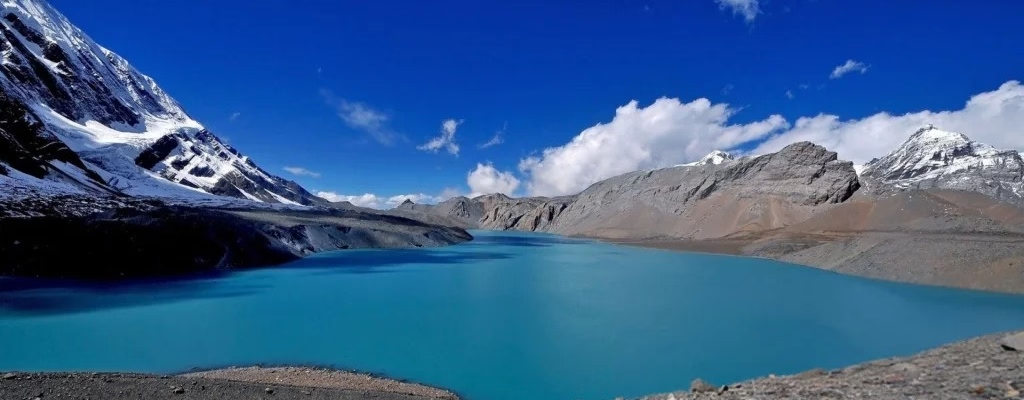
Tilicho Peak (7,134m) rises above the high valleys of the Annapurna region, where enormous Himalayan walls, glacial terrain, and the stark landscapes surrounding Tilicho Lake create the setting for an expedition that gradually moves from classic trekking into serious high-altitude mountaineering. For climbers looking beyond the popular trekking peaks and seeking a demanding 7,000m objective, Tilicho Peak offers an expedition that combines endurance, technical preparation, altitude management, and the raw character of the high Himalaya.

The adventure begins in Kathmandu, where the expedition team completes the necessary preparations, documentation, equipment checks, and logistical arrangements before heading toward the Manang region. The approach follows the spectacular mountain corridors of the Annapurna landscape, passing through traditional settlements and increasingly higher terrain. As the trail climbs deeper into the mountains, the scenery changes from forested valleys and cultivated hillsides to barren alpine slopes, towering peaks, and glacial environments.

Reaching the Tilicho Peak Base Camp marks a defining transition in the expedition. From here, the focus shifts from approach trekking to climbing preparation. Climbers settle into the rhythm of high-altitude life while the expedition team conducts necessary briefings, checks equipment, reviews the route, and prepares for the climbing rotations. Acclimatization is treated as an essential part of the expedition rather than a pause in the journey, allowing the body to progressively adapt to the decreasing oxygen levels.

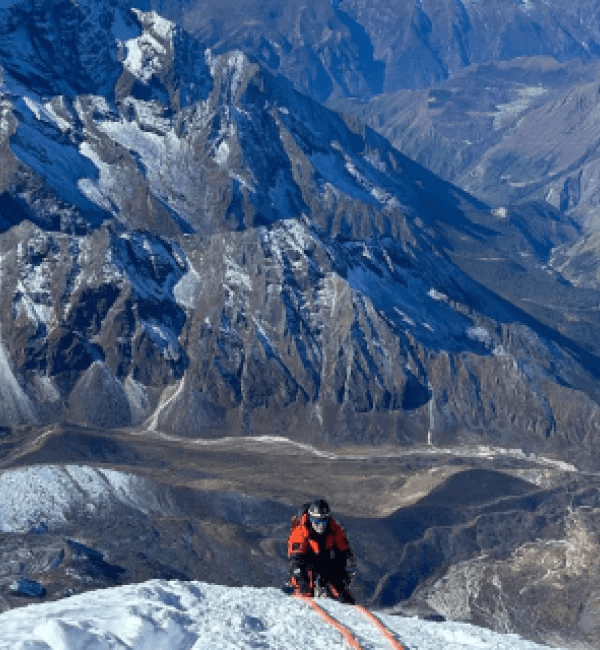
Above Base Camp, Tilicho Peak presents a progressively more demanding environment. The ascent involves moving through snow and glacial terrain while carrying the equipment and discipline required for a high-altitude summit attempt. Depending on current mountain conditions and the route selected by the expedition team, climbers may encounter steep snow and ice sections where crampons, ice axe, harness, ascender, ropes, and other mountaineering equipment become essential. Fixed ropes may be established on technically demanding sections to provide a controlled climbing line.

The higher camps become temporary homes in an increasingly severe environment. Days are shaped around weather, acclimatization, recovery, route conditions, and the physical response of each climber. Peak 15 Adventure emphasizes gradual progression and disciplined decision-making, because on a 7,000m mountain, reaching the summit is only one part of a successful expedition—the ability to descend safely is equally important.

The summit push is the defining moment of the expedition. Climbers leave their high camp during the cold, dark hours, moving steadily upward beneath the vast Himalayan sky. Every step demands concentration as altitude, cold, wind, and changing snow conditions test endurance. The final ascent toward Tilicho Peak's 7,134m summit offers an extraordinary perspective across the surrounding Annapurna and Manang landscapes. Standing on the summit is not simply about altitude; it represents the culmination of months of preparation, acclimatization, teamwork, patience, and determination.

After the summit attempt, the expedition descends through the high camps toward Base Camp before retracing the mountain route back toward lower elevations. The descent provides a striking change of perspective as the harsh glacial world gradually gives way to greener valleys and inhabited mountain settlements. Eventually, the team returns to Kathmandu, bringing an expedition story shaped as much by the journey through the Himalaya as by the summit itself.

At Peak 15 Adventure, we approach Tilicho Peak as a complete expedition rather than a single summit day. From pre-expedition preparation and route logistics to acclimatization, climbing rotations, high-altitude support, and descent planning, every stage is designed around the realities of climbing above 7,000m. Tilicho Peak demands respect, preparation, and patience—and for climbers ready to embrace those demands, it offers an extraordinary passage into the high Himalaya.

Itinerary

  • Day 01

    Arrival in Kathmandu

    Welcome to Nepal and the beginning of your Tilicho Peak (7,134m) Expedition with Peak 15 Adventure. Upon arrival at Tribhuvan International Airport, our expedition representative will meet you and provide a warm welcome before transferring you to your hotel in Kathmandu. The drive introduces you to the lively atmosphere of Nepal’s capital, while the excitement of the upcoming Himalayan expedition begins to build.

    After checking in, you can rest and recover from your journey. Depending on your arrival time, there may be an opportunity to meet the expedition team, review the upcoming itinerary, and discuss any immediate preparations. This first day is intentionally kept relaxed, allowing you to settle into the environment before the expedition activities begin.

    • MealsD
    • AccommodationHotel
    • Travel Duration30-45 min
    • RouteTribhuvan International Airport, Kathmandu to Kathmandu
    • TransportationPrivate Vehicle
    • Elevation1,400m to 1400m
  • Day 02

    Rest in Kathmandu (1,400m): Expedition Briefing & Preparation

    Today is dedicated to final preparation for the Tilicho Peak (7,134m) Expedition. After breakfast, you will have time to rest and recover from international travel while the Peak 15 Adventure team completes the essential expedition preparations.

    A comprehensive pre-expedition briefing will cover the itinerary, acclimatization strategy, climbing plan, mountain conditions, safety procedures, communication protocols, and expectations for the journey ahead. The climbing team will also review your personal mountaineering equipment and help identify any missing or unsuitable gear before departure.

    You may use your remaining free time to organize your duffel bags, make final purchases, exchange currency, or simply relax in Kathmandu. The objective is to begin the journey toward Tilicho Peak fully prepared, both physically and mentally.

    • AccommodationHotel
    • RouteKathmandu to Kathmandu
    • Elevation1400m to 1400m
  • Day 03

    Drive from Kathmandu (1,400m) to Dharapani (1,860m)

    Today marks the true beginning of the journey toward Tilicho Peak (7,134m) as we leave Kathmandu and drive toward the mountain valleys of the Annapurna region. The route follows winding highways and river corridors, gradually exchanging the busy urban landscape for terraced hillsides, forests, waterfalls, and traditional settlements.

    The drive takes us toward Besisahar and onward through the Marsyangdi Valley, where the Himalayan environment becomes increasingly dramatic. As the road climbs deeper into the valley, enormous mountain walls begin to appear around the route. We continue toward Dharapani, an important gateway to the higher Manang region and the classic Annapurna trekking route.

    After reaching Dharapani, we settle into the lodge and prepare for the progressively higher elevations ahead. The evening is ideal for rest, hydration, and organizing trekking equipment before continuing toward the alpine landscapes of Manang.

    • MealsB/L/D
    • AccommodationHotel
    • Travel Duration8-10 hours
    • RouteKathmandu to Dharapani
    • TransportationPrivate Vehicle
    • Elevation1,400m to 1,860m
  • Day 04

    Trek from Dharapani (1,860m) to Chame (2,710m)

    The first trekking day of the Tilicho Peak (7,134m) Expedition takes us deeper into the Marsyangdi Valley, following a scenic trail through pine and fir forests, mountain villages, and dramatic Himalayan landscapes. After breakfast in Dharapani, we begin walking along the river valley, gradually gaining elevation toward Chame.

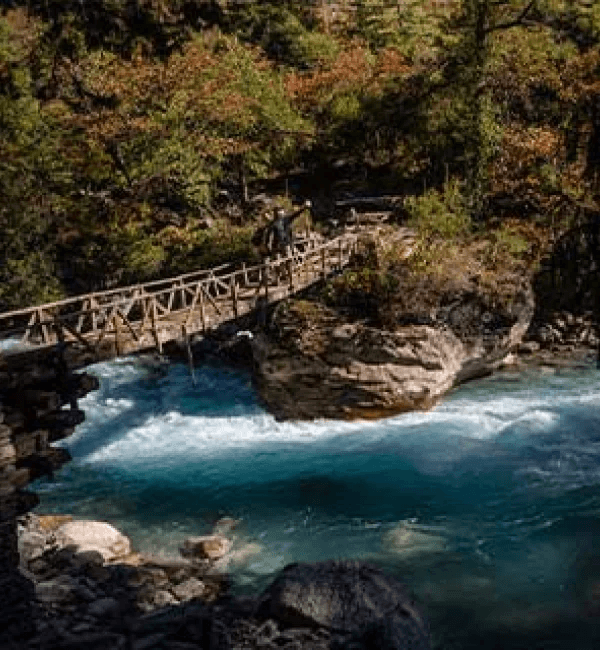
    The trail passes through settlements such as Bagarchhap and Timang, where the surrounding forest occasionally opens to reveal impressive views of Manaslu and the Annapurna ranges. The landscape becomes increasingly alpine as we move farther into the Manang region, and the sound of the Marsyangdi River accompanies much of the journey.

    Upon reaching Chame, the administrative center of Manang District, we check into our lodge and allow the body to recover from the day's walking. The evening is an opportunity to hydrate, organize personal gear, and prepare for the higher elevations ahead.

    • MealsB/L/D
    • AccommodationTeahouse
    • Travel Duration5-6 hours
    • RouteDharapani to Chame
    • TransportationTrekking
    • Elevation1,860m to 2,710m
  • Day 05

    Trek from Chame (2,710m) to Pisang (3,300m)

    Today, the trail continues deeper into the Marsyangdi Valley, gradually leading the expedition toward the high-altitude landscapes of Manang. After breakfast in Chame, we follow the river through beautiful pine and fir forests, crossing streams and passing beneath towering cliffs as the valley begins to open toward the drier terrain ahead.

    The route takes us through Brathang, where the landscape becomes increasingly dramatic, before continuing toward the broad valley surrounding Pisang. Along the way, the views of Pisang Peak and the Annapurna range become more prominent, offering an early glimpse of the formidable Himalayan environment that will surround us throughout the expedition.

    As we approach Pisang, vegetation becomes thinner and the air noticeably cooler, signaling our steady transition toward higher elevations. Upon arrival, we settle into the lodge, replenish our energy, and allow the body to recover. The evening is ideal for hydration, checking personal equipment, and preparing for the important acclimatization stage in Manang.

    • MealsB/L/D
    • AccommodationTeahouse
    • Travel Duration5-6 hours
    • RouteChame to Pisang
    • TransportationTrekking
    • Elevation2,710m to 3,300m
  • Day 06

    Trek from Pisang (3,300m) to Manang (3,540m)

    Today, the expedition moves deeper into the high Himalayan landscape as we trek from Pisang to Manang, one of the most important acclimatization points on the approach to Tilicho Peak. After breakfast, we follow the Marsyangdi Valley toward the upper Manang region, surrounded by increasingly dramatic cliffs, barren slopes, and snow-covered Himalayan peaks.

    The trail offers two route options in this section. When conditions and the team's pace allow, the upper route through Ghyaru and Ngawal provides spectacular mountain views and a more gradual approach to Manang. The landscape becomes noticeably drier and more rugged as we enter the rain-shadow region of the Annapurna range.

    After reaching Manang, we settle into the lodge and begin adapting to the increasing elevation. The evening is kept relaxed, with time to hydrate, organize climbing equipment, and prepare mentally for the acclimatization phase ahead. Every step higher from here is part of the larger strategy for reaching Tilicho Peak's 7,134m summit.

    • MealsB/L/D
    • AccommodationTeahouse
    • Travel Duration5-7 hours
    • RoutePisang to Manang
    • TransportationTrekking
    • Elevation3,300m to 3,540m
  • Day 07

    Acclimatization & Exploration Day in Manang (3,540m)

    Today is an important acclimatization day in Manang, allowing the body to adapt to the higher elevation before we continue toward Tilicho Peak Base Camp. Rather than treating this as a complete rest day, we use the opportunity for a short, controlled hike around the village and nearby hills, following the principle of climbing high and sleeping lower.

    After breakfast, the team may explore the surrounding trails and viewpoints, gaining additional elevation before returning to Manang for the night. The dramatic mountain environment offers views of Annapurna II, Annapurna III, Gangapurna, and surrounding peaks, while the traditional Himalayan settlement provides an opportunity to experience the unique culture and landscape of the Manang Valley.

    The expedition team will also monitor each climber's response to altitude, hydration, appetite, sleep, and overall condition. This is an important point in the expedition to identify any early signs of altitude-related difficulty and make adjustments before moving higher.

    The remainder of the day is reserved for recovery, equipment organization, and preparation for the journey toward Khangsar and Tilicho Peak. A well-used acclimatization day here can make a significant difference during the much more demanding stages ahead.

    • MealsB/L/D
    • AccommodationTeahouse
    • RouteManang to Manang
    • Transportationacclimatization hike and exploration
    • Elevation3,540m to 3,540m
  • Day 08

    Trek from Manang (3,540m) to Khangsar (3,760m)

    Today, we leave the main Manang Valley and turn toward the remote trail leading to Tilicho Peak. After breakfast, the route follows the Marsyangdi Valley for a short distance before branching toward Khangsar, gradually leaving behind the busier trekking route and entering a quieter, more rugged mountain environment.

    The trail passes through dry alpine landscapes shaped by the rain-shadow of the Annapurna range, with barren hillsides, juniper vegetation, and dramatic mountain walls surrounding the valley. As we approach Khangsar, the character of the journey begins to change—the villages become smaller, the terrain more remote, and the focus of the expedition increasingly centered on the high mountains ahead.

    Khangsar is an important staging point before continuing toward Tilicho Lake and the expedition's Base Camp. After reaching the village, we settle into the lodge and take time to hydrate, rest, and organize our equipment. The expedition team will also assess everyone's condition as we prepare to move toward higher and more demanding terrain.

    • MealsB/L/D
    • AccommodationTeahouse
    • Travel Duration 4–5 hours
    • RouteManang to Khangsar
    • TransportationTrekking
    • Elevation3,540m to 3,760m
  • Day 09

    Trek from Khangsar (3,760m) to Tilicho Base Camp (4,140m)

    Today, the expedition leaves Khangsar and moves farther into the remote Tilicho Valley, bringing us closer to the dramatic mountain environment surrounding Tilicho Peak. After breakfast, we follow the rugged trail through barren hillsides and high alpine terrain, with the landscape becoming increasingly stark as vegetation gradually gives way to rock, scree, and glacial surroundings.

    The trail climbs steadily toward Tilicho Base Camp, passing through a landscape dominated by towering Himalayan walls and the distinctive formations of the Tilicho Valley. The changing terrain is a clear reminder that the expedition has now moved beyond the comfortable rhythm of the lower trekking route and into an environment where altitude begins to play a more significant role.

    Upon reaching Tilicho Base Camp, we settle into our accommodation and allow our bodies to adjust to the higher elevation. The expedition team will check everyone's condition, review the upcoming acclimatization plan, and ensure climbing equipment is properly organized before moving higher toward Tilicho Peak.

    The evening is dedicated to rest, hydration, nutrition, and preparation. From this point onward, every gain in elevation becomes increasingly important to the overall summit strategy.

    • MealsB/L/D
    • AccommodationTented Camp
    • Travel Duration5-6 hours
    • RouteKhangsar to Tilicho Base Camp
    • TransportationTrekking
    • Elevation3,760m to 4,140m
  • Day 10

    Acclimatization & Training at Tilicho Base Camp (4,140m)

    Today is a dedicated acclimatization and climbing preparation day at Tilicho Base Camp. After breakfast, the expedition team begins a controlled acclimatization program designed to help the body adapt to the increasing altitude before we move toward the higher mountain camps.

    Rather than remaining inactive throughout the day, climbers take part in a short acclimatization hike around the Base Camp area, gaining some additional elevation before returning to camp. This follows the expedition principle of climbing higher and sleeping lower, giving the body valuable exposure to thinner air without unnecessary fatigue.

    The remainder of the day focuses on technical climbing training and equipment preparation. The team reviews the correct use of crampons, ice axe, harness, ascender, carabiners, climbing ropes, and other essential equipment. Rope-management techniques, movement on snow and ice, fixed-rope procedures, and safe climbing practices are also reviewed according to the route and current mountain conditions.

    The climbing leaders will assess each climber's physical condition, hydration, appetite, sleep, and response to altitude. Any necessary adjustments to the climbing strategy can be made before entering the more demanding sections of the expedition.

    • MealsB/L/D
    • AccommodationTented Camp
    • Route Tilicho Base Camp to Tilicho Base Camp
    • Transportationacclimatization hike & technical climbing training
    • Elevation4,140m to 4,140m
  • Day 11

    Trek from Tilicho Base Camp (4,140m) to Tilicho Peak Base Camp (4,800m)

    Today marks a significant transition from the approach phase into the true Tilicho Peak expedition environment. After breakfast, we leave Tilicho Base Camp and follow the increasingly rugged trail toward the dedicated Tilicho Peak Base Camp, gaining substantial elevation as we move deeper into the alpine zone.

    The route crosses barren slopes, rocky terrain, and increasingly glaciated surroundings, with the massive walls of Tilicho Peak rising above the landscape. As we climb higher, vegetation becomes scarce and the effects of altitude become more noticeable. The pace is deliberately controlled, allowing the team to conserve energy and continue adapting to the thinner air.

    Upon reaching Tilicho Peak Base Camp, we establish ourselves in the expedition camp and begin preparing for the climbing phase. The Sherpa and climbing team will organize equipment, inspect technical gear, review the route, and discuss the upcoming climbing rotations. This is also an important opportunity for the climbers to settle into the high-altitude routine that will define the days ahead.

    The evening is kept calm and focused on hydration, nutrition, recovery, and route preparation. From here onward, the expedition becomes increasingly technical, and every decision is made with the summit and a safe return in mind.

    • MealsB/L/D
    • AccommodationExpedition Camp
    • Travel Duration5-7 hours
    • Route Tilicho Base Camp to Tilicho Peak Base Camp
    • TransportationTrekking
    • Elevation4,140m to 4,800m
  • Day 12

    Acclimatization, Rest & Climbing Training at Tilicho Peak Base Camp (4,800m)

    Today is dedicated to acclimatization, recovery, and technical preparation at Tilicho Peak Base Camp. Having moved above 4,000m, the body needs time to adjust to the thinner air before we begin climbing toward the higher camps. The day is therefore balanced between controlled activity and meaningful rest.

    After breakfast, the team undertakes a short acclimatization hike around Base Camp, gaining some additional elevation before returning to camp. This gentle movement helps maintain circulation and provides another opportunity for the climbing leaders to observe how each member is responding to altitude.

    Later, the expedition team conducts a comprehensive technical climbing session. Climbers review crampon techniques, ice-axe use, harness systems, ascender movement, rope handling, fixed-rope procedures, and safe movement on steep snow and ice. Equipment is also inspected carefully to ensure that every item is ready for the upcoming climbing rotations.

    The rest of the day is reserved for recovery, hydration, nutrition, and route discussions. The climbing leaders review the anticipated conditions and explain the rotation strategy toward High Camp and the summit. With the technical groundwork completed and the body given time to adapt, the team prepares for the more demanding stages ahead.

    • MealsB/L/D
    • AccommodationTented Camp
    • RouteTilicho Peak Base Camp to Tilicho Peak Base Camp
    • Transportationacclimatization hike & technical training
    • Elevation4,800m to 4,800m
  • Day 13

    Climbing Rotation – Tilicho Peak Base Camp (4,800m) to High Camp (5,400m) & Return

    Today marks the beginning of the expedition's high-altitude climbing rotations. After an early breakfast, we leave Tilicho Peak Base Camp and climb toward High Camp, carrying essential personal climbing equipment while the expedition team manages the route and camp logistics.

    The ascent provides valuable exposure to the higher mountain environment. As the terrain becomes steeper and more demanding, climbers practice efficient movement using crampons, ice axe, harness, and fixed-rope systems where required. The pace remains controlled, with regular pauses to monitor breathing, hydration, and overall condition.

    After reaching High Camp at approximately 5,400m, the team spends sufficient time there for acclimatization, route familiarization, and equipment preparation. The climbing leaders assess snow and route conditions and review the strategy for the next rotation before beginning the descent.

    We then return to Tilicho Peak Base Camp for a lower sleeping elevation and recovery. This climb-high-and-sleep-lower strategy gives the body valuable exposure to altitude without keeping the team at the higher camp unnecessarily long.

    The evening is focused on hydration, nutrition, rest, and reviewing the day's performance. Every rotation is designed not only to gain height but to build the confidence, efficiency, and acclimatization required for the eventual summit push.

    • MealsB/L/D
    • AccommodationTented Camp
    • Travel Duration6-8 HOURS
    • RouteTilicho Peak Base Camp to High Camp returning to Base Camp
    • Transportationhigh-altitude climbing rotation
    • Elevation4,800m to 5,400m & 4,800m
  • Day 14

    Rest & Recovery at Tilicho Peak Base Camp (4,800m)

    After yesterday's climbing rotation, today is dedicated to rest, recovery, and acclimatization at Tilicho Peak Base Camp. The purpose is not simply to take a day off, but to allow the body to absorb the altitude exposure gained during the first rotation while conserving energy for the increasingly demanding climbing days ahead.

    The morning begins at a relaxed pace, with time for breakfast, hydration, and recovery. Climbers can take short walks around Base Camp to maintain gentle movement without creating unnecessary fatigue. The expedition team continues to monitor each climber's condition, paying attention to energy levels, hydration, sleep, appetite, and any signs of altitude-related discomfort.

    The climbing leaders also use the day to review the previous rotation and assess current route and weather conditions. Technical equipment is checked, clothing systems are reorganized, and personal climbing gear is prepared for the next rotation. The team discusses the route toward High Camp and the eventual summit strategy, ensuring everyone understands the climbing procedures and safety protocols.

    The remainder of the day is reserved for rest, nutritious meals, and mental preparation. At 4,800m, conserving energy is itself part of the expedition strategy. A strong recovery day today helps build the foundation for the next push higher on Tilicho Peak.

    • MealsB/L/D
    • AccommodationTented Camp
    • RouteTilicho Peak Base Camp to Tilicho Peak Base Camp
    • Transportationrest, recovery & expedition preparation
    • Elevation4,800m to 4,800m
  • Day 15

    Climbing Rotation – Tilicho Peak Base Camp (4,800m) to High Camp (5,400m) & Return

    Today, we undertake the second major acclimatization and climbing rotation toward Tilicho Peak High Camp. With the experience of the first rotation behind us, the team climbs with greater familiarity with the terrain, equipment, and movement techniques required at higher elevations.

    After an early breakfast, we leave Base Camp and ascend steadily toward High Camp at approximately 5,400m. The climbing pace remains deliberate and controlled, allowing the body to adapt while conserving valuable energy. Depending on current route conditions, climbers practice efficient crampon movement, ice-axe techniques, and fixed-rope procedures on steeper sections.

    At High Camp, the team spends time reinforcing familiarity with the route and assessing the mountain's current condition. The climbing leaders inspect the route ahead, review weather information, and evaluate the team's readiness for the summit phase. This rotation is also an opportunity to refine personal equipment systems and climbing techniques before the decisive stage.

    After completing the planned acclimatization objectives, we descend carefully back to Tilicho Peak Base Camp (4,800m). Returning to the lower camp allows the team to recover while retaining the physiological benefits of sleeping at a lower elevation after climbing higher.

    The evening is devoted to a nutritious meal, hydration, recovery, and final discussions about the upcoming summit strategy. With another successful rotation completed, the team moves one step closer to the summit of Tilicho Peak (7,134m).

    • MealsB/LD
    • AccommodationTented Camp
    • Travel Duration6-8 hours
    • RouteTilicho Peak Base Camp to High Camp, returning to Base Camp
    • Transportationhigh-altitude climbing rotation
    • Elevation4,800m to 5,400m & 4,800m
  • Day 16

    Rest & Summit Preparation at Tilicho Peak Base Camp (4,800m)

    Today is a crucial rest and summit preparation day at Tilicho Peak Base Camp. Following two climbing rotations, the team uses this day to recover, consolidate acclimatization, and prepare physically and mentally for the demanding summit phase ahead.

    The morning is kept relaxed, allowing climbers to focus on hydration, nutrition, and recovery. The expedition leaders assess everyone's condition and review the results of the previous climbing rotation. Weather forecasts, route conditions, snow stability, and the team's acclimatization status are carefully considered while determining the timing of the summit push.

    A detailed summit preparation and equipment check follows. Personal climbing systems are inspected, including crampons, ice axe, harness, ascender, carabiners, helmet, headlamp, high-altitude clothing, gloves, and other essential equipment. Each climber organizes their summit pack so that everything required for the ascent is accessible and unnecessary weight is left behind.

    The climbing team also reviews the planned movement from Base Camp toward High Camp and onward to the summit. Fixed-rope procedures, communication signals, pacing, turnaround principles, and emergency protocols are discussed so that every climber understands the strategy before entering the most demanding stage of the expedition.

    The rest of the day is dedicated to conserving energy and building mental focus. There is no unnecessary exertion; the objective is to arrive at the summit push rested, prepared, and ready to make sound decisions in a challenging environment.

    • MealsB/L/D
    • AccommodationExpedition Camp
    • RouteTilicho Peak Base Camp to Tilicho Peak Base Camp
    • Transportationrest, equipment check & summit preparation
    • Elevation4,800m to 4,800m
  • Day 17

    Climbing Period – Tilicho Peak Base Camp (4,800m) – High Camp (5,400m) – Summit (7,134m) – Base Camp (4,800m)

    The decisive phase of the Tilicho Peak (7,134m) Expedition begins today. Over the next five days, the team enters a carefully managed climbing period, allowing flexibility for weather, route conditions, acclimatization, and the physical condition of each climber. The objective is clear: reach the summit of Tilicho Peak and return safely to Base Camp.

    The climbing phase begins with the move from Tilicho Peak Base Camp (4,800m) toward High Camp (5,400m). With summit equipment prepared, climbers ascend steadily across increasingly demanding alpine terrain. The team maintains a controlled pace, conserving energy for the summit push while the climbing Sherpa team manages ropes, route logistics, and camp preparation.

    From High Camp, the summit attempt begins during the early hours when conditions are generally colder and the mountain is often more stable. The climb becomes increasingly demanding as altitude rises, with steep snow and ice, exposed terrain, and fixed-rope sections requiring precise movement. Climbers use crampons, ice axe, harness, ascender, and other technical equipment while following the guidance of the expedition leaders.

    The final ascent toward 7,134m is a test of endurance, concentration, and determination. At this altitude, every movement is deliberate and energy must be carefully managed. If weather and route conditions remain favorable, the team continues toward the summit, where the vast Himalayan panorama provides a powerful reward for the effort invested throughout the expedition.

    After reaching the summit, the priority immediately shifts to safe descent. The team begins descending from the summit toward High Camp and continues downward according to conditions and the planned schedule. Once back at Base Camp, climbers can finally recover after the most demanding stage of the expedition.

    These five days remain intentionally flexible. The mountain determines the exact timing of the summit attempt, and an additional day may be used when necessary to respond to unfavorable weather, difficult route conditions, or individual acclimatization needs. For Peak 15 Adventure, a successful summit is measured not only by standing at 7,134m, but by bringing every climber safely back to Base Camp.

    • MealsB/L/D
    • AccommodationHigh Camp and Expedition Camp
    • RouteTilicho Peak Base Camp to Tilicho Peak Summit & return to Base Camp
    • Transportationhigh-altitude mountaineering, fixed-rope climbing & expedition support
    • Elevation4,800m to 7,134m & 4,800m
  • Day 22

    Reserve / Contingency Day for Summit Attempt (4,800m+)

    Today is reserved as a contingency day for the Tilicho Peak (7,134m) summit attempt. In high-altitude mountaineering, flexibility is essential, as strong winds, snowfall, poor visibility, unstable snow conditions, or an unfavorable summit weather window can make it unsafe to climb according to the original schedule.

    If the summit was successfully completed during the planned climbing period, this day becomes a valuable recovery and reserve day at Base Camp. If the summit attempt was delayed, the expedition team may use today's weather window and mountain conditions to make another summit push.

    The climbing leaders will carefully evaluate the team's physical condition, acclimatization, route safety, and latest weather information before deciding whether to proceed. No summit attempt is made simply to follow the calendar; the mountain's conditions and the safety of the team remain the priority.

    For climbers still awaiting their summit opportunity, the day may involve an early departure toward High Camp followed by the summit attempt when conditions permit. Once the summit objective is achieved, the team begins the descent according to the established climbing plan.

    Whether used for a final summit opportunity or recovery, this reserve day provides the expedition with the flexibility required for responsible 7,000m mountaineering.

    • MealsB/L/D
    • AccommodationExpedition Camp/High Camp
    • RouteTilicho Peak Base Camp/ High Camp to Summit otherwise Base Camp
    • Transportationcontingency climbing, summit attempt or recovery
    • Elevation4,800m/ 5,400m to 7,134m /4,800m
  • Day 23

    Clean Up Tilicho Peak Base Camp (4,800m) & Prepare for Descent

    Following the demanding summit phase, Day 19 is dedicated to cleaning and closing the Tilicho Peak Base Camp and preparing the expedition team for the descent. Once the climbing period is complete, the team will systematically dismantle tents, organize climbing equipment, pack personal belongings, and ensure that all expedition materials are accounted for. The camp area will be carefully cleaned so that no unnecessary waste or equipment is left behind in this fragile high-altitude environment.

    The expedition leader and climbing team will also review the descent plan, weather conditions, trail situation, and logistics for the journey back toward Khangsar and the lower Manang Valley. After days spent at extreme altitude, the focus shifts from climbing performance to safe recovery and controlled descent. Climbers will have time to hydrate, eat well, rest, and prepare their packs for the trek ahead.

    Descending from 4,800m marks an important change in the expedition rhythm. With the summit objective completed, the team can gradually leave the demanding alpine environment behind while continuing to maintain disciplined movement and awareness. The day provides a practical transition between the high-altitude climbing phase and the return journey.

    • MealsB/L/D
    • AccommodationTented Camp
    • Route Tilicho Peak Base Camp to Tilicho Peak Base Camp
    • TransportationBase Camp cleanup, equipment packing & descent preparation
    • Elevation4,800m to 4,800m
  • Day 24

    Trek from Tilicho Peak Base Camp (4,800m) to Khangsar (3,760m)

    After completing the Tilicho Peak climbing phase and closing the high-altitude Base Camp, the expedition begins its descent toward the lower Manang Valley. The trail leads away from the rugged alpine environment of Tilicho Peak, gradually losing elevation as the landscape becomes more varied and the air noticeably thicker.

    The descent follows rocky and barren mountain terrain toward the Tilicho Valley, with impressive views of surrounding Himalayan slopes and glacial landscapes along the way. As the team moves lower, the physical strain of extreme altitude begins to ease, allowing climbers to recover gradually after the summit effort.

    Arriving in Khangsar (3,760m) provides a welcome transition back into a more established mountain settlement. The evening is dedicated to rest, hydration, nourishing meals, and reflecting on the expedition before continuing toward Manang.

    • MealsB/L/D
    • AccommodationTeahouse
    • Travel Duration5-6 hours
    • RouteTilicho Peak Base Camp to Khangsar
    • TransportationTrekking
    • Elevation4,800m to 3,760m
  • Day 25

    Trek from Khangsar (3,760m) to Manang (3,540m)

    After descending from the high-altitude environment of Tilicho Peak, today’s trek continues from Khangsar toward Manang (3,540m). The trail gradually follows the familiar landscapes of the Manang Valley, passing through dry alpine terrain, rocky slopes, and scattered mountain settlements as the expedition moves back toward the main Annapurna trekking corridor.

    With the major climbing objective now behind you, the pace remains comfortable and controlled. The lower elevation allows the body to recover from the physical demands of the summit phase, while the surrounding Himalayan scenery provides a fitting backdrop to the return journey. Along the way, there are opportunities to appreciate the dramatic mountain walls and changing vegetation of the valley.

    Upon reaching Manang, the team can settle into a lodge, enjoy a nourishing meal, hydrate, and rest. The evening provides valuable recovery time before continuing the descent toward Dharapani.

    • MealsB/L/D
    • AccommodationTeahouse
    • Travel Duration4-5 hours
    • RouteKhangsar to Manang
    • TransportationTrekking
    • Elevation3,760m to 3,540m
  • Day 26

    Trek from Manang (3,540m) to Dharapani (1,860m)

    Today marks a substantial descent from the high Manang Valley toward Dharapani (1,860m). Leaving Manang behind, the trail follows the Marsyangdi River through a changing Himalayan landscape, gradually transitioning from the dry, rugged terrain of the upper valley into greener forests and more temperate surroundings.

    The route passes through traditional mountain settlements and familiar sections of the Annapurna trekking corridor. As the elevation decreases, vegetation becomes increasingly abundant, offering a noticeable contrast to the barren landscapes encountered around Tilicho Peak. The long descent also gives the body an opportunity to recover further from the demands of the expedition.

    Upon reaching Dharapani, the team settles into the lodge for a well-earned rest. With the high-altitude phase now firmly behind, the evening is a chance to enjoy a nourishing meal, rehydrate, and prepare for the road journey toward Kathmandu.

    • MealsB/L/D
    • AccommodationTeahouse
    • Travel Duration7–8 hours
    • RouteManang to Dharapani
    • TransportationTrekking
    • Elevation3,540m to 1,860m
  • Day 27

    Drive from Dharapani (1,860m) to Besisahar (760m)

    With the trekking portion of the Tilicho Peak expedition complete, today begins the return journey by road. After breakfast, the team leaves Dharapani (1,860m) and follows the winding mountain road toward Besisahar (760m). The route descends steadily through the Marsyangdi Valley, passing lush hillsides, traditional villages, terraced farmland, and river landscapes.

    As the elevation drops, the environment changes noticeably from the alpine terrain of Manang to greener and warmer surroundings. The drive offers a relaxed opportunity to reflect on the expedition while enjoying the final views of the mountain valleys that shaped the journey.

    Upon arrival in Besisahar, the team checks into the lodge and has time to rest, refresh, and enjoy a nourishing meal. The lower elevation provides a comfortable recovery environment before the final drive back to Kathmandu.

    • MealsB/L/D
    • AccommodationTeahouse
    • Travel Duration4-6 hours
    • RouteDharapani to Besisahar
    • TransportationPrivate Vehicle
    • Elevation1,860m to 760m
  • Day 28

    Drive from Besisahar (760m) to Kathmandu (1,400m)

    After breakfast, the expedition team leaves Besisahar (760m) and begins the final overland journey back to Kathmandu. The drive follows the winding roads through the hills and river valleys of central Nepal, gradually leaving the quieter mountain environment behind as the landscape becomes more settled and urban.

    Along the route, the scenery changes from terraced hillsides and rural settlements to larger towns and bustling roadside communities. After the demanding days of trekking and high-altitude climbing, the journey provides a more relaxed opportunity to reflect on the Tilicho Peak expedition and the experiences shared along the way.

    Upon reaching Kathmandu (1,400m), the team transfers to the hotel and has time to rest, refresh, and enjoy a comfortable evening. The successful return to Kathmandu marks the closing stage of the expedition, with the following day reserved for leisure and personal activities.

    • MealsB/L/D
    • AccommodationHotel
    • Travel Duration6-8 hours
    • RouteBesisahar to Kathmandu
    • TransportationPrivate Vehicle
    • Elevation760m to 1,400m
  • Day 29

    Free Day in Kathmandu (1,400m)

    Today is reserved as a free and flexible day in Kathmandu following the completion of the Tilicho Peak expedition. After the demanding high-altitude climbing, trekking, and long road journeys, this day provides valuable time to rest, recover, and enjoy the vibrant atmosphere of Nepal’s capital.

    You may choose to relax at the hotel, explore Kathmandu’s historic streets and cultural landmarks, visit local markets, purchase souvenirs, or simply enjoy a quiet day at your own pace. It is also an opportunity to organize photographs, reconnect with family and friends, and reflect on the experiences of the expedition.

    Peak 15 Adventure’s team remains available should you need assistance with personal arrangements or any final preparations before departure. In the evening, you can enjoy a relaxed dinner and celebrate the successful completion of your Tilicho Peak journey.

    • AccommodationHotel
    • RouteKathmandu to Kathmandu
    • TransportationFree time and optional personal activities
    • Elevation1,400m to 1,400m
  • Day 30

    Transfer to Tribhuvan International Airport (1,400m) for Final Departure

    Your Tilicho Peak Expedition officially comes to an end today. After breakfast, you will have some final time to organize your luggage and personal belongings before the Peak 15 Adventure team arranges your transfer to Tribhuvan International Airport for your onward journey.

    Depending on your flight schedule, the day may allow a final opportunity to relax at the hotel or enjoy a last glimpse of Kathmandu before departure. The airport transfer is arranged with sufficient time for check-in and international flight procedures, ensuring a smooth and comfortable conclusion to the expedition.

    As you leave Nepal, you carry with you more than memories of a 7,134m summit. The journey through the Manang Valley, the challenges of high-altitude climbing, the changing Himalayan landscapes, and the shared experience of expedition life become part of a lasting Himalayan story.

    • MealsB
    • Travel Duration30-45 min
    • RouteKathmandu to Tribhuvan International Airport, Kathmandu
    • TransportationPrivate Vehicle
    • Elevation1400m to 1400m
Altitude profileMax 7,134 m
1,400 mD11,400 mD21,860 mD32,710 mD43,300 mD53,540 mD63,540 mD73,760 mD84,140 mD94,140 mD104,800 mD114,800 mD125,400 mD134,800 mD145,400 mD154,800 mD167,134 mD177,134 mD224,800 mD233,760 mD243,540 mD251,860 mD26760 mD271,400 mD281,400 mD291,400 mD30

Are you looking to customize the trip itinerary?

If the provided schedule is not suitable for you, we can create a personalized travel arrangement tailored to your preferences and requirements.

Customize Trip

Cost breakdown

What's included
  • Climbing and trekking permits, including Everest summit.

  • Kathmandu hotel and Base Camp tent accommodation.

  • Meals during the trek and Base Camp.

  • Certified guides, sherpas, and support staff.

  • Group climbing gear (ropes, ladders, oxygen, etc.).

  • Domestic flights and airport transfers.

  • Medical support and first aid kits.

  • Glacier training and safety preparation.

  • Emergency communication tools (satellite phones, radios).

What's not included
  • International flights to/from Kathmandu.

  • Personal climbing gear (boots, down suit, oxygen, etc.).

  • Insurance (travel, medical, evacuation).

  • Nepal visa fees.

  • Personal expenses (tips, laundry, drinks).

  • Costs from delays due to weather or itinerary changes.

  • Emergency rescue costs beyond insurance.

  • Meals in Kathmandu not specified in the package.

Upcoming departures

Planning your trip schedule

No fixed group departures right now — run Tilicho Peak (7,134m) Expedition privately with your own group. Pick a preferred start date and we'll confirm availability.

Loading calendar…
Sold out dates

Group-size discounts will be applied in the next step.

Select a start date from the calendar.

All prices per person, twin share. Subject to availability — Tilicho Peak (7,134m) Expedition dates fill quickly in peak season.

Useful information

Standing at 7,134m, Tilicho Peak is not simply an extension of a trekking journey—it is a serious Himalayan expedition where altitude, weather, terrain, and technical climbing ability all become part of the challenge. Before leaving for the mountain, climbers should understand what the expedition demands and prepare themselves physically, technically, and mentally. At Peak 15 Adventure, our pre-trip briefing is designed to ensure that every climber begins the expedition with a clear understanding of the mountain, climbing strategy, equipment, acclimatization, and safety procedures.

The Mountain & Expedition Character

Tilicho Peak rises from the high mountain environment of the Annapurna region, taking climbers from established trekking trails into remote alpine and glacial terrain. The expedition combines a long approach, progressive acclimatization, high-camp living, glacier travel, and sections of technical snow and ice climbing. Conditions can change rapidly at altitude, so flexibility and disciplined decision-making are essential throughout the expedition.

Altitude & Acclimatization

Altitude is one of the most important factors on a 7,000m expedition. As the elevation increases, the amount of available oxygen decreases, placing greater stress on the body. Our itinerary incorporates gradual elevation gain, acclimatization periods, rest, and climbing rotations to help the body adapt progressively.

Climbers should:

  • Maintain a slow, steady, and sustainable pace, particularly above Base Camp.

  • Drink sufficient fluids throughout the day and monitor hydration.

  • Eat regularly, even when appetite decreases at altitude.

  • Prioritize quality sleep and recovery whenever conditions allow.

  • Report symptoms such as persistent headache, dizziness, unusual fatigue, nausea, breathing difficulty, or loss of coordination to the expedition leader immediately.

  • Never hide symptoms in an attempt to continue toward the summit.

Acclimatization is not a competition. A strong expedition team knows when to climb higher, when to rest, and when to descend.

Physical Preparation

Tilicho Peak requires excellent cardiovascular endurance, muscular strength, stamina, and the ability to function efficiently during long days at altitude. Preparation should begin well before arrival in Nepal.

Training should include:

  • Long-distance hiking with elevation gain.

  • Uphill and downhill conditioning.

  • Cardiovascular training such as running, cycling, or stair climbing.

  • Strength training for the legs, core, shoulders, and back.

  • Regular training while carrying a progressively heavier backpack.

  • Practice with mountaineering equipment before the expedition.

The goal is not simply to become stronger, but to develop the endurance required to make controlled decisions when the body is tired and the environment is demanding.

Technical Climbing Preparation

Previous experience with high-altitude trekking or mountaineering is highly valuable. Climbers should be comfortable using essential equipment such as crampons, an ice axe, harness, ascender, carabiners, climbing ropes, and other personal protective equipment.

Depending on route and conditions, sections of the climb may involve steep snow and ice and fixed-rope movement. Our climbing team provides practical guidance and technical support, but climbers should arrive with an appropriate level of mountaineering competence and be prepared to participate actively in the climbing process.

Expedition Equipment

A suitable equipment system is essential for survival and performance in the high mountains. Personal gear should be selected carefully rather than based only on appearance or weight.

Essential categories include:

  • Mountaineering boots suitable for high altitude.

  • Crampons and compatible footwear.

  • Ice axe and climbing harness.

  • Ascender, carabiners, and climbing slings.

  • Helmet and mountaineering gloves.

  • Down jacket and high-altitude clothing layers.

  • Quality sleeping bag and insulated sleeping system.

  • Headlamp with spare batteries.

  • Sunglasses and high-UV glacier protection.

  • Sunscreen and lip protection.

  • Personal first-aid and medication supplies.

  • Water bottles or hydration system.

  • Duffel bags and a suitable daypack.

All technical equipment should be inspected before departure. The expedition team can assist with equipment checks and identify missing or unsuitable items during the preparation phase.

Weather & Summit Strategy

Weather is one of the decisive elements of a successful Tilicho Peak expedition. High-altitude conditions can change quickly, and strong winds, snowfall, cloud, extreme cold, or poor visibility can affect climbing plans.

For this reason, the summit schedule should remain flexible. Peak 15 Adventure monitors mountain conditions and coordinates the climbing schedule according to weather, route conditions, acclimatization, and the team's overall situation. A planned summit date is never more important than making a safe decision on the mountain.

Nutrition & Hydration

High-altitude climbing consumes significant energy. Climbers should maintain regular meals and make use of easily digestible, high-energy foods throughout the expedition. Carbohydrates, protein, healthy fats, and adequate fluids all contribute to maintaining performance and recovery.

Hydration becomes particularly important as altitude increases. Drink regularly rather than waiting until you feel thirsty, and follow the expedition team's recommendations regarding fluid intake and electrolyte replacement.

Health & Personal Responsibility

Every climber should arrive in Nepal in good physical condition and disclose relevant climbing, medication, or allergy information to the expedition team. Personal responsibility is an important part of expedition safety.

Never continue climbing simply because you do not want to slow the group. Early communication is safer than late intervention. If something feels unusual, inform the guide or expedition leader immediately so the situation can be assessed.

Mental Preparation

The physical challenge is only one part of climbing Tilicho Peak. Long days, cold nights, changing weather, limited comforts, altitude, and uncertainty can test patience as much as physical strength.

Successful expedition behavior means remaining calm when plans change, accepting rest when necessary, supporting fellow climbers, and understanding that the mountain ultimately dictates the timetable. Flexibility is not a weakness in the Himalaya—it is an essential expedition skill.

Expedition Briefing in Kathmandu

Before departure toward the mountain, Peak 15 Adventure conducts a comprehensive briefing covering the itinerary, climbing strategy, equipment, acclimatization schedule, communication procedures, safety protocols, weather considerations, and general expedition logistics. This is also an opportunity to inspect personal climbing equipment and resolve any final preparation concerns.

Respect the Mountain

Tilicho Peak is a high-altitude environment that deserves respect. Climbers are expected to follow the instructions of the expedition leader, respect local communities and mountain culture, minimize environmental impact, and carry responsible expedition practices into every stage of the journey.

Prepare thoroughly. Climb patiently. Listen to the mountain. Tilicho Peak at 7,134m demands commitment, but with disciplined preparation and a carefully managed expedition approach, the journey can become one of the most memorable chapters of a climber's Himalayan experience.

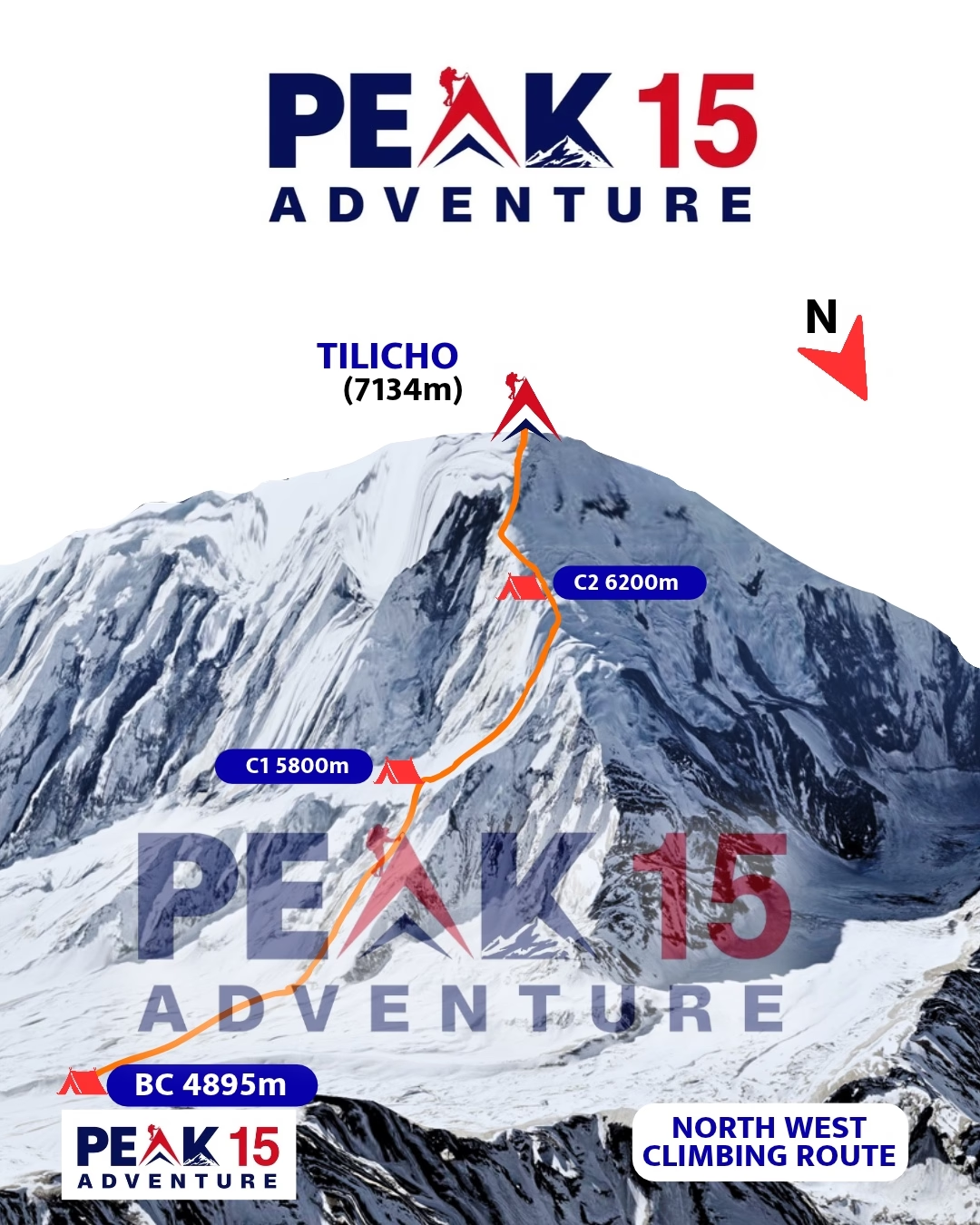
Trip map

Tilicho Peak Expedition route map
Tilicho Peak (7,134m) Expedition
Achieve Your Dream
Mountain Ridge Divider
Peak 15 Expedition 1
Peak 15 Expedition 2
Peak 15 Expedition 3
Peak 15 Expedition 4