Peak15Adventure

Amadablam (6,812m) Expedition

The Ama Dablam Expedition 2027 (6,812m) is one of Nepal’s most iconic and technical Himalayan climbing adventures, located in the Khumbu region near Everest. Known as the “Matterhorn of the Himalayas,” Ama Dablam is famous for its sharp ridges, steep rock and ice faces, exposed climbing sections, and spectacular alpine scenery. The expedition follows the classic Southwest Ridge, requiring technical climbing skills, excellent physical fitness, high-altitude experience, and careful acclimatization. With Peak15 Adventure’s experienced Sherpa climbing team, professional mountain guides, technical training, high-altitude logistics, and expedition support, climbers can prepare for this challenging 6,812m summit. Explore our 6000m mountain expeditions in Nepal and mountaineering expeditions for more Himalayan climbing adventures.

Duration
30 days
Max Altitude
6812 m
Destination
Nepal
Activity
Expedition
Accommodation
Camping
Group Size
1-12
Transport
Private Vehicle & Flight
Meals
B-L-D
Season
Oct - Nov & April- May
Difficulty
Advanced

Why travellers love it

  • Summit Ama Dablam (6,812m) : Climb one of Nepal's most famous and difficult Himalayan peaks, Ama Dablam (6,812 m).

  • Technical Alpine Climbing: Discover glacier travel, exposed rock, steep ice, mixed terrain, fixed ropes, and rappelling.

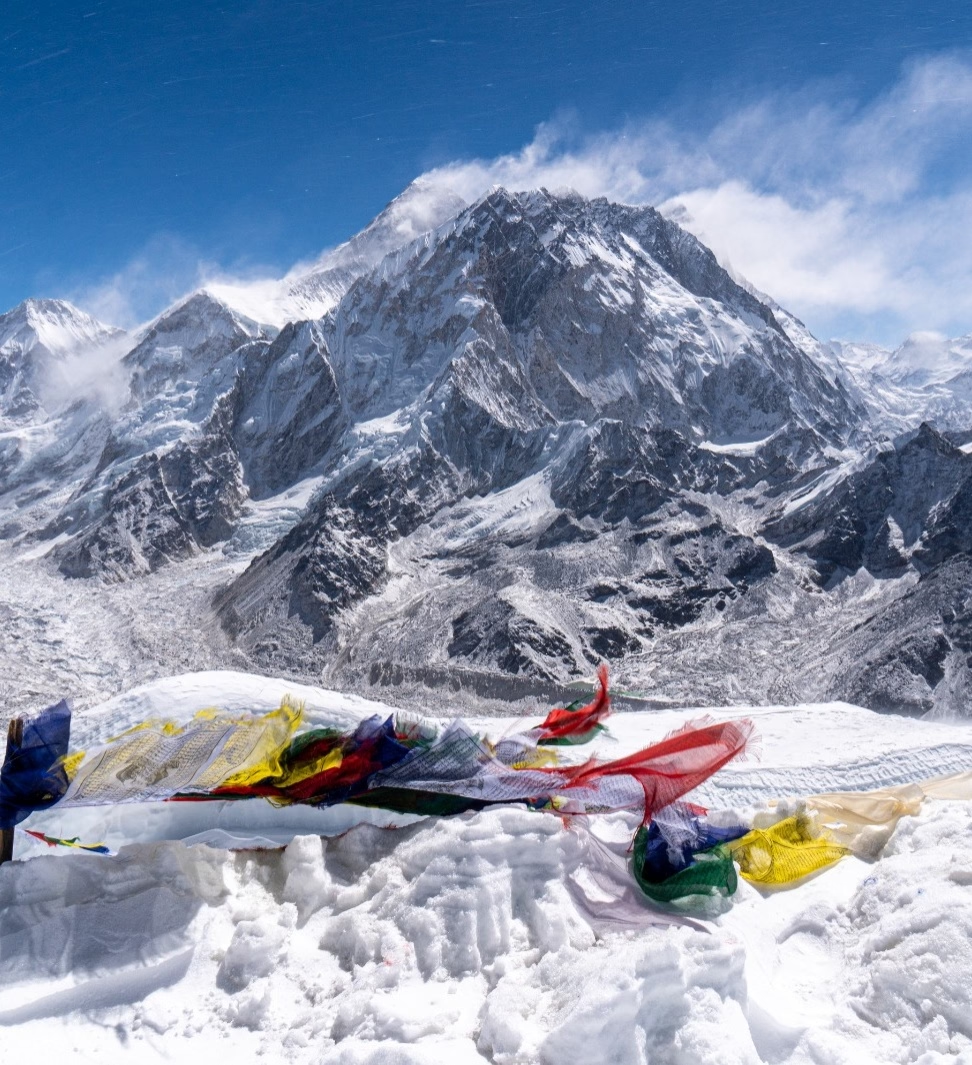
  • Magnificent Khumbu Scenery: Take in vistas of the Himalayan giants, including Everest, Lhotse, Nuptse, Makalu, and Baruntse.

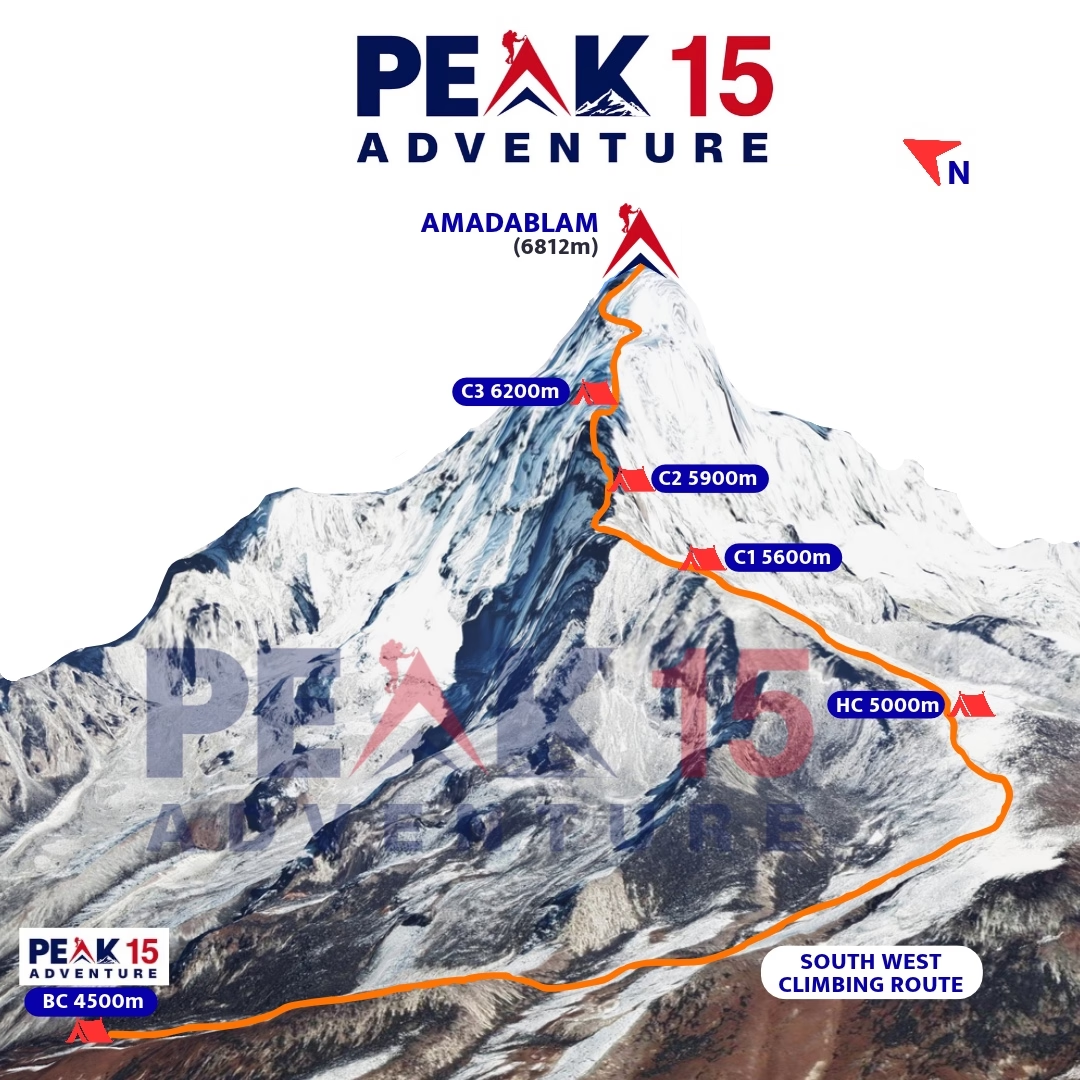
  • Classic Southwest Ridge Route: Climb via Camps I, II, and III on Ama Dablam's well-known route to reach the summit.

  • Sherpa-Led High-Altitude Support: Take advantage of knowledgeable climbing Sherpas, load carrying, route planning, and high-altitude logistics.

  • Everest Region Trek : Trek the Everest Region, passing through Sagarmatha National Park, monasteries, suspension bridges, and fabled Sherpa settlements.

  • Ama Dablam Base Camp: Spend time in the striking base camp beneath the characteristic hanging glacier of the mountain.

  • Progressive Acclimatization: To safely adjust to altitude, use phased rotations between base camp and higher camps.

  • Remote Himalayan adventure: Experience a strenuous journey that combines endurance, technical proficiency, teamwork, and wilderness exploration on a remote Himalayan adventure.

  • Personal Accomplishment: Attain a prominent Himalayan peak that requires prior high-altitude and technical climbing expertise.

Trip overview

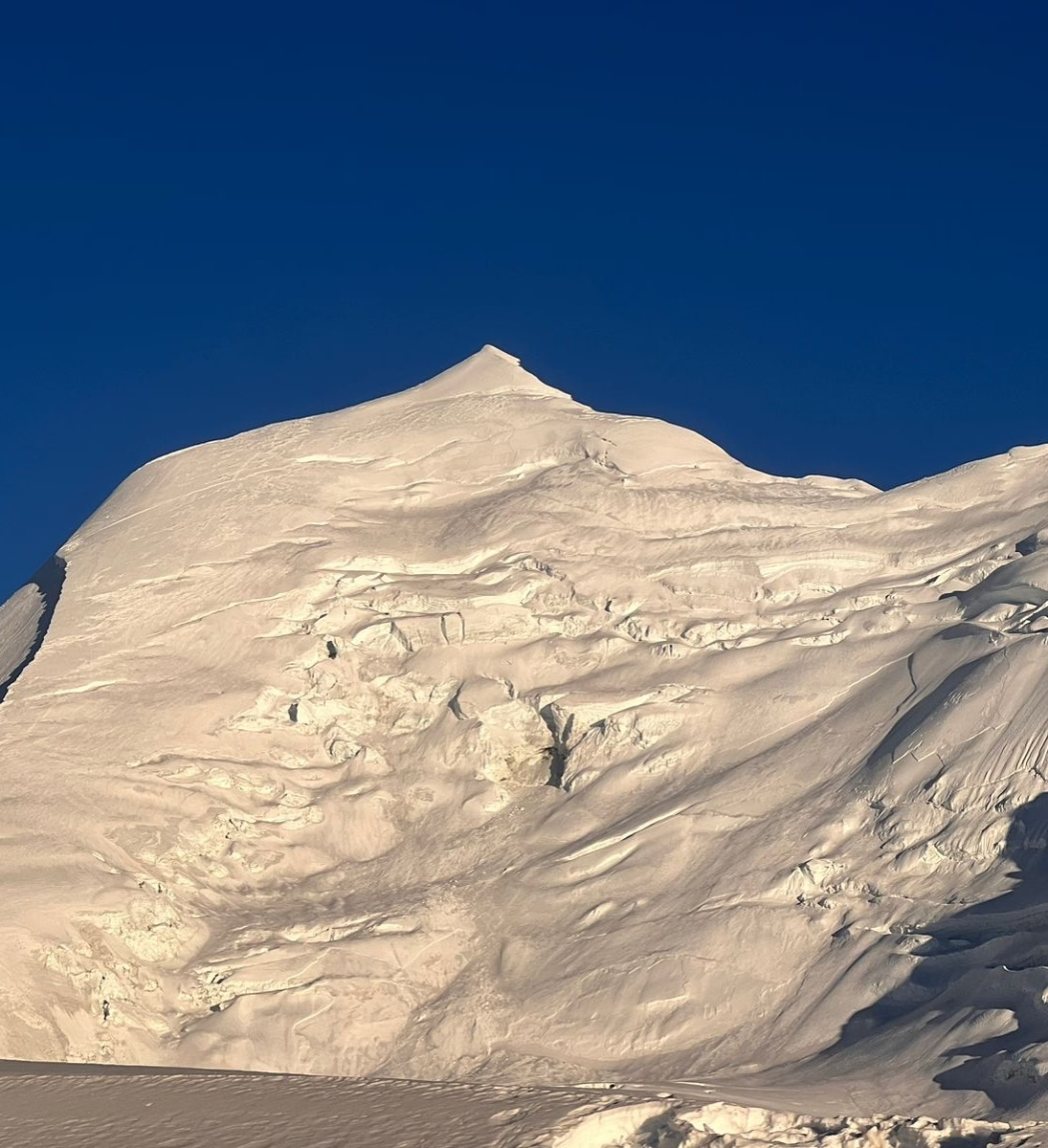
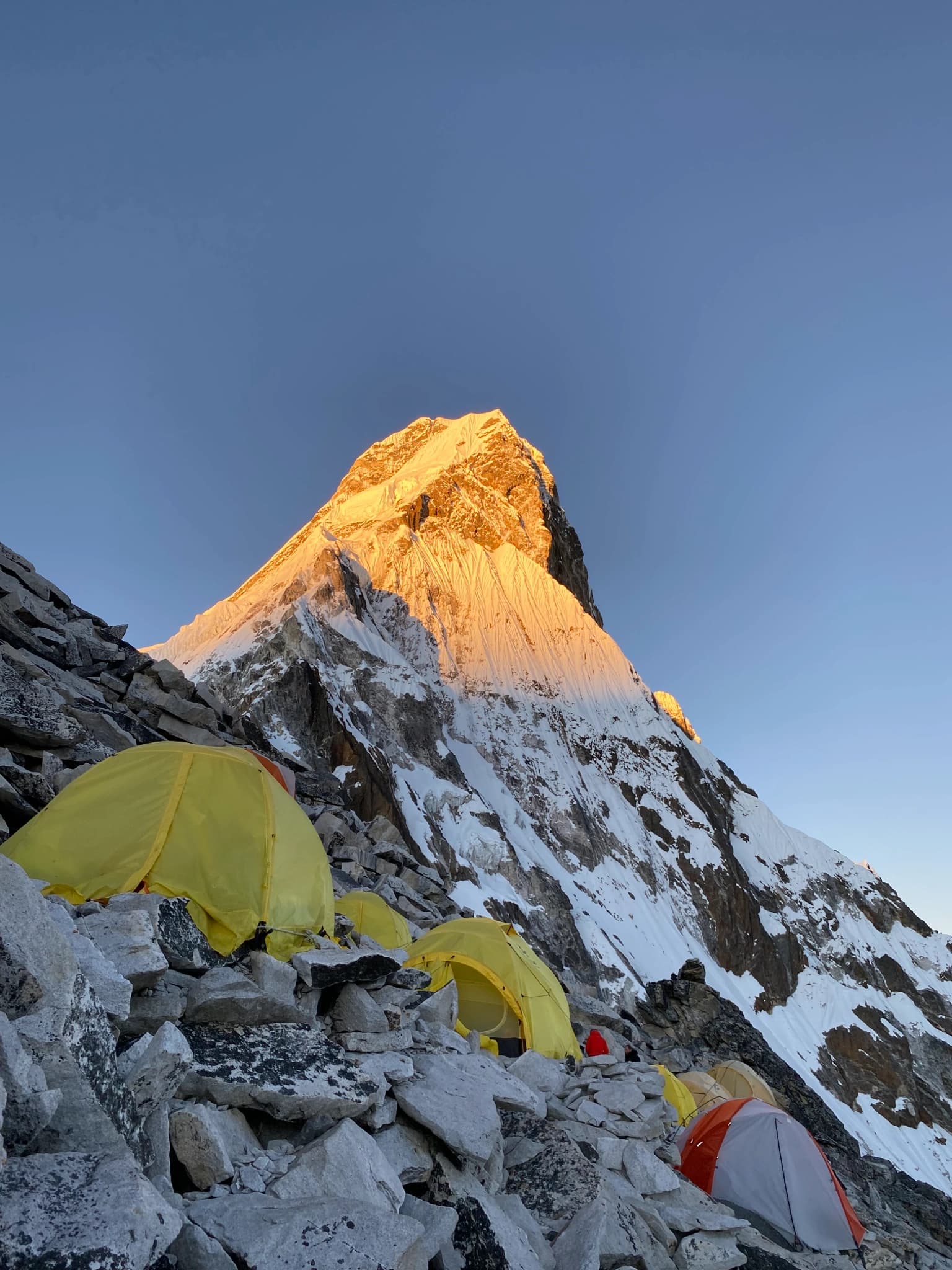
The Ama Dablam Expedition 2027 is a challenging Himalayan mountaineering journey to one of the most recognizable peaks in Nepal. Standing at 6,812 meters, Ama Dablam rises above the Khumbu Valley and is admired for its dramatic ridges, steep rock faces, hanging glacier, and distinctive pyramid-shaped summit. Often called the “Matterhorn of the Himalayas,” it attracts climbers seeking a technical alpine challenge beyond ordinary trekking and introductory peak climbing.

The expedition begins in Kathmandu with preparation, equipment checks, permit arrangements, and a briefing before flying to Lukla. From Lukla, the team follows the classic Everest-region trekking route through Phakding, Namche Bazaar, Tengboche, Dibuche, and Pangboche. This approach provides gradual altitude gain, cultural experiences in traditional Sherpa villages, and spectacular views of Everest, Lhotse, Nuptse, Thamserku, and Ama Dablam. The journey continues to Ama Dablam Base Camp, where climbers prepare for the technical ascent.

The climbing route follows the famous Southwest Ridge, one of the mountain's classic routes. From Base Camp, climbers progress through higher camps, including Camp I, Camp II, and Camp III, depending on route conditions and the expedition plan. The climb involves steep snow and ice, exposed rock sections, narrow ridges, glacier travel, fixed ropes, and technical passages that demand confidence and efficient movement. Base Camp training and acclimatization rotations help climbers improve their technical skills and prepare for the higher mountain.

With Peak15 Adventure, the expedition is supported by experienced climbing Sherpas, mountain guides, route planning, climbing equipment support, camp logistics, communication, weather monitoring, and high-altitude assistance. Our team focuses on preparation, acclimatization, safe climbing practices, and professional expedition management throughout the journey. Learn more about our team and Himalayan experience on our About Us page.

The summit of Ama Dablam rewards climbers with spectacular views across the Khumbu Himalaya, including Everest, Lhotse, Makalu, Cho Oyu, and surrounding peaks. The expedition is ideal for experienced mountaineers looking for a technical 6,000m Himalayan climbing experience in Nepal and a demanding preparation objective before attempting higher mountains.

Itinerary

  • Day 01

    Arrive in Kathmandu (1,400m) - Expedition Welcome & Hotel Transfer

    Your Ama Dablam Expedition begins in Kathmandu, Nepal’s vibrant Himalayan gateway, at an elevation of approximately 1,400m. Upon arrival at Tribhuvan International Airport, a representative from Peak 15 Adventure will welcome you and assist with your transfer to the hotel. After checking in, take time to rest and recover from your international journey while getting your first feel for the energy of Nepal’s capital.

    The day is intentionally kept relaxed, allowing you to adjust to the local environment and prepare mentally for the expedition ahead. Depending on your arrival time, you may have an opportunity to explore the surrounding streets of Kathmandu or simply rest at the hotel. The expedition team will also ensure that you are informed about the upcoming schedule, preparations and essential arrangements for the days ahead.

    • MealsD
    • AccommodationHotel
    • Travel Duration30-45 min
    • RouteTribhuvan International Airport to Kathmandu
    • TransportationPrivate Vehicle
    • Elevation1400m
  • Day 02

    Gear Checkup, Official Formalities & final gear shopping day (1400m)

    Today is dedicated to making sure nothing is left to chance before heading into the Khumbu. After breakfast, the Peak 15 Adventure expedition team will conduct a detailed gear inspection, checking your personal clothing, technical climbing equipment and essential high-altitude gear to ensure you are properly prepared for the demands of Ama Dablam. Any missing, unsuitable or replaceable equipment can be purchased or arranged in Kathmandu, where a wide range of mountaineering equipment is available.

    The day also covers the necessary official expedition formalities, documentation and briefing. Your expedition leader will discuss the climbing schedule, route strategy, safety procedures, acclimatization plan and the responsibilities of each team member. This is also an opportunity to clarify any final questions before leaving the comfort of Kathmandu behind. Once the paperwork and equipment are finalized, the remainder of the day is yours to rest, organize your expedition bags and mentally prepare for the journey toward Ama Dablam Base Camp.

    • MealsB/L/D
    • AccommodationHotel
    • Travel DurationFull day
    • RouteKathmandu to Kathmandu
    • TransportationPrivate Vehicle
    • Elevation1400m to 1400m
  • Day 03

    Fly from Kathmandu to Lukla (2,860m) & Trek to Phakding (2,610-2,800m)

    The expedition leaves Kathmandu behind today with an exhilarating mountain flight to Lukla, the gateway to the Khumbu and the starting point of the approach toward Ama Dablam. The short flight offers spectacular views of Nepal’s rolling hills and Himalayan landscapes before landing at Tenzing-Hillary Airport in Lukla, situated at around 2,860m.

    After meeting the expedition crew and making final preparations, the trek begins toward Phakding. The trail initially descends through pine and rhododendron-covered landscapes before following the Dudh Koshi River through small Sherpa settlements, mani walls and prayer flags. With approximately 3-4 hours of trekking, this relatively gentle opening walk provides a valuable transition from the city environment to the Himalayan trail while allowing your body to begin adapting to the increased elevation.

    Upon reaching Phakding, settle into the lodge, enjoy a nourishing mountain meal and rest for the journey ahead. Tomorrow, the trail will climb more decisively toward Namche Bazaar, taking you deeper into the heart of the Khumbu.

    • MealsB/L/D
    • AccommodationTeahouse
    • Travel Duration(30-40) min & (3-4) hours
    • RouteKathmandu to Phakding
    • TransportationFlight and Trekking
    • Elevation1400m to (2,610–2,800m)
  • Day 04

    Trek from Phakding to Namche Bazaar (3,440m) - Entering the Heart of the Khumbu

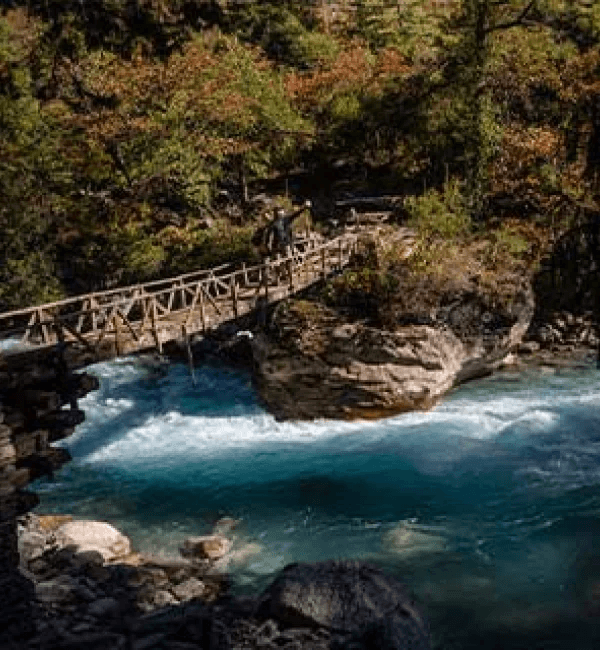
    After breakfast, the trail continues northward from Phakding toward Namche Bazaar, following the rushing waters of the Dudh Koshi River through pine and rhododendron forests. The route passes through traditional Sherpa settlements and crosses several suspension bridges decorated with prayer flags, gradually drawing you deeper into the legendary Khumbu landscape.

    At Monjo, the trail enters Sagarmatha National Park, where permits are checked before continuing toward Jorsalle. Beyond Jorsalle, the landscape becomes more dramatic as the trail crosses the famous high suspension bridge at the confluence of the Dudh Koshi and Bhote Koshi rivers. From here, the route climbs steadily and more steeply through the forest toward Namche. On a clear day, you may catch your first distant glimpses of Everest, Thamserku, Kusum Kanguru and Kongde Ri-a powerful reminder that you are now entering the realm of high Himalayan mountaineering.

    After approximately 5-7 hours of trekking, you arrive at Namche Bazaar (3,440m), the vibrant Sherpa trading center and an important acclimatization stop for expeditions heading deeper into the Khumbu. Take the evening to rest, hydrate and recover, as the following day will be dedicated to acclimatization before continuing toward higher elevations.

    • MealsB/L/D
    • AccommodationTeahouse
    • Travel Duration5-7 hours
    • RoutePhakding to Namche Bazaar
    • TransportationTrekking
    • Elevation(2,610–2,800m) to 3,440m
  • Day 05

    Acclimatization & Rest Day at Namche Bazaar (3,440m) – Everest View Hike & Himalayan Panorama

    Today is dedicated to acclimatization, recovery, and preparation for the higher stages of the Ama Dablam Expedition. Rather than remaining completely inactive, the day follows the proven “climb high, sleep low” approach.

    After breakfast, take a gentle acclimatization hike toward Syangboche and the Everest View Hotel (3,880m). The gradual climb provides valuable exposure to higher altitude while offering spectacular views of Mount Everest, Ama Dablam, Lhotse, Nuptse, Thamserku, and Kongde Ri. The hike generally takes around 3-4 hours round trip, depending on pace and stops.

    Return to Namche Bazaar for lunch and spend the afternoon resting, hydrating, and allowing the body to adapt to the thinner air. The team may also use this time to review the upcoming itinerary, check personal equipment, and discuss altitude-awareness and expedition safety.

    For an Ama Dablam expedition, this day is more than a simple rest stop—it is an important physiological pause before moving deeper into the Khumbu and toward higher elevations.

    • MealsB/L/D
    • AccommodationTeahouse
    • Travel DurationFull day
    • RouteNamche Bazaar to Everest View Hotel
    • TransportationAcclimatization Hike & Rest
    • Elevation3,440m to 3,880m
  • Day 06

    Trek from Namche Bazaar (3,440m) to Dibuche (3,760m) – Through Tengboche and Rhododendron Forests

    After breakfast, the expedition continues from Namche Bazaar toward Dibuche, following the classic Everest trail deeper into the Khumbu. The trail initially contours along the mountainside above the Dudh Koshi Valley, with spectacular views of Everest, Lhotse, Nuptse, Thamserku, and Ama Dablam appearing along the route.

    The trail then descends toward Phungi Thenga, where we cross the Dudh Koshi River before beginning a more sustained uphill section through beautiful rhododendron, pine, and juniper forests. The climb leads to Tengboche (around 3,860-3,870m), home to the renowned Tengboche Monastery and one of the most impressive Himalayan viewpoints in the region.

    After a short break and time to appreciate the monastery and surrounding mountain panorama, we descend through the forest toward the peaceful settlement of Dibuche (3,760m). Compared with the busy atmosphere of Namche, Dibuche offers a quieter Himalayan setting and provides a comfortable overnight stop before continuing toward Pangboche and higher elevations. The journey generally takes around 5-6 hours, covering approximately 9-10 km, depending on the exact route and pace.

    For an Ama Dablam expedition, today's gradual elevation gain is another important step in adapting to the increasing altitude while keeping the pace controlled and sustainable.

    • MealsB/L/D
    • AccommodationTeahouse
    • Travel Duration5-6 hours
    • RouteNamche Bazaar to Dibuche
    • TransportationTrekking
    • Elevation3,440m to 3,760m
  • Day 07

    Trek from Dibuche (3,760m) to Pangboche (3,990m) – Into the Shadow of Ama Dablam

    After breakfast, the expedition resumes from the tranquil forests of Dibuche, following the trail deeper into the Imja Valley toward Pangboche, one of the most historic Sherpa settlements in the Khumbu. The route gradually leaves the dense rhododendron and juniper woodland behind as the landscape opens into alpine terrain.

    The trail crosses the Imja Khola and climbs steadily toward Pangboche, with increasingly impressive views of Ama Dablam, Thamserku, Kangtega, Everest, Lhotse, and Nuptse. As Ama Dablam rises more prominently above the valley, the character of the expedition begins to change-the objective is no longer simply a distant Himalayan silhouette but an increasingly dominant presence on the horizon.

    Upon reaching Pangboche (3,990m), settle into the lodge and allow the body to continue adapting to the rising altitude. If time and conditions permit, there is an opportunity to explore the traditional village and visit Pangboche Monastery, adding a meaningful cultural dimension to the expedition.

    Today is a relatively short trekking stage, allowing the team to conserve energy while steadily gaining elevation before moving toward Ama Dablam Base Camp.

    • MealsB/L/D
    • AccommodationTeahouse
    • Travel Duration3-4 hours
    • RouteDibuche to Pangboche
    • TransportationTrekking
    • Elevation3,760m to 3,990m
  • Day 08

    Trek from Pangboche (3,990m) to Ama Dablam Base Camp (4,450m) – Entering the Expedition Zone

    After breakfast, the expedition leaves Pangboche behind and follows a quieter trail toward the foot of Ama Dablam. The route gradually moves away from the main Everest Base Camp trail, crossing the Imja Khola and continuing through open alpine meadows, juniper vegetation and increasingly rugged terrain.

    As the altitude increases, the landscape becomes more exposed and distinctly alpine. Ama Dablam dominates the horizon, while surrounding peaks such as Kangtega, Thamserku and Taboche create an impressive Himalayan panorama. The approach to Base Camp is also the first point where the scale and technical character of the mountain become truly apparent.

    After approximately 3-4 hours of trekking, the team reaches Ama Dablam Base Camp at 4,450m, where the expedition shifts from lodge-based trekking to mountain-camp life. The camp becomes the operational hub for the climbing period, with time allocated to settling into tents, organizing personal and team equipment, reviewing the climbing plan, and preparing for the technical stages ahead. Current Peak 15 Adventure's itinerary also places Base Camp at 4,450m and moves into preparation and climbing activities from the following day.

    The evening is kept relatively relaxed, allowing the team to recover from the approach and adapt to the increased elevation. With the Southwest Ridge rising above Base Camp, the objective that once appeared distant now stands directly ahead.

    • MealsB/L/D
    • AccommodationTented Camp
    • Travel Duration3-4 hours
    • RoutePangboche to Ama Dablam Base Camp
    • TransportationTrekking
    • Elevation3,990m to 4,450m
  • Day 09

    Leisure & Preparation Day at Ama Dablam Base Camp (4,450m) – Acclimatization, Training & Climbing Readiness

    After breakfast, the team spends a valuable leisure and preparation day at Ama Dablam Base Camp, allowing the body to recover while preparing for the technical climbing stages ahead. With the mountain now directly above camp, the focus shifts from trekking to expedition discipline, technical readiness, and mountain safety.

    The day may include a short walk around Base Camp for active acclimatization, followed by rest and hydration. The climbing team will organize and inspect essential equipment such as crampons, ice axe, harness, ascender, carabiners, climbing ropes, helmet, and high-altitude clothing. Any necessary adjustments to personal gear and expedition loads can be completed before climbing rotations begin.

    The expedition team will also review the Southwest Ridge climbing strategy, rope systems, communication procedures, fixed-line techniques, camp rotations, and emergency protocols. Where appropriate, climbers can refresh essential skills such as ascending and descending fixed ropes, traversing, crampon techniques, ice-axe use, and safe movement on steep snow and ice.

    The remainder of the day is reserved for relaxation, nutrition, hydration, and mental preparation. Every detail matters now-the next phase will take the expedition from Base Camp into increasingly technical and exposed terrain.

    • MealsB/L/D
    • AccommodationTented Camp
    • Travel DurationFull day
    • RouteAma Dablam Base Camp to Ama Dablam Base Camp
    • TransportationLeisure, Acclimatization, Equipment Check & Technical Preparation
    • Elevation4,450m to 4,450m
  • Day 21

    Puja Ceremony at Ama Dablam Base Camp (4,450m) & Begin Climbing Period – Blessings Before the Ascent

    The day begins with one of the most meaningful traditions of a Himalayan expedition-the Puja Ceremony, performed at Ama Dablam Base Camp before the climbing phase officially begins. The ceremony seeks blessings for a safe journey, respects the mountain and local Sherpa traditions, and marks the transition from the approach trek to the serious work of climbing.

    Climbers, Sherpa guides, and expedition staff gather around the beautifully prepared Puja altar, where Buddhist prayers, offerings, incense, and ceremonial rituals are performed. Climbing equipment such as ice axes, crampons, ropes, helmets, and other technical gear may be placed near the altar to receive blessings before being taken onto the mountain.

    Following the ceremony, the team enters the climbing period. Depending on weather, route conditions, acclimatization status, and the expedition leader's assessment, climbers begin their planned rotations between Base Camp and the higher camps. Training and route preparation may include fixed-rope techniques, ascending and descending, traversing, crampon movement, ice-axe handling, and safe movement on technical terrain.

    The climbing period is deliberately flexible. Mountain conditions-not the calendar-ultimately determine when and how each rotation is carried out. The expedition team will monitor weather forecasts, snow and ice conditions, climber health, and route safety before every move higher.

    • MealsB/L/D
    • AccommodationTented camp
    • Travel DurationFull day; Puja Ceremony, technical preparation & climbing activities
    • RouteAma Dablam Base Camp to Ama Dablam Base Camp / Climbing Route
    • Elevation4,450m to 4,450m+
  • Day 26

    Summit Push to Ama Dablam Summit (6,812m) – The Ultimate Ascent

    Today marks the defining moment of the Ama Dablam Expedition-the summit push toward the 6,812m summit. The exact timing and climbing sequence will depend on the expedition rotation, weather window, route conditions, and the expedition leader’s assessment. On standard summit rotations, climbers move through the high camps before making the final ascent, with the upper mountain demanding sustained technical climbing on fixed ropes and exposed snow, rock, and ice terrain.

    The summit attempt begins during the pre-dawn hours, when climbers set out with headlamps into the extreme high-altitude environment. Above the upper camps, the route becomes increasingly exposed and technical, requiring precise crampon work, efficient use of ascenders and fixed ropes, careful movement across steep mixed terrain, and strong teamwork. The final section leads toward the summit ridge and the spectacular summit of Ama Dablam at 6,812m.

    Standing on the summit, climbers are rewarded with an extraordinary Himalayan panorama, including Everest, Lhotse, Makalu, Cho Oyu, Nuptse, and the surrounding Khumbu peaks. Time on the summit is kept controlled because altitude, cold, wind, and changing mountain conditions remain serious considerations.

    After celebrating the achievement and capturing the moment, the team begins the careful descent toward the designated lower camp. The descent is every bit as important as the ascent, particularly on exposed technical terrain. Depending on conditions and the team's strength, the overnight location may be Camp II or another lower camp.

    • MealsBreakfast, packed meals & dinner as arranged
    • Accommodation6,812m
    • Travel Duration10-14 hours
    • RouteUpper Camp / Camp III to Ama Dablam Summit
    • Transportationtechnical climbing, fixed ropes & descent on foot
    • Elevation6,300–6,400m to 6,812m
  • Day 27

    Trek from Ama Dablam Base Camp (4,450m) to Namche Bazaar (3,440m) – Descending Through the Khumbu

    With the summit objective behind you, the expedition begins its descent toward Namche Bazaar. After breakfast, the team leaves Ama Dablam Base Camp and retraces the scenic trail through the Imja Valley, passing the familiar landscapes of Pangboche, Dibuche, and Tengboche before continuing toward Namche.

    The long descent provides a welcome change after the demanding days on the mountain. The trail gradually loses altitude, passing through rhododendron and juniper forests, Sherpa villages, suspension bridges, and sections of the Dudh Koshi Valley. Ama Dablam, Thamserku, Kangtega, Everest, and Lhotse remain impressive companions along portions of the route.

    From Tengboche, the trail continues toward Namche Bazaar, with a final series of climbs and descents before reaching the bustling Sherpa town at 3,440m. Similar Ama Dablam expedition itineraries list this Base Camp-to-Namche journey at approximately 7-8 hours, making it a substantial but rewarding post-summit trekking day.

    Once in Namche, settle into the lodge, enjoy a warm meal, and take time to recover. After the intensity of the summit period, the familiar atmosphere of Namche offers the perfect place to relax and reflect on the expedition so far.

    • MealsB/L/D
    • AccommodationTeahouse
    • Travel Duration7-8 hours
    • RouteAma Dablam Base Camp to Namche Bazaar
    • TransportationTrekking
    • Elevation4,450m to 3,440m
  • Day 28

    Trek from Namche Bazaar (3,440m) to Lukla (2,860m) – The Final Trail Through the Khumbu

    After breakfast, the expedition begins its final trekking day in the Khumbu, descending from Namche Bazaar toward Lukla. The trail retraces the familiar route through the Dudh Koshi Valley, passing through Monjo, Phakding, and several traditional Sherpa settlements along the way. The route gradually loses altitude, making the air feel noticeably warmer and easier to breathe after the demanding days on Ama Dablam.

    The trail winds through pine and rhododendron forests, crosses suspension bridges, and follows the river valley toward Lukla, the gateway through which the expedition first entered the Everest region. The journey covers approximately 18-20 km and generally takes around 7-9 hours, making it one of the longer trekking days of the itinerary.

    Reaching Lukla marks the completion of the trekking portion of the expedition. After checking into the lodge, the team can relax, enjoy a well-earned meal, and celebrate the achievements of the journey with the climbing and support crew. The evening also provides an opportunity to prepare for the upcoming flight back to Kathmandu, subject to weather and flight operations.

    • MealsB/L/D
    • AccommodationTeahouse
    • Travel Duration7-9 hours
    • RouteNamche Bazaar to Lukla
    • TransportationTrekking
    • Elevation3,440m to Lukla
  • Day 29

    Fly from Lukla (2,860m) to Kathmandu (1,400m) & Transfer to Hotel – Returning to the City

    After breakfast, the expedition begins its final journey from the mountains with an early-morning flight from Lukla to Kathmandu. The short Himalayan flight takes approximately 30-35 minutes, offering one last aerial perspective of the rugged valleys and Himalayan landscape before landing at Tribhuvan International Airport.

    Upon arrival in Kathmandu, the Peak 15 Adventure team will receive and transfer you to your hotel by private vehicle. The remainder of the day is kept relaxed, giving you time to rest, recover, freshen up, and reflect on the Ama Dablam summit experience.

    Flight schedules from Lukla are highly dependent on mountain weather and operational conditions. During peak trekking seasons, flights may operate between Lukla and Ramechhap/Manthali, followed by a road transfer to Kathmandu, so the exact routing may vary according to flight operations.

    • MealsB/L/D
    • AccommodationHotel
    • Travel Duration30-50 min
    • RouteLukla to Kathmandu
    • TransportationFlight
    • Elevation2,860m to 1400m
  • Day 30

    Rest & Recovery Day in Kathmandu (1,400m) – Recover, Reflect & Recharge

    Following the demanding ascent of Ama Dablam and the journey back from the Khumbu, today is reserved for complete rest and recovery in Kathmandu. With the major climbing objectives behind you, there is no scheduled trekking or climbing activity.

    Enjoy a relaxed morning at the hotel, allowing your body to recover from the physical demands of the expedition. You may spend the day resting, exploring Kathmandu at your own pace, shopping for souvenirs, or simply reflecting on the experience of standing on Ama Dablam (6,812m).

    The day also provides an opportunity to organize personal belongings, check equipment, and prepare for the final departure. In the evening, the team can gather for a farewell meal and celebrate the successful completion of the expedition with the Peak 15 Adventure crew.

    • MealsB/L/D
    • AccommodationHotel
    • Travel DurationFull day
    • RouteKathmandu
    • TransportationRest & leisure, no scheduled transport
    • Elevation1400m
  • Day 31

    International Departure from Kathmandu (1,400m) – Farewell to Nepal

    After breakfast, enjoy your final moments in Kathmandu before preparing for your international departure. Depending on your flight schedule, you may have some free time to relax, organize your luggage, and complete any last-minute arrangements.

    At the scheduled time, the Peak 15 Adventure team will transfer you to Tribhuvan International Airport for your onward flight. As the journey comes to an end, the memories of Ama Dablam-its towering ridges, demanding climbs, and unforgettable summit-travel home with you.

    We bid you farewell with gratitude and hope to welcome you again for another Himalayan adventure.

    • MealsB
    • Travel Duration30-40 min
    • RouteKathmandu to Tribhuvan International Airport / Home Country
    • TransportationPrivate Vehicle
    • Elevation1400m
Altitude profileMax 6,812 m
1,400 mD11,400 mD22,610 mD33,440 mD43,880 mD53,760 mD63,990 mD74,450 mD84,450 mD94,450 mD216,812 mD263,440 mD273,440 mD281,400 mD291,400 mD301,400 mD31

Are you looking to customize the trip itinerary?

If the provided schedule is not suitable for you, we can create a personalized travel arrangement tailored to your preferences and requirements.

Customize Trip

Cost breakdown

What's included
  • Pick up and drop off services for both international & domestic flights as per the itinerary

  • 3 nights 3 star category Hotel in Kathmandu on bed & breakfast plan, 2 nights before and 1 nights after the expedition

  • Welcome dinner at Nepalese fine dine restaurant

  • Early morning drive from Kathmandu to Ramechap by private vehicle with guides

  • Both-ways domestic flight from Ramechaap – Lukla – Ramechhap with guide

  • 01 Trekking guide to the basecamp with necessary porters.

  • All necessary transportation for overall expeditions

  • Mt. Amadablam (6,812m) climbing permit, All necessary Permits, National Park and VDC fees

  • Summit route fixing charge

  • Garbage disposal and management fees

  • 3 Meals a day (BLD) during the trek with attached Bathroom at Phakding, Namche and onwards

  • Freshly cooked meals (Breakfast, Lunch & Dinner): Continental, Nepali, Indian and Chinese with hot drinks, Tea and Coffee

  • Training at Basecamp: Training at basecamp will be conducted by IFMGA. The training like walking on fixed lines, diagonal ascent and descent, traversing, duck walk, classical or flat-footing, handling Oxygen cylinders, using an Ice ax, and Crampons, using walkie talkie and following instructions while climbing will be taught by an expertise.

  • 01 Professional Climbing Sherpa for both mountains with his equipment allowance, daily wages and carrying bonus (01 Member: 01 Climbing Sherpa)

  • Government Liaison officer with his daily wages, equipment, food, insurance and transportation

  • Base Camp Sardar, Cook and Kitchen helpers with their equipment allowance and daily wages

  • 45 kg as a member personal baggage

  • Each Member will be provided with individual Tent, Mattress and Pillow

  • Common Equipment: Dining Tent, Kitchen Tent, Shower Tent, Toilet Tent, Tables and Chairs, Heater etc.

  • High Camp Services for C1-C2: High Tent, Shovel, Rope, EPI Gas, Gas Burner (MSR Rector), High Food like soup items, tea/coffee etc.

  • Walkie-talkie for communicating from Base Camp to Mountain and Mountain to Base Camp

  • Internet access Wi-Fi is available to all climbers on our team at Base Camp (Subject to charge @ $50/gigabyte)

  • Satellite phone is available for emergency use @ $3 per minute

  • Weather forecast during the entire expedition

  • In case of emergencies, sufficient Oxygen and Mask regulator available at our Base camp (chargeable as per use)

  • Helicopter rescue insurance for involved outdoor Nepali staffs only

  • Complementary Peak15 Adventure Duffel Bags and Caps (if required)

  • First Aid medical kit carried by guide and store at basecamp

  • Mt. Amadablam summit certificates from MOCCA after the successful summit of the Peak. (Required summit photos or short videos of summit for proof.)

  • Government Taxes and Company Service Charge

What's not included
  • International flight tickets from/to your country

  • Nepal Entry visa fee that can be obtained at the airport upon arrival

  • An extended stay in the hotel after 4-nights in Kathmandu

  • Your Personal Climbing Equipment Expenses, personal nature expenses such as hard and soft drinks, laundry, postage, telephone, Wi-Fi, etc.

  • Extra cost incurred due to Personal member’s baggage exceeding 45kilograms

  • Costs from delays due to weather or itinerary changes

  • Insurance such as travel, accident, medical, and emergency evacuation by helicopter in case of need during an Expedition

  • Summit Bonus: US$ 800 per Climbing Sherpa and some tips to Basecamp staffs around US$ 250/- for Basecamp team. Tips to trekking guide and porter about US$ 200 in total

  • Any other extra expenses other than those mentioned in the Cost Includes section

Upcoming departures

Planning your trip schedule

No fixed group departures right now — run Amadablam (6,812m) Expedition privately with your own group. Pick a preferred start date and we'll confirm availability.

Loading calendar…
Sold out dates

Group-size discounts will be applied in the next step.

Select a start date from the calendar.

All prices per person, twin share. Subject to availability — Amadablam (6,812m) Expedition dates fill quickly in peak season.

Useful information

Before joining the Ama Dablam Expedition 2027, climbers should understand the mountain’s technical demands, altitude, climbing route, acclimatization requirements, and expedition logistics. Ama Dablam is not an ordinary trekking peak; it requires mountaineering experience, strong technical skills, physical fitness, and the ability to climb safely on exposed rock, snow, and ice.

  • Best Season: Spring (April–May) and Autumn (September–November) are the main climbing seasons, offering suitable climbing windows depending on weather and route conditions.

  • Expedition Duration: The expedition itinerary is approximately 30 days, including Kathmandu preparation, trekking to Base Camp, acclimatization, climbing rotations, summit attempt, descent, and return to Kathmandu.

  • Summit Elevation: Ama Dablam stands at 6,812 meters (22,349 feet) above sea level, making it one of Nepal’s most famous technical 6,000m peaks.

  • Mountain History: Ama Dablam is internationally recognized for its distinctive shape and technical climbing route. The mountain’s name is commonly associated with a mother and her protective pendant, reflecting its unique appearance.

  • Location & Geography: Ama Dablam is located in Nepal’s Khumbu region, within the Everest Himalayan range, overlooking the Imja Valley and surrounded by some of the world’s highest mountains.

  • Climbing Route: The expedition follows the classic Southwest Ridge route from Ama Dablam Base Camp, progressing through Camp I, Camp II, and Camp III before the summit attempt. The route involves steep rock, snow, ice, exposed ridges, fixed ropes, and technical climbing sections.

  • Climbing Experience: Previous high-altitude mountaineering experience is essential. Climbers should have good experience with crampons, ice axes, harnesses, ascenders, descenders, fixed ropes, and technical climbing techniques.

  • Acclimatization: A gradual approach trek through the Khumbu and planned climbing rotations help the body adapt to altitude. Proper rest, hydration, nutrition, and monitoring of altitude symptoms are essential.

  • Difficulty Level: Ama Dablam is an advanced technical mountain. The climb requires strong physical fitness, technical alpine skills, mental resilience, efficient rope work, and the ability to manage exposed terrain and long climbing days.

  • Supplemental Oxygen: Supplemental oxygen is not normally required for the standard Ama Dablam ascent, but emergency oxygen and appropriate equipment may be available at Base Camp depending on expedition arrangements.

  • Insurance: Climbers must have comprehensive travel and mountaineering insurance covering high-altitude climbing up to 6,812m, emergency medical treatment, helicopter evacuation, and rescue operations.

  • Major Risks: Major risks include altitude sickness, falling rocks, avalanches, serac hazards, crevasses, steep ice and rock, fixed-rope climbing, extreme cold, high winds, and rapidly changing Himalayan weather.

  • Climbing Equipment: Essential equipment includes mountaineering boots, crampons, ice axe, climbing harness, helmet, ascenders, descenders, carabiners, ropes, high-altitude clothing, gloves, sleeping equipment, and technical climbing gear.

  • Permits & Logistics: Peak15 Adventure manages the necessary climbing permits, trekking permits, transportation, accommodation, Base Camp facilities, meals, Sherpa support, climbing logistics, communication, and expedition arrangements.

  • Expedition Leadership: Our experienced Sherpa climbing team and professional guides provide climbing support, route guidance, technical training, acclimatization management, camp logistics, weather monitoring, and safety-focused decision-making. Explore our Nepal mountain climbing expeditions to discover more climbing opportunities.

  • Environmental Responsibility: We follow responsible expedition practices, including waste management, proper disposal of climbing rubbish, respecting local culture, and protecting the fragile Himalayan environment.

Trip map

Ama Dablam Expedition 2027 route map from Kathmandu to Lukla, Namche Bazaar, Pangboche, Ama Dablam Base Camp, Camp I, Camp II, Camp III and summit at 6,812m via Southwest Ridge, Nepal.
Amadablam (6,812m) Expedition
Achieve Your Dream
Mountain Ridge Divider
Peak 15 Expedition 1
Peak 15 Expedition 2
Peak 15 Expedition 3
Peak 15 Expedition 4