Step beyond the classic Everest Base Camp experience and into a true high-altitude climbing adventure with Peak 15 Adventure’s Lobuche East (6,119m) & Island Peak (6,189m) Climbing with Everest Base Camp Trek. Designed for ambitious trekkers and aspiring mountaineers, this expedition combines the legendary journey through the Khumbu with the challenge of standing on two separate 6,000-meter Himalayan summits. Rather than treating Everest Base Camp as the final destination, this itinerary uses the trek as the foundation for a much bigger objective: progressively gaining altitude, developing climbing skills, and preparing your body and mind for two demanding summit attempts.
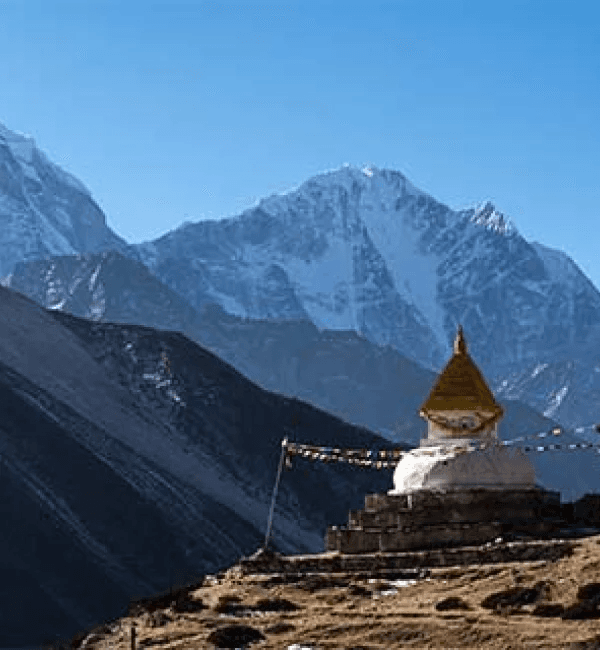
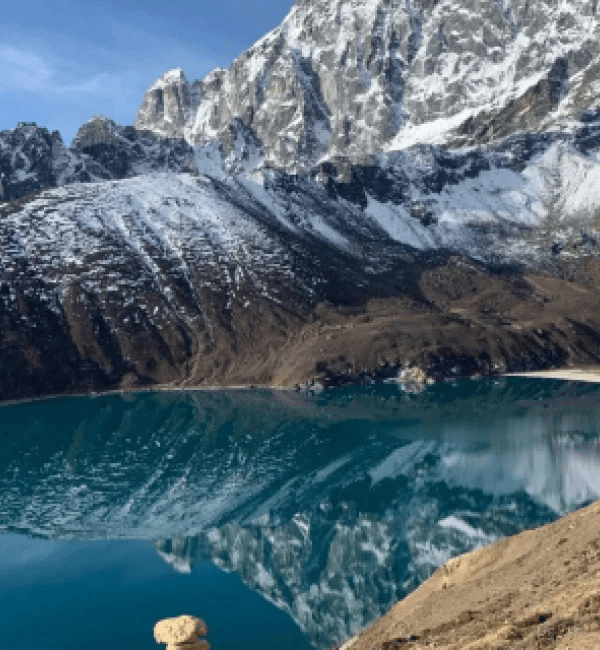
The adventure begins in Kathmandu before heading toward the legendary mountain gateway of Lukla. From here, the trail winds through the heart of the Khumbu, passing Phakding, Namche Bazaar, Tengboche, Pangboche and Dingboche while gradually introducing you to the realities of high-altitude trekking. The journey is as much about acclimatization as it is about scenery. Time spent higher in the mountains allows your body to adapt progressively, while carefully planned acclimatization and rest periods help prepare you for the demanding climbing stages ahead. The route follows the famous Everest Base Camp trail, where spectacular views of Everest, Lhotse, Nuptse, Ama Dablam, Pumori and the surrounding Himalayan giants become increasingly dramatic.
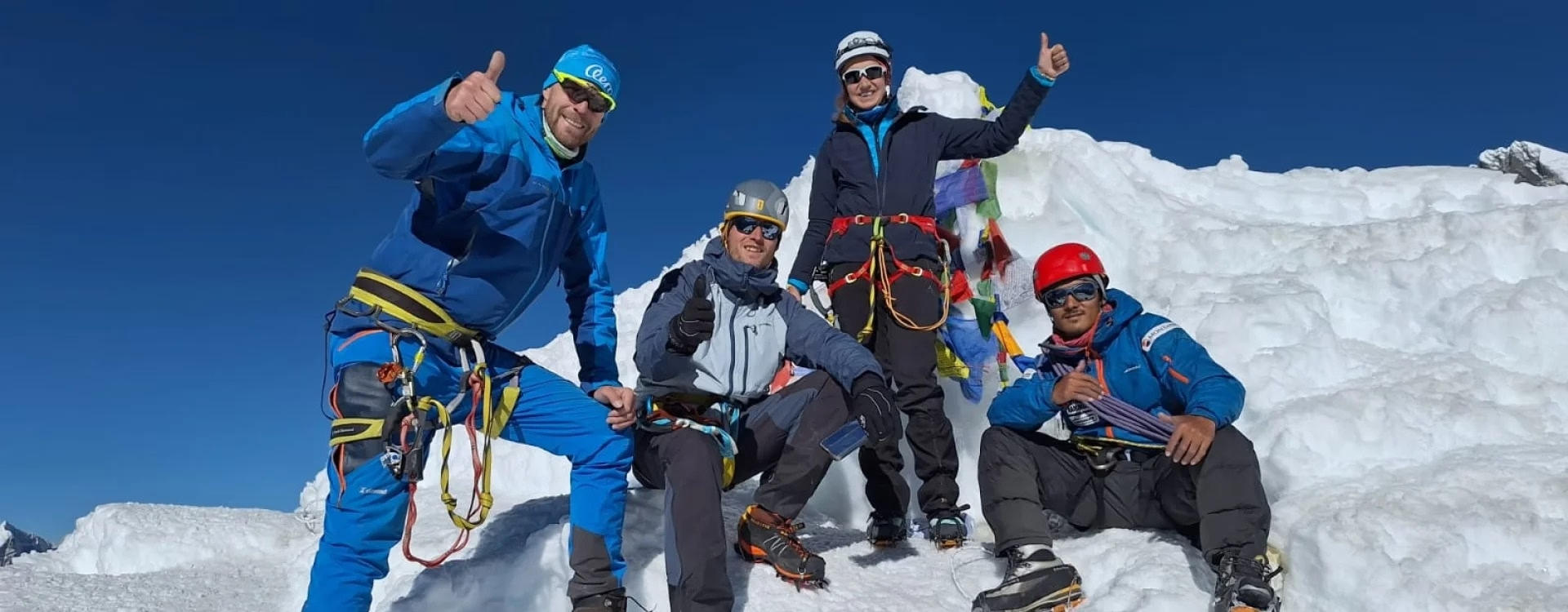
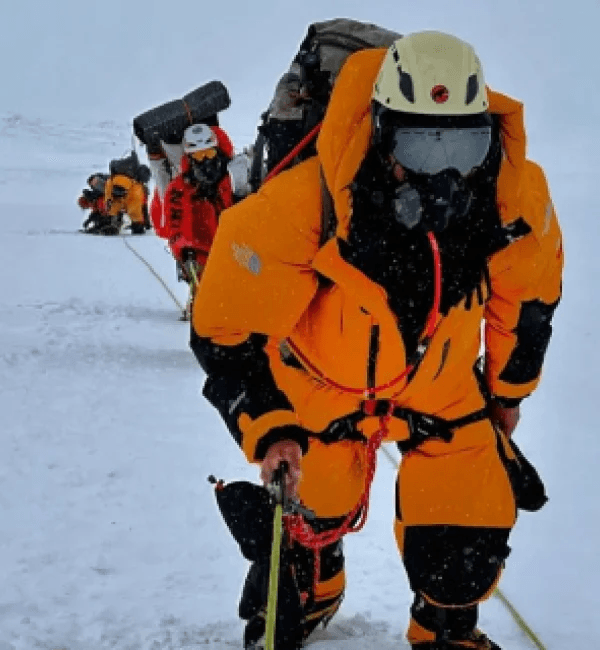
Lobuche East is your first major summit objective. Rising to 6,119 meters, it provides a more technical climbing experience than an ordinary trekking peak should suggest. The route eventually leaves the main trekking trail and moves toward Lobuche Base Camp before ascending to High Camp. From the higher slopes, the character of the journey changes: crampons, ice axe, harness, ropes and climbing techniques become essential as you negotiate steeper snow and ice terrain and the exposed summit ridge. The upper section involves fixed-rope climbing and requires concentration, balance and confident movement at extreme altitude.
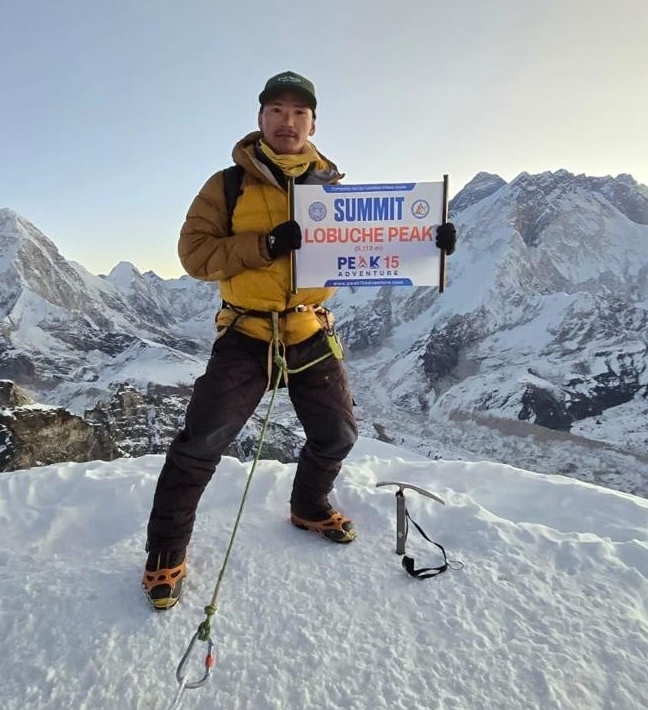
Standing on Lobuche East is not simply about reaching another number on an altitude chart. It is the moment when days of trekking, acclimatization, training and preparation come together. From the summit, the immense Khumbu panorama opens around you, with Everest, Lhotse, Nuptse, Pumori, Ama Dablam and other Himalayan peaks forming an unforgettable backdrop. After the summit attempt, you descend and recover before continuing toward the next objective.
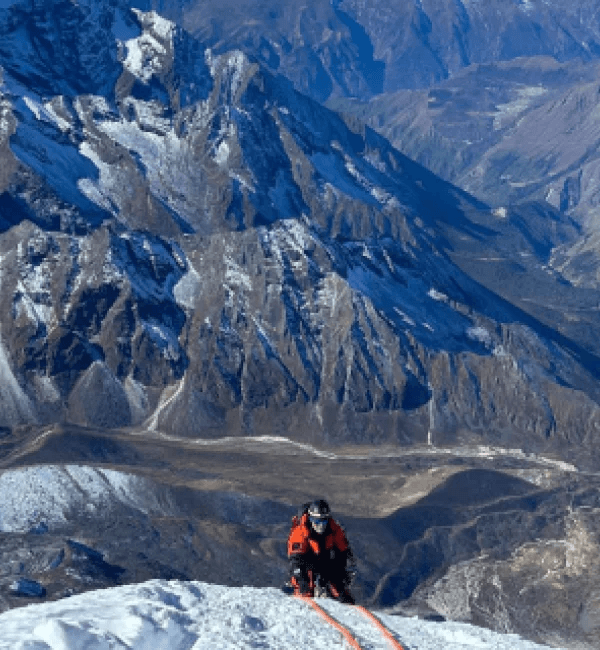
The expedition then turns toward Island Peak (Imja Tse), 6,189m, one of Nepal's most celebrated climbing peaks. From the Dingboche region, the trail leads toward Chhukung and into the dramatic Imja Valley before reaching Island Peak Base Camp. Island Peak offers a distinctly different climbing experience from Lobuche East. The approach gradually gives way to glacier terrain, fixed ropes and steeper climbing sections, culminating in the final ascent toward the summit ridge. The upper climb can involve steep snow and ice, making appropriate technical equipment, rope skills and professional guidance essential.
The real strength of combining these two peaks is that the expedition becomes a progression rather than two isolated climbs. The Everest Base Camp trail develops your endurance at altitude; acclimatization prepares you for thinner air; Lobuche East introduces and reinforces technical climbing skills; and Island Peak gives you another opportunity to apply those skills on a higher summit. Every stage has a purpose, from the first steps out of Lukla to the final descent from more than 6,000 meters.
This is not a conventional Everest Base Camp trek with two summits simply added to the itinerary. It is a multi-stage Himalayan climbing expedition requiring physical endurance, mental resilience, disciplined acclimatization and a willingness to adapt to mountain conditions. Weather, snow conditions and individual acclimatization can influence summit plans, so flexibility is an important part of responsible high-altitude climbing.
Throughout the journey, Peak 15 Adventure provides experienced mountain leadership, climbing support, route management and the practical guidance required to move safely through demanding terrain. Before the technical sections, climbers receive guidance on the appropriate use of mountaineering equipment and rope systems, helping transform trekking ability into practical climbing competence.
By the time you return from the high mountains, you will have experienced far more than Everest Base Camp. You will have walked through the cultural heartland of the Sherpa people, crossed the dramatic landscapes of Sagarmatha, stood at Everest Base Camp, pushed your limits above 6,000 meters, and challenged yourself on two iconic Himalayan summits.
Lobuche East tests your technical determination. Island Peak tests your climbing endurance. Everest Base Camp connects the entire journey. Together, they create an expedition for those who are ready to move beyond trekking and take their Himalayan ambition to the next level.