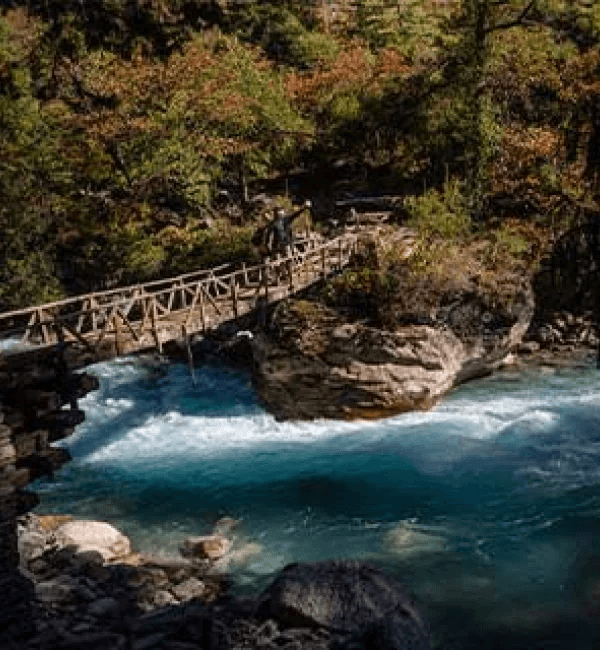
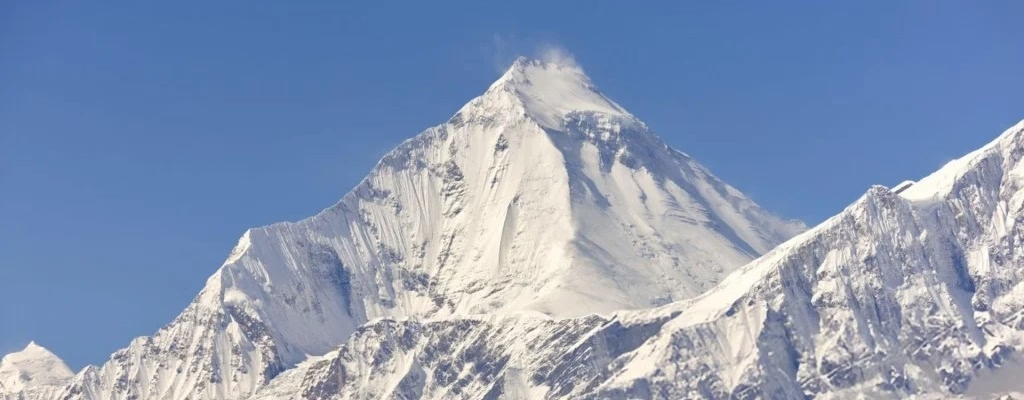
The next phase of the expedition is dedicated to the Putha Hiunchuli climbing period, taking the team from Base Camp toward the summit of Putha Hiunchuli (7,246m) and safely back to Base Camp. This extended climbing window provides the flexibility needed for acclimatization rotations, technical preparation, higher-camp establishment, rest, weather management, and the final summit attempt.
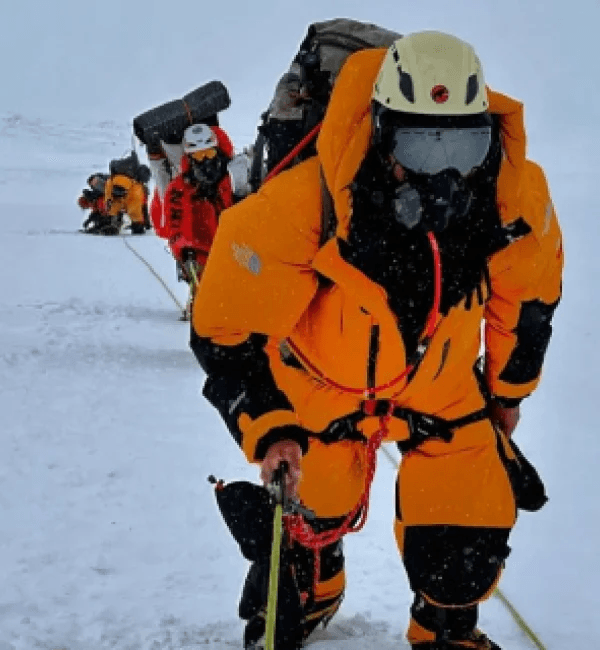
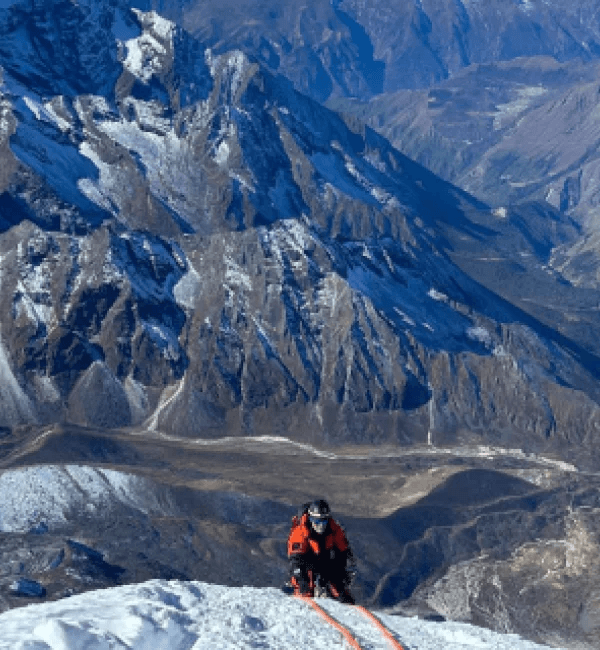
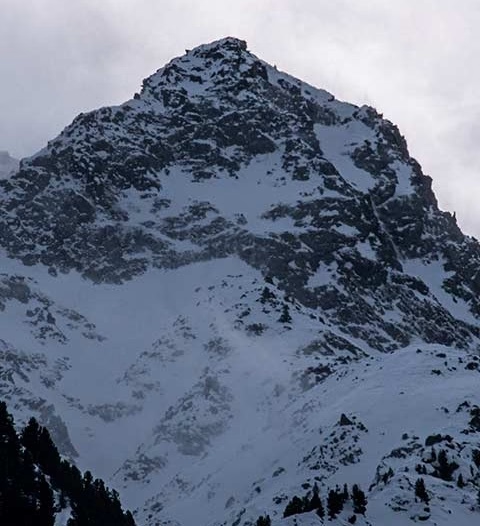
From Base Camp, the climbing team gradually moves onto higher-altitude terrain, carrying essential equipment and establishing or using higher camps according to route conditions. The ascent involves snow and glacial terrain, steep sections, cold temperatures, and increasingly thin air. Climbers will follow the guidance of the expedition leader and Sherpa team while maintaining a careful pace and conserving energy for the summit push.
The climbing period also includes acclimatization and rest days, allowing the team to adapt to the altitude and recover between rotations. Weather and mountain conditions will be monitored continuously, and the summit attempt will be scheduled when conditions, route safety, and climber readiness come together.
The highlight of this phase is the summit day, when the team makes its attempt on the 7,246m summit of Putha Hiunchuli. After reaching the summit, climbers descend carefully through the high-altitude terrain and return to Base Camp, where the team can rest and celebrate the completion of the climbing phase.
The 16-day climbing window is intentionally flexible, as conditions on a 7,000m mountain can change quickly. The actual sequence of rotations, rest periods, higher-camp movements, and summit attempts will be determined by the expedition leader according to weather, snow conditions, route safety, acclimatization, and team performance.

.avif&w=3840&q=75)