Peak15Adventure

Annapurna South (7,219m) Expeditions

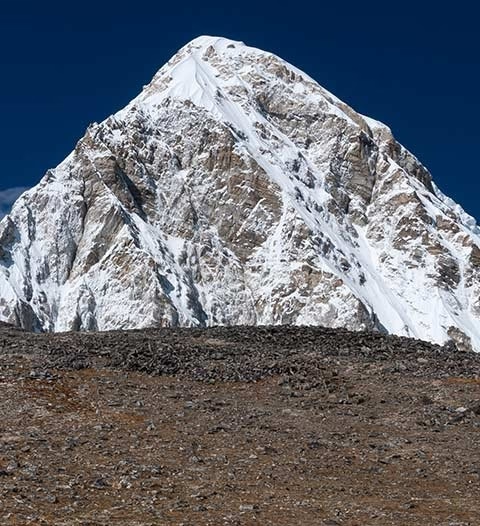
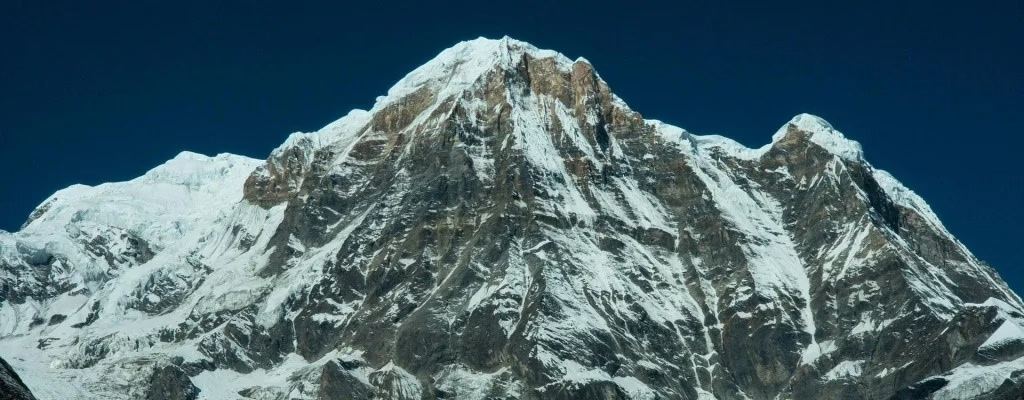
The Annapurna South (7,219m) Expedition is a demanding Himalayan adventure designed for experienced mountaineers seeking a true 7,000m-class challenge. Rising dramatically above the Annapurna Sanctuary, the mountain combines breathtaking scenery with serious high-altitude climbing. The expedition takes you from lush Himalayan valleys into remote glaciers, rugged terrain, and the demanding upper slopes of Annapurna South. Success requires strong physical conditioning, technical climbing ability, careful acclimatization, and disciplined expedition strategy. With Peak 15 Adventure, every stage is supported by experienced guides, thoughtful logistics, and a safety-focused approach. This is an opportunity to push beyond familiar limits and pursue an unforgettable summit in the heart of the Himalayas.

Duration
40 days
Max Altitude
7219 m
Destination
Nepal
Activity
Expedition
Accommodation
Hotel
Group Size
2-6
Transport
Private Vehicle & Flight
Meals
B-L-D
Season
Apr - May
Difficulty
Advanced

Why travellers love it

  • Conquer a 7,000m-Class Himalayan Peak: Take on the formidable Annapurna South (7,219m), an ambitious mountaineering objective for experienced climbers.

  • Explore the Legendary Annapurna Sanctuary: Journey through spectacular Himalayan valleys, dramatic mountain landscapes, and remote glacial terrain.

  • Experience Technical High-Altitude Climbing: Navigate challenging snow slopes, icy sections, and demanding alpine terrain while ascending toward the summit.

  • Embrace Authentic Himalayan Expedition Life: Experience remote base camp living, high-camp rotations, acclimatization, and the teamwork essential to high-altitude mountaineering.

  • Pursue an Extraordinary Himalayan Summit: Stand beneath the towering Annapurna massif and experience the profound achievement of climbing one of Nepal's remarkable 7,000m peaks with Peak 15 Adventure.

Trip overview

The Annapurna South (7,219m) Expedition with Peak 15 Adventure is an extraordinary high-altitude mountaineering journey into the heart of the Nepalese Himalayas. Rising majestically above the Annapurna Sanctuary, Annapurna South presents a demanding challenge for experienced climbers seeking to push beyond conventional trekking and explore the world of serious Himalayan alpinism. With its imposing mountain walls, glaciated slopes, and spectacular high-altitude surroundings, this expedition combines technical climbing, remote wilderness, and the ambition of pursuing a 7,000m-class summit.

An Ambitious Journey into the Annapurna Himalaya

The expedition begins in Kathmandu, Nepal's vibrant capital, where climbers complete essential preparations, equipment checks, and expedition briefings before heading toward the Annapurna region. As the journey progresses through picturesque valleys, traditional mountain settlements, and increasingly rugged landscapes, the scenery gradually transforms into the dramatic alpine environment surrounding Annapurna South.

The approach to the mountain offers an immersive experience of the Annapurna region, where dense forests, cascading rivers, traditional villages, and towering Himalayan peaks create a remarkable contrast with the demanding terrain ahead. As the expedition gains altitude, the landscape becomes more remote and rugged, bringing climbers closer to the glaciers, snow-covered slopes, and imposing mountain faces that define this challenging objective.

The Climbing Challenge: Annapurna South (7,219m)

Annapurna South is a serious mountaineering objective that demands physical endurance, technical proficiency, and sound decision-making in an extreme environment. At 7,219m, the mountain exposes climbers to reduced oxygen levels, unpredictable weather, freezing temperatures, and challenging snow and ice conditions.

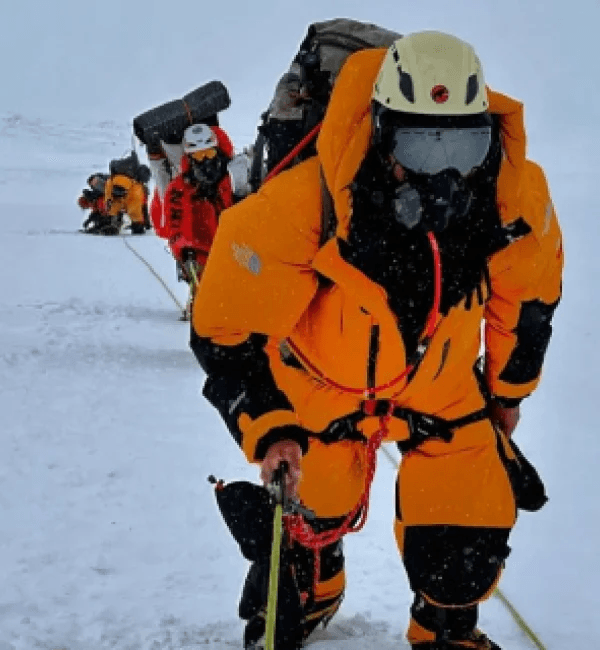
The climbing phase involves establishing a suitable base camp, preparing higher camps, and undertaking carefully planned acclimatization and climbing rotations. Depending on the selected route and prevailing mountain conditions, climbers may encounter steep snow slopes, exposed ridges, glacial terrain, and technical sections requiring appropriate mountaineering equipment and skills.

Every stage of the ascent requires careful coordination, from managing equipment and maintaining suitable climbing schedules to monitoring weather conditions and assessing snow and ice stability. Summit success depends not only on individual determination but also on sound expedition management, favorable conditions, and responsible decision-making throughout the climb.

Acclimatization, Preparation, and Expedition Strategy

Acclimatization is a fundamental part of the Annapurna South Expedition. As climbers move into higher elevations, the body needs time to adapt to decreasing oxygen availability. A gradual ascent, appropriate rest periods, and carefully planned rotations help support the body's adjustment to altitude.

Peak 15 Adventure places importance on thorough preparation, including equipment checks, climbing briefings, route planning, and discussions about high-altitude risks. Climbers should arrive with strong cardiovascular fitness, previous experience at high altitude, and the technical skills required for snow and ice mountaineering.

A flexible expedition schedule is particularly important on a mountain of this scale. Weather windows, snow conditions, and the physical condition of the climbing team all influence summit planning. Reserve days and contingency arrangements allow the expedition team to respond to changing conditions rather than forcing an ascent within an inflexible timetable.

Life at Base Camp and High Camp

Life on Annapurna South extends beyond the climbing itself. Base camp becomes the expedition's central hub, where climbers rest, organize equipment, review weather forecasts, and prepare for the next phase of the ascent.

As the team progresses to higher camps, the environment becomes increasingly demanding. Carrying essential equipment, maintaining hydration and nutrition, and managing rest in cold conditions become critical parts of daily expedition life. The experience encourages teamwork, patience, and the ability to adapt to the mountain's changing demands.

The gradual transition from the relative comfort of base camp to the exposed upper mountain offers a genuine insight into the realities of high-altitude expedition mountaineering.

The Summit Bid and Return Journey

The summit push represents the defining phase of the Annapurna South Expedition. After appropriate acclimatization and climbing preparations, the team identifies a suitable weather window to attempt the summit. The final ascent requires sustained physical effort, technical awareness, and careful movement through high-altitude terrain.

Reaching the summit at 7,219m offers a remarkable perspective across the Annapurna Himalaya, with an immense panorama of surrounding Himalayan peaks, glaciers, and deep mountain valleys. For climbers who reach the top, the moment represents the culmination of extensive preparation, teamwork, perseverance, and commitment.

However, the expedition does not end at the summit. A safe descent is equally important, and the team must return carefully through the established camps before continuing toward the lower valleys and eventually Kathmandu.

Why Choose Peak 15 Adventure?

At Peak 15 Adventure, the Annapurna South Expedition is approached as a complete mountaineering experience, built around preparation, experienced leadership, practical logistics, and responsible climbing decisions.

From initial expedition planning and equipment preparation to acclimatization, climbing support, and the return journey, each stage requires thoughtful coordination. Our approach emphasizes realistic summit planning, communication, respect for the mountain environment, and the flexibility needed to respond to changing Himalayan conditions.

Annapurna South is not simply a destination to reach; it is a mountain that demands respect, preparation, and determination. For experienced mountaineers ready to undertake a demanding 7,000m-class expedition, this journey with Peak 15 Adventure offers an opportunity to explore the magnificent Annapurna Himalaya and pursue an unforgettable Himalayan climbing achievement.

Itinerary

  • Day 01

    Arrival in Kathmandu (1,400m) – Transfer to Hotel

    Welcome to Nepal! Upon your arrival at Tribhuvan International Airport in Kathmandu (1,400m), a representative from Peak 15 Adventure will greet you and transfer you to your hotel. Take some time to settle in, recover from your journey, and enjoy your first glimpse of Nepal's vibrant capital.

    Kathmandu is the gateway to your Annapurna South (7,219m) Expedition, where ancient cultural heritage meets the spirit of Himalayan adventure. Depending on your arrival time, you can relax at the hotel or explore the nearby streets at your own pace.

    In the evening, your expedition team can brief you on the upcoming adventure and discuss the initial preparations for the journey ahead.

    • MealsD
    • AccommodationHotel
    • Travel Duration30-45 min
    • RouteTribhuvan International Airport, Kathmandu to Kathmandu
    • TransportationPrivate Vehicle
    • Elevation1,400m to 1,400m
  • Day 02

    Kathmandu (1,400m) – Expedition Preparation, Official Formalities & Climbing Briefings

    Days 02 and 03 in Kathmandu are dedicated to completing official expedition formalities and making final preparations for the Annapurna South (7,219m) Expedition. During this time, the Peak 15 Adventure team will coordinate the necessary climbing permits, verify expedition documents, and review the overall climbing plan.

    The expedition briefing covers the approach route, acclimatization strategy, base camp arrangements, climbing support, and essential safety procedures. Climbers will also review their travel insurance, emergency contact details, and personal documentation before heading into the mountains.

    Both days provide ample time for detailed equipment checks and final shopping. The team will inspect essential mountaineering gear, including high-altitude boots, crampons, ice axes, harnesses, helmets, insulated clothing, and other technical equipment required for the climb. Any missing items can be purchased or rented in Kathmandu, subject to availability.

    These preparation days also allow climbers to rest, adjust to the local environment, and mentally prepare for the challenging journey ahead. Once all official requirements and equipment checks are completed, the team will be ready to depart toward the Annapurna region.

    • MealsB
    • AccommodationHotel
    • RouteKathmandu
    • Elevation1400m
  • Day 04

    Travel from Kathmandu to Pokhara (822m) – Gateway to the Annapurna Himalaya

    After breakfast, depart Kathmandu for Pokhara, the beautiful lakeside city and gateway to the Annapurna South (7,219m) Expedition. You can travel by tourist bus along Nepal's scenic highway or take a domestic flight, depending on your package arrangements and preference.

    The road journey follows winding highways, river valleys, terraced hillsides, and traditional settlements, offering a fascinating glimpse of Nepal's countryside. If you choose to fly, enjoy spectacular aerial views of the Himalayan landscape, weather permitting.

    Upon arrival in Pokhara, transfer to your hotel and settle in. The remainder of the day is available to relax, organize personal belongings, and enjoy the peaceful atmosphere of Phewa Lake, with views toward the Annapurna range on clear days.

    • MealsB/L/D
    • AccommodationHotel
    • Travel Duration6-8 hours
    • RouteKathmandu to Pokhara
    • TransportationFlight
    • Elevation1,400m to 822m
  • Day 05

    Drive from Pokhara to Phedi (1,130m) & Trek to Deurali (2,100m)

    After breakfast in Pokhara, meet your trekking team and drive by private vehicle to Phedi, the starting point of today's trek into the Annapurna region. From Phedi, begin your uphill journey along stone staircases, forested trails, and traditional hillside settlements toward Deurali.

    The trail climbs steadily through terraced farmland and charming villages, offering beautiful views of the surrounding hills and, on clear days, the magnificent Annapurna and Machhapuchhre ranges. As you gain elevation, the landscape transitions into peaceful forests and scenic mountain ridges.

    Upon reaching Deurali, settle into your teahouse and enjoy a well-deserved rest. This first trekking day introduces you to the mountain trails and provides an opportunity to gradually adjust to the physical demands of the expedition.

    • MealsB/L/D
    • AccommodationTeahouse
    • Travel Duration45min-1 hour & 4-5 hours
    • RoutePokhara to Deurali
    • TransportationPrivate Vehicle & Trekking
    • Elevation822m to 2,100m
  • Day 06

    Trek from Deurali to Jhinu Danda (1,780m) – Natural Hot Springs

    After breakfast in Deurali, begin your trek toward Jhinu Danda, a beautiful hillside settlement renowned for its natural hot springs. Today's trail winds through lush forests, traditional Gurung villages, terraced hillsides, and scenic mountain landscapes, offering a refreshing change of scenery as you continue through the Annapurna region.

    The route follows established trekking paths with a mixture of gradual descents and stone staircases. Along the way, enjoy views of the surrounding hills and the dramatic Himalayan landscape before descending toward the Modi Khola valley.

    Upon reaching Jhinu Danda, check into your teahouse and take some time to relax. If time and conditions permit, visit the natural hot springs near the Modi Khola, a popular stop for trekkers seeking to soothe tired muscles after days on the trail. The hot springs are reached by a downhill walk from the village.

    Enjoy a peaceful evening in Jhinu Danda, resting and preparing for the next stage of your Annapurna South (7,219m) Expedition.

    • MealsB/L/D
    • AccommodationTeahouse
    • Travel Duration5-7 hours
    • RouteDeurali to Jhinu Danda
    • TransportationTrekking
    • Elevation2,100m to 1,780m
  • Day 07

    Trek from Jhinu Danda (1,780m) to Sinuwa (2,340m)

    After breakfast at Jhinu Danda, begin your trek toward Sinuwa, continuing deeper into the spectacular Annapurna Sanctuary region. Today's trail follows the Modi Khola valley, crossing suspension bridges and climbing through lush forests, terraced hillsides, and traditional mountain settlements.

    The route involves a steep ascent toward Chhomrong, a beautiful Gurung village offering impressive views of Annapurna South and Machhapuchhre. From Chhomrong, descend a long series of stone steps toward the Chhomrong Khola before climbing again through forested trails to reach Sinuwa.

    As you gain elevation, the surroundings become increasingly peaceful, with dense vegetation, bamboo forests, and glimpses of towering Himalayan peaks. Upon arrival in Sinuwa, settle into your teahouse, enjoy a warm meal, and rest for the next stage of your expedition.

    • MealsB/L/D
    • AccommodationTeahouse
    • Travel Duration5-6 hours
    • RouteJhinu Danda to Sinuwa
    • TransportationTrekking
    • Elevation1,780m to 2,340m
  • Day 08

    Trek from Sinuwa (2,340m) to Himalaya Hotel (2,920m)

    After breakfast in Sinuwa, continue your journey deeper into the Annapurna Sanctuary toward Himalaya Hotel. Today's trail follows the beautiful Modi Khola valley, passing through dense bamboo forests, lush rhododendron woodlands, and peaceful mountain landscapes.

    The route descends toward Bamboo before gradually ascending through forested trails alongside the river. Along the way, enjoy the tranquil atmosphere of the Annapurna Conservation Area, with cascading waterfalls, moss-covered trees, and occasional glimpses of the surrounding Himalayan peaks.

    As you gain elevation, the vegetation becomes denser and the trail increasingly rugged. The steady ascent provides an opportunity to build endurance while gradually adapting to the higher elevations ahead.

    Upon reaching Himalaya Hotel, settle into your teahouse, enjoy a warm meal, and rest for the next stage of your Annapurna South (7,219m) Expedition.

    • MealsB/L/D
    • AccommodationHotel
    • Travel Duration5-6 hours
    • RouteSinuwa to Himalaya Hotel
    • TransportationTrekking
    • Elevation2,340m to 2,920m
  • Day 09

    Trek from Himalaya Hotel (2,920m) to Machhapuchhre Base Camp (3,700m)

    After breakfast at Himalaya Hotel, continue your ascent toward Machhapuchhre Base Camp (MBC), also known as Fishtail Base Camp. Today's trek takes you deeper into the spectacular Annapurna Sanctuary, surrounded by towering Himalayan peaks, dramatic cliffs, and glacial landscapes.

    The trail gradually climbs alongside the Modi Khola, passing through Deurali and following rugged mountain paths beneath enormous rock walls and cascading waterfalls. As you gain elevation, the dense forests give way to open alpine terrain, revealing increasingly impressive views of Machhapuchhre, Annapurna South, and the surrounding Himalayan giants.

    The final section leads into the magnificent Annapurna Sanctuary, where Machhapuchhre Base Camp sits beneath the towering Fishtail peak. Upon arrival, settle into your teahouse and enjoy the breathtaking mountain panorama while allowing your body to adjust to the increasing altitude.

    Spend the evening resting, staying hydrated, and preparing for the next stage of your Annapurna South (7,219m) Expedition.

    • MealsB/L/D
    • AccommodationMachhapuchhre Base Camp
    • Travel Duration5-6 hours
    • RouteHimalaya Hotel to Machhapuchhre Base Camp
    • TransportationTrekking
    • Elevation2,920m to 3,700m
  • Day 10

    Trek from Machhapuchhre Base Camp (3,700m) to Annapurna South Base Camp

    After breakfast at Machhapuchhre Base Camp, begin the trek toward Annapurna South Base Camp, leaving the established trekking trails behind and entering a more remote and rugged mountain environment. The route gradually leads through the dramatic Annapurna Sanctuary, surrounded by towering Himalayan peaks, glacial landscapes, and steep mountain walls.

    As the trail progresses, the scenery becomes increasingly alpine, with fewer signs of habitation and a growing sense of wilderness. The journey provides your first deeper approach toward the climbing objective, with Annapurna South (7,219m) rising prominently ahead.

    Upon reaching Annapurna South Base Camp, settle into the expedition camp and meet with the climbing team for an initial review of the upcoming climbing phase. The team will organize equipment, discuss acclimatization plans, and assess the route and current mountain conditions.

    Spend the evening resting, hydrating, and preparing mentally and physically for the higher-altitude climbing days ahead.

    • MealsB/L/D
    • AccommodationTented camp
    • Travel Duration5-7 hours
    • RouteMachhapuchhre Base Camp to Annapurna South Base Camp
    • TransportationTrekking
    • Elevation3,700m
  • Day 11

    Annapurna South (7,219m) Climbing Period – Acclimatization, Camp Rotations & Summit Attempt

    Days 11 to 23 mark the core mountaineering phase of the Annapurna South (7,219m) Expedition. After reaching Base Camp, the team enters a carefully managed period of acclimatization, technical preparation, higher-camp rotations, and summit planning. Rather than treating these days as a fixed sequence, the climbing schedule remains flexible and is adjusted according to weather, route conditions, acclimatization progress, and the condition of the climbing team.

    The initial days are focused on rest, acclimatization, route familiarization, and technical preparation. The climbing team will inspect equipment, review the planned ascent, practice essential rope techniques where required, and prepare for movement on snow, ice, and glaciated terrain. These preparations help establish the rhythm and discipline required for the higher mountain.

    As acclimatization progresses, climbers undertake rotations toward higher elevations and established camps, carrying essential equipment and supplies while gradually becoming accustomed to the thinner air. Rest periods between rotations allow the body to recover and adapt before progressing higher.

    The most demanding stage is the summit push, undertaken when a suitable weather window and favorable mountain conditions are available. Climbers ascend through the higher camps and continue toward the summit of Annapurna South at 7,219m, accompanied and supported by the expedition climbing team. The ascent requires endurance, technical awareness, careful pacing, and disciplined decision-making in an extreme environment.

    After the summit attempt, the team descends carefully through the higher camps and returns to Base Camp. Depending on conditions and the expedition schedule, additional time within this period may be used as a reserve or contingency day to accommodate unfavorable weather, route changes, or the need for additional acclimatization.

    Throughout Days 11–23, safety takes priority over the summit objective. The exact climbing sequence cannot be predetermined because Himalayan weather and mountain conditions can change rapidly. The expedition leader and climbing team will make operational decisions based on real-time conditions and the team's safety.

    • MealsB/L/D
    • AccommodationTented High Camp
    • RouteAnnapurna South Base Camp to Annapurna South Summit
    • Elevation7,219m
  • Day 24

    Trek from Annapurna South Base Camp to Himalaya Hotel (2,920m)

    After completing the demanding climbing phase of the Annapurna South (7,219m) Expedition, begin the descent from Annapurna South Base Camp toward Himalaya Hotel. Leaving the high alpine environment behind, the trail gradually descends through rugged mountain terrain before re-entering the greener landscapes of the Annapurna Sanctuary.

    The descent offers a welcome change after the intensity of the summit period. Follow the trail through rocky sections, cascading waterfalls, and increasingly dense vegetation as you lose altitude. The dramatic Himalayan surroundings remain impressive, while the warmer air and thicker atmosphere provide a noticeable relief after time spent at higher elevations.

    Upon reaching Himalaya Hotel, settle into the teahouse, enjoy a nourishing meal, and take time to recover from the climbing period. A comfortable night's rest here prepares you for the continued descent toward the lower Annapurna valleys.

    • MealsB/L/D
    • AccommodationHotel
    • Travel Duration5-7 hours
    • RouteAnnapurna South Base Camp to Himalaya Hotel
    • TransportationTrekking
    • Elevation2,920m
  • Day 25

    Trek from Himalaya Hotel (2,920m) to Chhomrong (2,170m)

    After breakfast at Himalaya Hotel, continue your descent through the lush forests of the Annapurna Sanctuary toward Chhomrong, a picturesque Gurung village nestled on a mountainside above the Modi Khola valley. After the demanding days on Annapurna South, today’s descent offers a more relaxed pace and a welcome return to greener landscapes.

    The trail passes through dense bamboo and rhododendron forests, following a series of stone steps and winding paths toward lower elevations. Along the way, enjoy changing views of the surrounding hills and dramatic Himalayan peaks as the landscape gradually becomes warmer and more vibrant.

    After reaching Chhomrong, settle into your teahouse and enjoy the village atmosphere. Take time to rest, recover, and reflect on the remarkable expedition experience before continuing toward the lower valleys.

    • MealsB/L/D
    • AccommodationTeahouse
    • Travel Duration5-6 hours
    • RouteHimalaya Hotel to Chhomrong
    • TransportationTrekking
    • Elevation2,920m to 2,170m
  • Day 26

    Trek from Chhomrong (2,170m) to Ghandruk Village (1,940m)

    After breakfast in Chhomrong, continue the descent toward Ghandruk, one of the most scenic and culturally rich Gurung villages in the Annapurna region. Today’s trail winds through terraced hillsides, lush forests, stone-paved paths, and traditional mountain settlements, offering a pleasant transition from the high-altitude expedition environment to the lower Himalayan valleys.

    The trail gradually descends through forests and cultivated slopes, with beautiful views of Annapurna South, Hiunchuli, and Machhapuchhre appearing between the hills when weather conditions are clear. The changing landscape provides a refreshing contrast to the rugged terrain experienced during the Annapurna South climbing period.

    Upon reaching Ghandruk, explore the charming village and experience its traditional Gurung architecture and welcoming mountain culture. After settling into the teahouse, enjoy a well-deserved rest and reflect on the remarkable journey through the Annapurna Himalaya.

    • MealsB/L/D
    • AccommodationTeahouse
    • Travel Duration4-5 hours
    • RouteChhomrong to Ghandruk
    • TransportationTrekking
    • Elevation2,170m to 1,940m
  • Day 27

    Trek from Ghandruk (1,940m) to Nayapul & Drive to Pokhara (822m)

    After breakfast in Ghandruk, begin the final trekking section of your Annapurna South Expedition, descending through scenic hillsides, terraced fields, forests, and traditional settlements toward Nayapul. The trail gradually leaves the higher mountain environment behind, offering a pleasant transition back into the lower valleys.

    As you descend, enjoy the changing landscape and the final views of the Annapurna range. Upon reaching Nayapul, meet your private vehicle and drive to Pokhara, the peaceful lakeside city and gateway to the Annapurna region.

    After arriving in Pokhara, check into your hotel and enjoy a well-deserved rest following the expedition. The evening is free to relax around Phewa Lake or simply recover after the long journey through the Himalayas.

    • MealsB/L/D
    • AccommodationHotel
    • Travel Duration4-5 hours & 2 hours
    • RouteGhandruk to Nayapul to Pokhara
    • TransportationTrekking & Private Vehicle
    • Elevation1,940m to 1,070m to 822m
  • Day 28

    Travel from Pokhara (822m) to Kathmandu (1,400m) – Return to the Capital

    After breakfast, we leave Pokhara and travel back to Kathmandu by tourist bus or domestic flight, depending on your preferred option and the operational schedule. By road, the journey follows the scenic Prithvi Highway, passing through river valleys, terraced hillsides, local settlements, and changing landscapes. Alternatively, the short flight offers a quicker return with aerial views of the surrounding Himalayan ranges and central Nepal.

    Upon arrival in Kathmandu, transfer to the hotel and take time to rest after the expedition. The remainder of the day can be spent relaxing, exploring the nearby streets, shopping for souvenirs, or simply reflecting on your Annapurna South adventure.

    • MealsB/L/D
    • AccommodationHotel
    • Travel Duration25-30 min
    • RoutePokhara to Kathmandu
    • TransportationFlight
    • Elevation822m to 1,400m
  • Day 29

    Leisure Day in Kathmandu (1,400m) – Farewell Dinner

    After breakfast, enjoy a well-deserved leisure day in Kathmandu following your Annapurna South Expedition. This free time allows you to rest, explore the city at your own pace, revisit favorite places, shop for traditional handicrafts and souvenirs, or simply relax at the hotel.

    In the evening, gather with the Peak 15 Adventure team for a farewell dinner at a traditional Nepalese restaurant. Celebrate the journey, share memorable moments from the mountains, and enjoy authentic Nepalese cuisine in a warm cultural setting.

    • MealsD
    • AccommodationHotel
    • RouteKathmandu to Kathmandu
    • Elevation1,400m to 1,400m
  • Day 30

    Final Departure from Kathmandu (1,400m) – Airport Transfer

    After breakfast, enjoy your remaining time in Kathmandu for relaxation, last-minute shopping, or personal activities, depending on your international flight schedule. Take this opportunity to purchase souvenirs, traditional handicrafts, or any final essentials before leaving Nepal.

    Approximately three hours before your scheduled international flight, a Peak 15 Adventure airport representative will meet you at your hotel and provide a private transfer to Tribhuvan International Airport for your onward journey.

    With cherished memories of Annapurna South and the Himalayas, your expedition officially comes to an end as you depart Nepal.

    • MealsB
    • Travel Duration30-45 min
    • RouteKathmandu to Tribhuvan International Airport, Kathmandu
    • TransportationPrivate Vehicle
    • Elevation1,400m to 1,400m
Altitude profileMax 7,219 m
1,400 mD11,400 mD2822 mD42,100 mD51,780 mD62,340 mD72,920 mD83,700 mD93,700 mD107,219 mD112,920 mD242,170 mD251,940 mD261,070 mD271,400 mD281,400 mD291,400 mD30

Are you looking to customize the trip itinerary?

If the provided schedule is not suitable for you, we can create a personalized travel arrangement tailored to your preferences and requirements.

Customize Trip

Cost breakdown

What's included
  • Pick up and drop off services for both international & domestic flights as per the itinerary.

  • 4 nights 4* Hotel in Kathmandu on Bed & Breakfast plan, 2 nights before and 2 nights after the expedition.

  • 2 nights 3* Hotel in Pokhara on Bed and Breakfast plan.

  • Welcome dinner in a typical Nepali Restaurant in Kathmandu.

  • Helicopter Flight Dana-Annapurna BC -Dana ( on sharing Basis)

  • Drive from Pokhara to Dana to Pokhara by private vehicles

  • Domestic flights ( Kathmandu-Pokhara-Kathmandu) and airport transfers.

  • Land and Air domestic transportation and cargo for our overall expedition crew.

  • Climbing Permit for Annapurna South Expedition and other necessary permit fees.

  • Government Liaison officer with his daily wages, equipment allowance, food, insurance and transportation.

  • Summit route fixing charge.

  • Garbage disposal and management fees.

  • Staff’s High Altitude, Medical and Helicopter rescue insurance.

  • Base Camp Cook and Kitchen helpers.

  • 3 Meals a day (BLD) during the trekking to Base Camp.

  • Freshly cooked meals (Breakfast, Lunch & Dinner): Continental, Nepali, Indian with hot drinks, Tea and Coffee

  • 01 veteran and highly experienced Climbing Guide ( 01 Member : 01 Climbing Guide)

  • 45 kg as a member personal baggage.

  • Each member will be provided an individual tent, Mattress and Pillow at Base Camp.

  • Common Equipment at Base Camp: Dinning tent, Kitchen tent, Toilet tent, Shower tent, Tables and Chairs, Heater etc.

  • Walkie-talkie for communicating from Base Camp to Mountain and Mountain to Base Camp.

  • Satellite Phone is available for emergency call at US $5 per minute.

  • Weather forecast during the entire expedition

  • Emergency Oxygen bottles and Mask Regulator Set available at our Base Camp (Chargeable as per use).

  • First Aid medical kits.

  • Peak 15 Adventure’s Duffle Bag & outdoor Cap (If required).

  • Farewell dinner with Climbing guides, Office staffs and Company Owners in Kathmandu after the expedition

  • Government taxes and company service charge.

  • Summit Certificate will be provided by Nepal Government after the successful ascent of the peak (Note: Photos & videos of summit must be provided for final verification).

What's not included
  • International flights to/from Kathmandu.

  • Nepal Entry Visa fee (to be applied for 40 days).

  • Drone and Special filming permit.

  • Lunch and Dinner during stay in Kathmandu (Except Welcome & Farewell Dinner).

  • Travel, Medical and Emergency High Altitude Helicopter Rescue Insurance (Minimum coverage US$ 50,000). This is mandatory for all the Participants.

  • Costs from delays due to weather or itinerary changes.

  • All the Personal Climbing Gears and Equipment.

  • Meals in Kathmandu not specified in the package.

  • Summit Bonus US$ 800/- for each Climbing Guide and US$ 250/- for Kitchen helpers must be hand over in Cash at Base Camp after the successful ascent of the peak also please calculate some tips for trek Guide and Porters.

  • Personal nature expepess

  • Any other services which are not mentioned in the service includes.

Upcoming departures

Filter departures by month
May 12 – Jun 21, 2027
Available
—

All prices per person, twin share. Subject to availability — Annapurna South (7,219m) Expeditions dates fill quickly in peak season.

Useful information

Before setting your sights on Annapurna South (7,219m), preparation is just as important as ambition. Rising above the spectacular Annapurna Sanctuary in Nepal, this demanding 7,000m-class expedition involves high-altitude mountaineering, challenging snow and ice terrain, unpredictable Himalayan weather, and prolonged exposure to extreme conditions.

Annapurna South requires more than physical endurance. Previous high-altitude mountaineering experience, technical climbing skills, careful acclimatization, and sound judgment are essential throughout the expedition. Understanding the mountain, preparing the right equipment, and approaching the climb with a flexible mindset will help you prepare for the challenges ahead.

With Peak 15 Adventure, the expedition is approached through careful planning, experienced leadership, responsible climbing practices, and a strong emphasis on safety. Here are the key things to know before your Annapurna South expedition begins.

Altitude & Acclimatization

  • Annapurna South reaches 7,219m, where reduced oxygen availability significantly affects physical performance, recovery, sleep, and decision-making.

  • A carefully structured acclimatization schedule is essential before moving into the mountain's higher camps and attempting the summit.

  • Climbers should ascend gradually, allowing sufficient time for the body to adapt to increasing elevation.

  • Acclimatization rotations between Base Camp and higher camps may be incorporated into the expedition plan, depending on the climbing route and prevailing conditions.

  • Maintain adequate hydration, nutrition, and rest while following a sustainable climbing pace.

  • Report symptoms such as persistent headaches, dizziness, nausea, unusual fatigue, or breathing difficulties to your expedition leader immediately.

  • Acclimatization reduces some altitude-related risks but does not eliminate the possibility of serious altitude illness.

Technical Climbing & Mountaineering Experience

  • Annapurna South is a serious high-altitude mountaineering objective, not a conventional trekking peak.

  • The climbing route may involve steep snow and ice slopes, exposed mountain terrain, glacier travel, and technical sections requiring appropriate rope systems.

  • Previous experience on 6,000m and 7,000m peaks, particularly in technical alpine environments, is strongly recommended.

  • Climbers should be proficient in using crampons, ice axes, climbing harnesses, ascenders, descenders, and fixed-rope systems.

  • Familiarity with glacier travel, crevasse-rescue techniques, rope management, and movement on steep snow and ice is particularly valuable.

  • Physical strength alone is insufficient; technical judgment, balance, confidence, and the ability to make decisions under pressure are equally important.

  • Follow the instructions of your expedition leader and climbing Sherpa team, especially during technical climbing, camp rotations, and summit operations.

Packing & Expedition Equipment

  • Bring properly fitted high-altitude mountaineering boots compatible with suitable crampons and designed for prolonged exposure to extreme cold.

  • Essential technical equipment includes an ice axe, climbing harness, helmet, crampons, ascender, descender, carabiners, and other climbing accessories specified for the chosen route.

  • A suitable expedition down suit or high-altitude clothing system is essential for the upper mountain.

  • Pack thermal base layers, insulating mid-layers, waterproof outer layers, insulated gloves, mittens, and warm headwear.

  • High-quality glacier sunglasses and mountaineering goggles are necessary to protect against intense ultraviolet radiation, wind, and snow glare.

  • Carry a reliable headlamp with spare batteries for early-morning climbing and summit attempts.

  • A suitable expedition sleeping bag, insulated sleeping mat, personal first-aid supplies, sunscreen, lip balm, and personal medications should be included.

  • Your expedition team will provide a detailed equipment checklist based on the planned route, expected conditions, and available group equipment.

Weather & Mountain Conditions

  • Weather on Annapurna South can change rapidly, particularly above Base Camp and along exposed sections of the mountain.

  • Strong winds, heavy snowfall, freezing temperatures, poor visibility, and sudden changes in snow conditions can affect climbing operations.

  • Snow and ice stability, avalanche exposure, and changing glacier conditions must be assessed throughout the expedition.

  • The summit attempt depends on a suitable weather window, favorable route conditions, and the physical condition of the climbing team.

  • Even during the preferred climbing seasons, stable conditions and summit success cannot be guaranteed.

  • Summit attempts may need to be delayed, modified, or abandoned when weather or mountain conditions become unsafe.

  • Flexibility is essential: on a 7,000m-class expedition, the mountain ultimately determines the timetable.

Physical Fitness & Mental Preparation

  • Annapurna South demands excellent physical conditioning, sustained endurance, and previous experience with demanding mountain environments.

  • Begin a structured training program several months before departure, incorporating cardiovascular exercise, strength training, uphill hiking, and endurance conditioning.

  • Training with a loaded backpack and practicing movement on steep or uneven terrain can help prepare for prolonged climbing days.

  • Develop the stamina required for extended periods of walking and climbing while carrying equipment at altitude.

  • Mental resilience is equally important when dealing with fatigue, exposure, cold temperatures, isolation, and unexpected changes to the itinerary.

  • Climbers should arrive prepared to remain patient, disciplined, and adaptable during acclimatization rotations and summit preparations.

  • A realistic understanding of personal limitations and a willingness to turn back when necessary are essential qualities for responsible mountaineering.

Expedition Camps & Facilities

  • The expedition establishes Base Camp and higher camps according to the selected climbing route, operational requirements, and prevailing mountain conditions.

  • Base Camp generally serves as the main center for acclimatization, equipment organization, meals, communication, and climbing preparation.

  • Higher camps provide staging points for the upper mountain and summit attempt, with increasingly basic facilities as elevation increases.

  • Climbers should be prepared to carry or transport personal equipment and essential supplies between camps as required by the expedition plan.

  • Sleeping arrangements, cooking facilities, and available comforts become more limited at higher elevations.

  • Electricity, charging facilities, and communication services may be restricted, particularly above Base Camp.

  • Cold nights, limited personal space, and challenging living conditions are normal aspects of a remote Himalayan expedition.

Food, Nutrition & Hydration

  • Adequate nutrition is vital for maintaining energy, supporting recovery, and coping with the physical demands of high-altitude climbing.

  • Meals during the approach and at Base Camp are planned to provide essential carbohydrates, protein, fats, and calories.

  • Eat regularly even when appetite decreases at altitude, and inform your expedition team if you experience persistent appetite loss or difficulty eating.

  • Drink sufficient safe water throughout the day, particularly during acclimatization rotations and demanding climbing periods.

  • Carry lightweight, high-energy snacks such as energy bars, chocolate, dried fruits, and other familiar foods for climbing days.

  • Personal dietary requirements, allergies, and food preferences should be communicated to Peak 15 Adventure before the expedition begins.

  • As altitude increases, food choices and meal preparation may become more limited, so personal preparation is important.

Permits & Documentation

  • Climbers must obtain the required Annapurna South climbing permit and comply with applicable Nepalese mountaineering regulations.

  • A valid passport, appropriate Nepal visa, expedition documentation, and relevant travel paperwork should be prepared before arrival.

  • Required permits, fees, and administrative procedures should be confirmed during expedition planning, as regulations may change.

  • Peak 15 Adventure will coordinate the applicable expedition arrangements and advise climbers on the documentation required for the planned itinerary.

  • Keep copies of your passport, insurance policy, emergency contact information, and other essential documents accessible.

  • Ensure that all travel and expedition documentation remains valid for the entire duration of your stay in Nepal.

Travel Insurance & Emergency Evacuation

  • Comprehensive travel and mountaineering insurance is essential for the Annapurna South Expedition.

  • Your insurance policy should explicitly cover high-altitude mountaineering up to 7,219m, emergency medical treatment, helicopter evacuation where available, and medical repatriation.

  • Carefully review policy exclusions, altitude limits, technical climbing restrictions, and evacuation conditions before purchasing insurance.

  • Emergency evacuation from remote or high-altitude locations depends on weather, visibility, aircraft capability, and operational conditions.

  • Helicopter rescue cannot be guaranteed in every situation, particularly during severe weather or at elevations beyond aircraft operating limits.

  • Climbers should understand the expedition's emergency procedures and maintain access to their insurance provider's emergency contact details.

  • Personal preparation, responsible decision-making, and following the expedition team's safety instructions remain essential throughout the climb.

Communication & Emergency Preparedness

  • Communication facilities may become increasingly limited as the expedition moves farther from established settlements and higher into the mountain.

  • Satellite communication or other expedition communication systems may be used where appropriate to coordinate operations and monitor conditions.

  • The expedition team will establish appropriate communication procedures and emergency arrangements for the planned climbing route.

  • Climbers should understand the procedures for reporting illness, injury, changing weather, and other emergencies before beginning the ascent.

  • Follow the expedition leader's instructions regarding movement between camps, climbing schedules, and emergency situations.

  • Never continue climbing simply because you have invested considerable time, effort, or resources in the expedition.

  • Safety decisions always take priority over summit ambitions.

Responsible Mountaineering & Environmental Awareness

  • Annapurna South lies within the remarkable Annapurna Himalayan environment, home to diverse mountain ecosystems, local communities, and culturally significant landscapes.

  • Respect local customs, cultural traditions, monasteries, prayer flags, and sacred sites encountered along the approach.

  • Minimize waste, avoid unnecessary single-use plastics, and follow established waste-management practices at campsites.

  • Respect the mountain environment by avoiding unnecessary disturbance to wildlife, vegetation, and fragile alpine terrain.

  • Follow established climbing routes and expedition protocols, and respect the safety and progress of other climbing teams.

  • Work cooperatively with guides, climbing Sherpas, porters, and support staff, recognizing their essential contribution to the expedition.

  • Leave the mountain with the same respect and care with which you entered it.

Travel With the Right Mindset

  • The Annapurna South Expedition is measured not only by reaching 7,219m but also by the preparation, teamwork, patience, and judgment demonstrated throughout the journey.

  • Be ready for demanding climbing days, cold conditions, basic facilities, limited communication, and changes to the planned schedule.

  • Understand that summit success is never guaranteed, regardless of fitness, experience, or preparation.

  • Remain attentive to your physical condition, trust your climbing team's guidance, and respect the mountain when conditions require a change of plan.

  • Approach the expedition with discipline, humility, and an appreciation for the extraordinary Himalayan environment.

At Peak 15 Adventure, preparation is an essential part of every expedition. From the first approach toward Base Camp to the final summit attempt, our focus is on thoughtful planning, responsible climbing, and informed decision-making. Annapurna South is a mountain to be approached with experience, respect, and determination-because the true achievement lies not simply in climbing higher, but in climbing responsibly and returning safely.

You may also like

More routes in the same region and difficulty range.

Annapurna South (7,219m) Expeditions
Achieve Your Dream
Mountain Ridge Divider
Peak 15 Expedition 1
Peak 15 Expedition 2
Peak 15 Expedition 3
Peak 15 Expedition 4