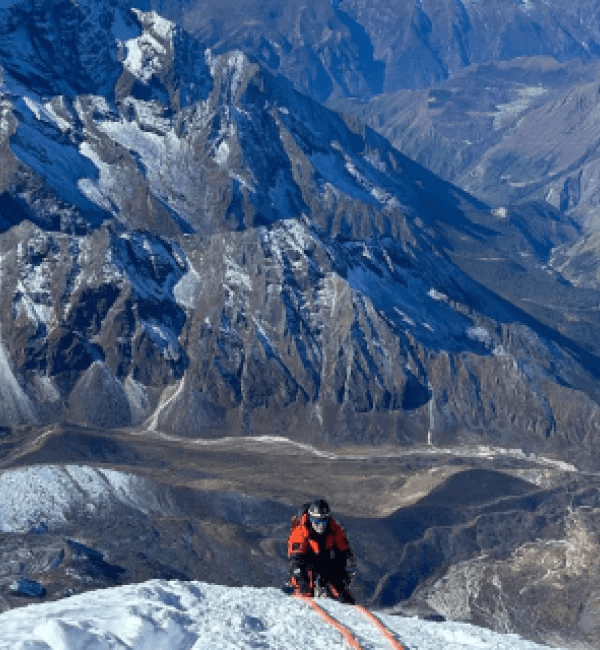
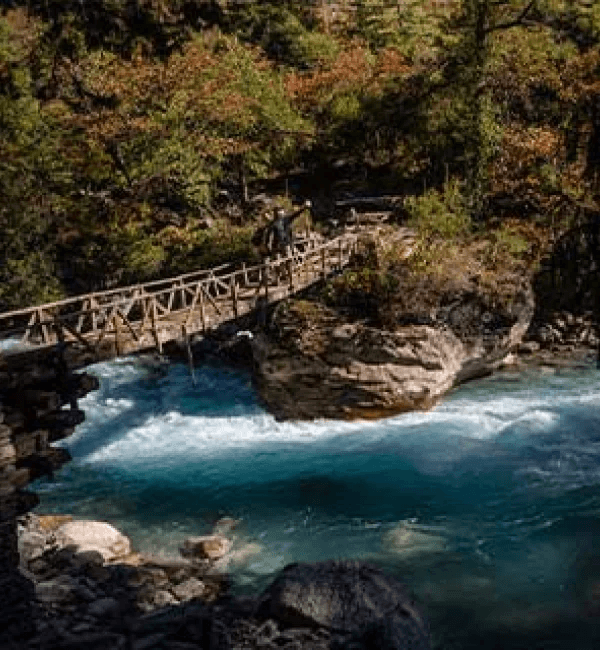
Best Season: Spring (April–May) and Autumn (September–October) are the main climbing seasons. These periods generally offer suitable conditions for trekking and summit attempts, although weather and snow conditions can change.
Expedition Duration: 19 days, including Kathmandu preparation, flights to Lukla, trekking through the Hinku Valley, acclimatization, climbing preparation, summit attempt and return to Kathmandu.
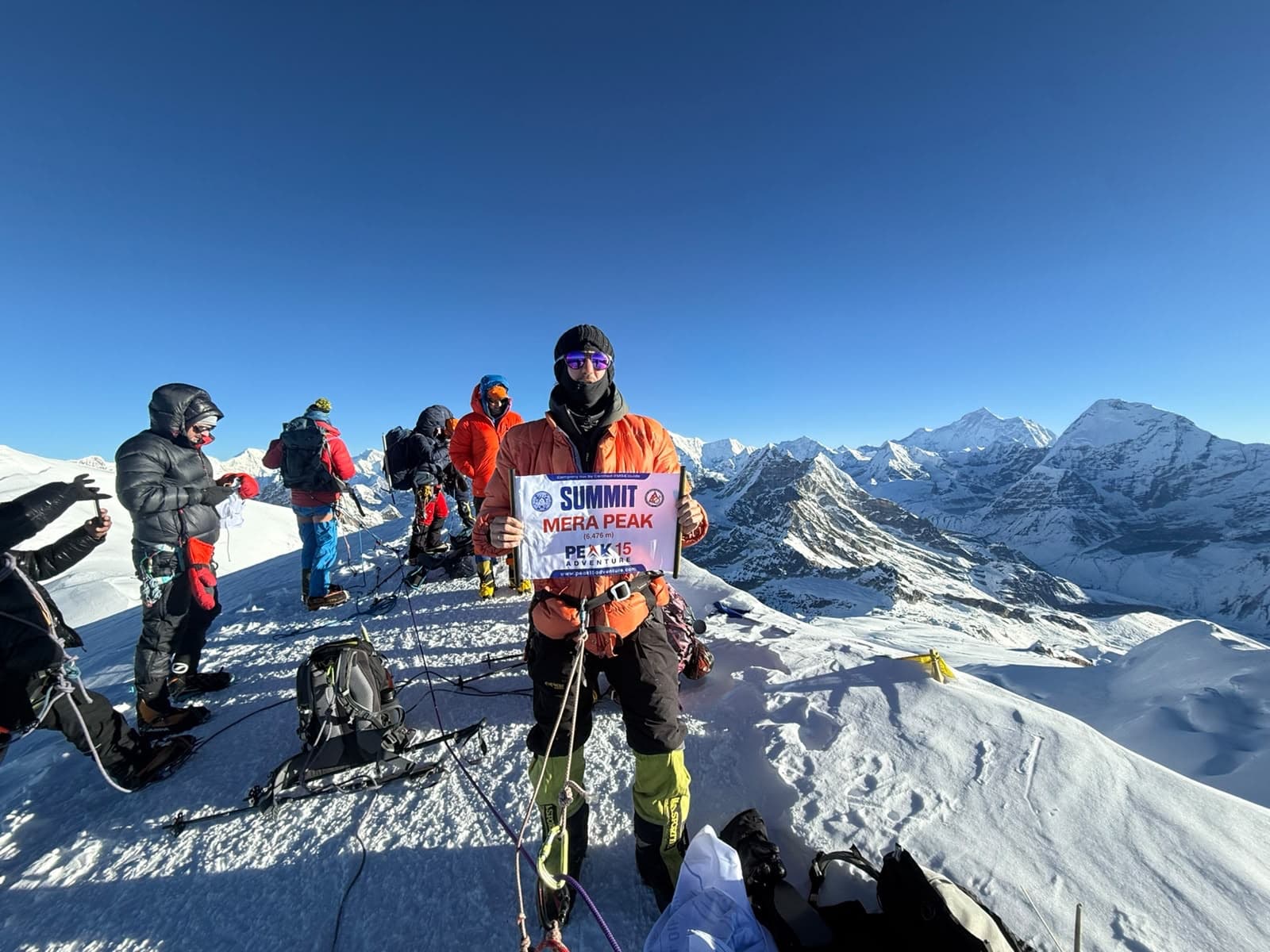
Summit Elevation: Mera Peak stands at 6,476 meters (21,247 feet) above sea level and is widely recognized as Nepal's highest trekking peak.
Mountain History: Mera Peak became a well-known mountaineering objective following its first ascent in 1953 by a British expedition. Today, it attracts climbers from around the world seeking a high-altitude Himalayan summit.
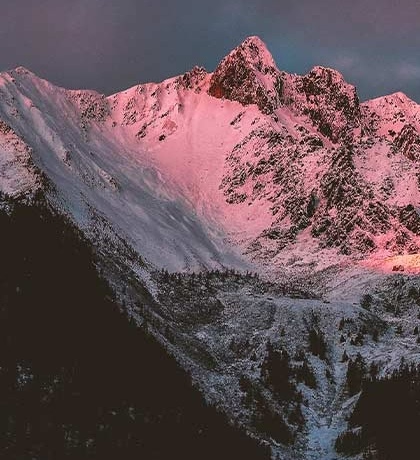
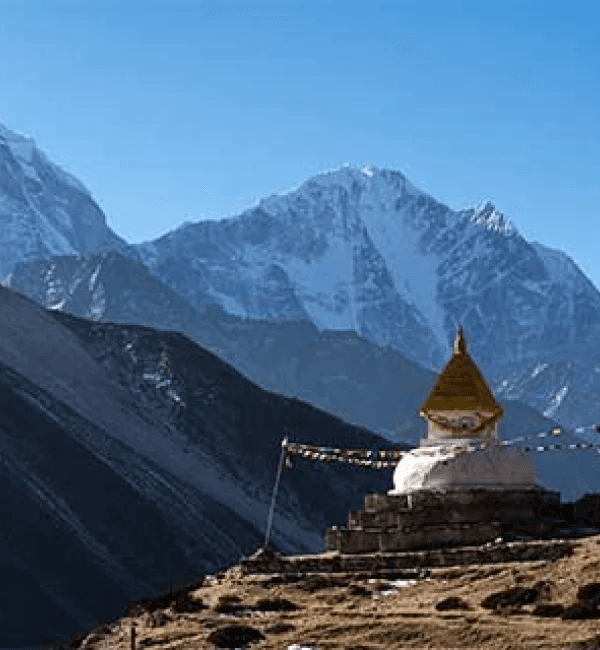
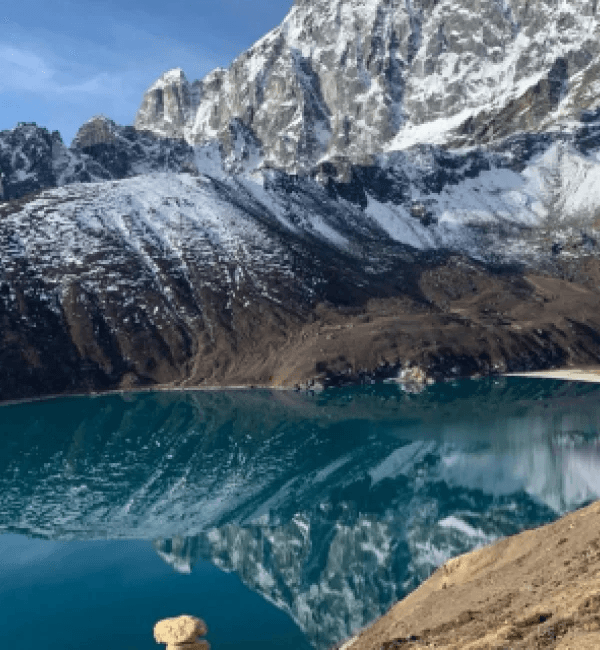
Location & Geography: Mera Peak is situated in the remote Hinku Valley of the Mahalangur Himalaya in eastern Nepal. The mountain offers impressive views of Everest, Lhotse, Makalu, Cho Oyu, Baruntse and Chamlang.
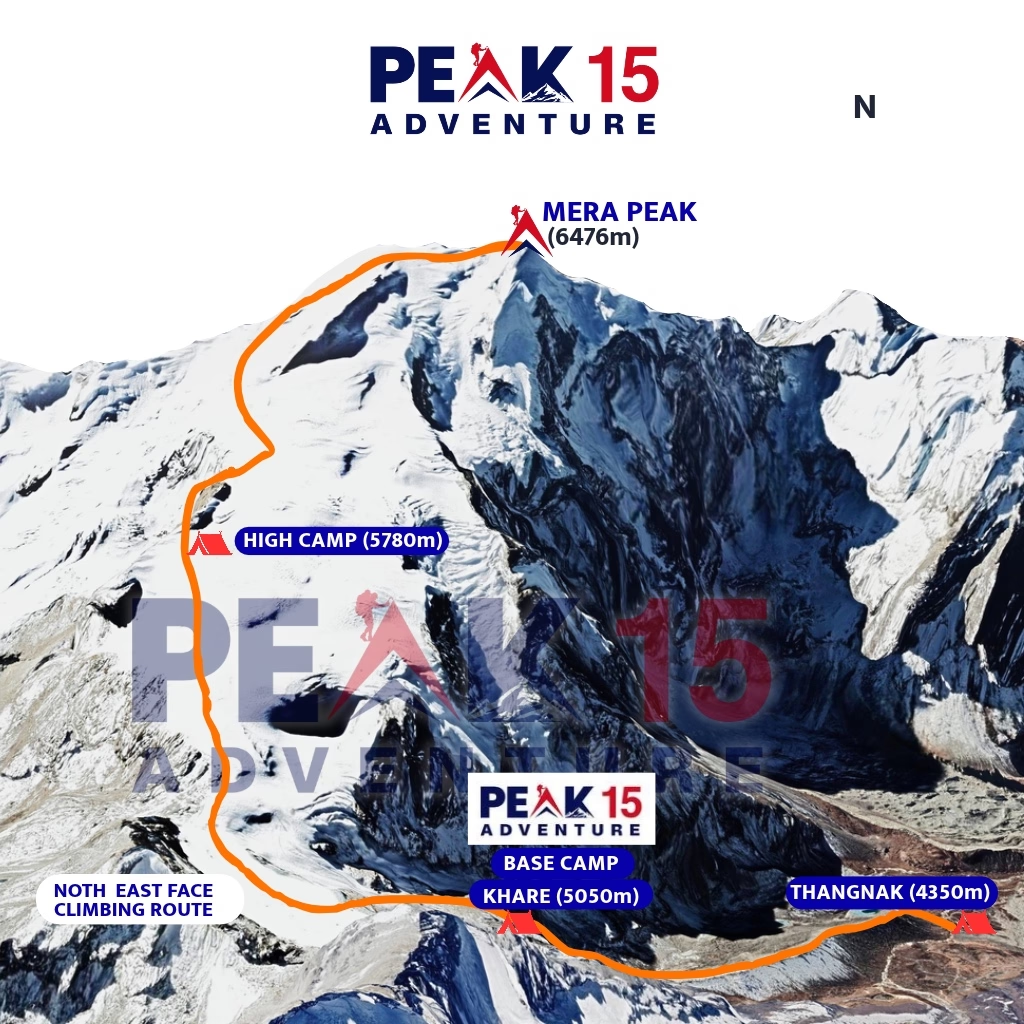
Climbing Route: The expedition follows the Hinku Valley approach from Lukla through Paiya, Pangkongma, Ning So, Jungle Camp, Khote, Thangnak and Khare. From Khare, climbers move toward Mera High Camp before attempting the summit. The return route descends through Khare and Khote, continuing toward Thuli Kharka and Lukla via Zatwra La Pass.
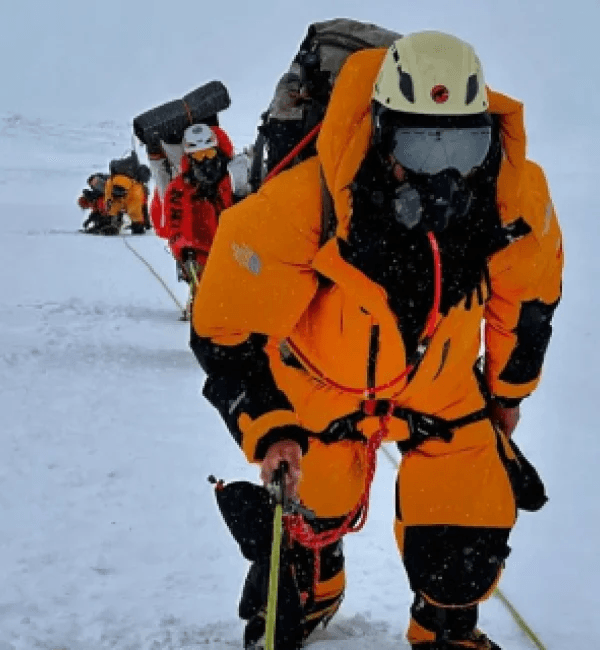
Climbing Experience: Previous high-altitude trekking experience is beneficial. Climbers should be familiar with or prepared to learn basic mountaineering techniques, including crampon use, ice axe handling, rope travel, harness systems and glacier safety.
Acclimatization: The itinerary includes gradual altitude gain and a rest day at Thangnak. Proper acclimatization, hydration, nutrition, rest and monitoring for altitude sickness are essential before moving to Khare and High Camp.
Difficulty Level: Mera Peak is generally considered a moderate trekking peak, but the altitude makes it physically demanding. The summit climb requires good endurance, mental strength, basic technical knowledge and the ability to move safely on snow and glacier terrain.
Supplemental Oxygen: Supplemental oxygen is not normally required for a standard Mera Peak ascent. Climbers should nevertheless follow their guide's advice and ensure appropriate emergency and medical arrangements are available.
Insurance: Climbers must have comprehensive travel and mountaineering insurance covering climbing up to 6,476m, emergency medical treatment, helicopter evacuation and mountain rescue.
Major Risks: Altitude sickness, extreme cold, strong winds, crevasses, glacier conditions, snow slopes, exhaustion and rapidly changing Himalayan weather are the main risks.
Climbing Equipment: Essential equipment includes high-altitude mountaineering boots, crampons, ice axe, climbing harness, helmet, ascenders, carabiners, suitable clothing, insulated gloves, goggles, sleeping equipment and personal climbing gear.
Permits & Logistics: Peak15 Adventure arranges the necessary Mera Peak climbing permit, Everest-region trekking permits, flights, transportation, accommodation, meals, climbing guides, porters, Base Camp and High Camp arrangements.
Expedition Leadership: Our experienced Sherpa climbing guides and professional trekking team provide route guidance, technical training, acclimatization support, climbing assistance, camp coordination and safety-focused expedition management. The package includes one climbing guide per member for peak climbing.
Environmental Responsibility: Climbers are encouraged to minimize waste, respect local communities, follow responsible trekking practices and protect the fragile Himalayan environment throughout the expedition.