Peak15Adventure

Annapurna IV (7,525m) Expedition

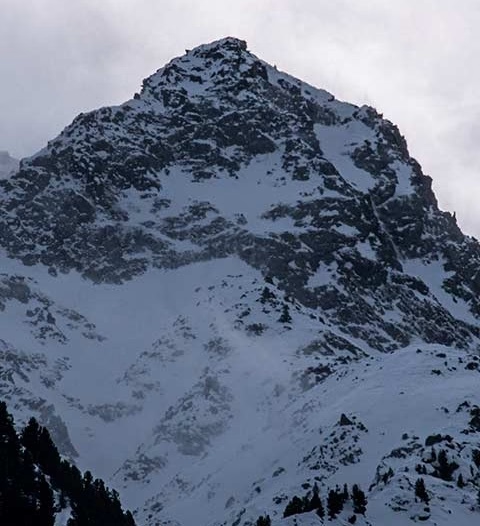
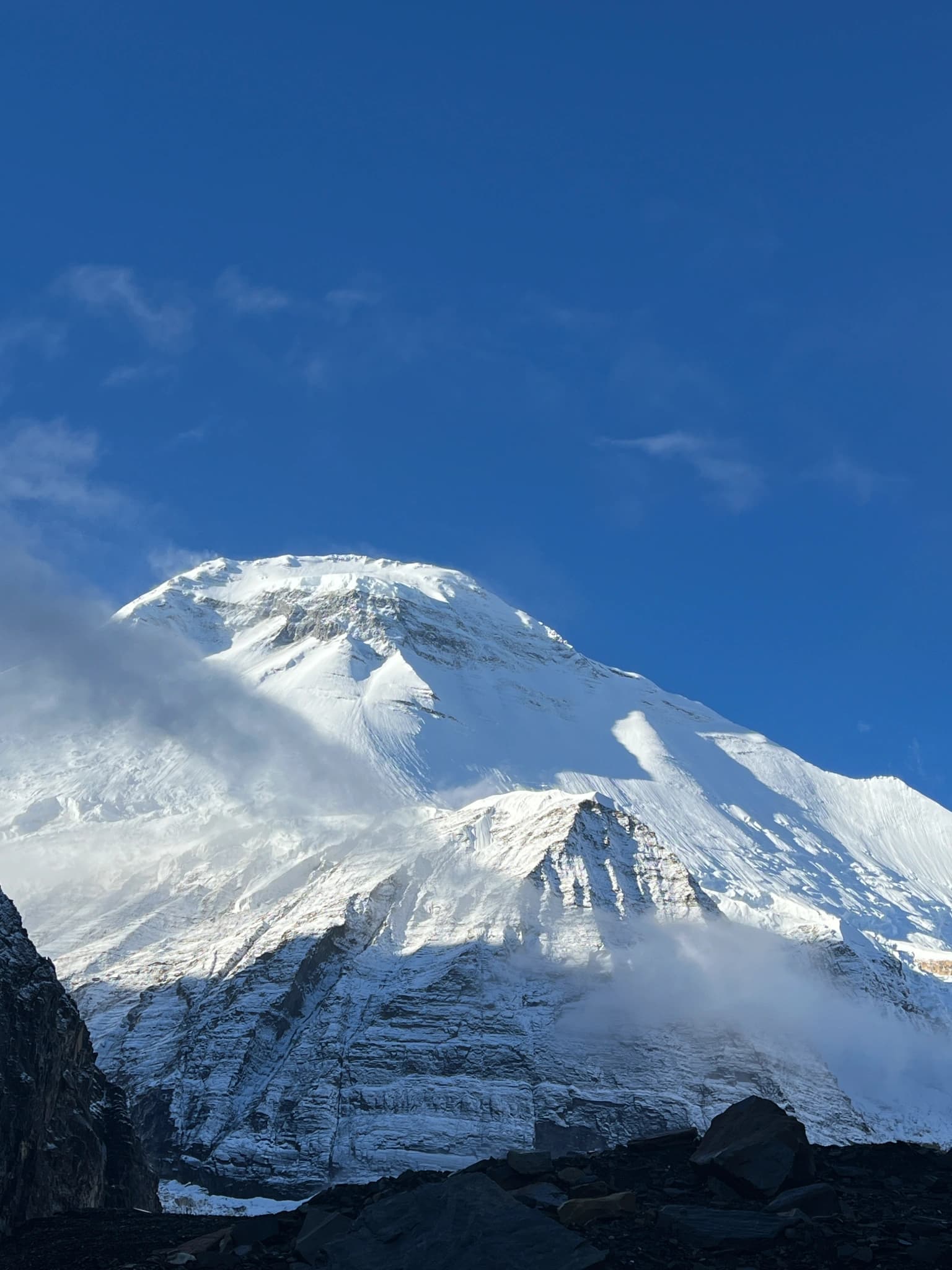
Annapurna IV (7,525m) Expedition is a demanding Himalayan adventure into the heart of the Annapurna massif, designed for experienced mountaineers seeking a serious high-altitude challenge. Rising above the remote northern landscape of Manang, the mountain combines glacial approaches, steep snow and ice, exposed ridges, and sustained climbing at extreme altitude. The expedition follows a carefully managed acclimatization and climbing program, allowing climbers to progressively prepare for the summit push. Beyond the technical challenge, Annapurna IV offers a rare opportunity to experience the immense scale, silence, and raw beauty of the high Himalayas. With Peak 15 Adventure’s experienced expedition team, logistical support, and mountain-focused planning, the journey transforms one of Nepal’s remarkable 7,000m peaks into an ambitious and memorable Himalayan objective.

Duration
30 days
Max Altitude
7525 m
Destination
Nepal
Activity
Expedition
Accommodation
Teahouse
Group Size
2-6
Transport
Private Vehicle & Flight
Meals
B-L-D
Season
Oct - Nov & April- May
Difficulty
Advanced

Why travellers love it

  • Conquer Annapurna IV (7,525m): Take on one of Nepal’s formidable 7,000m Himalayan peaks and pursue its high-altitude summit amid spectacular mountain scenery.

  • Experience Remote Himalayan Terrain: Journey through the dramatic landscapes of the Manang region, from traditional mountain settlements to rugged glacial valleys and high alpine wilderness.

  • Technical High-Altitude Climbing: Encounter challenging snow, ice, glacier travel, steep sections, and exposed terrain requiring sound mountaineering skills and careful rope management.

  • Progressive Acclimatization & Summit Strategy: Follow a structured expedition program with dedicated acclimatization and climbing periods designed to prepare the team for the demands of extreme altitude.

  • Professional Peak 15 Adventure Support: Benefit from experienced Sherpa leadership, expedition logistics, high-altitude camp management, and coordinated summit operations throughout the climb.

Trip overview

Standing at 7,525m in the Annapurna massif, Annapurna IV is a mountain that rewards climbers who are drawn to the less-traveled side of the Himalayas. Positioned in the Manang region between the imposing Annapurna II and Annapurna III, it combines a remote Himalayan setting with a serious high-altitude climbing objective. The mountain was first climbed on 30 May 1955 by a German expedition led by Heinz Steinmetz, following the North Face and Northwest Ridge-the historic route that remains the principal line of ascent.

The Annapurna IV Expedition begins with a gradual approach through the Marsyangdi Valley, allowing climbers to move from the lower foothills toward the high landscapes of Manang. The journey passes through traditional mountain settlements and the spectacular scenery of the Annapurna range before leaving the main Annapurna Circuit toward the more secluded approach to base camp. Acclimatization around Manang provides an important transition before entering the demanding glacial environment above Humde and the Sabche Khola valley.

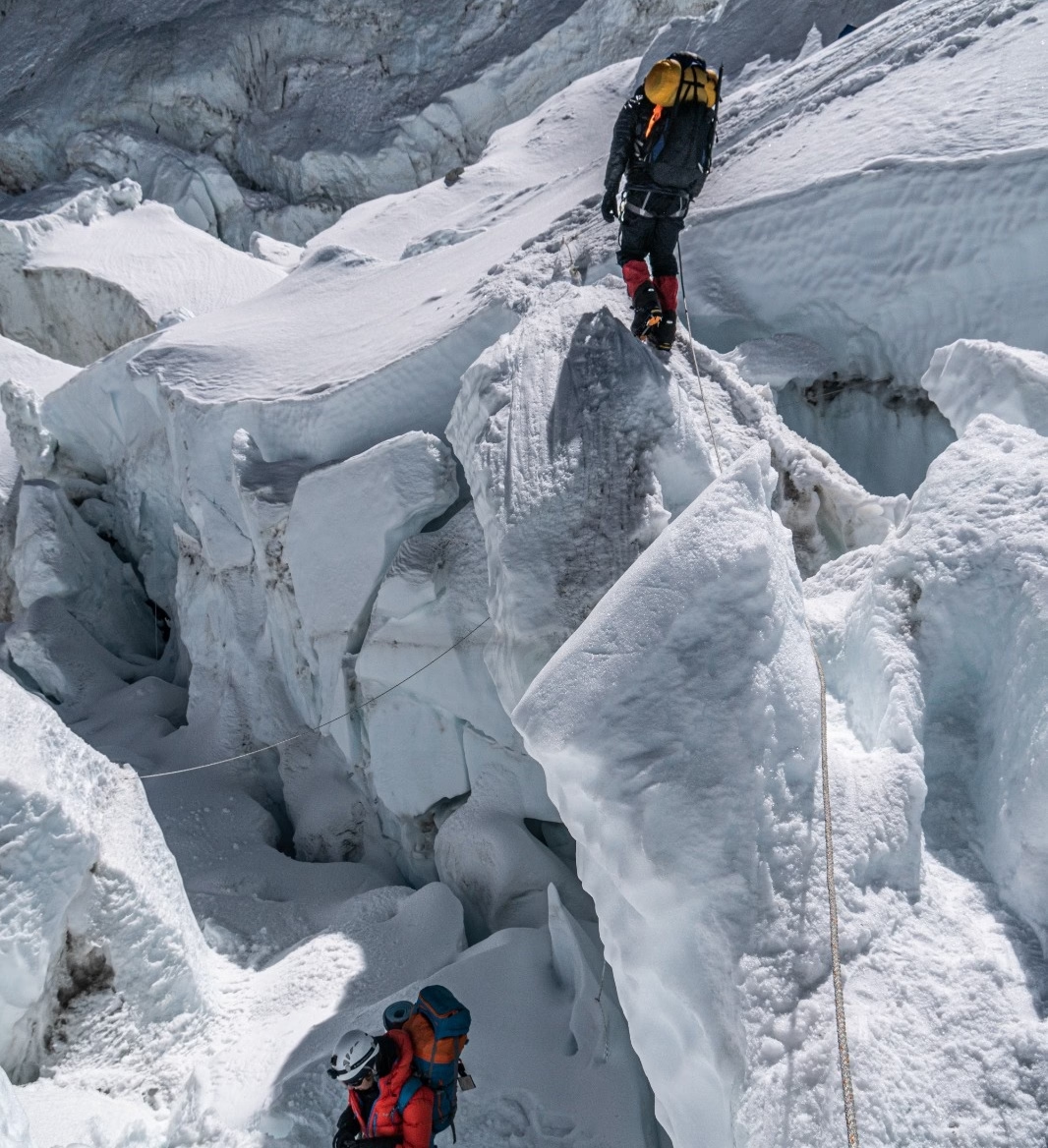
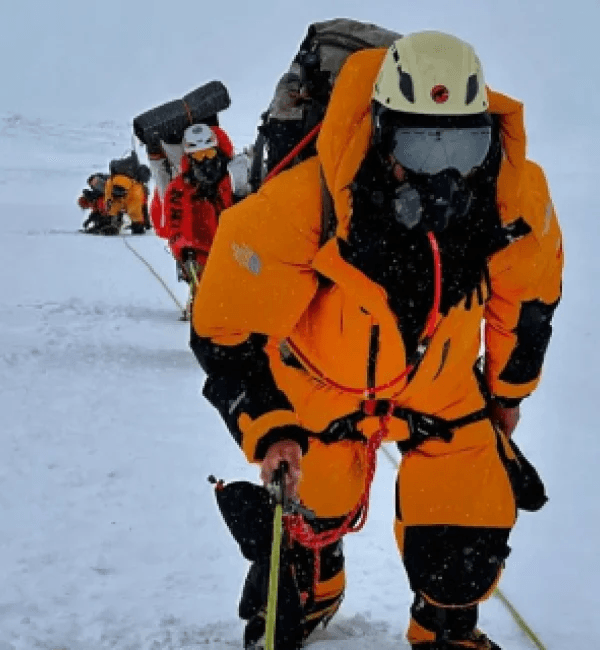
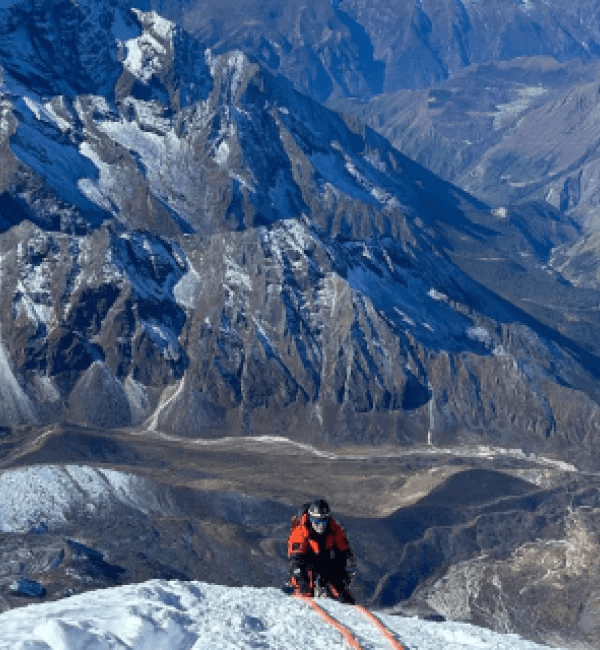
At approximately 4,800m, Annapurna IV Base Camp becomes the expedition's operational heart. From here, the character of the journey changes dramatically. The climbing route leads onto the mountain's North Face and Northwest Ridge, where climbers encounter glacier terrain, steep snow and ice, exposed ridges, and sections protected by fixed ropes. The lower mountain includes a particularly steep technical section between Base Camp and Camp I, while higher camps progressively lead the team onto more exposed ridge terrain toward the summit.

The expedition is built around acclimatization, climbing rotations, weather assessment, and strategic camp progression rather than a single continuous ascent. Depending on mountain conditions and expedition strategy, climbers establish and use several high camps before making the summit attempt. The upper section becomes increasingly demanding as the route approaches the summit ridge, requiring efficient movement, sound rope technique, disciplined pacing, and the ability to operate safely in the thin air of the 7,000m zone.

For Peak 15 Adventure, Annapurna IV is not simply a matter of reaching 7,525m. It is an expedition in which preparation, patience, teamwork, and judgment become as important as physical strength. Every acclimatization rotation is an opportunity to understand the mountain; every high camp is a step deeper into its environment; and every summit window must be approached with respect for weather, snow conditions, altitude, and the climber's own response to the mountain.

The return journey retraces the Himalayan landscape toward the lower Marsyangdi Valley, with the possibility of continuing across the Thorong La route before descending toward Muktinath and Jomsom, depending on the final expedition itinerary. Eventually, the team returns to Kathmandu carrying more than the memory of a summit attempt—the experience of having spent weeks moving through one of Nepal's most compelling high-altitude environments.

Annapurna IV (7,525m) Expedition is for climbers who want to step beyond conventional Himalayan trekking and enter the true rhythm of expedition life—long approaches, high camps, technical climbing, uncertain weather, patient acclimatization, and the extraordinary privilege of standing beneath one of the great peaks of the Annapurna range. With Peak 15 Adventure managing the expedition logistics, climbing infrastructure, Sherpa support, and high-altitude operations, the focus remains where it belongs: preparing carefully, climbing intelligently, and giving the mountain the respect it demands.

Itinerary

  • Day 01

    Arrival in Kathmandu and transfer to the hotel (1400m)

    Welcome to Nepal and the beginning of your Annapurna IV (7,525m) Expedition. Upon arrival at Tribhuvan International Airport, a representative from Peak 15 Adventure will greet you and escort you to your hotel in Kathmandu. After check-in, you can relax and recover from your journey while taking in your first impressions of Nepal’s vibrant capital.

    The day is intentionally kept light, allowing your body to adjust to the new environment before the expedition preparations begin. Your expedition team will also remain available to assist with any immediate arrangements, equipment requirements, or practical questions.

    As evening settles over Kathmandu, the expedition becomes more tangible: Annapurna IV is no longer simply a distant name on a map-it is the objective toward which the coming days will gradually lead.

    • MealsD
    • AccommodationHotel
    • Travel Duration30-45 min
    • RouteTribhuvan International Airport, Kathmandu to Kathmandu
    • TransportationPrivate Vehicle
    • Elevation1,400m to 1,400m
  • Day 02

    Rest in Kathmandu (1,400m), Expedition Briefing & Preparation

    Today is dedicated to rest, preparation, and understanding the expedition ahead. After breakfast, the Peak 15 Adventure expedition team conducts a detailed briefing covering the Annapurna IV (7,525m) route, acclimatization strategy, climbing schedule, expected mountain conditions, safety procedures, communication protocols, and overall expedition logistics.

    A thorough equipment and gear check follows. Our climbing team reviews essential mountaineering equipment and ensures that personal gear is suitable for the demanding conditions expected at high altitude. Any remaining equipment, clothing, personal supplies, or climbing accessories can be arranged in Kathmandu before leaving for the mountain.

    The remainder of the day is kept flexible for final preparations and rest. This is also an opportunity to meet fellow expedition members, discuss the climbing plan with the expedition leaders, and make sure everything is organized before the journey begins.

    Today is about preparation rather than distance-the more carefully the expedition is prepared in Kathmandu, the more confidently the team can move toward Annapurna IV.

    • MealsB
    • AccommodationHotel
    • RouteKathmandu to Kathmandu
    • Elevation1400 m to 1400m
  • Day 03

    Drive from Kathmandu to Besisahar (760m)

    After breakfast, the Annapurna IV expedition officially moves beyond Kathmandu as we begin the scenic drive toward Besisahar (760m), the gateway to the Marsyangdi Valley. The road gradually leaves the busy Kathmandu Valley and follows Nepal’s changing landscapes, passing through rolling hills, river valleys, terraced farmland, and traditional settlements.

    As the journey progresses, the surrounding scenery becomes increasingly mountainous. The drive along the winding roads offers glimpses of the rugged terrain that will define the expedition in the days ahead. Besisahar provides a comfortable stopping point before the team continues deeper into the Annapurna region.

    Upon arrival, we check into the lodge and have time to rest, organize personal equipment, and prepare for the next stage of the journey. The evening is an opportunity to review the following day's plan with the expedition team and settle into the rhythm of expedition travel.

    Today marks the transition from preparation to movement-the road toward Annapurna IV has begun.

    • MealsB/L/D
    • AccommodationTeahouse
    • Travel Duration6-8 hours
    • RouteKathmandu to Besisahar
    • TransportationPrivate Vehicle
    • Elevation1,400m to 760m
  • Day 04

    Drive from Besisahar to Chame (2,630m)

    After breakfast, we continue deeper into the Marsyangdi Valley, leaving Besisahar behind and driving toward Chame (2,630m), the administrative center of Manang District. The road gradually enters a more rugged Himalayan environment, following the Marsyangdi River through steep valleys, forested slopes, waterfalls, and dramatic mountain landscapes.

    As we gain elevation, the scenery changes noticeably. Lush lower hills give way to pine forests, rocky cliffs, and increasingly prominent peaks of the Annapurna range. The drive includes rough and winding mountain sections, making the journey itself an important part of the Himalayan experience.

    Upon reaching Chame, the expedition team settles into the lodge and takes time to rest and adapt to the increasing altitude. Depending on conditions and arrival time, there may be an opportunity to explore the village and enjoy views of the surrounding mountains.

    With every bend in the road, the landscape becomes wilder—and Annapurna IV draws closer.

    • MealsB/L/D
    • AccommodationTeahouse
    • Travel Duration6-8 hours
    • RouteBesisahar to Chame
    • TransportationPrivate Vehicle
    • Elevation760m to 2,630m
  • Day 05

    Drive from Chame (2,630m) to Upper Pisang (3,300m) via Lower Pisang (3,200m)

    After breakfast, we continue our journey deeper into the Manang Valley, driving from Chame toward the historic settlement of Pisang. The road follows the Marsyangdi River through increasingly dramatic Himalayan terrain, with towering cliffs, pine forests, rocky slopes, and impressive views of the surrounding peaks.

    We first pass through Lower Pisang (3,200m) before continuing upward toward Upper Pisang (3,300m). The contrast between the two settlements is striking, with Upper Pisang offering a more traditional high-mountain atmosphere and spectacular views toward the Annapurna range.

    As the vehicle climbs higher, the landscape becomes noticeably drier and more alpine. The surrounding terrain provides an early introduction to the environment that awaits farther ahead toward the higher reaches of Manang and the Annapurna IV climbing region.

    Upon arrival at Upper Pisang (3,300m), we check into our lodge and have time to rest, explore the village, and begin adapting to the increasing altitude. The expedition team will also review the upcoming route and ensure everyone is prepared for the gradual transition into higher Himalayan terrain.

    Today, the road carries us beyond the forested valleys and into the stark, magnificent landscape of the high Himalayas.

    • MealsB/L/D
    • AccommodationTeahouse
    • Travel Duration3-4 hours
    • RouteChame to Upper Pisang via Lower Pisang
    • TransportationPrivate Vehicle
    • Elevation2,630m to 3,200m to 3,300m
  • Day 06

    Trek from Upper Pisang (3,300m) to Humde (3,350m)

    After breakfast, we leave Upper Pisang (3,300m) on foot and begin a gradual trek toward Humde (3,350m). Today’s relatively modest elevation gain is intentional, giving the body valuable time to adapt to the increasingly thin mountain air before the expedition moves toward higher elevations.

    The trail winds through the spectacular upper Marsyangdi Valley, where the landscape becomes progressively drier and more rugged. Along the way, we pass through traditional mountain settlements, mani walls, prayer flags, cultivated fields, and dramatic Himalayan terrain. The surrounding views open toward the impressive peaks of the Annapurna range, creating an inspiring backdrop for the journey.

    As we approach Humde (3,350m), the broad valley and surrounding rocky slopes provide a clear sense that the expedition is entering a distinctly high-altitude environment. After reaching the settlement, we settle into our lodge, enjoy a nourishing meal, and allow plenty of time for rest and hydration.

    The evening can be used to review the next stage with the expedition team and prepare personal equipment for the continued journey toward the higher reaches of the Annapurna region.

    Today is a deliberate step upward-less about gaining height quickly and more about allowing the body to learn the rhythm of the mountains.

    • MealsB/L/D
    • AccommodationTeahouse
    • Travel Duration4-5 hours
    • RouteUpper Pisang to Humde
    • TransportationTrekking
    • Elevation3,300m to 3,350m
  • Day 07

    Rest & Acclimatization Day at Humde (3,350m)

    Today is a dedicated rest and acclimatization day at Humde (3,350m). Rather than pushing farther up the valley, we allow the body time to adapt to the increasing altitude and prepare for the higher stages of the Annapurna IV expedition.

    After breakfast, the expedition team may organize a gentle acclimatization walk around the surrounding area. The aim is not to gain significant elevation but to encourage light activity while observing how each climber is responding to the altitude. The surrounding Himalayan landscape offers impressive views of the arid valleys, rocky slopes, and towering peaks of the Annapurna region.

    The remainder of the day is reserved for rest, hydration, nutrition, and equipment preparation. Our expedition leaders will monitor the team's condition and discuss the upcoming route, ensuring everyone understands the next stage of the journey.

    A calm day at this altitude can be one of the most valuable parts of an expedition. On Annapurna IV, acclimatization is not lost time—it is preparation for the altitude still waiting above.

    • MealsB/L/D
    • AccommodationTeahouse
    • RouteHumde to Humde
    • Transportationrest and acclimatization with optional short acclimatization walk
    • Elevation3,350m to 3,350m
  • Day 08

    Trek from Humde (3,350m) to Annapurna IV Base Camp (4,892m)

    After an early breakfast, we leave Humde (3,350m) and begin the demanding ascent toward Annapurna IV Base Camp (4,892m). Today marks a significant transition in the expedition as the trail leaves the more settled landscapes of the Marsyangdi Valley and enters increasingly remote, rugged, and high-altitude terrain.

    The route gradually climbs through barren mountain slopes and glacial landscapes, with the air becoming noticeably thinner as we gain elevation. The surrounding peaks grow more imposing, while the changing terrain provides a first real sense of the environment in which the Annapurna IV climbing phase will unfold.

    The substantial elevation gain requires a steady pace with regular breaks for hydration and acclimatization. The expedition team carefully monitors the climbers throughout the ascent, as reaching nearly 4,900m represents an important step toward the higher camps and technical sections ahead.

    Upon reaching Annapurna IV Base Camp (4,892m), we settle into the expedition camp and take time to recover from the day's climb. The climbing team will organize equipment, review the upcoming acclimatization and climbing rotations, and prepare the camp for the days ahead.

    Today, the expedition crosses an important threshold-from trekking through the Himalayas to establishing a foothold on the mountain itself.

    • MealsB/L/D
    • AccommodationTented Camp
    • Travel Duration6-8 hours
    • RouteHumde to Annapurna IV Base Camp
    • TransportationTrekking
    • Elevation3,350m to 4,892m
  • Day 09

    Acclimatization & Climbing Rotations – Base Camp to Camp I & Camp II and Back

    Days 9–24 form the core acclimatization and climbing period of the Annapurna IV expedition. After establishing Base Camp (4,892m), the team begins a carefully managed series of rotations toward the higher mountain. Rather than attempting to climb directly to the summit, climbers progressively spend time at Camp I and Camp II, allowing their bodies to adapt to increasingly demanding altitude while the expedition team establishes and improves the route and higher camps.

    The rotations are adjusted according to weather, snow and ice conditions, individual acclimatization, route security, and the overall condition of the climbing team. Some days may be dedicated to rest and recovery at Base Camp, while others involve carrying equipment, climbing fixed-rope sections, establishing higher camps, or spending nights at altitude before descending again.

    Base Camp – Camp I Rotation

    The first major rotation takes the team from Annapurna IV Base Camp (4,892m) toward Camp I, introducing climbers to the mountain's higher terrain. The route may involve glacier travel, snow and ice slopes, and sections requiring fixed-rope techniques. Climbers practice efficient movement with crampons, manage their climbing systems, and become familiar with the route while carrying essential equipment upward.

    After spending appropriate time at Camp I, the team descends to Base Camp for recovery. This climb-high, sleep-lower approach allows the body to gradually adapt while giving climbers valuable experience on the actual summit route.

    Camp I – Camp II Rotation

    Once the team is sufficiently acclimatized, subsequent rotations progress from Camp I toward Camp II. The terrain becomes increasingly exposed and demanding, requiring concentration, controlled pacing, and efficient use of fixed ropes. Camp II serves as an important staging point for the higher climbing phase.

    Depending on conditions, climbers may spend a night or more at Camp II before descending through Camp I and returning to Base Camp. These rotations also allow the Sherpa climbing team to transport essential supplies and equipment to higher elevations.

    Rest, Recovery & Route Preparation

    Not every day during this period is spent climbing. Rest days at Base Camp are essential for recovery, nutrition, hydration, equipment maintenance, and altitude adaptation. The expedition leadership uses these periods to assess each climber's condition and monitor changing mountain conditions.

    Meanwhile, the climbing team continues preparing the higher route, checking fixed ropes, camps, equipment, and access toward the upper mountain. Weather forecasts are reviewed regularly to identify suitable opportunities for the eventual summit push.

    Building Toward the Summit

    By the end of the rotation period, climbers should have gained valuable experience on Annapurna IV's upper terrain and developed greater familiarity with the route between Base Camp, Camp I, and Camp II. The exact sequence and number of rotations may change according to actual mountain conditions.

    These sixteen days are where the expedition truly takes shape. Every rotation builds acclimatization, every descent provides recovery, and every step toward the higher camps brings the team closer to the summit of Annapurna IV (7,525m).

    • MealsB/L/D
    • AccommodationTented Camp
    • RouteAnnapurna IV Base Camp to Annapurna IV Base Camp , with rotations through Camp I and Camp II
    • Elevation4,892m
  • Day 25

    Summit Climbing Period – Annapurna IV Base Camp (4,892m) to Summit (7,525m) & Return to Base Camp

    Days 25–30 mark the decisive climbing phase of the Annapurna IV expedition. Following the acclimatization rotations between Base Camp, Camp I, and Camp II, the team prepares for the final ascent toward the 7,525m summit. The exact timing of the summit push remains dependent on weather, route conditions, snow stability, and the physical condition of the climbing team.

    Base Camp to Higher Camps

    The summit push begins from Annapurna IV Base Camp (4,892m) as climbers progressively move toward the established higher camps. With acclimatization rotations completed, the team carries essential personal and climbing equipment while maintaining a controlled pace.

    The higher sections demand increasing concentration as the terrain becomes steeper, more exposed, and affected by the thin atmosphere. Fixed ropes may be used on technical sections, requiring confident movement with crampons, harnesses, ascenders, and other climbing equipment.

    Camp I & Camp II

    The team progresses through Camp I and Camp II, using the established climbing route and allowing appropriate periods for rest and recovery. The expedition Sherpa team supports the movement of essential equipment and maintains the high-altitude camps as conditions permit.

    Above these camps, the environment becomes progressively more demanding. Cold, wind, limited oxygen, and exposed terrain require climbers to conserve energy and remain focused throughout every stage of the ascent.

    Summit Attempt – Annapurna IV (7,525m)

    The summit attempt begins during a carefully selected weather window, often requiring an early start from the highest established camp. The final ascent demands sustained effort, patience, and disciplined rope technique as the team moves toward the summit ridge.

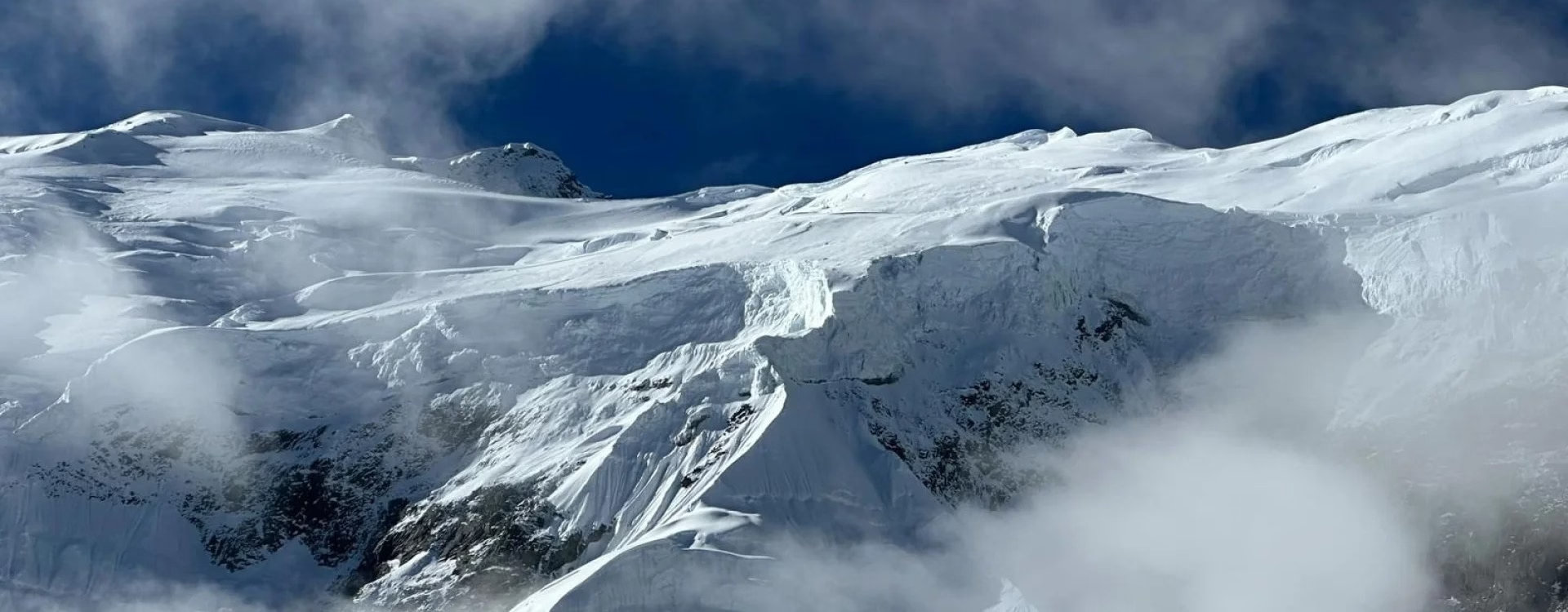
    Reaching Annapurna IV (7,525m) is the culmination of weeks of trekking, acclimatization, technical preparation, and high-altitude climbing. At the summit, climbers can experience expansive views across the Annapurna massif and the surrounding Himalayan landscape before beginning the descent.

    The summit is a moment to celebrate—but not a place to linger. After documenting the achievement and allowing a brief period to appreciate the extraordinary surroundings, the team begins the descent toward the lower camps.

    Descent to Base Camp

    The descent is managed carefully, as fatigue and altitude remain significant factors even after reaching the summit. The team retraces the route through the high camps, progressively losing elevation before returning to Annapurna IV Base Camp (4,892m).

    Back at Base Camp, the expedition team can finally recover after the summit effort. Equipment is organized, personal gear is packed, and the mountain operations begin to wind down.

    The six-day climbing period may be adjusted according to actual conditions. Weather delays, route conditions, acclimatization requirements, or the health of individual climbers may require the summit schedule to change. A successful expedition depends on flexibility and sound mountain judgment rather than following a rigid timetable.

    Days 25–30 represent the heart of the Annapurna IV expedition: climb higher, move carefully, respect the mountain, and when the conditions are right, stand beneath the vast Himalayan sky at 7,525m.

    • MealsB/L/D
    • AccommodationTented Camp
    • RouteAnnapurna IV Base Camp to Annapurna IV Summit and return to Base Camp
    • Transportationhigh-altitude climbing, summit attempt, and descent
    • Elevation4,892m to 7,525m & 4,892m
  • Day 31

    Trek from Annapurna IV Base Camp (4,892m) to Humde (3,350m)

    After completing the demanding summit phase, we leave Annapurna IV Base Camp (4,892m) and begin our descent toward Humde (3,350m). The significant loss of elevation provides welcome relief from the thin air and marks the beginning of the journey back toward the lower Marsyangdi Valley.

    The trail descends through the rugged high-altitude landscape, gradually leaving behind the glacial environment surrounding Base Camp. As we lose altitude, the terrain becomes more familiar, with changing vegetation, broader valleys, and renewed signs of settlement. The magnificent Himalayan panorama remains a constant companion as the team retraces the approach route.

    After several days of demanding climbing, today's pace is deliberately steady. The focus is on safe movement, recovery, hydration, and allowing tired muscles to adjust to the lower elevation.

    Upon reaching Humde (3,350m), we check into a comfortable lodge and enjoy a well-earned meal. The evening provides time to rest, share the experiences of the summit period, and prepare for the remaining journey out of the mountains.

    The summit may be behind us, but the descent carries its own reward—the gradual return from the high mountain world to the warmth and life of the valley.

    • MealsB/L/D
    • AccommodationTeahouss
    • Travel Duration6–7 hours
    • RouteAnnapurna IV Base Camp to Humde
    • TransportationTrekking
    • Elevation4,892m to 3,350m
  • Day 32

    Drive from Humde (3,350m) to Besisahar (760m)

    After breakfast, we leave Humde (3,350m) and begin the long drive back toward Besisahar (760m). The journey follows the Marsyangdi Valley, retracing the mountain road through the changing landscapes of the Annapurna region.

    As the vehicle descends, the dramatic high-altitude environment gradually transforms. The dry alpine slopes and rocky terrain give way to pine forests, greener hills, waterfalls, terraced farmland, and increasingly warmer valley landscapes. Each kilometer brings a noticeable change in vegetation and atmosphere as we lose elevation.

    The winding mountain road makes the journey as much a part of the experience as the destination. Along the way, the team can pause for refreshments and short breaks before continuing toward Besisahar.

    Upon arrival in Besisahar (760m), we check into the lodge and enjoy a comfortable evening after the long mountain journey. The lower altitude offers an opportunity to rest, recover, and appreciate the experiences of the Annapurna IV expedition.

    From the stark world of high-altitude glaciers to the green valleys below, today's descent feels like a return to another Nepal-warmer, greener, and full of life.

    • MealsB/L/D
    • AccommodationTeahous
    • Travel Duration7-9 hours
    • RouteHumde to Besisahar
    • TransportationPrivate Vehicle
    • Elevation3,350m to 760m
  • Day 33

    Drive from Besisahar (760m) to Kathmandu (1,400m) & Transfer to Hotel

    After breakfast, we leave Besisahar (760m) and begin the drive back to Kathmandu (1,400m), bringing the overland journey of the Annapurna IV expedition toward its final chapter. The route follows the winding highways through Nepal's scenic hill country, passing terraced fields, rivers, forests, villages, and bustling roadside settlements.

    As the journey progresses, the landscape gradually shifts from the rugged Himalayan foothills to the more developed surroundings of the Kathmandu Valley. After weeks spent among high mountains, glaciers, and remote trails, the return to city life creates a striking contrast.

    Upon arrival in Kathmandu (1,400m), our Peak 15 Adventure representative transfers you to the hotel. The remainder of the day is reserved for rest and recovery after the expedition. You may also have time to organize your equipment, enjoy a warm shower, and reflect on the remarkable journey to Annapurna IV (7,525m).

    The mountains begin to fade behind the road, but the experience of standing beneath Annapurna IV remains-etched into the journey long after the descent is complete.

    • MealsB/L/D
    • AccommodationHotel
    • Travel Duration6-8 hours
    • RouteBesisahar to Kathmandu
    • TransportationPrivate Vehicle
    • Elevation760m to 1,400m
  • Day 34

    Free Day in Kathmandu (1,400m)

    Today is a well-earned free day in Kathmandu (1,400m) following the demanding Annapurna IV expedition. With the climbing phase complete, there is no fixed program, allowing you to relax, recover, and enjoy the vibrant atmosphere of Nepal's capital at your own pace.

    You may choose to explore Kathmandu's historic streets, visit cultural landmarks and traditional markets, shop for souvenirs, or simply spend the day resting at the hotel. For those interested in Nepalese culture, the city's ancient architecture, courtyards, temples, and lively local neighborhoods offer a fascinating contrast to the remote Himalayan environment experienced during the expedition.

    This is also a convenient day to organize photographs, sort climbing equipment, settle personal arrangements, and spend time with fellow expedition members and the Peak 15 Adventure team.

    After weeks of mountains, today invites you to slow down, look back, and let the Annapurna IV experience truly settle in.

    • AccommodationHotel
    • RouteKathmandu to Kathmandu
    • Transportationsightseeing, shopping, and personal activities
    • Elevation1,400m to 1,400m
  • Day 35

    Transfer to the International Airport for final departure

    Your Annapurna IV (7,525m) Expedition comes to an end today. After breakfast, enjoy your remaining time at the hotel until it is time for your international departure. A Peak 15 Adventure representative will meet you at the hotel and provide a private transfer to Tribhuvan International Airport according to your flight schedule.

    Before leaving, make sure you have collected all personal belongings, travel documents, expedition equipment, and valuables. Once at the airport, our representative will assist you with the transfer and bid you farewell.

    As your flight departs Kathmandu, the landscapes of Nepal gradually disappear beneath the clouds, leaving behind the memories of Annapurna IV, the high camps, the long approach, the summit effort, and the extraordinary journey through the Himalayas.

    The expedition ends here, but the mountain remains-a story carried home from 7,525m.

    • Travel Duration30-45 min
    • RouteKathmandu to Tribhuvan International Airport, Kathmandu
    • TransportationPrivate Vehicle
    • Elevation1,400m to 1,400m
Altitude profileMax 7,525 m
1,400 mD11,400 mD2760 mD32,630 mD43,200 mD53,350 mD63,350 mD74,892 mD84,892 mD97,525 mD253,350 mD31760 mD321,400 mD331,400 mD341,400 mD35

Are you looking to customize the trip itinerary?

If the provided schedule is not suitable for you, we can create a personalized travel arrangement tailored to your preferences and requirements.

Customize Trip

Cost breakdown

What's included
  • Pick up and drop off services for both international & domestic flights as per the itinerary.

  • 4 nights 4* Hotel in Kathmandu on Bed & Breakfast plan, 2 nights before and 2 nights after the expedition.

  • Welcome dinner in a typical Nepali Restaurant in Kathmandu.

  • Necessary land transportation ( Kathmandu- Beshishahar-Kathmadnu ) by Private jeep/van with guide.

  • Domestic flight from Pokhara to Kathmandu with guide.

  • Land and Air domestic transportation and cargo for our overall expedition crew.

  • Climbing Permit for Annapurna IV(7,525m) Expedition and other necessary permit fees.

  • Government Liaison officer with his daily wages, equipment allowance, food, insurance and transportation.

  • Summit route fixing charge for climbing of Annapurna IV (7,515m)

  • Garbage disposal and management fees.

  • High Altitude, Medical and Helicopter rescue insurance for involved Nepalese Staff.

  • Base Camp Cook and Kitchen helpers.

  • 3 Meals a day (BLD) during the trekking to Base Camp during an expeditions.

  • Freshly cooked meals (Breakfast, Lunch & Dinner): Continental, Nepali, Indian with hot drinks, Tea and Coffee.

  • 01 veteran and highly experienced Climbing Guide (01 Member : 01 Climbing Sherpa).

  • 45 kg as a member personal baggage.

  • Each member will be provided an individual tent, Mattress and Pillow at Base Camp.

  • Common Equipment at Base Camp: Dinning tent, Kitchen tent, Toilet tent, Shower tent, Tables and Chairs, Heater etc.

  • Walkie-talkie for communicating from Base Camp to Mountain and Mountain to Base Camp.

  • Satellite Phone is available for emergency call at US $5 per minute.

  • Weather forecast during the entire expedition.

  • Emergency Oxygen bottles and Mask Regulator Set available at our Base Camp (Chargeable as per use).

  • First Aid medical kits

  • Peak 15 Adventure’s Duffle Bag (If required & outdoor Cap (If required).

  • Farewell dinner with Climbing guides and official team of Peak 15 Adventure’s.

  • Government taxes and company service charge.

  • Summit Certificate will be provided by Nepal Government after the successful ascent of the peak (Note: Photos & videos of summit must be provided for final verification).

What's not included
  • International flights to/from Kathmandu.

  • Nepal Entry Visa fee (to be applied for 40 days).

  • Drone and Special filming permit.

  • Lunch and Dinner during stay in Kathmandu (Except Welcome & Farewell Dinner).

  • Personal expenses (tips, laundry, drinks).

  • Costs from delays due to weather or itinerary changes.

  • Emergency rescue costs beyond insurance.

  • Meals in Kathmandu not specified in the package.

  • Travel, Medical and Emergency High Altitude Helicopter Rescue Insurance (Minimum coverage US$ 50,000). This is mandatory for all the Participants.

  • All the Personal Climbing Gears and Equipment.

  • Summit Bonus US$ 800/- for each Climbing Guide and US$ 250/- for Kitchen helpers must be hand over in Cash at Base Camp after the successful ascent of the peak also please calculate some tips for trek Guide and Porters.

  • Any other services which are not mentioned in the service includes.

Upcoming departures

Filter departures by month
Mar 10 – Apr 9, 2027
Available
—

All prices per person, twin share. Subject to availability — Annapurna IV (7,525m) Expedition dates fill quickly in peak season.

You may also like

More routes in the same region and difficulty range.

Annapurna IV (7,525m) Expedition
Achieve Your Dream
Mountain Ridge Divider
Peak 15 Expedition 1
Peak 15 Expedition 2
Peak 15 Expedition 3
Peak 15 Expedition 4