The Upper Mustang Trek is a journey into a remote, high-altitude Himalayan region where ancient culture, dramatic landscapes, and centuries-old traditions remain remarkably preserved. Because the trek takes place in a restricted area with limited infrastructure, proper preparation is essential. Before departure, Peak 15 Adventure provides a detailed briefing covering permits, altitude, health, equipment, weather, trail conditions, cultural etiquette, and safety.
Altitude & Acclimatization
Upper Mustang involves significant elevation gain, with the trail reaching around 3,800–4,000m and above depending on the itinerary. Although the trekking pace is carefully planned, your body needs time to adapt to reduced oxygen levels. Walk slowly and consistently, drink plenty of water, eat nutritious meals, and avoid rushing to higher elevations.
Your guide will monitor your condition throughout the journey. If you experience persistent headache, dizziness, unusual fatigue, nausea, or difficulty breathing, inform the guide immediately. Proper acclimatization is one of the most important parts of enjoying a safe Himalayan adventure.
Packing & Trekking Equipment
Pack according to the season and prepare for both cold mornings and strong afternoon winds. Essential equipment generally includes:
Comfortable, well-broken-in trekking boots
Warm thermal layers and fleece jacket
Windproof and waterproof outer jacket
Trekking trousers and comfortable base layers
Warm hat, gloves, and neck protection
Sleeping bag suitable for high-altitude conditions
Sunglasses with strong UV protection
Sunscreen and lip balm with SPF
Reusable water bottle or hydration system
Headlamp with spare batteries
Personal medicines and basic first-aid supplies
Backpack and trekking poles
Because facilities become increasingly limited as you travel deeper into Upper Mustang, carrying the right personal essentials can make a significant difference.
Weather & Trail Conditions
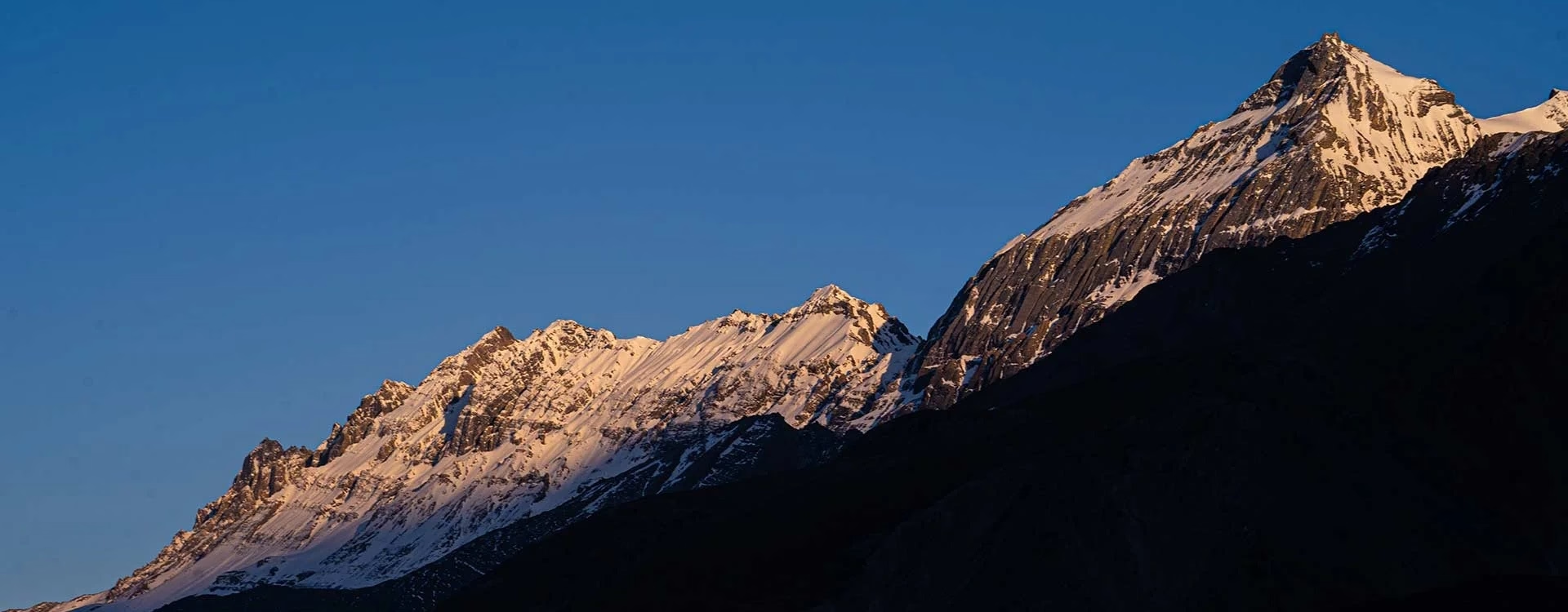
Upper Mustang lies within the rain-shadow of the Annapurna and Dhaulagiri mountain ranges, giving the region its distinctive dry and desert-like landscape. The trails can be dusty, rocky, and uneven, while strong winds are particularly common during the afternoon.
Weather can change quickly in the mountains, so layering is the best approach. Good footwear and protection from sun, wind, cold, and dust are especially important. Your daily walking schedule may also be adjusted when necessary according to local conditions.
Permits & Restricted Area
Upper Mustang is a restricted trekking region, meaning travelers must obtain the appropriate permits before entering the area. A Restricted Area Permit (RAP) is required, along with the applicable conservation-area permit.
Permit regulations and fees can change, so travelers should rely on the latest official requirements rather than outdated information found online. Peak 15 Adventure handles the necessary permit arrangements and documentation as part of the trip preparation.
Fitness & Physical Preparation
You do not need technical climbing experience for the Upper Mustang Trek, but you should be comfortable walking for several hours on consecutive days. The combination of high altitude, dry air, rocky trails, steep sections, and long walking days can make the trek physically demanding.
Ideally, begin preparing several weeks before departure through:
Regular hiking or long-distance walking
Stair climbing
Cardiovascular exercises
Leg and core strengthening
Gradually increasing walking distance
Good preparation allows you to enjoy the landscapes and cultural experiences instead of focusing entirely on physical fatigue.
Accommodation & Facilities
Accommodation in Upper Mustang is generally provided in local teahouses and lodges. Facilities are more basic than those found in Nepal's major trekking routes, particularly in remote settlements. Rooms are usually simple, and shared bathroom facilities may be common.
Electricity, hot showers, Wi-Fi, and mobile connectivity can be limited or unavailable in some areas. Treating these limitations as part of the adventure will help you experience Upper Mustang more authentically.
Food & Hydration
Meals are generally based on locally available ingredients and common trekking dishes such as dal bhat, noodles, rice, soups, potatoes, Tibetan-style bread, and other simple meals. At higher and more remote settlements, food choices may be more limited.
Stay properly hydrated throughout the trek. The dry climate, wind, and altitude can increase fluid loss even when you do not feel particularly thirsty.
Culture & Responsible Travel
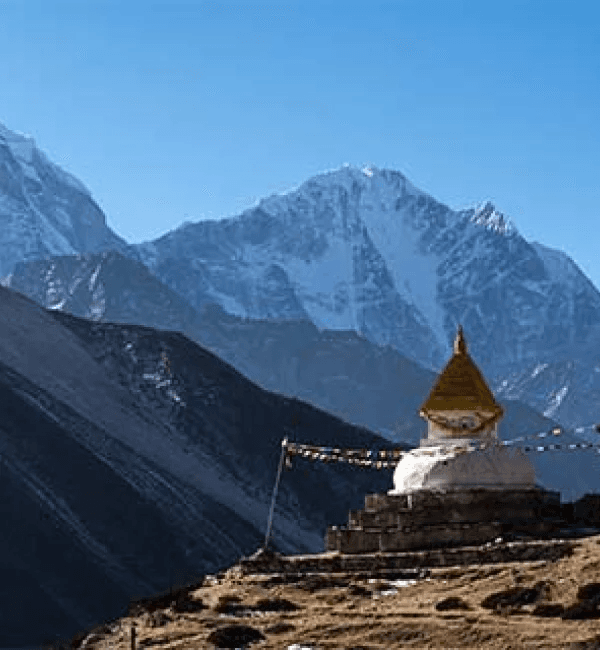
Upper Mustang is more than a spectacular trekking destination-it is a living cultural landscape with strong Tibetan Buddhist traditions. You will encounter monasteries, chortens, mani walls, prayer flags, traditional homes, and communities that have preserved their heritage for generations.
Travel respectfully:
Ask permission before photographing local people.
Follow instructions when visiting monasteries and religious sites.
Do not touch or move religious objects.
Walk around chortens and mani walls in the traditional direction.
Avoid unnecessary noise around sacred places.
Minimize plastic and leave no waste behind.
Respect local customs and community traditions.
Connectivity & Communication
Mobile networks and internet access can be unreliable, particularly in remote sections of the route. Do not depend entirely on your phone for communication or navigation. Inform family or friends before departure that connectivity may be intermittent.
Your trekking team will coordinate the essential logistics and communication throughout the journey.
Travel With the Right Mindset
Upper Mustang is best experienced by travelers who appreciate remoteness, history, silence, culture, and exploration. Do not expect the same level of infrastructure available in Kathmandu or popular trekking areas.
The occasional basic room, dusty trail, cold morning, strong wind, or limited connectivity is part of what makes the journey special. You are not simply crossing a mountain trail-you are entering a landscape where ancient kingdoms, living traditions, and extraordinary Himalayan geology meet.
Safety & Professional Support
Your safety remains a priority throughout the trek. Peak 15 Adventure carefully plans the route, transportation, permits, accommodation, acclimatization schedule, and trekking support. Our experienced team remains attentive to weather, altitude, trail conditions, and your overall wellbeing.
Come prepared for the wilderness, remain flexible, respect the culture, and let the landscape reveal its secrets one trail at a time.