Things you should know about Nepal
Preparing for a visit to Nepal involves more than arranging flights and accommodation. Understanding local customs and everyday practices can help you connect with local communities and enjoy a more meaningful experience.
1. Respect Local Culture and Traditions
Nepal is home to diverse communities, languages, religions, and cultural traditions. Be considerate when interacting with local people, and respect different customs and ways of life.
2. Learn a Few Nepali Words
A few simple Nepali expressions can make everyday interactions more enjoyable.
Namaste: Hello or a respectful greeting.
Dhanyabaad: Thank you.
Kripaya: Please.
Maaf garnuhos: Excuse me or sorry.
Local people often appreciate visitors who make an effort to learn and use a few words of Nepali.
3. Dress Respectfully at Religious Sites
When visiting temples, monasteries, and other religious places, dress modestly and follow local guidelines.
Some sites require visitors to remove their shoes before entering. Photography may also be restricted in certain areas, so look for signs or ask permission.
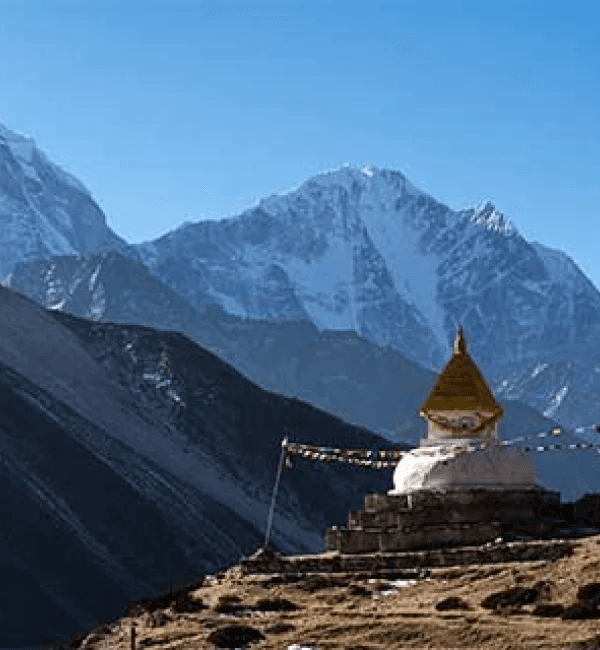
4. Walk Clockwise Around Stupas and Shrines
At many Buddhist stupas and religious shrines, walking clockwise around the structure is a customary sign of respect.
Follow the direction used by local worshippers and observe any specific instructions at the site.
5. Use Your Right Hand When Giving or Receiving
In many traditional settings, using your right hand—or both hands—is considered respectful when giving or receiving money, food, or other items.
Being aware of this custom can help you navigate everyday interactions politely.
6. Be Prepared for Different Toilet Facilities
Facilities vary according to location. Hotels in cities generally offer familiar modern facilities, while rural villages and remote trekking routes may have basic toilets or squat toilets.
Consider carrying toilet paper, wet wipes, hand sanitiser, and a small bag for disposing of personal waste where appropriate.
7. Plan for Electricity and Charging
Electricity and charging facilities are available in many parts of Nepal, but access can be limited at higher elevations and in remote mountain regions.
Carry a power bank, charge essential devices whenever possible, and consider bringing spare batteries for headlamps, cameras, and other equipment.
8. Take Care in Traffic
Road traffic in Kathmandu and other busy cities can be congested and unpredictable.
Use designated pedestrian crossings where available, check carefully before crossing roads, and follow the guidance of local drivers or guides when navigating busy areas.
9. Respect Local Photography Customs
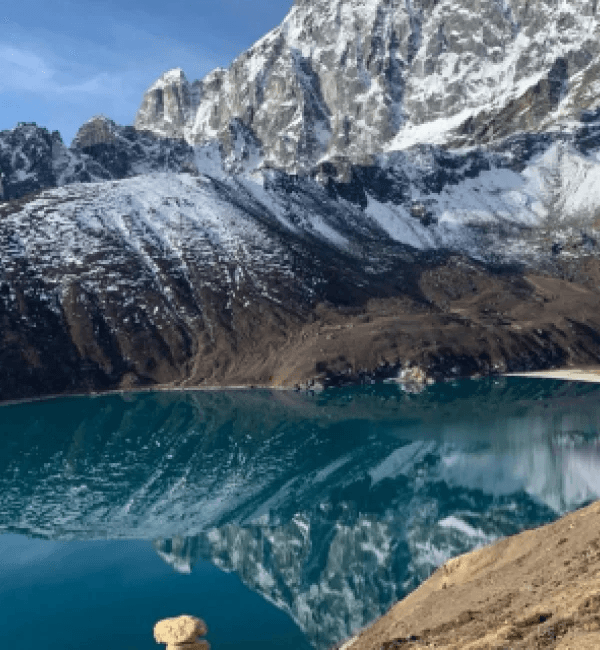
Nepal offers countless opportunities for photography, from Himalayan scenery to historic architecture and traditional village life.
However, always ask permission before photographing individuals, particularly during religious ceremonies or in culturally sensitive locations. Follow restrictions at temples, monasteries, and heritage sites.
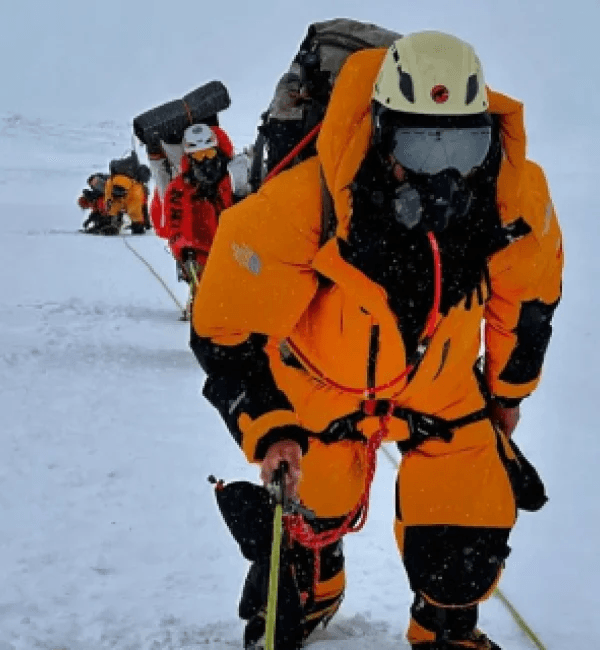
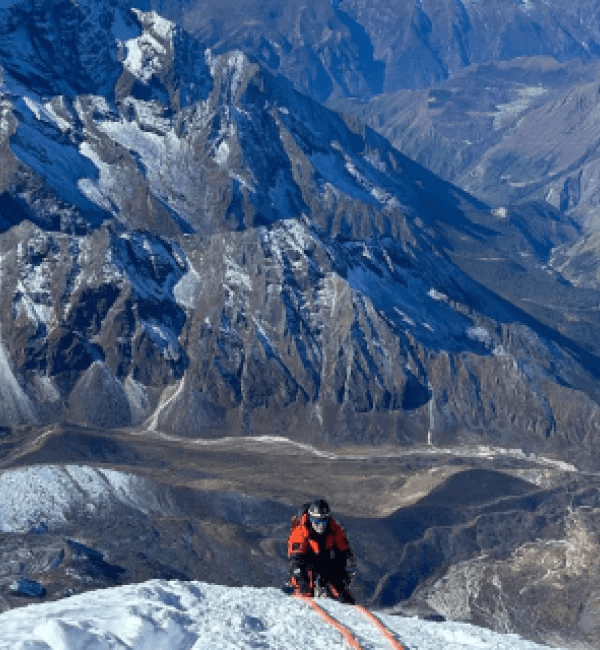
10. Be Prepared for Changing Mountain Conditions
Weather, temperatures, and trail conditions can change significantly with altitude and season.
Bring suitable clothing, follow your itinerary, and listen to your guide's advice. Allow enough time for acclimatisation and unexpected travel delays, especially during high-altitude expeditions.